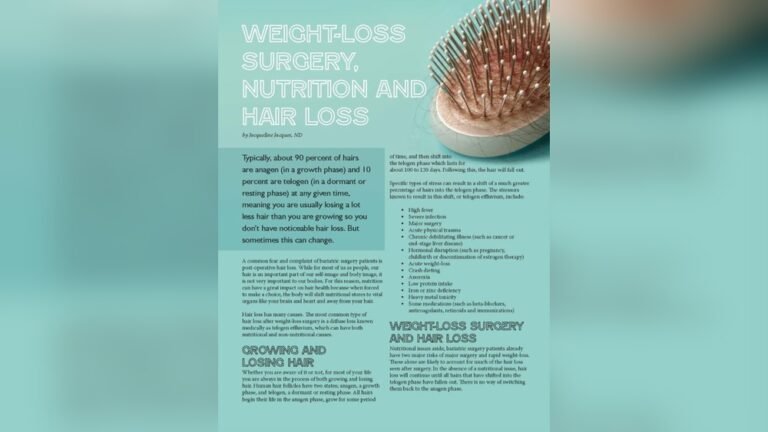
Have you noticed more hair in your brush since you started losing weight? It’s a common concern that many people don’t expect.
You might wonder, “Can weight loss cause hair loss? ” The answer isn’t as simple as yes or no. Your body goes through big changes when you shed pounds, and sometimes your hair reacts too. Understanding why this happens can help you take control and protect your hair while reaching your goals.
Keep reading to discover the surprising link between weight loss and hair loss—and what you can do about it.

Connection Between Weight Loss And Hair Loss
Weight loss can affect the body in many ways. One common side effect is hair loss. This happens because the body reacts to changes in diet and stress. Hair needs nutrients to grow strong and healthy. When the body lacks these nutrients, hair may start to fall out.
Not all weight loss causes hair loss. The speed and method of losing weight play a big role. Understanding how weight loss affects hair helps in managing this issue better.
How Rapid Weight Loss Affects Hair
Losing weight too fast can shock the body. This shock can push hair into a resting phase, called telogen effluvium. Hair stops growing and falls out after a few weeks. This type of hair loss is usually temporary.
Rapid weight loss often causes stress on the body. Stress can reduce blood flow to hair follicles. Without enough blood, hair roots weaken and hair falls out more easily.
Nutritional Deficiencies Linked To Hair Loss
Hair needs vitamins and minerals to stay healthy. Losing weight can limit food intake. This may cause shortages of important nutrients like iron, zinc, and protein.
Iron deficiency reduces oxygen supply to hair follicles. Zinc helps repair hair tissue. Protein is the building block of hair strands. Lack of these nutrients can lead to thinning hair and hair loss.
Role Of Diet In Hair Health
Diet plays a big role in keeping hair healthy and strong. Hair needs good nutrition to grow well. Without the right food, hair can become weak and fall out. Eating a balanced diet helps supply the vitamins and minerals hair needs. Poor eating habits often lead to hair problems. Understanding what nutrients help hair can prevent hair loss during weight loss.
Essential Nutrients For Strong Hair
Protein is a key building block of hair. Hair strands are mostly made of protein called keratin. Lack of protein makes hair brittle and thin. Iron helps carry oxygen to hair roots. Low iron can cause hair shedding. Vitamin A supports scalp health and hair growth. Vitamin C aids in collagen production for hair strength. Zinc repairs hair tissues and keeps oil glands working. Omega-3 fatty acids nourish hair and add shine. Biotin is important for hair growth and prevents hair breakage.
Common Diet Mistakes That Harm Hair
Skipping meals can starve hair of needed nutrients. Crash diets often lack enough protein and vitamins. Cutting out entire food groups may cause nutrient gaps. Eating too little fat lowers omega-3 intake, hurting hair shine. Too much sugar and processed food can damage hair follicles. Not drinking enough water dries out scalp and hair. Quick weight loss can shock the body and trigger hair loss.
Hormonal Changes And Hair Shedding
Hormonal changes can cause hair shedding during weight loss. The body reacts to the stress of losing weight by altering hormone levels. These shifts affect the hair growth cycle, leading to more hair falling out than usual.
Understanding how hormones influence hair helps manage hair loss better. Two key factors are stress hormones and thyroid function.
Impact Of Stress Hormones
Stress hormones like cortisol increase during weight loss. High cortisol levels push hair follicles into a resting phase. This phase stops new hair growth and causes shedding.
Stress from dieting or exercise raises cortisol, making hair loss worse. Lowering stress helps balance these hormones and supports hair health.
Thyroid Function And Hair Loss
The thyroid gland controls metabolism and energy use. Weight loss can affect thyroid hormone levels. Low thyroid hormones slow down hair growth.
When thyroid function drops, hair becomes thin and falls out easily. Regular thyroid checks can catch issues early and protect hair.
Types Of Hair Loss Related To Weight Loss
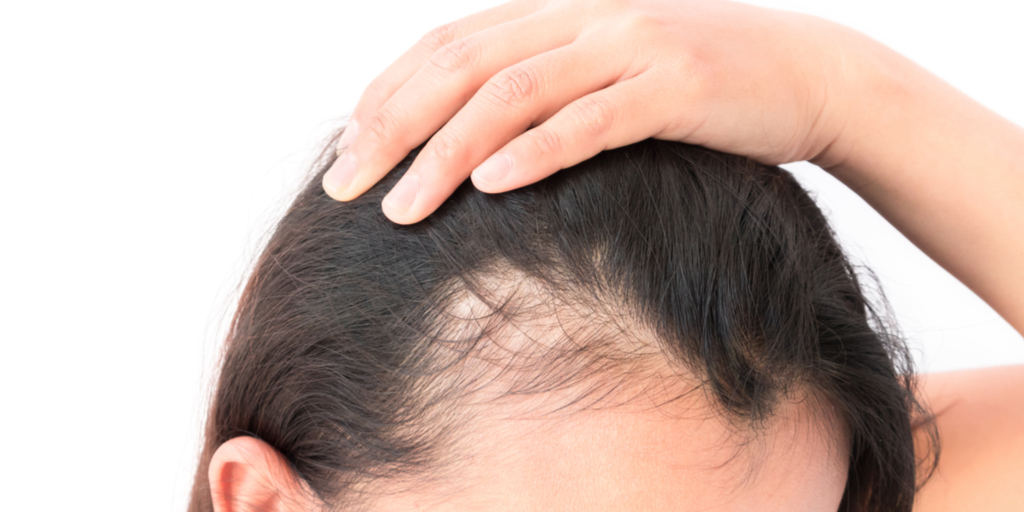
Weight loss can affect the body in many ways. Hair loss is one possible effect. Different types of hair loss may happen due to changes in weight. Understanding these types helps identify the cause and find solutions.
Hair loss linked to weight loss usually happens because of stress on the body or lack of nutrients. Some types are temporary, while others need medical care. Here are the main types of hair loss related to weight loss.
Telogen Effluvium Explained
Telogen effluvium is the most common hair loss from weight loss. It happens when the body pushes hair follicles into the resting phase. This causes more hair to fall out than usual. Stress from rapid weight loss or poor diet can trigger it. Hair loss usually appears 2-3 months after weight changes. The good news: hair often grows back after the body recovers.
Alopecia Areata And Weight Changes
Alopecia areata is an autoimmune condition that can link to weight changes. The immune system attacks hair follicles, causing patches of hair loss. Sudden weight loss or gain can stress the immune system. This may trigger or worsen alopecia areata. Unlike telogen effluvium, hair loss here is patchy and can be more severe. Treatment may be needed to help hair regrow.
Prevention Strategies For Hair Loss
Hair loss can be a common problem during weight loss. Your body needs nutrients to keep hair strong and healthy. Without enough nutrients, hair may fall out more easily. You can take steps to protect your hair while losing weight. These strategies help keep your hair healthy and reduce loss.
Balanced Diet Tips
Eating a balanced diet is key to preventing hair loss. Include proteins like eggs, chicken, and beans. Protein helps hair grow and stay strong. Add fruits and vegetables for vitamins and minerals. Vitamins A, C, and E support healthy hair. Iron and zinc are important too. Drink plenty of water to keep your scalp hydrated. Avoid crash diets that cut out whole food groups. Slow, steady weight loss is better for your hair.
Supplements That Support Hair Growth
Supplements can fill gaps in your diet. Biotin is a popular choice for hair health. It helps strengthen hair and nails. Vitamin D may also support hair growth. Omega-3 fatty acids keep your scalp healthy. Talk to a doctor before starting supplements. Too much of some vitamins can harm your body. Choose high-quality supplements for the best results.
When To Seek Medical Help
Weight loss can sometimes lead to hair loss. Not all hair loss is normal. Some signs show a serious problem. Knowing when to seek medical help is important. Early attention can protect your hair and health.
Signs Hair Loss Is Serious
Hair loss that happens very fast is a warning sign. Large clumps of hair falling out need care. Scalp redness, itching, or pain can mean infection. Bald patches appearing suddenly may indicate a condition. Hair loss with other symptoms like weight changes or fatigue needs medical check.
Treatment Options Available
Doctors can find the cause of hair loss. Treatments include medicines to stop hair loss or help regrowth. Sometimes changes in diet or vitamins help. Infections need antibiotics or special shampoos. Severe cases might need a hair transplant or other procedures. Early treatment gives the best chance to save hair.

Frequently Asked Questions
Can Weight Loss Cause Hair Loss Suddenly?
Yes, rapid or extreme weight loss can trigger hair loss due to nutrient deficiencies and stress on the body.
How Does Dieting Affect Hair Health?
Dieting may reduce essential nutrients like protein, iron, and vitamins, leading to weakened hair and increased shedding.
Is Hair Loss From Weight Loss Permanent?
Hair loss from weight loss is usually temporary and reversible once nutrition and health improve.
Which Nutrients Prevent Hair Loss During Weight Loss?
Protein, iron, zinc, biotin, and vitamins A, C, D, and E support healthy hair growth during weight loss.
Conclusion
Weight loss can sometimes lead to hair loss, but it is usually temporary. Poor nutrition and stress often cause this problem. Eating a balanced diet helps your hair stay healthy. Giving your body time to adjust is important. If hair loss continues, seeing a doctor is a good idea.
Remember, your health comes first during any weight loss journey. Taking care of yourself supports both your weight and hair. Patience and proper care will bring back your hair’s strength.
