If you want to build strength, improve your posture, and boost your overall fitness, barbell squats are one of the best exercises you can do. You might have heard about squats before, but do you know why barbell squats stand out?
They not only target multiple muscle groups but also help you burn more calories and increase your power. Keep reading, and you’ll discover how adding barbell squats to your routine can transform your body and performance faster than you think.
Your future self will thank you!
Benefits Of Barbell Squats
Barbell squats are a powerful exercise with many benefits. They target several muscle groups at once. This makes them efficient and effective for strength training. Squats help improve your body’s overall function and performance.
People of all fitness levels can gain from adding barbell squats to their routine. They build strength, improve balance, and support better movement. The benefits go beyond just the legs and hips.
Builds Lower Body Strength
Barbell squats primarily work your legs and hips. They strengthen muscles like the quads, hamstrings, and glutes. Strong legs support daily activities and athletic performance. Squats also help protect your joints by increasing muscle support.
Enhances Core Stability
Squats require you to keep your torso steady. This activates your core muscles, including the abs and lower back. A strong core improves balance and posture. It also reduces the risk of injuries in everyday life and sports.
Boosts Hormonal Response
Barbell squats stimulate your body to release growth hormones. These hormones help build muscle and burn fat. They also improve recovery after workouts. This makes squats a great choice for overall fitness and body composition.

Muscle Groups Targeted
Barbell squats are a powerful exercise that works many muscles in your body. They help build strength and improve balance. Understanding which muscles work during squats can help you do them better and avoid injury.
Quadriceps Activation
The quadriceps are the large muscles at the front of your thighs. Barbell squats activate these muscles strongly. They help you straighten your knees as you stand up. Strong quadriceps improve your ability to run, jump, and climb stairs.
Glute Engagement
The glutes are your butt muscles. Squats target the gluteus maximus, the biggest muscle in your body. These muscles power hip movement and help you stand tall. Strong glutes improve posture and support your lower back.
Hamstring Involvement
The hamstrings are at the back of your thighs. They work during the downward and upward phases of the squat. Hamstrings help bend your knees and extend your hips. Strengthening them reduces the risk of injury and improves leg power.
Core And Lower Back Support
Your core muscles include the abs and lower back. Squats engage these muscles to keep your body stable. A strong core helps protect your spine during heavy lifts. It also improves your overall balance and posture.
Improved Athletic Performance
Barbell squats are a powerful exercise for athletes. They target many muscles at once. This helps improve overall athletic performance. Squats build strength, speed, and stability. These benefits make athletes stronger and faster.
Increases Power And Explosiveness
Barbell squats help develop leg power. Strong legs push the body with more force. This boosts jumping and sprinting ability. Explosive moves become easier and quicker. Athletes can perform better in sports requiring bursts of speed.
Enhances Balance And Coordination
Squats require control and focus. The exercise trains muscles to work together. This improves body balance during movement. Better balance reduces the risk of injury. Coordination between limbs becomes smoother and faster.
Supports Functional Movement
Squats mimic everyday movements like sitting and standing. This trains muscles for real-life actions. Functional strength improves daily activities and sports skills. It helps the body move efficiently and safely. Athletes gain better control over their bodies.

Proper Form And Technique
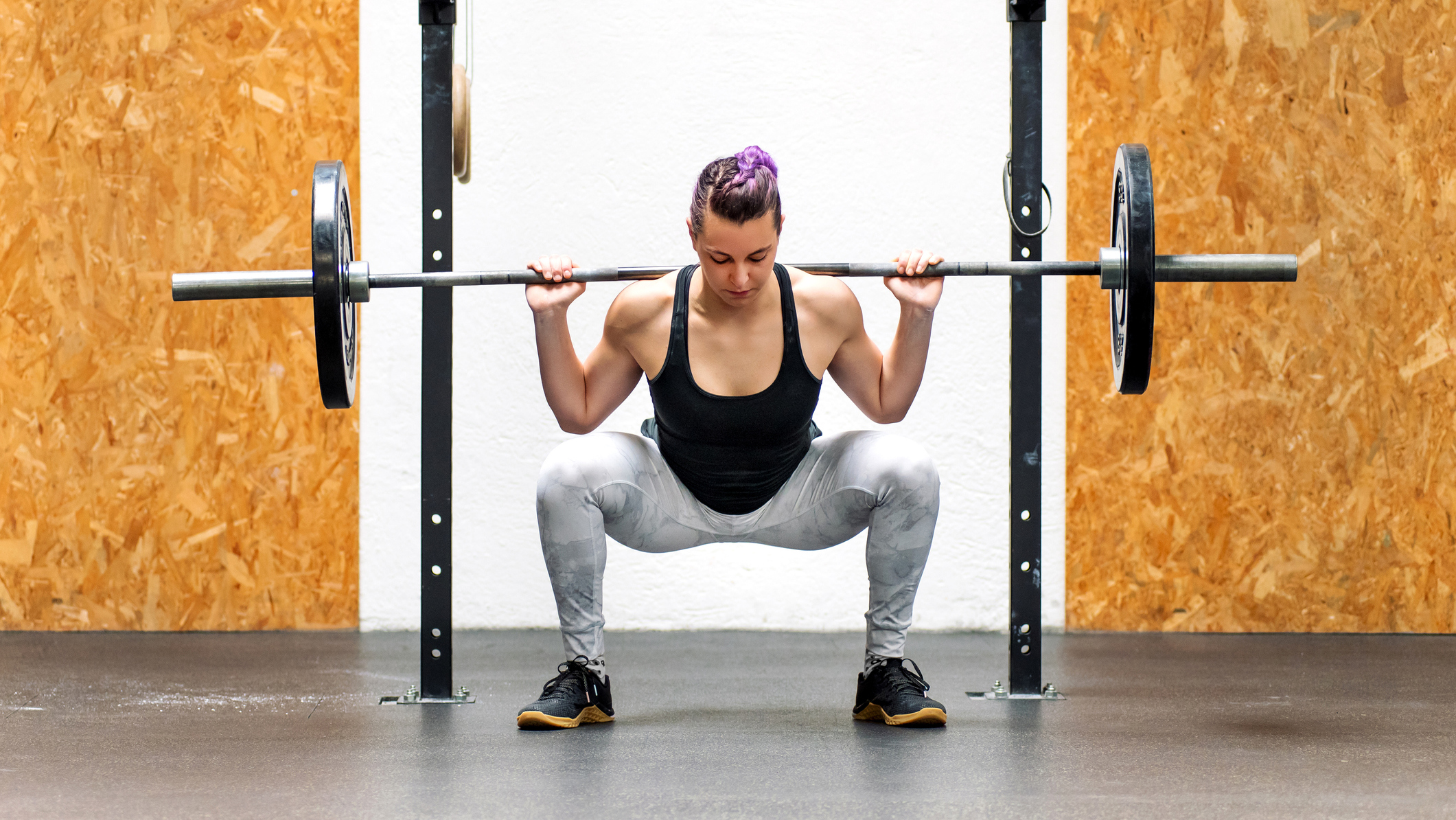
Proper form and technique are crucial for safe and effective barbell squats. They help you target the right muscles and reduce injury risk. Good form also improves your strength and balance over time.
Focus on each part of the squat carefully. Small details in stance, bar position, and breathing make a big difference. Learning to avoid common mistakes ensures steady progress.
Foot Position And Stance
Place your feet shoulder-width apart for a strong base. Point your toes slightly outward, about 15 to 30 degrees. This helps your knees track correctly during the squat. Keep your weight evenly on your heels and midfoot. This stance keeps you stable and balanced.
Bar Placement Options
There are two main bar positions: high bar and low bar. High bar sits on your traps, just below the neck. It keeps your torso more upright during the squat. Low bar rests across your rear delts, lower on your back. It allows you to lean forward slightly more. Choose the bar placement that feels comfortable and safe.
Breathing And Bracing
Take a deep breath before you lower down. Hold your breath to brace your core muscles. This creates tension and protects your spine. Exhale slowly as you push back up to standing. Proper breathing helps maintain stability and power through the movement.
Common Mistakes To Avoid
Do not let your knees collapse inward. This puts stress on your joints and weakens your form. Avoid rounding or arching your lower back excessively. Keep a neutral spine throughout the squat. Don’t let your heels lift off the ground. Keep your feet flat for balance. Avoid shallow squats; aim to lower your hips below parallel.
Progression And Variations
Barbell squats are powerful for building strength. Progression and variations keep your workouts fresh and effective. You can change the challenge by adding weight or trying new forms. These changes help muscles grow and improve your skills.
Adding Weight Safely
Start with light weights to learn good form. Slowly increase the weight as you get stronger. Use a spotter or safety bars for protection. Never rush to lift heavy weights. Control and technique come first to avoid injury.
Pause Squats And Tempo Variations
Pause squats mean stopping for a moment at the bottom. This builds strength and control in the hardest part. Tempo variations change how fast you squat down and up. Slow movements increase muscle time under tension. These methods improve power and focus.
Front Squats Vs Back Squats
Front squats place the bar on your shoulders’ front. They work your quads and core more. Back squats put the bar on your upper back. They target glutes and hamstrings strongly. Both types build lower body strength but feel different.
Incorporating Squats Into Workouts
Squats fit well in many workout plans. Use them in strength training or full-body routines. Combine with lunges, deadlifts, or jumps for variety. Rest well between sets to keep energy high. Regular practice leads to steady improvement.
Injury Prevention And Safety Tips
Barbell squats are powerful exercises for strength and muscle growth. Safety and injury prevention are key to long-term progress. Proper techniques and habits reduce risk and keep your body healthy. Follow these important tips to squat safely and confidently.
Warm-up Strategies
Warming up prepares your muscles and joints for squats. Start with light cardio like walking or cycling for five minutes. Perform dynamic stretches such as leg swings and bodyweight squats. Warm muscles prevent strains and improve movement quality.
Mobility And Flexibility
Good mobility helps you reach proper squat depth without pain. Focus on ankle, hip, and thoracic spine flexibility. Use stretches like lunges and hamstring stretches regularly. Better mobility lowers stress on joints and reduces injury risk.
Using Spotters And Equipment
Spotters add safety during heavy lifts. They can assist if you lose balance or strength. Use safety bars or a squat rack for extra protection. Proper equipment supports safe lifting and builds confidence.
Listening To Your Body
Pay attention to pain and discomfort signals. Stop if you feel sharp or unusual pain. Rest and recover if muscles or joints feel tired. Gradual progress keeps you strong and injury-free.
Frequently Asked Questions
What Muscles Do Barbell Squats Target?
Barbell squats primarily target the quadriceps, hamstrings, glutes, and lower back muscles. They also engage the core for stability. This compound exercise builds strength and muscle mass efficiently. It improves overall lower body power and functional movement.
How Do Barbell Squats Improve Athletic Performance?
Barbell squats enhance leg strength, power, and explosiveness. These benefits improve running speed, jumping ability, and overall athleticism. Squats also increase core stability and balance, crucial for most sports. Regular squatting helps prevent injuries by strengthening supporting muscles and joints.
Are Barbell Squats Good For Weight Loss?
Yes, barbell squats burn significant calories by engaging large muscle groups. They boost metabolism through increased muscle mass. Squats also improve hormonal response, aiding fat loss. Incorporating squats into workouts promotes effective and sustainable weight management.
How Do Barbell Squats Improve Posture?
Barbell squats strengthen the core, back, and lower body muscles that support proper posture. Improved muscle balance reduces slouching and spinal misalignment. Consistent squatting promotes a strong, upright stance and decreases back pain linked to poor posture.
Conclusion
Barbell squats build strong legs and improve overall fitness. They help burn calories and tone muscles fast. Squats also strengthen your core and improve balance. Many athletes use squats to boost their power and speed. Doing squats regularly can prevent injuries and support daily activities.
Start with light weights and increase as you get stronger. Keep your form correct to avoid pain. Squats are simple but very effective for your health. Try adding barbell squats to your workout routine today.
