Are you wondering if you can do single-leg exercises on a leg press machine? You’re not alone.
Many people want to know if this approach can boost their strength, fix muscle imbalances, or improve their workout results. The idea sounds simple, but there are important things you need to consider before trying it. Keep reading to discover how single-leg leg press exercises work, the benefits they offer, and the best way to do them safely and effectively.
Today's Exclusive Deals
Limited-time Exclusive Deals. Check current discount on Amazon.
Check Price on Amazon As an Amazon Associate I earn from qualifying purchases.This could change the way you train your legs forever.
Benefits Of Single-leg Exercises
Single-leg exercises offer unique benefits that improve your overall fitness. They target muscles differently than two-leg exercises. This helps fix imbalances and builds strength in each leg separately.
Using single-leg movements on a leg press machine can enhance your workout. It challenges your muscles, balance, and coordination more effectively. This section explains the main benefits of single-leg exercises.
Today's Exclusive Deals
Limited-time Exclusive Deals. Check current discount on Amazon.
Check Price on Amazon As an Amazon Associate I earn from qualifying purchases.Improved Muscle Balance
Single-leg exercises help even out muscle strength between legs. They prevent one leg from becoming stronger than the other. This balance reduces injury risk during sports or daily activities. It also improves posture and movement quality.
Enhanced Stability And Coordination
Working one leg at a time forces your body to stabilize itself. This trains smaller muscles and improves joint control. Better stability lowers the chance of falls and injuries. Coordination between muscles and nerves also gets stronger.
Increased Strength And Power
Single-leg leg press exercises build more strength in each leg separately. This leads to greater power during running, jumping, and lifting. The focused effort on one leg boosts muscle growth and endurance faster.
Leg Press Machine Basics
The leg press machine is a common piece of gym equipment. It helps strengthen your legs safely and efficiently. Understanding the basics of this machine can improve your workout and prevent injuries. This section covers how the machine works, types of leg press machines, and the key muscles it targets.
Today's Exclusive Deals
Limited-time Exclusive Deals. Check current discount on Amazon.
Check Price on Amazon As an Amazon Associate I earn from qualifying purchases.How The Machine Works
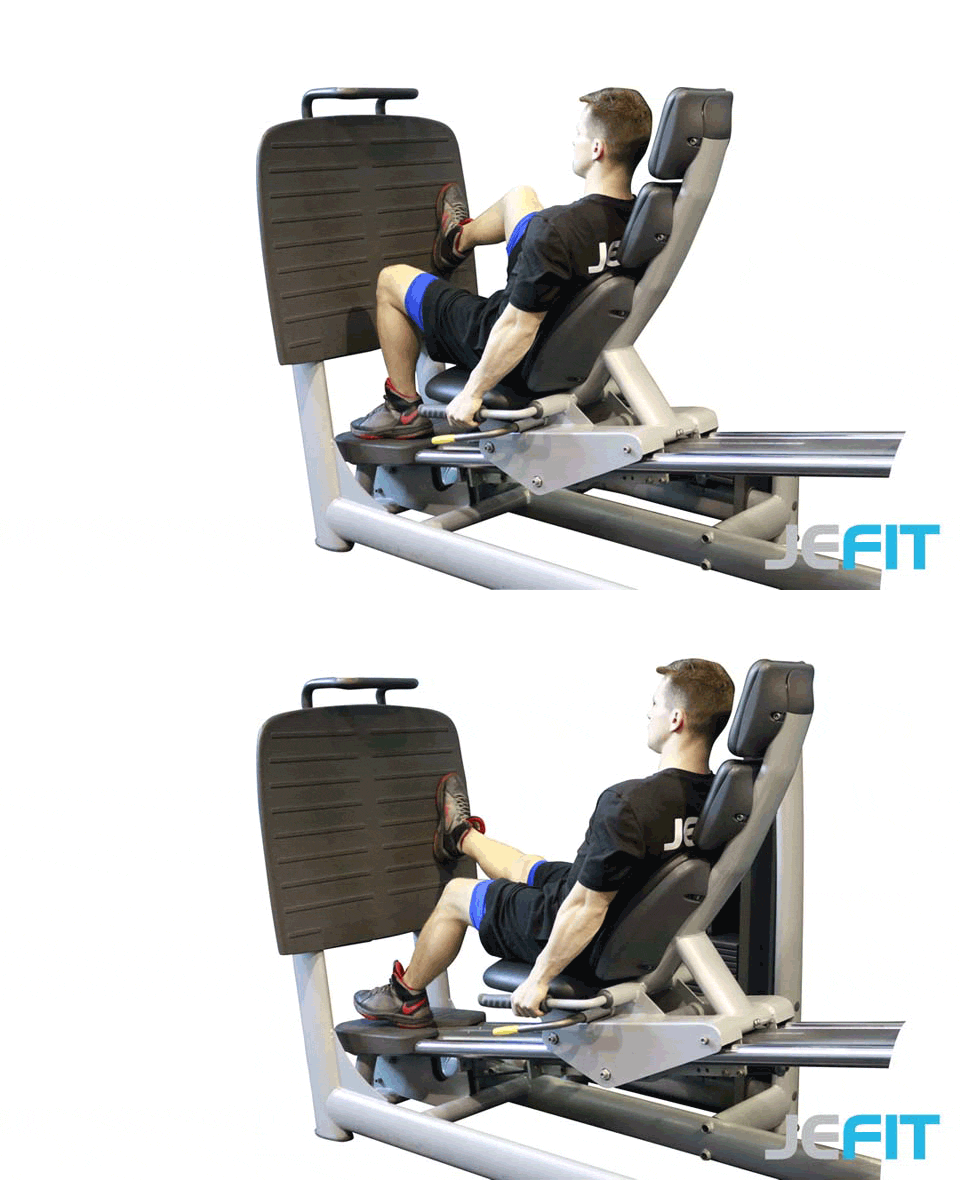
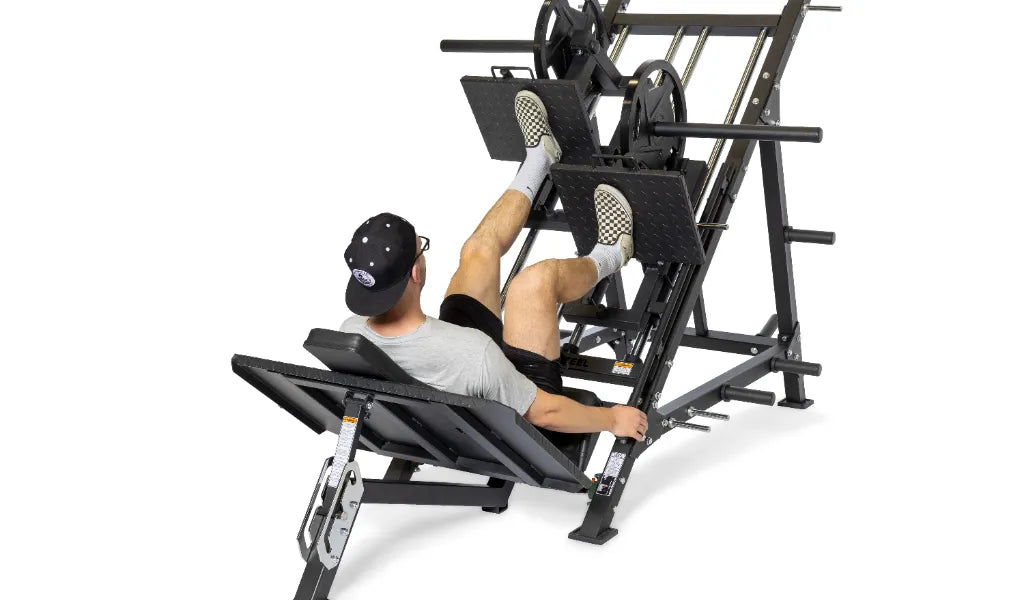
The leg press machine uses a weighted platform to provide resistance. You push the platform away using your legs. This action works the muscles without putting stress on your back. The seat and platform adjust to fit different body sizes. The movement mimics a squat but with more support.
Types Of Leg Press Machines
There are three main types of leg press machines. The first is the seated leg press, where you push the platform while sitting upright. The second is the 45-degree leg press, which places your body at an angle. The third is the horizontal leg press, where you push straight forward. Each type offers a slightly different workout experience.
Key Muscle Groups Targeted
The leg press mainly works the quadriceps on the front of your thighs. It also targets the hamstrings at the back of your legs. The gluteus muscles in your buttocks get a good workout too. Calf muscles help stabilize during the movement. This makes the leg press a strong, balanced leg exercise.
Single-leg Leg Press Technique
Single-leg leg press exercises help balance strength between legs. They focus on one leg at a time, improving muscle control and coordination. Using the leg press machine this way also reduces stress on the lower back. Proper technique is key to avoid injury and get the best results.
Proper Foot Placement
Place your foot in the center of the platform. Keep your heel flat and toes slightly pointed outward. Avoid placing your foot too high or too low. This helps target the right muscles and keeps your knee safe. Your foot should stay steady during the entire movement.
Body Positioning Tips
Sit with your back flat against the seat. Keep your hips and glutes firmly in place. Your supporting leg should rest comfortably on the machine. Hold the handles to stabilize your upper body. Maintain a slow and controlled pace throughout the exercise.
Common Mistakes To Avoid
Do not lock your knee at full extension. Avoid letting your knee collapse inward. Do not lift your hips off the seat. Avoid using too much weight that causes poor form. Prevent quick, jerky movements to reduce injury risk.
Safety Considerations
Single-leg exercises on a leg press machine can be effective but require careful attention to safety. Using one leg at a time changes the balance and load on your body. This makes safety measures very important to avoid injuries and get the best results.
Understanding how to choose the right weight, get proper support, and prevent injuries will help you exercise safely and confidently.
Weight Selection Guidelines
Choose a lighter weight than you use for both legs. Single-leg work places more stress on each leg. Start with a weight that feels easy and increases slowly. Avoid pushing too hard at first. Gradually raise the weight as your strength improves.
Spotting And Support
Use handles or grips on the machine to keep balance. Keep your back firmly against the seat to stay stable. Having a workout partner nearby can help in case you lose control. They can assist or stop the machine quickly if needed. Always stay focused during the exercise.
Injury Prevention Strategies
Warm up well before starting single-leg presses. Stretch and do light exercises for your legs. Keep your movements slow and controlled. Avoid locking your knee at the top of the press. Listen to your body and stop if you feel pain. Rest between sets to reduce muscle strain.
Workout Routines With Single-leg Press
Single-leg exercises on a leg press machine offer a focused way to build strength and balance. These workouts target each leg individually. They help fix muscle imbalances and improve overall leg power. You can create simple or complex routines based on your fitness level. This section shows some effective workout plans using the single-leg press.
Beginner-friendly Workouts
Start with light weights to avoid strain. Use one leg at a time, pressing slowly and steadily. Perform 2 sets of 10 repetitions per leg. Rest for one minute between sets. Keep your back flat against the seat. Focus on controlled movement to build strength safely. Repeat this routine twice a week to see progress.
Advanced Training Plans
Increase the weight gradually for more challenge. Try 3 to 4 sets of 12 repetitions per leg. Add a pause at the bottom of each press for extra muscle tension. Use a slower tempo to improve control and endurance. Train each leg separately to prevent one side from dominating. Include these exercises in your routine 3 times weekly for best results.
Integrating With Other Exercises
Combine single-leg presses with bodyweight exercises like lunges and step-ups. This mix improves balance, strength, and coordination. Add hamstring curls or calf raises for full leg development. Use a circuit style workout to keep your heart rate high. This approach makes your training more effective and time-efficient.
Alternatives To Single-leg Leg Press
Single-leg leg presses are a popular way to build strength and balance. Sometimes, access to a leg press machine is limited. Other times, the machine may not suit your needs. Luckily, several alternatives exist that target the same muscles effectively.
These alternatives use different equipment or your body weight. They can improve your leg strength, stability, and coordination. You can try them at home or in the gym. Here are some effective options to consider.
Free Weight Options
Free weights allow great control and variety. Dumbbell lunges focus on one leg at a time. They work your quads, glutes, and hamstrings. Bulgarian split squats are another solid choice. They help build strength and balance in each leg. Using a barbell for step-ups also targets similar muscles. These moves improve stability and coordination.
Bodyweight Exercises
Bodyweight exercises require no equipment. Single-leg squats challenge your balance and strength. They also engage your core muscles. Step-ups on a bench or sturdy surface work the legs well. Wall sits on one leg build endurance and control. These exercises are simple and effective for leg training.
Using Resistance Bands
Resistance bands offer adjustable tension and portability. Band-resisted leg extensions target the front thigh muscles. Band side steps strengthen hips and outer thighs. Single-leg bridges with bands engage glutes and hamstrings. Bands improve muscle activation and add variety to workouts.

Frequently Asked Questions
Can I Safely Perform Single-leg Presses On A Leg Press Machine?
Yes, you can safely do single-leg presses on a leg press machine. Start with lighter weights to maintain control. Ensure proper foot placement and avoid locking your knee. This exercise improves unilateral strength and balance effectively when done correctly.
What Are The Benefits Of Single-leg Leg Press Exercises?
Single-leg leg presses enhance muscle balance and correct strength imbalances. They target each leg independently, improving stability and coordination. This exercise also reduces the risk of injury and boosts overall leg strength, making it a valuable addition to your workout routine.
How Do I Adjust The Leg Press Machine For Single-leg Use?
To adjust for single-leg use, reduce the weight load first. Place one foot in the center of the platform. Keep your other leg relaxed and off the machine. Adjust the seat for comfortable knee alignment and range of motion.
Are Single-leg Presses Better Than Double-leg Leg Presses?
Single-leg presses target each leg individually, improving balance and muscle symmetry. Double-leg presses allow heavier loads but may mask imbalances. Both have benefits; combining them optimizes strength and stability in your leg training.
Conclusion
Single-leg exercises on a leg press machine are safe and effective. They help improve balance and fix muscle imbalances. Start with light weights to avoid injury. Focus on controlled movements for best results. This method strengthens each leg individually. It also prepares your muscles for daily activities.
Keep your form correct to prevent strain. Try adding these exercises to your routine today. Small steps lead to strong legs.