If you want to build strength, improve your posture, and burn calories all at once, deadlifting with dumbbells is a powerful move you need to master. But maybe you’re wondering how to do it safely and effectively without a barbell or fancy gym equipment.
This guide will show you exactly how to deadlift with dumbbells step-by-step, so you can get the most out of every rep. Stick with me, and you’ll soon feel stronger, more confident, and ready to take your workouts to the next level.
Let’s dive in!
Benefits Of Dumbbell Deadlifts
Dumbbell deadlifts offer many benefits for strength and fitness. They help build muscle, improve balance, and increase flexibility. This exercise fits well in any workout plan. Dumbbells allow a natural movement that feels comfortable. You can adjust weights easily to match your level. Here are some key benefits of dumbbell deadlifts.
Muscle Groups Targeted
Dumbbell deadlifts work several muscle groups at once. They mainly target the hamstrings, glutes, and lower back. Your core muscles also engage to keep you stable. The forearms and grip strength improve as you hold the dumbbells. This makes the exercise very effective for total body strength.
Advantages Over Barbell Deadlifts
Dumbbells let you move with a greater range of motion. They reduce stress on your joints compared to barbells. You can use lighter weights safely to focus on form. Dumbbells also fit better in small spaces. This makes them ideal for home workouts and beginners.
Improved Stability And Balance
Each arm works independently with dumbbells. This helps fix strength imbalances between sides. Your stabilizer muscles get stronger from controlling the weights. Balance improves as you keep steady throughout the lift. This benefit carries over to other sports and daily tasks.

Choosing The Right Dumbbells
Choosing the right dumbbells is key for a safe and effective deadlift. The right weight and type help you keep good form. They also reduce injury risk and improve workout results. Picking dumbbells that fit your strength and goals makes deadlifting easier and more enjoyable.
Weight Selection Tips
Start with a weight you can lift with good form. Choose dumbbells that let you do 8 to 12 reps without strain. Increase weight slowly as you get stronger. Avoid weights that feel too heavy or too light. The right weight challenges your muscles but lets you stay steady.
Types Of Dumbbells Suitable For Deadlifts
Fixed-weight dumbbells are common and easy to use. They come in many sizes and are good for beginners. Adjustable dumbbells save space and let you change weight fast. Rubber-coated dumbbells protect floors and reduce noise. Choose dumbbells with a comfortable grip for better control.
Correct Deadlift Stance
The correct deadlift stance is key to a safe and effective workout. It sets the foundation for your form and balance. A good stance helps you lift more weight and avoid injuries. Pay close attention to foot placement and grip. These two factors influence your stability and control during the lift.
Foot Placement
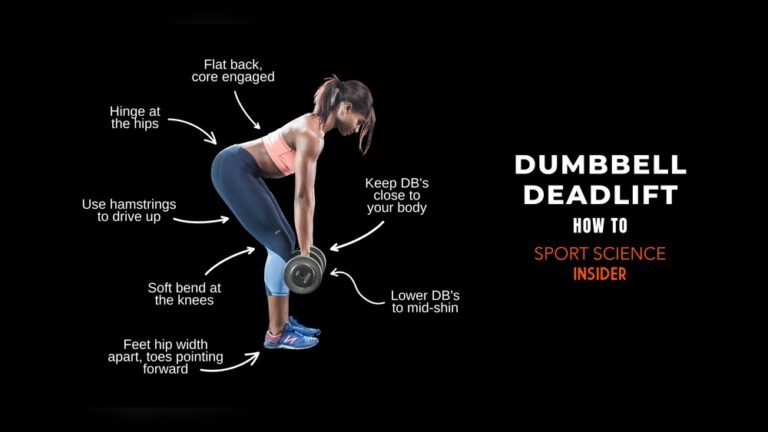
Place your feet about hip-width apart. Keep them flat on the floor for stability. Your toes should point slightly outward. This angle allows better hip movement. Keep your weight evenly distributed across your feet. Avoid letting your heels or toes lift off the ground. A strong base helps you push through your heels when lifting.
Grip Options
Hold the dumbbells firmly at your sides. You can use a neutral grip, with palms facing each other. This grip feels natural and reduces wrist strain. Another option is the overhand grip, palms facing your body. Choose the grip that feels most comfortable. A solid grip improves control and power during the deadlift.
Step-by-step Deadlift Technique
Learning the correct deadlift technique with dumbbells is important for safety and results. Follow these simple steps to perform the deadlift right. Proper form helps prevent injuries and builds strength effectively.
Starting Position
Stand with feet hip-width apart. Hold a dumbbell in each hand, palms facing your body. Keep your arms straight and relaxed. Bend your knees slightly and push your hips back. Keep your back flat and chest up. Look straight ahead. This is your ready position.
Executing The Lift
Push through your heels to lift the dumbbells. Straighten your hips and knees at the same time. Keep the dumbbells close to your legs. Maintain a flat back and tight core. Stand tall with your shoulders back. Avoid leaning forward or rounding your back.
Lowering The Dumbbells Safely
Bend your hips first, pushing them back. Then bend your knees slightly. Lower the dumbbells slowly and close to your legs. Keep your back straight and chest up. Do not drop the weights quickly. Control the movement to protect your lower back.
Common Form Mistakes
Deadlifting with dumbbells is effective but tricky. Many people make form mistakes that can cause pain or injury. Fixing these errors improves your workout and keeps you safe. Focus on key areas like your back, knees, and head position.
Rounded Back
A rounded back puts stress on your spine. It often happens if you lift with your arms instead of hips. Keep your chest up and shoulders back. Your spine should stay straight from neck to hips. This protects your back and helps you lift better.
Knee Positioning Errors
Knees too far forward strain your joints and reduce power. Keep your knees slightly behind your toes. They should track in line with your feet. Avoid locking or letting knees cave inward. Proper knee position helps you lift safely and efficiently.
Improper Head Alignment
Looking up or down strains your neck. Keep your head neutral, aligned with your spine. Imagine holding a small ball under your chin. This keeps your neck relaxed and supports good posture during the lift.
:max_bytes(150000):strip_icc()/SHP_090922_Row-2000-7c737ca8474c4388b7ffbe8ef3db56ae.jpg)
Enhancing Performance
Enhancing your deadlift performance with dumbbells requires focus on key techniques. These help improve strength, control, and safety. Small adjustments lead to better results and fewer injuries. Concentrate on breathing, core strength, and movement speed to boost your workout.
Breathing Techniques
Breathing correctly supports your muscles during lifts. Breathe in deeply before you lift. Hold your breath as you pull the dumbbells up. Exhale slowly after you reach the top. This method stabilizes your body and protects your spine.
Core Engagement
Your core keeps your body steady during the deadlift. Tighten your stomach muscles before you start lifting. Keep your abs active throughout the move. A strong core helps maintain balance and prevents injury.
Using Tempo For Strength Gains
Control the speed of your movement to build strength. Lower the dumbbells slowly, counting to three. Pause briefly at the bottom. Lift the weights back up with steady power. This tempo increases muscle tension and improves growth.
Integrating Dumbbell Deadlifts Into Workouts
Integrating dumbbell deadlifts into your workouts can boost strength and muscle tone. This exercise targets multiple muscle groups, including the back, legs, and core. Using dumbbells offers flexibility and allows for a natural range of motion. It fits well into many workout styles, from full-body to strength training routines. Proper planning helps avoid injury and improves results.
Warm-up Suggestions
Start with light cardio for 5 to 10 minutes. Jumping jacks or brisk walking work well. Follow with dynamic stretches like leg swings and hip circles. Perform bodyweight squats to activate leg muscles. Add gentle back stretches to prepare your spine. Warm muscles reduce injury risk and improve movement.
Sample Workout Routines
Try 3 sets of 10 to 12 dumbbell deadlifts. Rest for 60 seconds between sets. Combine with lunges and planks for balanced training. For strength, increase dumbbell weight gradually. For endurance, do 3 sets of 15 reps with lighter weights. Mix dumbbell deadlifts in lower body or full-body workouts.
Recovery Tips
Cool down with light stretching focused on hamstrings and lower back. Drink water to stay hydrated. Rest muscles at least 48 hours before heavy lifting again. Use foam rolling to ease muscle tension. Getting enough sleep helps muscles repair and grow. Recovery supports progress and prevents soreness.

Frequently Asked Questions
How Do You Properly Position Dumbbells For Deadlifts?
Hold dumbbells at your sides with palms facing your body. Keep them close to your legs throughout the movement for stability and control.
What Muscles Do Dumbbell Deadlifts Target Effectively?
Dumbbell deadlifts primarily work the glutes, hamstrings, lower back, and core muscles. They also engage forearms and grip strength.
Can Beginners Safely Perform Dumbbell Deadlifts At Home?
Yes, beginners can safely do dumbbell deadlifts by starting with light weights and focusing on proper form to prevent injury.
How Many Reps And Sets Are Ideal For Dumbbell Deadlifts?
Start with 3 sets of 8 to 12 reps. Adjust based on your fitness level and strength goals.
Conclusion
Deadlifting with dumbbells builds strength and improves posture. It also helps tone muscles in your legs and back. Start with light weights to learn the right form. Keep your back straight and move slowly. Practice regularly to see steady progress.
Stay patient and listen to your body. Enjoy the benefits of a safer, effective workout. Dumbbell deadlifts fit well in any home routine. Try it today and feel stronger each day.
