Are you wondering if the barbell bench press really works for building strength and muscle? You’ve probably heard it’s a classic move in the gym, but does it deliver the results you want?
Whether you’re aiming for bigger chest muscles, improved upper body power, or better overall fitness, understanding how this exercise affects your body is key. Keep reading, and you’ll discover what makes the barbell bench press so effective—or why it might not be the best choice for you.
Your workout results depend on knowing the truth behind this popular lift.
Barbell Bench Press Basics
The barbell bench press is a popular exercise in many workout routines. It builds upper body strength and muscle size. Knowing the basics helps you perform it safely and effectively. This section covers the key points about the barbell bench press.
Muscles Targeted
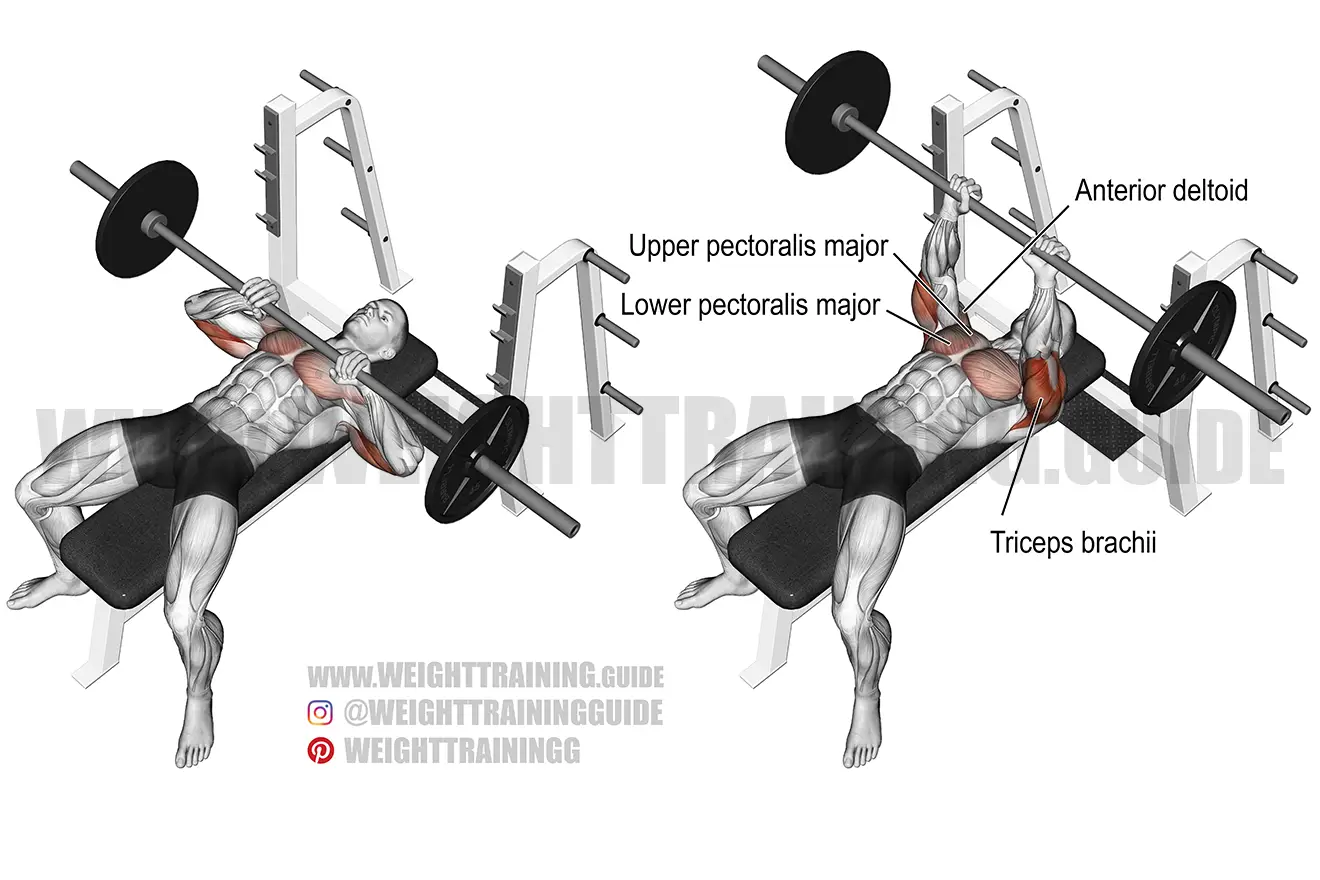
The bench press mainly works the chest muscles. It also targets the shoulders and triceps. The chest muscles push the barbell up. The shoulders help with lifting. The triceps extend the arms during the press. This combination makes the bench press a strong upper body builder.
Proper Form
Start by lying flat on the bench. Place your feet firmly on the ground. Grip the barbell slightly wider than shoulder-width. Keep your back slightly arched and shoulder blades together. Lower the bar slowly to your chest. Press the bar back up until your arms are straight. Control is key to avoid injury and gain strength.
Common Mistakes
Many people lift with poor form. One mistake is bouncing the bar off the chest. This can cause injury and reduces effectiveness. Another error is flaring elbows out too wide. It strains the shoulders and lowers power. Lifting hips off the bench is also wrong. It reduces stability and risks back injury. Focus on steady, controlled movements instead.
Strength Benefits
The barbell bench press is a popular exercise for building strength. It targets many muscles in the upper body. This lift helps increase muscle power and endurance. It also improves stability and balance. Strength gains from this exercise benefit daily tasks and sports.
Building Upper Body Power
The bench press mainly works the chest, shoulders, and triceps. Lifting heavy weights builds muscle size and strength. Stronger muscles allow you to push harder and lift more. This power helps in pushing movements in sports and daily life. It also improves your ability to handle heavy objects safely.
Improving Core Stability
Keeping your body steady on the bench requires core strength. Your abs and lower back work hard to keep balance. A strong core supports better posture during the lift. It also lowers the risk of injury. Core stability gained from bench pressing helps in many other exercises and activities.
Enhancing Athletic Performance
The bench press trains muscles used in many sports. It improves upper body speed and strength. This boost helps in sports like football, basketball, and wrestling. Stronger muscles improve your reaction time and power. Overall, it makes you a more effective athlete.
Muscle Growth Potential
The muscle growth potential of the barbell bench press is significant. This exercise targets the chest, shoulders, and triceps. It helps build strength and size in these muscles. The bench press allows lifting heavy weights, which is crucial for muscle growth. Consistency and proper technique increase its effectiveness.
Understanding how muscle grows during this exercise helps maximize results. Muscle fibers get small tears from lifting. The body repairs these fibers, making them stronger and bigger. This process is called hypertrophy. The bench press is a great tool to stimulate hypertrophy in the upper body.
Hypertrophy Effects
Barbell bench press causes muscle fibers to break down. Repairing these fibers leads to bigger muscles. It mainly works the pectoral muscles, anterior deltoids, and triceps. Using moderate to heavy weights with controlled reps promotes hypertrophy. Slow and steady movements increase muscle tension and growth.
Performing 6-12 reps per set is ideal for muscle growth. Rest between sets helps muscles recover and prepare for the next lift. Over time, muscles adapt and become larger and stronger.
Progressive Overload Strategies
Progressive overload means increasing the weight or reps gradually. This forces muscles to adapt and grow. Adding small weight increments each week works well. Increasing the number of reps or sets also challenges muscles.
Tracking progress is important to avoid plateaus. Changing grip width or bench angle can target muscles differently. Variety in training helps continuous muscle growth and prevents boredom.
Recovery And Nutrition
Muscle growth happens outside the gym during recovery. Proper rest allows muscles to repair and grow. Getting 7-9 hours of sleep supports recovery. Avoid overtraining by taking rest days between bench press workouts.
Nutrition plays a key role in muscle repair. Eating enough protein helps rebuild muscle fibers. Carbohydrates provide energy for intense workouts. Staying hydrated supports overall muscle function and recovery.
Variations To Boost Gains
The barbell bench press is a classic exercise for building chest strength. Changing how you do it can help you grow muscles faster. Variations target different parts of the chest and arms. They also reduce workout boredom.
Try these bench press types to boost your gains and keep your muscles guessing.
Incline And Decline Press
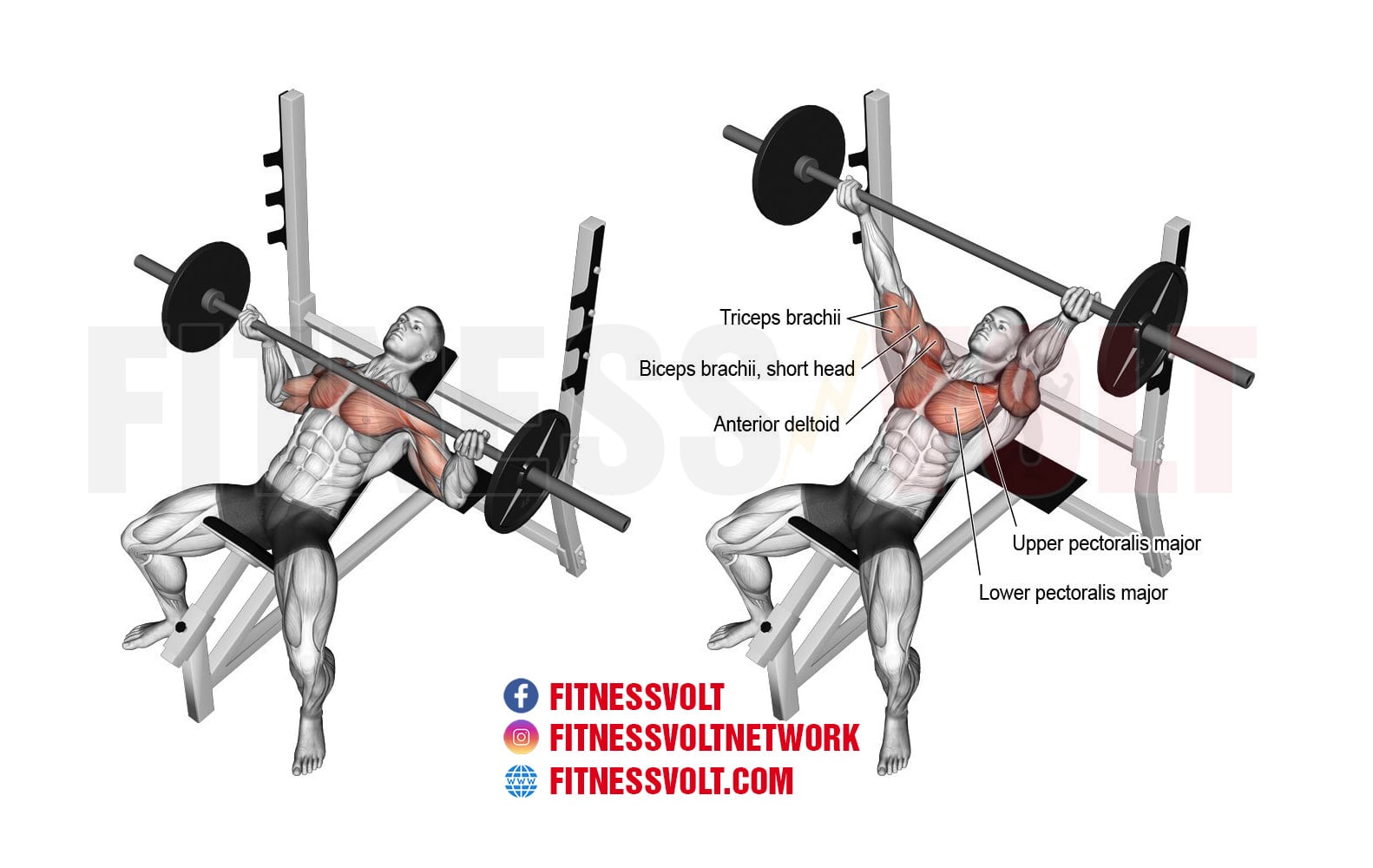
The incline bench press works the upper chest and shoulders more. Set the bench at a 30 to 45-degree angle. This change helps create a fuller chest look.
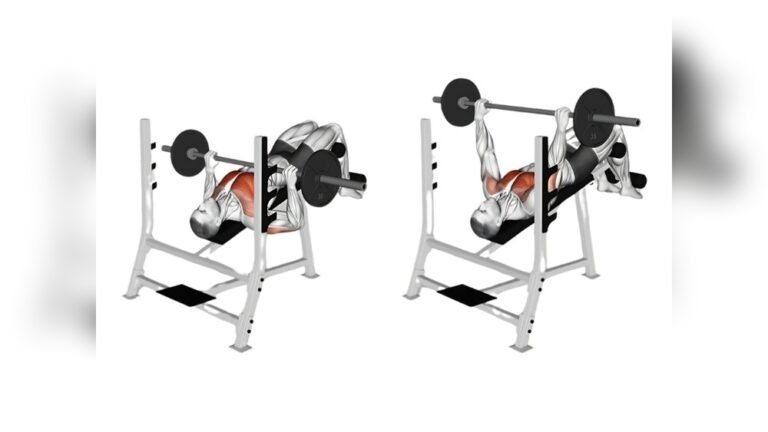
The decline bench press targets the lower chest. It reduces shoulder strain for some lifters. Adjust the bench downwards to perform this press. Both variations add balance to your chest workout.
Close-grip Bench Press
Place your hands closer on the bar for this press. It shifts focus to the triceps and inner chest. This variation builds stronger arms and more pressing power. Keep your elbows close to your body during the lift.
Close-grip presses improve lockout strength in the bench press movement.
Paused And Tempo Reps
Pause at the bottom of the lift for one to two seconds. This eliminates momentum and increases muscle tension. Tempo reps slow down the movement, focusing on control. Use a 3-1-3 count: three seconds down, one-second pause, three seconds up.
These techniques boost muscle growth and improve bench press form.
Injury Prevention Tips
Barbell bench press is a powerful exercise for building chest strength. It also carries some risks if not done carefully. Injury prevention is key to keep lifting safely and effectively. Following simple tips can protect your muscles and joints.
Warm-up Routines
Always start with a warm-up before bench pressing. Light cardio and dynamic stretches prepare your muscles. Use lighter weights to practice the movement. This increases blood flow and reduces injury risk. Warm muscles handle stress better during heavy lifts.
Spotter Importance
A spotter watches and helps during your bench press. They catch the bar if you struggle. This prevents accidents and serious injuries. A spotter also gives you confidence to lift heavier. Never bench press alone without proper safety measures.
Shoulder Health
Shoulders take much strain in bench pressing. Keep your shoulders stable and controlled. Avoid flaring elbows too wide to protect joints. Strengthen rotator cuff muscles with specific exercises. Good shoulder health improves performance and lowers injury chances.
Integrating Bench Press In Workouts
Integrating the barbell bench press into your workout routine helps build upper body strength. It targets the chest, shoulders, and triceps effectively. Proper integration ensures balanced muscle growth and reduces the risk of injury.
Using the bench press correctly with other exercises creates a well-rounded workout plan. Tracking your progress keeps you motivated and helps you improve steadily.
Frequency And Volume
Perform the bench press two to three times a week for good results. Keep sessions spaced out to allow muscle recovery. Start with moderate weight and increase gradually. Aim for three to four sets per session. Each set should have 6 to 12 reps. This range builds strength and muscle size efficiently.
Combining With Other Exercises
Pair the bench press with exercises for the back and legs. This balance prevents muscle imbalances and supports overall fitness. Include rows, pull-ups, and squats. These exercises complement the pressing motion. Also, add shoulder and arm work to avoid weak points.
Tracking Progress
Keep a workout journal or use an app to log your bench press sets and reps. Note the weight lifted and how you feel during each session. Tracking helps spot improvements and plateaus. Adjust your plan based on the data. Consistent tracking leads to steady progress and better gains.

Frequently Asked Questions
Does Barbell Bench Press Build Chest Muscles Effectively?
Yes, the barbell bench press targets the pectoral muscles directly. It promotes muscle growth and strength in the chest area efficiently.
How Does Barbell Bench Press Improve Upper Body Strength?
It engages multiple upper body muscles, including shoulders and triceps. This compound movement enhances overall upper body strength and stability.
Can Barbell Bench Press Help With Muscle Endurance?
Yes, performing higher repetitions with moderate weight boosts muscle endurance. It trains muscles to sustain effort over longer periods.
Is Barbell Bench Press Safe For Beginners?
When done with proper form and moderate weight, it’s safe. Beginners should focus on technique and consider professional guidance initially.
Conclusion
The barbell bench press builds chest and arm strength well. It works many muscles at once, helping you get stronger. Proper form is key to avoid injuries and get results. Consistency matters; regular practice brings steady progress. Combine it with other exercises for balanced fitness.
Keep your goals clear and track your improvements. This simple lift fits many workout plans easily. Try it, stay safe, and watch your strength grow.
