
Are you feeling knee pain after using leg press machines? You’re not alone.
Many people wonder if these popular gym machines could be the cause of their discomfort. Understanding how leg press machines affect your knees is key to protecting your joints and staying pain-free. You’ll discover the real reasons behind knee pain linked to leg presses and simple steps you can take to avoid injury.
Keep reading to learn how to keep your knees strong and healthy every time you work out.
Leg Press Basics
The leg press machine is a popular gym tool. It helps build strength in the legs. Many people use it to target muscles like the quads, hamstrings, and glutes. Understanding how it works can help prevent injuries, like knee pain. Knowing the basics ensures safer and more effective workouts.
How Leg Press Machines Work
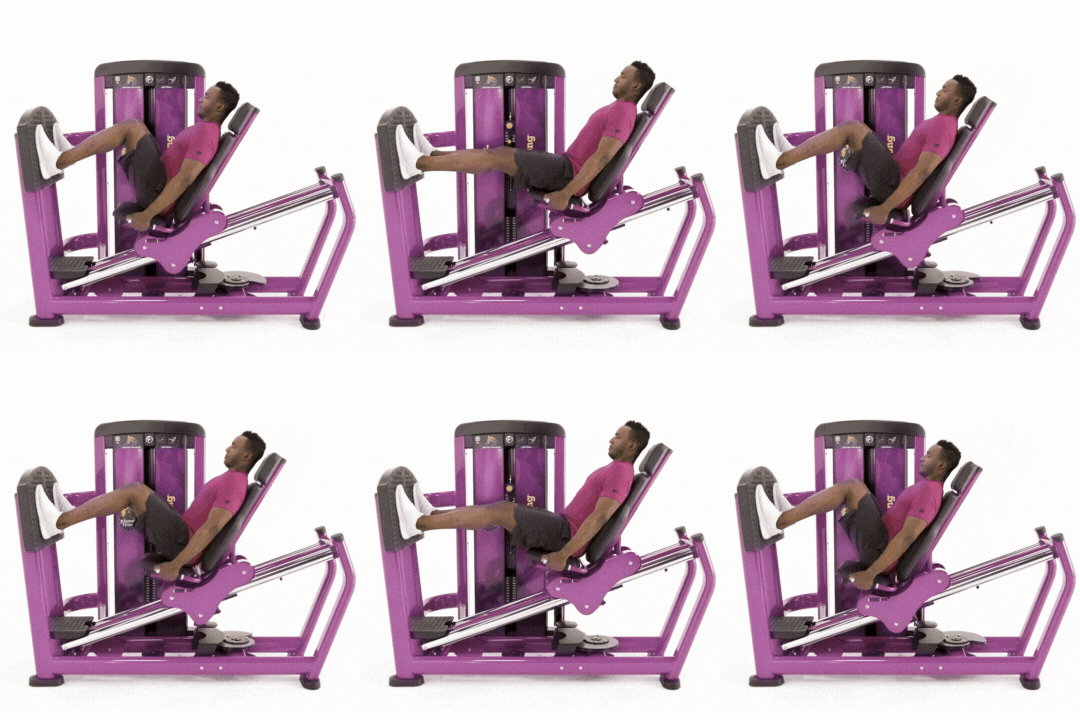
The leg press machine uses a sled or platform that moves on tracks. You sit on a seat and push the platform with your feet. This action works the leg muscles by creating resistance. The weight on the machine can be adjusted to match your strength. It allows for controlled, guided movement, which helps with stability. This makes it easier for beginners to perform leg exercises safely.
Common Variations Of Leg Press
There are several types of leg press machines. The most common is the horizontal leg press. Here, you push the platform away horizontally. Another type is the 45-degree leg press. This machine has the platform at an angle. Some gyms offer a vertical leg press where you push upward. Each type targets the leg muscles slightly differently. Trying different machines can help find what feels best for your knees.

Knee Anatomy And Stress Points
The knee is a complex joint that supports body weight and allows movement. Understanding its anatomy helps explain how stress affects it during exercises. The knee has bones, cartilage, ligaments, and tendons working together.
Stress points in the knee can cause pain if overloaded. The leg press machine can put pressure on these areas depending on how you use it. Knowing the key structures and their roles helps prevent injury.
Key Knee Structures Involved
The knee has three main bones: femur, tibia, and patella. Cartilage cushions the ends of these bones to reduce friction. The menisci are two C-shaped pieces of cartilage that act as shock absorbers.
Ligaments connect bones and provide stability. The anterior cruciate ligament (ACL) and posterior cruciate ligament (PCL) stop the knee from moving too much forward or backward. The medial collateral ligament (MCL) and lateral collateral ligament (LCL) prevent sideways movement.
Tendons attach muscles to bones. The quadriceps tendon connects the front thigh muscles to the patella, and the patellar tendon links the patella to the tibia. These tendons help control knee movement during leg press exercises.
Impact Of Leg Press On Knee Joints
The leg press targets the quadriceps, hamstrings, and glute muscles. The machine pushes the knee joint through a range of motion under load. This can increase pressure on the cartilage and ligaments.
Incorrect foot placement or using too much weight may strain the ACL and menisci. Deep knee bends during the leg press can compress the patella against the femur. This causes pain or irritation in the front knee area.
Controlled movement and proper technique reduce stress on vulnerable parts. Avoid locking the knees at full extension. Keep the knees aligned with the toes to maintain joint stability.
Causes Of Knee Pain From Leg Press
Knee pain from using a leg press machine can have several causes. Understanding these causes helps prevent injury and improve workout results. The leg press targets leg muscles but can strain knees if done incorrectly.
Many factors contribute to knee pain during or after leg press exercises. These include how you position your feet, the amount of weight you use, and your movement range. Existing knee problems also play a role.
Incorrect Foot Placement
Foot placement greatly affects knee stress during leg presses. Placing feet too high or low on the platform changes how forces move through the knee joint. Too low can strain the knees and cause pain. Too high shifts pressure to hips and lower back. Keep feet centered and flat to reduce knee strain.
Excessive Weight Load
Using too much weight forces the knees to work harder. This extra load can cause joint pain and damage over time. Start with light weights and increase gradually. Heavy loads without proper form raise injury risk. Listen to your body and avoid pushing too far.
Improper Range Of Motion
Bending knees too deeply during leg presses can cause pain. Going beyond a 90-degree angle increases pressure on knee ligaments. Shortening the motion too much limits muscle benefits. Find a comfortable, controlled range that does not cause pain.
Pre-existing Knee Conditions
Existing knee issues like arthritis or ligament damage make leg presses riskier. These conditions reduce joint stability and increase pain chances. Consult a doctor before using leg press machines. Modify exercises to protect weak knees and avoid worsening problems.
Signs Of Knee Injury
Recognizing signs of knee injury early helps protect your joint. Knee pain after using leg press machines might indicate a problem. Watch your body closely for changes. Catching symptoms early can prevent serious damage.
Common Symptoms To Watch For
Swelling around the knee is a common sign of injury. Pain that worsens during movement or rest signals concern. Stiffness or difficulty bending the knee can limit activity. Hearing popping or clicking sounds may mean joint trouble. Feeling instability or the knee giving way requires attention.
When To Seek Medical Help
Seek medical help if pain lasts more than a few days. Sudden sharp pain during exercise needs immediate care. Inability to bear weight or walk signals serious injury. Noticeable swelling with redness or warmth calls for a doctor. If the knee locks or catches, consult a healthcare provider.
Preventing Knee Pain On Leg Press
Preventing knee pain during leg press exercises is key to safe workouts. Proper care helps protect your joints. It also makes your exercise more effective. Avoiding pain means you can keep training regularly without breaks.
Focus on good habits and smart choices. These reduce the risk of knee problems. Small changes in your routine can make a big difference. Start with these simple tips.
Proper Technique Tips
Place your feet shoulder-width apart on the platform. Keep your knees aligned with your feet. Avoid letting your knees collapse inward or extend too far forward. Lower the weight slowly and with control. Stop bending your knees beyond a 90-degree angle. Pushing through your heels helps reduce knee strain.
Warm-up And Stretching
Begin with light cardio to increase blood flow. Try walking or cycling for five minutes. Stretch your quads, hamstrings, and calves gently. Warm muscles are less likely to get injured. Stretching improves flexibility and reduces stiffness. Never skip warm-ups before heavy leg press sets.
Choosing Appropriate Weights
Pick weights that challenge you but do not cause pain. Start with lighter loads and increase gradually. Heavy weights can overload your knees quickly. Focus on form, not on lifting the heaviest weight. Using safe weights helps build strength without injury.

Alternatives To Leg Press
Leg press machines may cause knee pain for some people. Choosing other exercises can reduce this risk. Many alternatives strengthen legs without putting too much pressure on the knees.
These options allow you to build muscle safely and comfortably. They also help improve balance and flexibility. Let’s explore some knee-friendly leg exercises and simple tools to try instead of the leg press machine.
Knee-friendly Leg Exercises
Squats with proper form work leg muscles well. Use a chair for support if needed. Step-ups on a low platform strengthen the thighs and glutes. Wall sits are gentle on knees and build endurance. Lunges can help but keep your knee aligned over your foot. Avoid deep lunges if they cause discomfort. These moves improve strength and stability without heavy machine use.
Using Resistance Bands And Bodyweight
Resistance bands add gentle tension to leg workouts. They allow smooth, controlled movements. Try leg lifts, side steps, and glute bridges with bands. Bodyweight exercises like calf raises and hip abductions are effective too. These exercises reduce joint strain and improve muscle tone. Use slow, steady motions to protect your knees during workouts.
Expert Advice And Recommendations
Expert advice helps prevent knee pain from leg press machines. Professionals share tips to protect your joints. They explain safe methods and common mistakes. This guidance supports better workouts and less discomfort.
Physical Therapist Insights
Physical therapists stress the importance of proper form. They advise against locking knees during leg presses. Keeping a slight bend reduces joint stress. Therapists also recommend gradual weight increases. This approach helps avoid sudden strain or injury.
Stretching before and after workouts is crucial. It improves flexibility and knee health. Therapists suggest listening to your body. Stop if you feel sharp pain or discomfort. Early care can prevent long-term damage.
Trainer Tips For Safe Workouts
Trainers emphasize correct foot placement on the platform. Feet should be shoulder-width apart for stability. They warn against using too much weight too soon. Building strength step-by-step protects knees and muscles.
Using controlled, slow movements is better than fast reps. Trainers also recommend warming up with light cardio. This prepares muscles and joints for exercise. They advise resting between sets to avoid overuse. Consistency with good habits leads to safer workouts.
Frequently Asked Questions
Can Leg Press Machines Cause Knee Pain?
Yes, improper use of leg press machines can cause knee pain. Incorrect foot placement or excessive weight strains knee joints and ligaments, leading to discomfort or injury.
How To Prevent Knee Pain Using Leg Press Machines?
To prevent knee pain, use proper foot placement and avoid locking knees. Start with lighter weights and increase gradually. Warm-up and stretch before exercises.
Is Knee Pain Common After Leg Press Workouts?
Knee pain can be common if form or technique is poor. It often signals overuse, strain, or incorrect machine settings that need adjustment.
When Should I Stop Using Leg Press Due To Knee Pain?
Stop immediately if you feel sharp or persistent knee pain. Consult a healthcare professional if pain continues after rest to avoid serious injury.
Conclusion
Leg press machines can cause knee pain if used incorrectly. Proper form and weight control are very important. Avoid locking your knees or using too much weight. Stop if you feel sharp or lasting pain. Strengthen muscles around the knee for better support.
Always warm up before exercising to prevent injury. Listen to your body and rest when needed. Safe workouts help keep knees healthy and strong. Remember, careful use makes leg press machines a helpful tool.
