

Are you wondering if you can simply plug your treadmill into a regular outlet at home? It might seem like an easy solution, but doing so could affect your treadmill’s performance and even pose safety risks.
Before you start your workout, it’s important to understand how your treadmill’s power needs match up with your home’s electrical setup. Keep reading to find out what you need to know to keep your treadmill running smoothly and safely every time you use it.

Power Requirements For Treadmills
Understanding the power requirements for treadmills is important before plugging them into any outlet. Treadmills need a steady and adequate power supply to work safely and efficiently. Using the wrong outlet can cause damage or pose safety risks. This section explains key details about voltage and amperage, and what most treadmills require.
Voltage And Amperage Basics
Voltage measures the force that pushes electric current. Amperage shows the amount of electricity flowing. Both must match the treadmill’s needs. Most household outlets provide 120 volts in the US. Some treadmills require this standard voltage, while others may need more power. Amperage ratings tell how much current the treadmill draws. This helps to check if the outlet can handle the treadmill safely.
Typical Treadmill Electrical Needs
Most home treadmills run on 120 volts and need 15 to 20 amps. Smaller models may use less power, around 5 to 10 amps. Heavy-duty or commercial treadmills can need 220 volts and higher amps. Always check the treadmill’s label or manual for exact power needs. Using a regular outlet is usually fine for small to mid-size treadmills. Larger machines might require a special outlet to avoid tripping breakers or damaging the motor.

Types Of Household Outlets
Household outlets come in different types and designs. Understanding these helps you use appliances safely. Not all outlets can handle the same power load. Some are meant for everyday items, while others serve high-power devices. Knowing the differences can protect your home and equipment.
Choosing the right outlet for your treadmill is important. This section explains common outlet types and their safety features.
Standard Outlets Vs. Dedicated Circuits
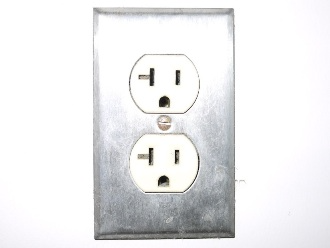
Standard outlets usually have two or three holes and share power with other outlets. They work fine for small devices like lamps or chargers. Treadmills use a lot of electricity and may need more power than standard outlets provide. Dedicated circuits supply power to one device only. This prevents overload and keeps the circuit safe. Using a dedicated circuit for your treadmill is often safer and more reliable.
Grounding And Outlet Safety
Grounding protects you from electric shock. Outlets with three holes include a ground wire. This wire directs extra electricity safely into the earth. Always use grounded outlets for heavy appliances like treadmills. Ungrounded outlets can cause shocks or damage your machine. Check your outlet’s condition before plugging in your treadmill. Replace any broken or loose outlets to avoid hazards.
Risks Of Using Regular Outlets
Using a treadmill with a regular outlet might seem easy. But it carries risks that could cause damage or danger. Understanding these risks helps keep your home safe.
Many homes have outlets designed for low power devices. Treadmills need more power. Plugging one into a regular outlet can cause problems.
Overloading Circuits
A treadmill draws a lot of electricity. Regular outlets often share circuits with other devices. This can lead to too much power flowing at once.
Overloaded circuits may trip breakers or blow fuses. This stops your treadmill from working suddenly. It can also cause damage to your home’s wiring.
Potential Electrical Hazards
Using the wrong outlet increases the risk of electrical hazards. Overheating wires can cause fires. Sparks may appear from loose connections.
These hazards put your family and home at risk. It is safer to use outlets designed for high-power machines like treadmills.
Safe Practices For Treadmill Plugging
Safe practices for plugging in your treadmill protect both you and your machine. Using the right outlet and protection devices keeps the treadmill running smoothly. Avoid electrical problems and damage by following simple steps. These tips help you avoid hazards and extend your treadmill’s life.
Checking Outlet Compatibility
Check the treadmill’s power requirements before plugging it in. Most treadmills use a standard 120-volt outlet, but some need 240 volts. Look at the label on the treadmill or in the manual for voltage and amperage. Make sure your outlet matches these needs. Using the wrong outlet can cause electrical issues or damage.
Inspect the outlet for any signs of wear or damage. Loose or cracked outlets can be dangerous. Use a grounded outlet with three prongs for safety. Avoid using extension cords, as they may not handle the power load. A dedicated outlet is the safest choice for treadmills.
Using Surge Protectors And Circuit Breakers
Protect your treadmill from power surges with a quality surge protector. Surges can harm the motor and electronics inside. Choose a surge protector rated for heavy-duty appliances. Check the joule rating to ensure it can handle strong surges.
Use a circuit breaker that matches your treadmill’s power needs. Circuit breakers prevent overload and reduce fire risk. Ensure your home’s electrical panel can support the treadmill’s load. If unsure, consult an electrician to install the correct breaker.
When To Consult An Electrician
Knowing when to call an electrician is important for treadmill safety. Not all home outlets can handle the power a treadmill needs. Using the wrong outlet can cause electrical problems or damage your equipment. An electrician can check your setup and make sure it is safe and correct.
Signs Your Setup Needs Professional Help
Some signs show your treadmill setup needs expert care. If your treadmill trips the circuit breaker often, this is a warning. Flickering lights or sparks near the outlet also mean trouble. Warm or burning smells near the plug require immediate attention. Loose or damaged outlets can cause shocks or fires. An electrician can spot hidden issues and fix them safely.
Upgrading Your Home Electrical System
Your home electrical system may need an upgrade for a treadmill. Older homes often have outlets that cannot supply enough power. A dedicated circuit may be required to run a treadmill properly. An electrician can install new outlets or circuits as needed. This upgrade prevents overloads and keeps your treadmill running smoothly. It also protects your home from electrical hazards.
Alternative Power Solutions
Using a treadmill requires proper power supply for safe and efficient operation. Regular outlets may not always provide enough power or safety. Alternative power solutions help ensure your treadmill runs smoothly without tripping breakers or causing hazards. These options offer better protection and consistent power delivery for your fitness equipment.
Dedicated Circuits For Fitness Equipment
A dedicated circuit is an electrical line solely for your treadmill. It prevents overloads by keeping other appliances off the same circuit. This reduces the risk of power interruptions during workouts. Installing a dedicated circuit often means hiring an electrician. The circuit matches your treadmill’s power needs exactly. It also improves safety by reducing electrical hazards in your home.
Portable Power Options
Portable power solutions include generators and battery packs. They provide power when no outlet is nearby or during outages. Small generators can run a treadmill but may be noisy. Battery packs offer quiet, clean energy but usually have limited run time. Choose a portable option that fits your treadmill’s power requirements. These solutions add flexibility for treadmill use anywhere in your home.
Frequently Asked Questions
Can I Use A Standard Outlet For My Treadmill?
Yes, most treadmills can be plugged into a standard 120V outlet. However, check your treadmill’s power requirements first to avoid electrical issues or damage.
Will A Regular Outlet Supply Enough Power For My Treadmill?
Standard household outlets usually provide sufficient power. High-powered or commercial treadmills might require a dedicated circuit or 240V outlet for safe operation.
What Happens If I Plug My Treadmill Into The Wrong Outlet?
Using an incorrect outlet can cause overheating, tripping breakers, or permanent damage. Always match the treadmill’s voltage and amperage specifications with the outlet.
Do I Need A Dedicated Circuit For My Treadmill?
Many treadmills work fine on shared circuits. Still, a dedicated circuit reduces the risk of overload and ensures consistent treadmill performance.
Conclusion
Using a regular outlet for your treadmill can work in many cases. Check the power requirements on your machine first. Some treadmills need special outlets with higher voltage. Avoid overloading your home’s electrical system to stay safe. Always plug the treadmill directly into the wall, not an extension cord.
This keeps the power steady and prevents damage. Knowing these simple tips helps you use your treadmill right. Stay cautious and enjoy your workouts safely at home.
