
Are you wondering if the leg press machine can do the same job as squats in your workout? You’re not alone.
Squats are often called the king of leg exercises, but they can be tough on your joints or intimidating if you’re new to working out. The leg press machine looks like a great alternative, but does it really give you the same benefits?
You’ll discover how these two exercises compare, what each one does for your body, and which might be best for your goals. Keep reading to find out if the leg press can truly replace squats in your routine—or if you should keep squatting for the best results.
Leg Press Machine Basics
The leg press machine is a popular gym tool. It helps build leg strength safely and effectively. Many wonder if it can replace squats in a workout routine. Understanding the leg press basics clarifies its benefits and limits.
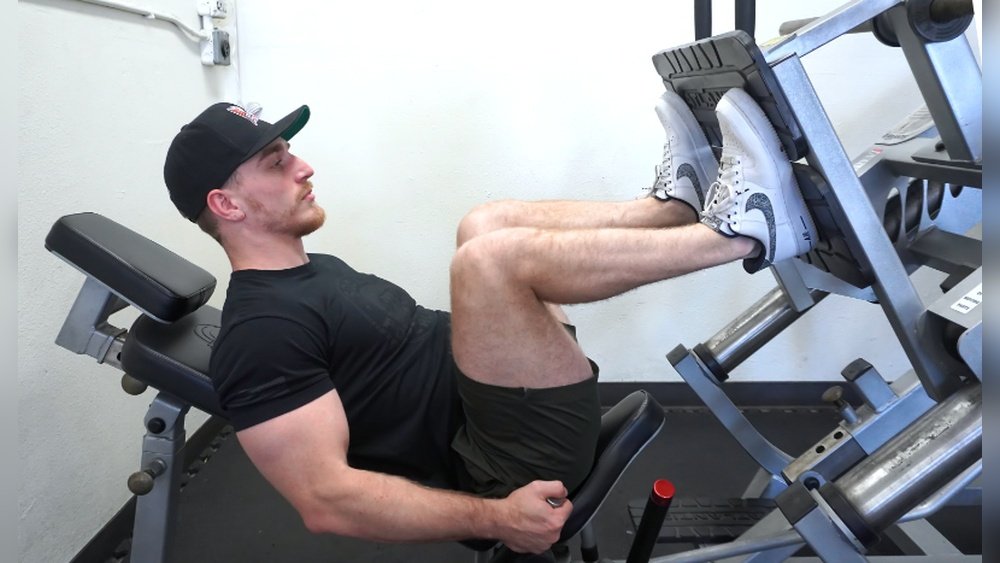
This machine allows you to push weight using your legs while seated. It supports your back and guides your movement. This setup reduces the risk of injury and helps beginners gain confidence.
How It Works
The leg press machine has a platform for your feet. You push the platform away by extending your legs. The weight moves along rails or cables, creating resistance. You control the load by adding or removing weight plates. The machine guides your motion, keeping it smooth and stable.
Muscle Groups Targeted
The leg press mainly targets the quadriceps on your thighs. It also works the glutes, hamstrings, and calves. The seated position reduces stress on your lower back. This focus helps build strength in your legs without involving too many other muscles.
Squats And Their Benefits
Squats are a popular exercise in many workout routines. They work many muscles at once. Squats build strength and improve balance. They also help with daily movements like sitting and standing. Understanding the benefits of squats shows why they matter in fitness.
Squats are more than just bending knees. They engage your whole body. This makes them a powerful exercise for building muscle and strength. Let’s explore the key benefits of squats.
Muscle Activation
Squats activate several large muscles. The quadriceps, hamstrings, and glutes work hard. These muscles grow stronger with regular squats. Squats also involve smaller muscles around your hips and knees. This leads to better muscle coordination and strength.
Functional Strength
Squats improve strength you use every day. They mimic movements like sitting and lifting. This makes daily tasks easier and safer. Functional strength reduces the risk of injury. It also helps improve your posture and balance.
Core Engagement
Squats engage your core muscles deeply. Your abs and lower back work to stabilize your body. This builds a strong core, which supports your spine. A strong core improves overall body control and reduces back pain.
Comparing Leg Press And Squats
Choosing between the leg press machine and squats depends on your workout goals. Both exercises target the legs but in different ways. Understanding their differences helps you plan better workouts.
Let’s compare the leg press and squats by looking at range of motion, joint impact, and balance requirements.
Range Of Motion
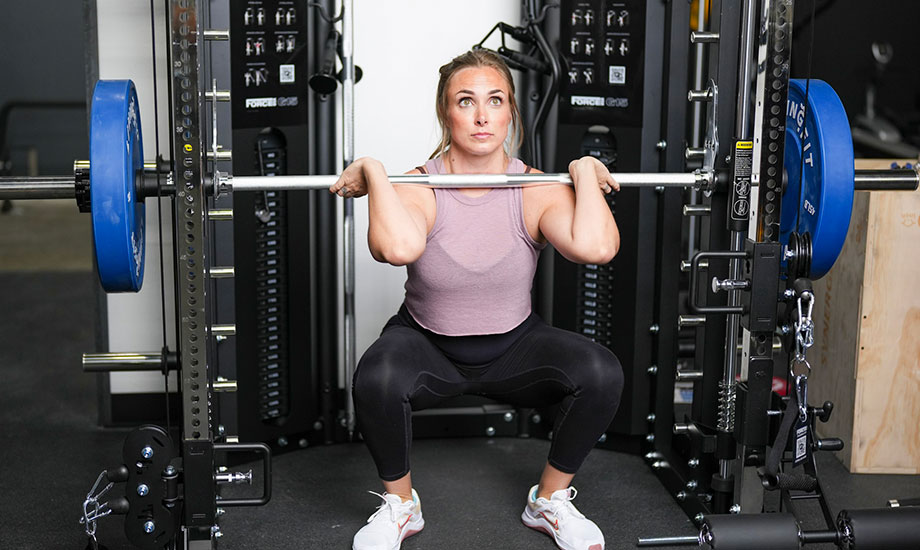
Squats allow a full range of motion at the hips, knees, and ankles. This helps build strength and flexibility in many muscles. The leg press limits movement mostly to the knees. It does not engage the hips and ankles as much. This smaller range may limit muscle development.
Joint Impact
Squats put more stress on your joints because you support your body weight. This can be good for bone strength but may cause discomfort for some people. The leg press supports your back and reduces joint stress. It is easier on knees and hips, making it safer for those with joint pain.
Balance And Stability
Squats require balance and core strength to keep proper form. This helps improve overall body stability and coordination. The leg press machine removes the need for balance. It focuses mainly on leg muscles without engaging the core much. Squats offer more functional fitness benefits.
Safety Considerations
Safety is very important when choosing exercises like leg press machines or squats. Both exercises can build strong legs and muscles. But each has risks if done wrong. Understanding safety helps you avoid injuries and get better results.
Common Injuries
Leg press machines can cause knee pain if the feet are placed too low. Too much weight can hurt the lower back. Squats can strain the knees and lower back if done with poor form. Muscle pulls and joint pain are common problems. Knowing these risks helps you stay safe.
Proper Form Tips
Keep your feet flat and shoulder-width apart on the leg press platform. Do not lock your knees when pushing the weight. For squats, keep your back straight and chest up. Bend your knees without letting them go past your toes. Use a comfortable weight to avoid strain. Take your time to learn the correct movements.
When To Choose Leg Press
The leg press machine offers a solid alternative for leg workouts. It targets similar muscles as squats but with different demands on the body. Choosing the leg press can depend on your fitness goals and physical condition. Here are times when the leg press is a better choice than squats.
Injury Recovery
The leg press is gentle on the lower back and knees. It provides support that squats do not offer. This makes it ideal for those recovering from injuries. You can control the weight and range of motion easily. It helps rebuild strength without risking further damage.
Beginner-friendly Options
Beginners often find squats hard to perform correctly. The leg press machine guides your movement and keeps you stable. It allows you to focus on building leg strength safely. This machine helps you gain confidence before trying free-weight exercises.

When Squats Are Irreplaceable
Squats hold a special place in many workout routines. They engage multiple muscles and joints at once. This makes them powerful for strength and movement. While leg press machines build muscle, squats offer unique benefits. Some fitness goals need squats more than machines.
Athletic Performance
Squats train muscles in a way that mimics real sports movements. They improve balance, coordination, and power all together. Athletes gain speed and jump higher with regular squats. The leg press cannot match this because it limits natural body movement. Squats also activate the core and lower back, key areas for athletes.
Functional Fitness
Daily activities like bending, lifting, and climbing require squat-like motions. Squats train your body to handle these tasks safely. They help prevent injuries by strengthening joints and muscles in a natural pattern. The leg press isolates muscles but does not prepare the body for real-life movements. Squats build strength that transfers directly to everyday life.
Integrating Both In Workouts
Integrating both the leg press machine and squats can enhance your workout. Each exercise has unique benefits that support leg strength and muscle growth. Using both helps target muscles differently and avoids workout boredom. Combining them creates a more complete leg training routine.
Balanced Routine
A balanced routine mixes leg press and squats to work various muscles. Squats activate stabilizer muscles and improve balance. The leg press machine isolates leg muscles with less strain on the back. This combination reduces injury risk and builds strength evenly.
Try alternating between squats and leg presses during workouts. Use squats for functional strength and leg presses for controlled muscle focus. This plan improves overall leg power and endurance.
Progressive Overload Strategies
Progressive overload means increasing workout difficulty over time. You can add weight, reps, or sets to squats and leg presses. Track your progress to avoid plateaus and keep building strength.
Start with lighter weights on the leg press to master form. Gradually increase weight while maintaining control. For squats, focus on proper technique before adding heavy loads. Combine both exercises to challenge muscles in new ways.

Frequently Asked Questions
Can Leg Press Fully Replace Squats In Workouts?
Leg press cannot fully replace squats because squats engage more muscles. Squats improve balance, core strength, and flexibility. Leg press focuses mainly on the quads and glutes. Both have unique benefits and work best when combined in a routine.
Are Leg Press Machines Safer Than Squats?
Leg press machines are generally safer for beginners and those with back issues. They provide controlled movement and reduce injury risk. Squats require proper form to avoid strain. Safety depends on technique, experience, and individual fitness levels.
Do Leg Presses Build As Much Muscle As Squats?
Leg presses build significant muscle but less overall than squats. Squats activate multiple muscle groups including core and stabilizers. Leg press mainly targets quads and glutes. Combining both exercises maximizes muscle growth and strength.
How Do Leg Press And Squats Differ In Muscle Activation?
Squats activate the entire lower body and core muscles. Leg press primarily targets quads, glutes, and hamstrings with less core involvement. Squats improve functional strength and stability. Leg press isolates leg muscles and is easier to control.
Conclusion
Squats and leg press machines both build leg strength effectively. Squats engage more muscles and improve balance and coordination. Leg press machines focus mainly on leg muscles with less strain on joints. Using both can create a balanced workout routine.
Choose exercises that fit your goals and body needs. Variety keeps workouts interesting and helps avoid plateaus. Stay consistent and listen to your body’s signals. Strength gains come from effort and proper form. Keep moving forward and enjoy your fitness journey.
