
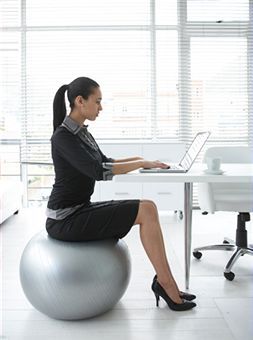
Sit tall with feet flat, knees at 90 degrees, hips level, and core gently engaged.
I’ve spent years testing posture tools and teaching clients how to use a balance ball safely. This guide explains exactly what is the correct way to sit on a balance ball, why each detail matters, and how to set up your ball for comfort, focus, and long‑term benefit. Read on for step‑by‑step instructions, safety tips, common mistakes, and real-world advice you can try today.
Today's Exclusive Deals
Limited-time Exclusive Deals. Check current discount on Amazon.
Check Price on Amazon As an Amazon Associate I earn from qualifying purchases.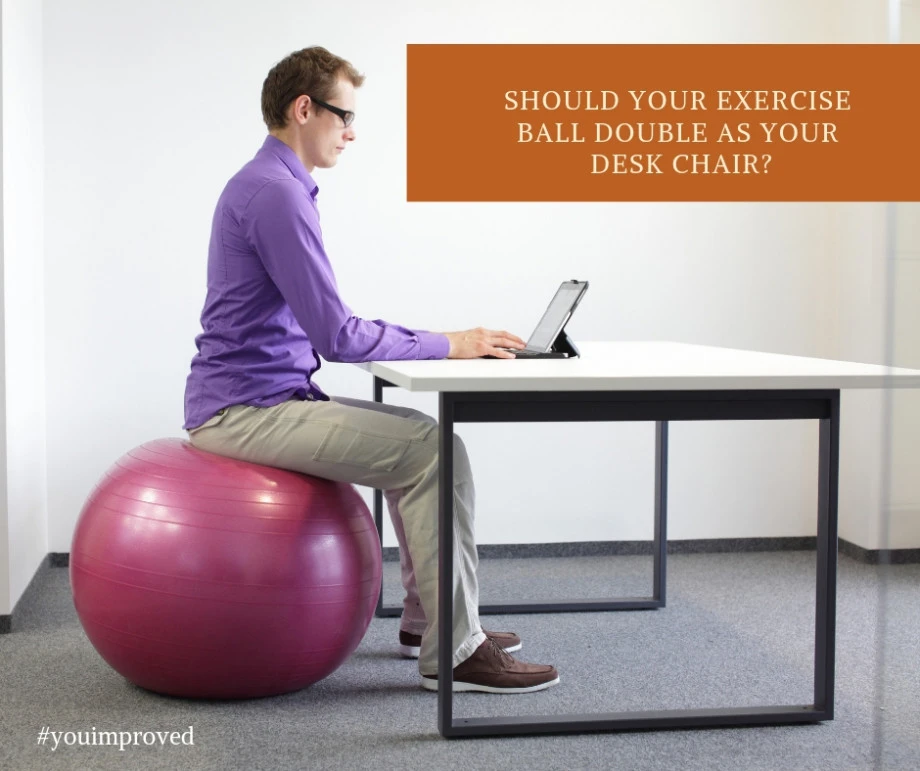
Why choose a balance ball for sitting?
Using a balance ball for sitting improves posture and builds low‑level core strength.
It challenges small stabilizer muscles you rarely use on a chair.
A balance ball also increases subtle movement that can reduce stiffness during long work sessions.
What is the correct way to sit on a balance ball?
This section gives a clear, stepwise method you can use right now to get set up and stay comfortable.
Choose the right size and inflation
Sit on the ball and ensure your knees are about level with your hips or slightly lower.
For most people, a 55–65 cm ball is a good starting point; adjust inflation so the ball gives slightly under your weight.
Position your feet
Place both feet flat on the floor, about hip‑width apart.
Keep weight distributed evenly across each foot to avoid leaning to one side.
Align your pelvis and spine
Tilt your pelvis slightly forward to maintain the natural curve in your lower back.
Sit on the center of the ball so your sit bones are balanced and your hips feel stable.
Engage your core and relax your shoulders
Gently draw your belly toward your spine for mild core activation.
Keep shoulders down and back, and let your hands rest lightly on your thighs or desk.
Adjust screen and desk height
Raise or lower your screen so the top third of the monitor is at eye level.
Keep elbows close to the body and bent at about 90 degrees when typing.
Move safely and take breaks
Start with short sessions, 15–20 minutes, and gradually increase time as you feel comfortable.
Stand up, walk, and stretch every 30–60 minutes to avoid muscle fatigue.
Tips for fine tuning
- Test sitting on the ball barefoot to feel better contact and foot placement.
- Use a textured or matte ball to avoid slipping on smooth floors.
- If you need back support, place the ball near a stable surface, but avoid leaning heavily on it.
What is the correct way to sit on a balance ball? Follow these steps and you’ll find it simple and effective. Recheck alignment frequently and listen to your body.
Common mistakes to avoid when sitting on a balance ball
- Sitting too far forward or back on the ball. This creates instability and poor spine alignment.
- Locking knees or leaning on one hip. This causes uneven muscle loading and discomfort.
- Inflating the ball too much or too little. Wrong inflation undermines stability and comfort.
- Using the ball for long hours without breaks. Prolonged use can strain muscles not used to constant engagement.
- Slouching or letting the pelvis tuck under. This removes the benefit of active sitting and increases back stress.
:max_bytes(150000):strip_icc()/my-chair-an-exercise-ball-3432609-FINAL-f1190dd487644a8594e688bd332e79eb.jpg)
Benefits of sitting correctly on a balance ball
- Improved posture and spinal alignment from active sitting and core engagement.
- Increased micro‑movement that fights stiffness and improves blood flow.
- Low‑level strengthening of postural muscles without heavy exercise.
- Better focus for some people, due to small, continuous movement that reduces restlessness.
- Portable and inexpensive compared to specialized ergonomic chairs.
Safety, limitations, and when not to use a balance ball
Balance balls are not for everyone. People with severe balance disorders, recent lower‑back or pelvic injuries, or certain vestibular conditions should consult a healthcare professional before use.
Avoid using a balance ball near stairs or hard edges where a fall could cause injury.
Limit continuous daily use; treat the ball as a tool for variety, not as a permanent replacement for an ergonomic chair.

Personal experience and practical tips
I used a balance ball at my desk for several months while coaching clients. Early on, I made the mistake of inflating the ball too hard and sitting off‑center. That led to hip soreness. After adjusting inflation and shortening sessions to 20 minutes with frequent standing breaks, my posture improved and my back felt stronger.
Try keeping a short log of how long you sit and how your back and hips feel. Small tweaks to foot position or screen height often solve discomfort quickly. My favorite tip: set a timer to stand every 30 minutes. It kept me focused and prevented fatigue.

Frequently Asked Questions of What is the correct way to sit on a balance ball
What size ball should I use for proper posture?
Pick a ball that lets your knees sit level with or slightly lower than your hips when seated. Most adults find 55–65 cm works well; taller people may need a larger size.
How long should I sit on a balance ball each day?
Start with 15–20 minute sessions and build up to 60 minutes total spread through the day. Breaks every 30–60 minutes help prevent fatigue.
Can using a balance ball help my lower back pain?
When used correctly, a balance ball can strengthen supportive muscles and reduce stiffness. People with chronic or severe pain should check with a healthcare provider first.
Do I need to engage my core constantly while sitting on the ball?
Use gentle, sustained core engagement rather than tight bracing. The goal is mild activation to support posture, not muscle straining.
Is a balance ball better than an ergonomic chair?
A balance ball offers active sitting and movement, while an ergonomic chair provides stable support. Use both tools as needed for variety and comfort.
How do I prevent the ball from slipping on the floor?
Choose a ball with a textured surface and place it on a rug or mat if your floor is slippery. Always test stability before sitting down.
Conclusion
Sitting on a balance ball works best when you choose the right size, set proper inflation, keep feet flat, align your hips and spine, and engage your core lightly. Start slow, watch for common mistakes, and use the ball as one of several posture tools. Try a short, guided session today and note how your posture and focus improve. If you found this helpful, subscribe for more posture and movement tips, or leave a comment about your balance ball experience.

