
Yes — balance balls can be safe, effective, and supportive for many pregnant women.
I write about prenatal fitness as a certified trainer and childbirth educator. I’ve guided dozens of pregnant clients through safe workouts and used balance balls in classes and at-home routines. This article explains clearly whether Are balance balls good for pregnancy exercises, how to use them, which moves help most, safety steps, and real-world tips you can trust.

Today's Exclusive Deals
Limited-time Exclusive Deals. Check current discount on Amazon.
Check Price on Amazon As an Amazon Associate I earn from qualifying purchases.
Why balance balls help during pregnancy
Balance balls give gentle support and promote good posture. They encourage pelvic tilts, gentle core work, and hip mobility. Pregnant bodies change fast. A balance ball adapts with you and keeps movement low-impact. Asking Are balance balls good for pregnancy exercises helps you focus on stability, comfort, and practical function during pregnancy.
Balance balls reduce strain on the lower back. They also let you sit in an active posture that eases pressure on the pelvis. Use simple, controlled moves. Avoid jerky motions and deep twists.

Benefits of using a balance ball in pregnancy
Using a balance ball offers many clear benefits. Below are the main advantages many pregnant people report.
- Improved posture and spine support: sitting on the ball helps keep weight centered and reduces slouching.
- Reduced low back and pelvic pain: gentle movement can ease stiffness and encourage pelvic alignment.
- Safer core activation: you can engage the deep core without heavy crunches or straining.
- Better balance and coordination: the ball challenges stability in a safe, low-impact way.
- Labor preparation: upright ball positions can help fetal positioning and comfort during labor.
- Versatility: use the ball for sitting, supported squats, pelvic tilts, and gentle stretches.
If you are reading to decide whether Are balance balls good for pregnancy exercises, these benefits show why many experts recommend them as part of a prenatal routine.

Safe pregnancy exercises with a balance ball
Start slow. Focus on breath, posture, and calm control. Below are easy exercises that work well with a balance ball.
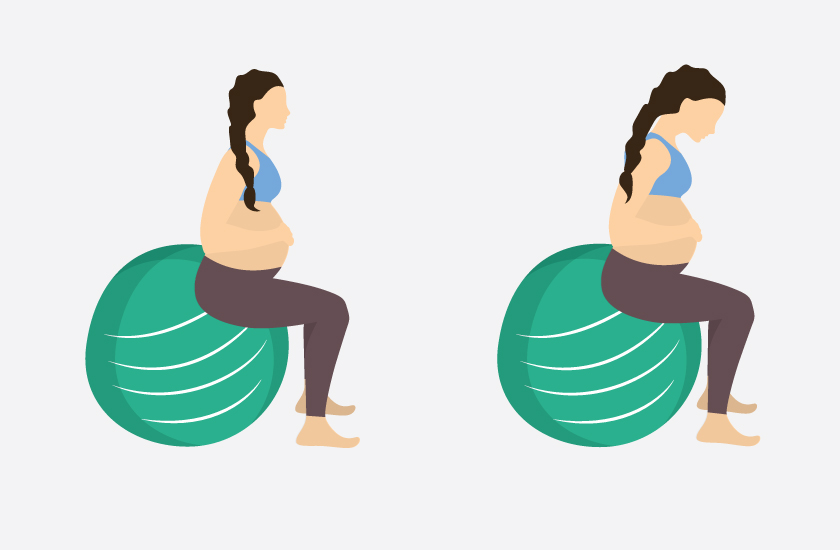
- Pelvic tilts on the ball
- Sit on the ball with feet hip-width apart.
- Tilt the pelvis forward and back slowly for 10–15 reps.
- Seated marches
- Sit tall and lift one knee slightly, alternating sides.
- Do 20 slow marches to improve hip mobility.
- Supported squats
- Hold the ball against a wall at lower back height.
- Squat gently to a comfortable depth and return. Repeat 8–12 times.
- Wall-assisted bridge with ball under feet
- Place heels on the ball while lying on your back (only later pregnancy if comfortable).
- Lift hips slowly and lower with control. Do 8–10 reps.
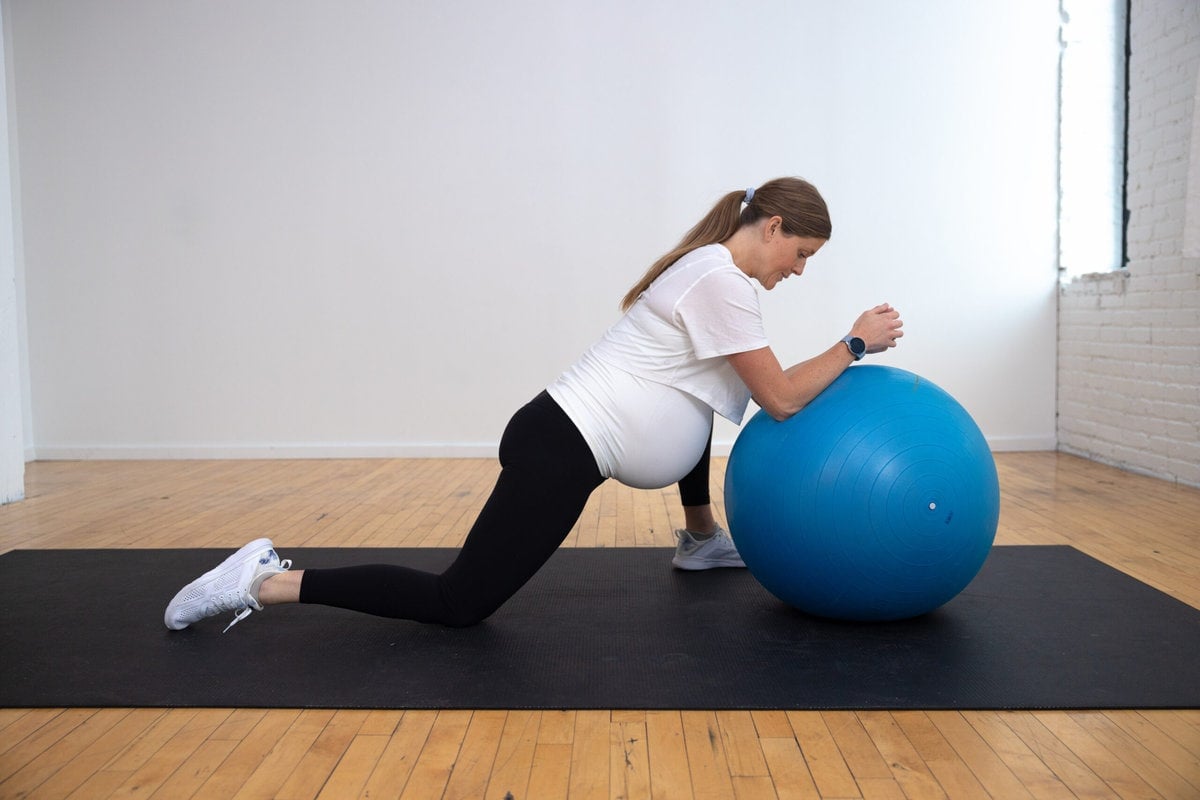
- Childbirth position practice
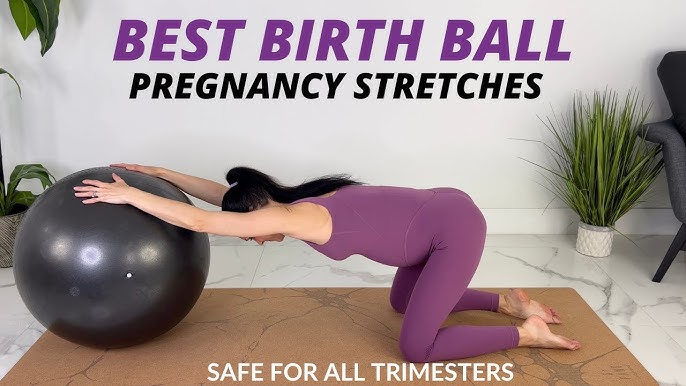
- Kneel and lean over the ball, resting chest on the ball while breathing.
- Use this for comfort and to practice upright labor positions.
Always test moves in a safe space. If a move feels unstable, stop and simplify. Remember the central question: Are balance balls good for pregnancy exercises? These safe moves show they can be.
How to choose and set up a balance ball for pregnancy
Choosing the right ball keeps exercise safe and effective. Follow these steps.
- Pick the correct size
- 55 cm ball for heights 4'8"–5'4"
- 65 cm ball for heights 5'5"–6'0"
- 75 cm ball for heights 6'1" and taller
- Check the firmness
- Sit and ensure knees are at about a 90-degree angle.
- The ball should feel supportive but slightly yielding.
- Inflate gradually
- Follow manufacturer instructions to avoid over- or under-inflation.
- Clear floor space
- Use the ball on a non-slip mat and away from sharp edges.
- Choose quality and burst-resistance
- Pick thick, burst-resistant material and a trusted brand.
When people ask Are balance balls good for pregnancy exercises, choosing the right ball is a key part of a safe answer.
Precautions and when to avoid balance balls
Balance balls are not right for everyone. Use caution when needed.
- Consult your provider first
- Ask your doctor or midwife if you have complications like placenta previa, preterm labor risk, or severe pelvic pain.
- Avoid unstable surfaces
- Do not use on wet or slippery floors.
- Stop for warning signs
- Dizziness, shortness of breath, bleeding, or sudden pain mean stop and call your clinician.
- Modify for balance loss
- Use a chair or wall for support if you feel unsteady.
If you still wonder Are balance balls good for pregnancy exercises with your condition, get personalized clearance.
Evidence and expert guidance
Research shows gentle, regular exercise during pregnancy reduces back pain and supports mental well-being. Professional guidance highlights low-impact tools like balance balls as helpful for posture and pelvic mobility. Major prenatal exercise recommendations support 150 minutes of moderate activity per week and pelvicfloor-friendly moves, which a ball can help deliver.
People often ask common, short questions about practicality. Below are brief, helpful answers.
Are balance balls good for pregnancy exercises for easing back pain?
Yes. Sitting and gentle movements on the ball can relieve tension and improve posture. They encourage mobility without heavy strain.
Can balance balls help during labor?
Yes. Upright positions on the ball can open the pelvis and ease labor discomfort. Many doulas and midwives recommend ball work for comfort and movement.
Is there a risk of falling from a balance ball while pregnant?
The risk is low with a properly sized, firm ball and a non-slip surface. Start near a wall or chair for added support.
Evidence supports their use when paired with sensible precautions and professional advice.

My experience and practical tips
I have taught prenatal classes for years. I used balance balls personally during my second trimester. The ball eased my lower back and helped me practice upright positions for labor. Some mistakes I made and you can avoid:
- Mistake: Choosing a too-small ball. Lesson: measure for knee angle first.
- Mistake: Inflating too soft. Lesson: firmer is safer for balance.
- Practical tip: Keep the ball near a sturdy chair for quick support.
- Practical tip: Use short 5–10 minute sessions several times a day rather than long sessions.
If you still ask Are balance balls good for pregnancy exercises, know that personal use and teaching have shown them to be practical, comforting, and safe when used smartly.
Sample weekly routine for pregnancy using a balance ball
Keep sessions short and frequent. Aim for gentle movement most days.
- Monday
- 10-minute pelvic tilts and seated marches.
- Wednesday
- 10-minute supported squats and gentle hip circles.
- Friday
- 10–15 minutes of childbirth position practice and breath work.
- Daily
- 5-minute posture breaks: sit tall on the ball while breathing.
Adjust intensity by trimester and comfort. If you wonder whether Are balance balls good for pregnancy exercises for your schedule, this simple plan shows how easy they fit into daily life.

Limitations and realistic expectations
Balance balls are not a cure-all. They support mobility and comfort but do not replace medical care or a comprehensive prenatal fitness plan. Expect gradual improvement in posture and pain relief, not instant fixes. If you have a complicated pregnancy, balance balls may be limited or not recommended. Always pair ball work with pelvic floor exercises and guidance from your care team.
As you weigh Are balance balls good for pregnancy exercises, know their role is supportive, not standalone.
Frequently Asked Questions of Are balance balls good for pregnancy exercises
Are balance balls safe in the first trimester?
Yes, for most people, using a balance ball in the first trimester is safe. Keep movements gentle and stop if you feel dizzy or unwell.
Can I use a balance ball if I have pelvic pain?
Often yes, because the ball can relieve pressure and improve posture. Talk to your provider to tailor moves and rule out serious causes.
How long should I use a balance ball each day?
Short sessions of 5–15 minutes several times a day work well for most pregnant people. Quality and control matter more than duration.
Do balance balls help with labor positions?
Yes, they can help you stay upright and mobile during labor and encourage better fetal positioning. Practice positions ahead of time in comfort.
When should I avoid the balance ball altogether?
Avoid if your provider advises rest, you have severe bleeding, or you have a high-risk pregnancy that limits movement. Always follow individualized medical advice.
Can I do strength training with a balance ball during pregnancy?
You can do light, supported strength moves with a ball, such as wall squats and bridges. Keep weights light and focus on form and breath.
Conclusion
Balance balls can be a valuable tool for many pregnant people. They support posture, reduce mild back pain, and help practice labor positions. Use the right size, follow safety steps, and get medical clearance if you have risks.
Takeaway: start slow, choose the correct ball, and add short, regular sessions to your routine. If you’ve found this helpful, try a 10-minute ball session today, leave a comment about your experience, or subscribe for more prenatal tips.

