An anti-burst balance ball is a burst-resistant exercise ball designed for safe stability training.
I’ve tested and written about fitness gear for years, and I can tell you exactly what an anti-burst balance ball is, how it works, and when to pick one. This guide explains materials, safety ratings, real-world uses, buying tips, and maintenance. If you want a clear, practical look at anti-burst balance ball features and how to choose the right one for workouts, rehab, or office use, keep reading—I'll share hands-on advice and simple tests you can perform at home.
Today's Exclusive Deals
Limited-time Exclusive Deals. Check current discount on Amazon.
Check Price on Amazon As an Amazon Associate I earn from qualifying purchases.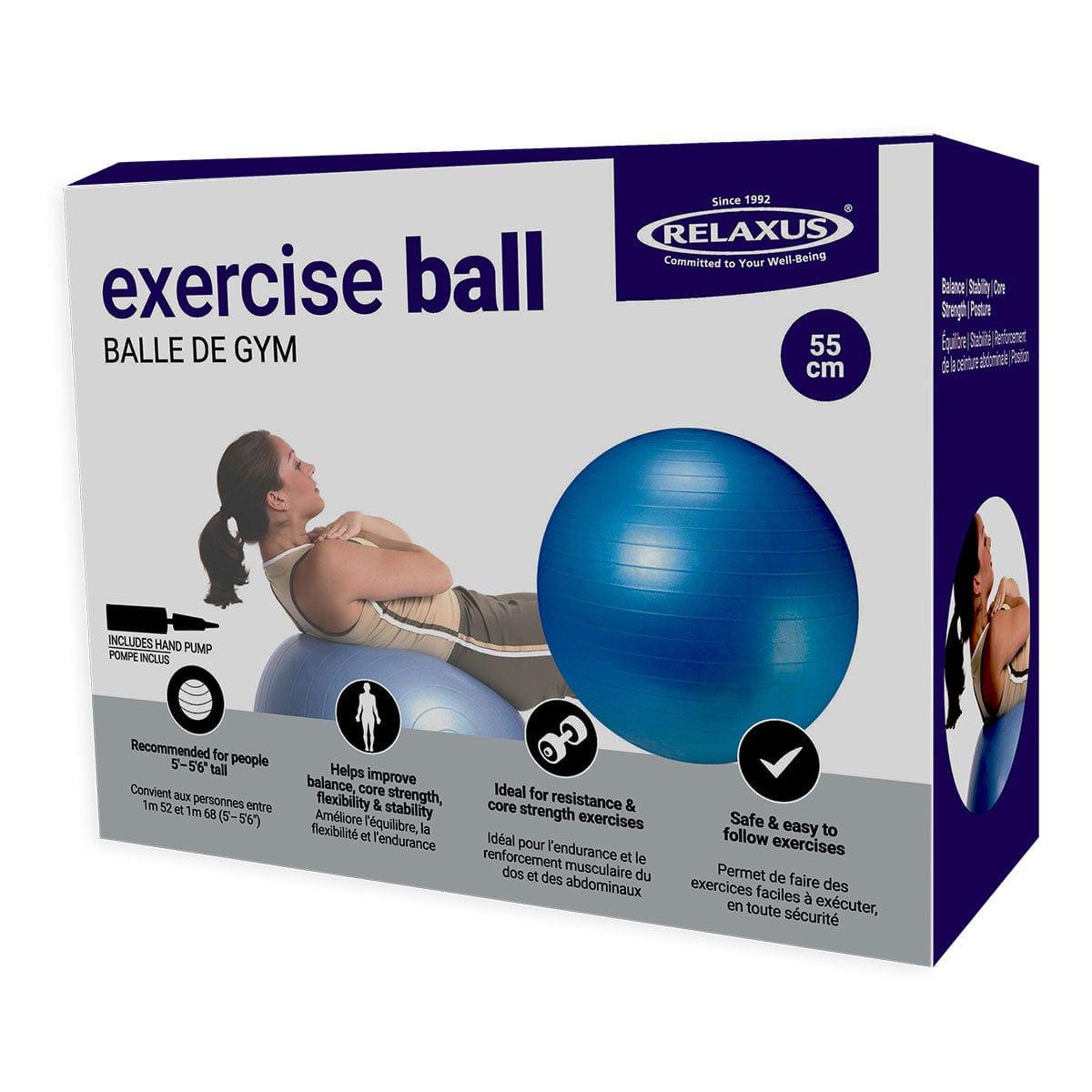
What exactly is an anti-burst balance ball?
An anti-burst balance ball is a round fitness ball made from thicker, multi-layered material that resists sudden bursting. Unlike cheap exercise balls that can pop when punctured, anti-burst designs deflate slowly and predictably. This reduces the risk of falling and injury during use.
Key features:
- Made from durable PVC or thermoplastic elastomer with reinforced walls.
- Often rated with a maximum user weight and safety standards.
- Used for stability, core training, rehab, and ergonomic seating.
How anti-burst technology works
Anti-burst balance ball construction focuses on controlled deflation rather than instant rupture. Manufacturers use one or more of these methods:
- Thicker material layers that slow tear propagation.
- Cross-linked polymers that hold shape when punctured.
- Dual-skin or reinforced inner liners for added redundancy.
- High-quality valves that prevent sudden air escape.
These design choices mean if the ball is punctured, it will lose air slowly. Users can maintain balance and step away safely. The term anti-burst does not mean indestructible; it means safer in failure.
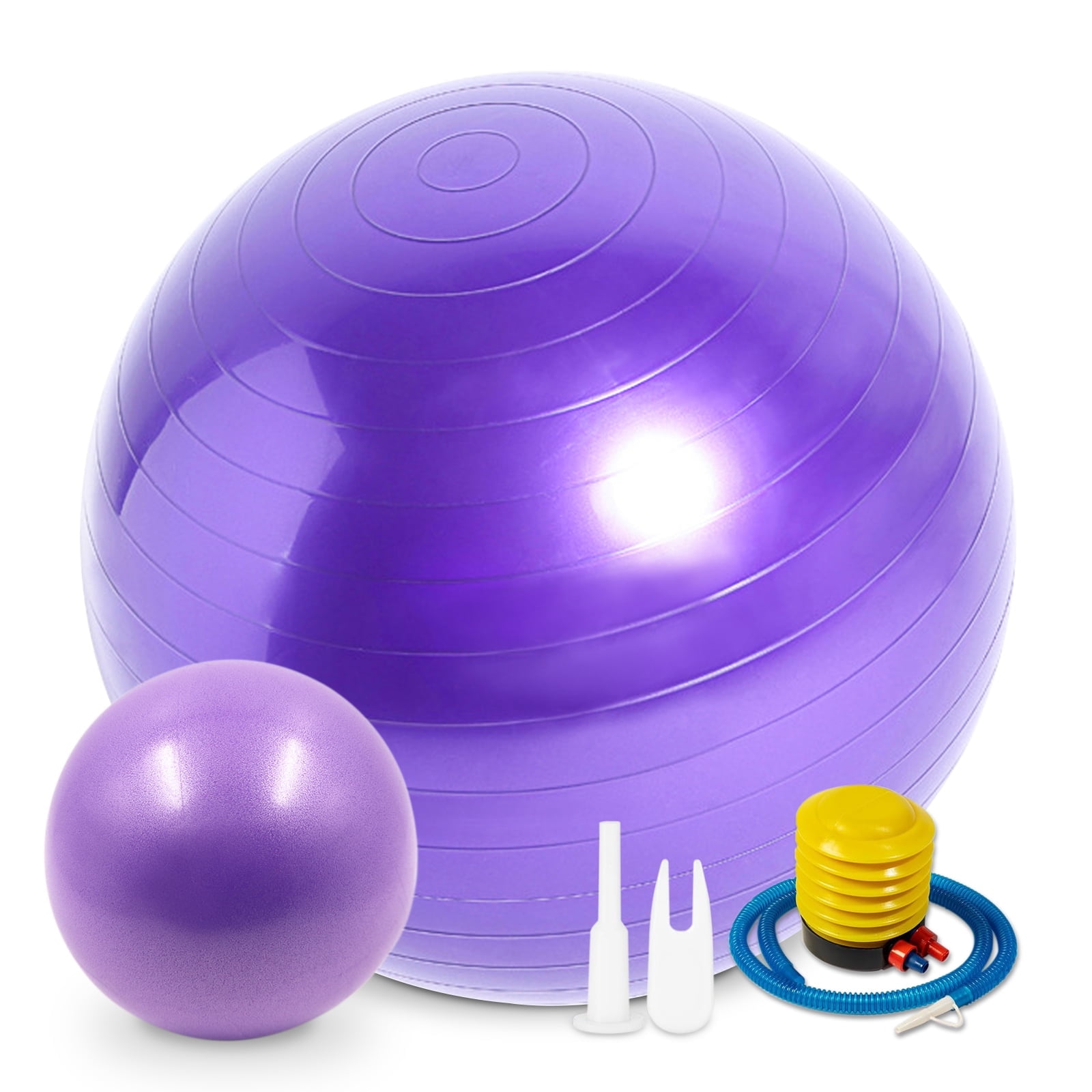
Materials, safety standards, and ratings
Most anti-burst balance ball makers use premium PVC or TPE. Look for these specs:
- Wall thickness in millimeters listed or implied by weight capacity.
- Maximum weight rating; common ratings range from 250 to 2,000 pounds for commercial-grade balls.
- Safety certifications or testing statements, such as burst resistance testing.
- Non-toxic labels (phthalate-free, PVC grade) for home or clinical use.
Tip: Products that list test data or third-party lab checks are more trustworthy. If a product lacks clear specs, treat claims as marketing.
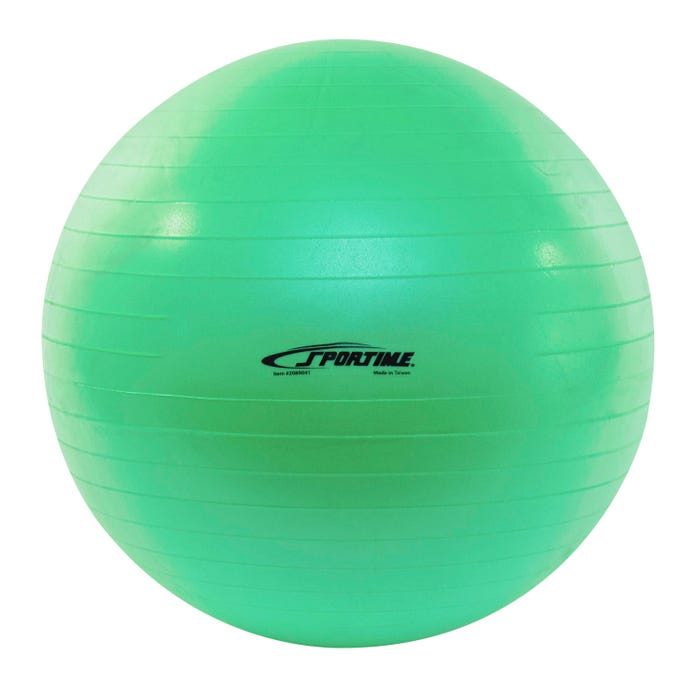
Benefits of an anti-burst balance ball
Using an anti-burst balance ball offers many practical advantages:
- Safer training with less chance of sudden pops.
- Better for clinical and rehab settings where stability matters.
- Useful as an ergonomic seat that supports posture and movement.
- Offers progressive core and balance challenges for all fitness levels.
I’ve used anti-burst balance balls in office and gym settings. The slow-deflation behavior gave me confidence during single-leg balances and physical therapy sessions.

Common uses and practical exercises
Anti-burst balance balls serve many roles. Typical uses include:
- Core strengthening: ball crunches, planks with feet on the ball.
- Balance training: single-leg stands and unstable-surface drills.
- Flexibility and mobility: back extensions and hamstring stretches.
- Rehabilitation: low-impact support for knee or back rehab exercises.
- Ergonomic seating: using the ball as a desk chair alternative for short periods.
PAA-style question 1: Can I use an anti-burst balance ball for weightlifting?
Short answer: Yes for stability drills and accessory work, but avoid heavy barbell lifts while sitting or lying on the ball.
PAA-style question 2: Are anti-burst balls good for kids?
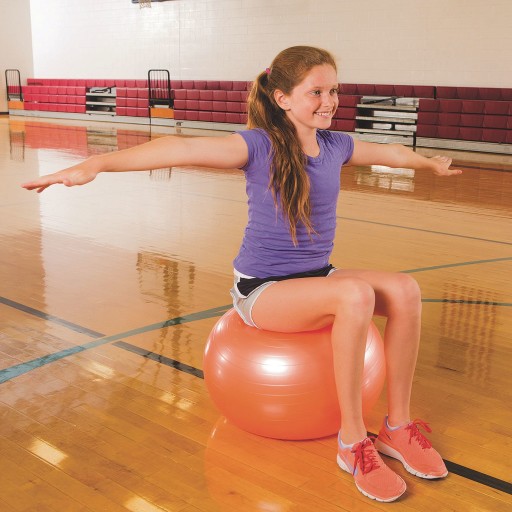
Short answer: They can be, if the ball size and weight rating match the child and use is supervised.

Choosing the right size and weight capacity
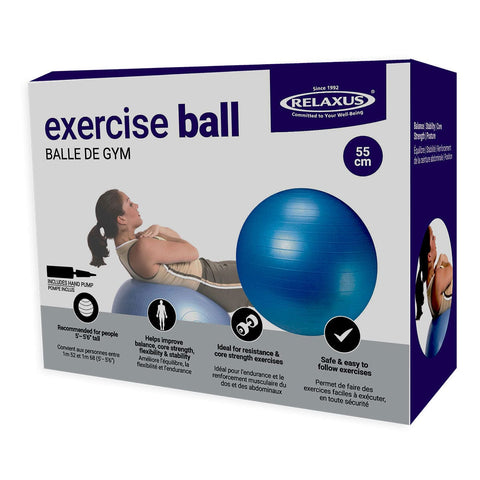
Selecting the correct anti-burst balance ball depends on height and intended use. Simple size guide:
- 45 cm ball for heights under 5'0"
- 55 cm ball for 5'0" to 5'5"
- 65 cm ball for 5'6" to 6'0"
- 75 cm ball for 6'0" to 6'5"
- 85 cm for taller users or therapy uses
Also check the ball’s weight capacity. An anti-burst balance ball with a higher rated load often uses thicker material and better construction.
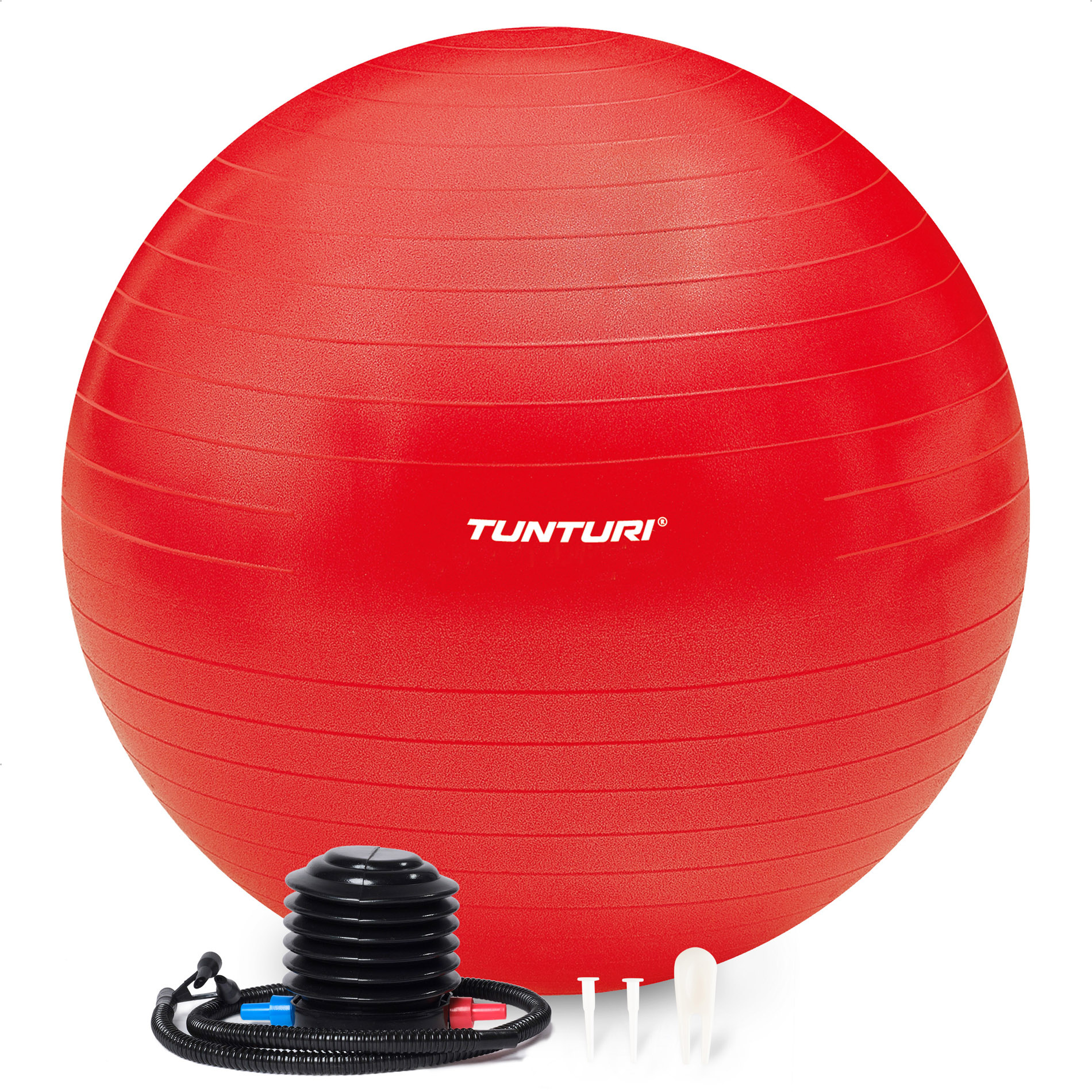
Care, inflation, and maintenance
To keep your anti-burst balance ball safe and long-lasting:
- Inflate to the manufacturer’s recommended diameter, not just feel.
- Use a hand pump with a gauge for accurate inflation.
- Avoid sharp objects and clean with mild soap and water.
- Store away from direct sunlight and sharp edges.
- Inspect regularly for small nicks or seam separation.
A real-life tip: I mark the fully inflated diameter with a small piece of tape. That simple visual check prevents overinflation and prolongs life.

Limitations and safety considerations
Anti-burst balance balls reduce risk but do not eliminate it. Points to keep in mind:
- Not puncture-proof — large cuts can still cause failure.
- Older balls can lose elasticity; replace if surface becomes sticky or misshapen.
- Weight ratings assume proper inflation and controlled use.
- Avoid sharp shoes, jewelry, and rough floors while using the ball.
Be honest about your needs. For heavy-duty or medical use, choose commercial-grade anti-burst balance ball models with clear testing.
My experience, tips, and common mistakes
I’ve used anti-burst balance balls in rehab clinics and at home. Here are practical lessons:
- Inflate slowly and measure diameter; underinflation reduces benefit, overinflation risks seams.
- Buy one with a clear weight rating and return policy.
- Use a mat for indoor workouts to protect the ball and floor.
- Don’t substitute the ball for long-term chair use; alternate with a regular chair to avoid fatigue.
Common mistakes:
- Buying the wrong size for your height.
- Assuming “anti-burst” means indestructible.
- Not checking valve tightness after inflation.
Buying checklist
When shopping, compare these clear criteria:
- Exact weight capacity and size recommendation.
- Material and any safety certifications.
- Customer reviews mentioning real-world durability.
- Warranty terms and replacement policy.
- Included pump and repair kit.
A ball that meets these items will serve well for fitness, therapy, and ergonomic tasks.
PAA-style questions (additional short answers)
Q: How long does an anti-burst balance ball last?
A: Lifespan varies with use and care; a well-maintained ball can last years. Replace sooner if the surface shows wear or it loses shape.
Q: Can you sit all day on an anti-burst balance ball?
A: No, sitting on a balance ball all day can strain hips and back. Use it for short periods to boost posture and micro-movements.
Frequently Asked Questions of What is an anti-burst balance ball
What makes an anti-burst balance ball different from a regular exercise ball?
An anti-burst balance ball is made with thicker, reinforced material that deflates slowly rather than popping. This feature reduces the risk of sudden falls and injuries during use.
Is an anti-burst balance ball truly safe for physical therapy?
Yes, many therapists use anti-burst balance balls because they offer controlled deflation and stable support. Still, therapists match ball size and inflation to the patient’s needs.
How do I know the correct inflation level for my anti-burst balance ball?
Inflate to the manufacturer’s recommended diameter or until the ball feels firm but has slight give. A tape mark at the target diameter helps for consistent inflation.
Can children use an anti-burst balance ball safely?
Children can use these balls under supervision when the ball size and weight rating are appropriate. Supervision and a soft surface reduce the chance of accidents.
Does anti-burst mean the ball is puncture-proof?
No, anti-burst means the ball resists sudden popping and deflates slowly if damaged. Sharp objects and large tears can still puncture and compromise the ball.
How often should I replace an anti-burst balance ball?
Replace when you see surface thinning, sticky texture, seam separation, or consistent air loss. For regular home use, inspect every few months and plan to replace every 1–3 years depending on wear.
Conclusion
An anti-burst balance ball gives you safer, more reliable performance for workouts, rehab, and short-term seating. Choose the right size and weight rating, inflate to the proper diameter, and care for the ball to get long service. Start with a quality anti-burst balance ball, practice basic stability moves, and build confidence with progressive use. If you found this guide helpful, try one of the recommended sizes, subscribe for more gear tips, or leave a comment about your experience.