
Choose a balance ball that lets your knees form a 90° angle when seated for proper height.
As an experienced trainer and ergonomic enthusiast, I’ll walk you through exactly how to choose the best balance ball size for height. This guide explains measurement, size charts, inflation tips, and activity-specific choices so you buy the right ball the first time and use it safely and effectively.

Today's Exclusive Deals
Limited-time Exclusive Deals. Check current discount on Amazon.
Check Price on Amazon As an Amazon Associate I earn from qualifying purchases.
Why ball size matters for comfort and results
Choosing the right balance ball size affects posture, joint angles, and exercise effectiveness. A ball that is too large or too small can strain your lower back, hips, knees, and reduce training benefits.
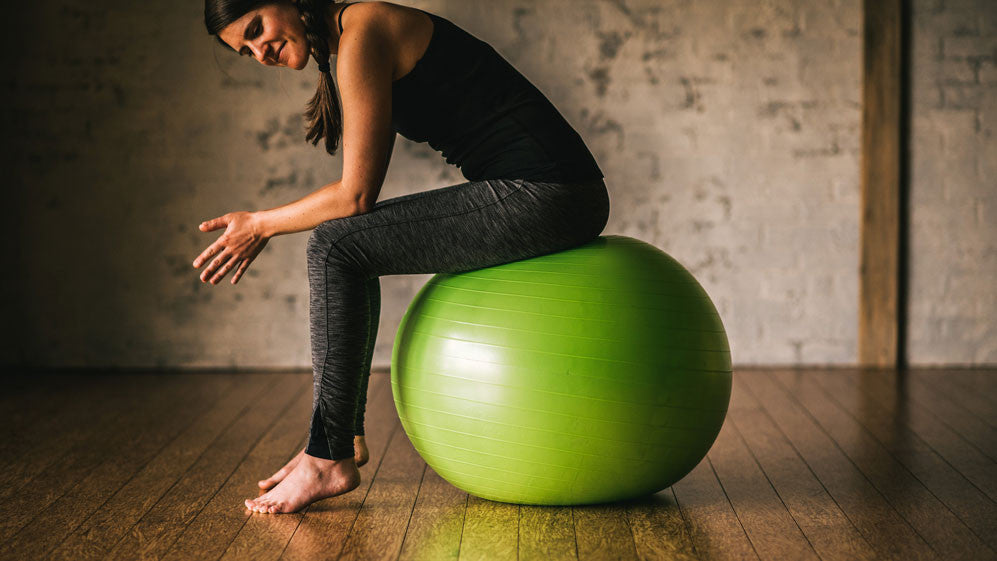
The principle is simple: when seated on the ball, your hips should be level or slightly higher than your knees, and your feet should sit flat on the floor. That alignment keeps your spine neutral and lets your core work properly.
Using the correct ball size also changes movement patterns during balance work. Small differences in diameter alter muscle activation and stability demands. When you understand how to choose the best balance ball size for height, you get safer workouts and better posture.
How to measure height and match it to balance ball size
Measure your full standing height first. Then use these practical steps to find the right ball size.
- Stand straight with shoes off and measure from floor to top of head.
- Sit on a stable chair and measure from floor to top of your knees to check leg length.
- Sit on the inflated ball to test: your feet should be flat, knees at about 90 degrees, and hips level.
Typical size chart for adults (common industry recommendations):
- 45 cm ball: for people under about 5'0" (under 152 cm).
- 55 cm ball: for people about 5'1" to 5'7" (155–170 cm).
- 65 cm ball: for people about 5'8" to 6'1" (173–185 cm).
- 75 cm ball: for people about 6'2" and taller (188 cm+).
These ranges are a starting point. If you use the ball for sitting at a desk, aim for knees at 90 degrees and hips slightly above knees. For exercise, you may choose a slightly smaller ball to increase challenge or a slightly larger ball for more range of motion. Practically applying how to choose the best balance ball size for height means testing and adjusting until you feel stable and aligned.

Inflation, firmness, and measuring true diameter
Ball size on the box is the maximum diameter. Inflation affects the working size and feel. Proper inflation is as important as diameter.
- Inflate slowly. Use a measuring tape across the widest point to check diameter.
- Target diameter: inflate until the ball reaches the chosen size, then sit and test. If it sits slightly under the nominal diameter after settling, that’s normal.
- Firmness: the ball should be firm, but you should still get a little give when pressing with your thumb. Overinflation increases burst risk and can reduce stability.
- Allow for temperature changes. A ball inflated indoors may expand in heat. Re-check diameter after 24 hours and adjust.
If you are unsure how to choose the best balance ball size for height regarding inflation, choose a slightly softer setup and add air slowly until you get the correct knee and hip angles. This reduces the chance of an uncomfortable, overfirm ball.

Choosing size based on activity and goals
Different uses call for slightly different sizes. The right ball supports your aim, whether ergonomic seating, core training, or stretching.
- Sitting at a desk
- Aim for knees near 90 degrees. Choose the size that gives proper knee height while feet are flat.
- Core and balance training
- Slightly smaller balls increase core challenge. Pick one size down if you want more instability.
- Yoga and mobility
- Larger balls add range of motion for backbends and hip stretches. Match ball size to your height for safe mobility.
- Rehabilitation and pregnancy
- Comfort and safety are key. Choose a size that keeps hips higher than knees and provides steady support.
- Kids and teens
- Choose child-specific sizes and always supervise activity.
Knowing how to choose the best balance ball size for height means matching the ball to your primary use and adjusting inflation for the exact feel you need.

Common mistakes and tips from real experience
I once bought a 75 cm ball for desk use because I liked the look. My knees were too high, and I developed tight hips. I swapped to a 65 cm ball and felt immediate relief. That taught me a few lessons.
- Don’t choose by color or price alone. Size is the key factor for comfort.
- Measure seated height, not just standing height. Leg length varies between people.
- Test before committing. Many sellers accept returns if you test at home for a few days.
- Buy a good pump and a tape measure. They make inflation and sizing painless.
- Inspect the surface and weight rating. Higher-quality balls last longer and feel safer.
These practical tips came from trial and error. When you master how to choose the best balance ball size for height, you avoid wasted money and prevent discomfort.
Quick answers to common how-to questions (PAA-style)
What if I fall between two sizes?
If you fall between sizes, choose the smaller size for more challenge or the larger size for more support. Consider primary use and comfort.
Can I use a balance ball for long periods while working?
You can, but alternate with a regular chair and stand breaks. Prolonged use may fatigue core muscles and change posture.
How often should I re-check inflation?
Check inflation after the first 24 hours, then monthly if you use it daily. Re-inflate when diameter drops or firmness feels lower.

Frequently Asked Questions of How to choose the best balance ball size for height
What is the correct sitting posture on a balance ball?
Sit tall with a neutral spine, feet flat, and knees at about 90 degrees. Keep hips level and shoulders relaxed for best posture.
How do I measure to pick the right ball size?
Measure standing height and knee height, then test by sitting on the inflated ball so knees are about 90 degrees. Use the size chart as a guide.
Are there safety ratings I should check?
Yes. Look for burst resistance and weight capacity. Higher-quality balls list weight limits and anti-burst design features.
Can one ball fit all family members?
Not ideally. Different heights need different diameters for safe sitting and effective exercise. Choose per primary user or buy multiple sizes.
How much air pressure is best for a balance ball?
Follow manufacturer guidance and inflate until the ball reaches the rated diameter and feels firm with slight give. Avoid overinflation.
Is a smaller ball better for workouts?
A smaller ball increases instability and core activation. Choose smaller for challenge and larger for support or mobility work.
How long do balance balls last?
With proper care, good-quality balls can last years. Watch for punctures, seam wear, and loss of elasticity, and replace when safety is compromised.
Conclusion
Choosing the right size is the single most important decision when buying a balance ball. Match diameter to your height and intended use, check inflation and firmness, and test by sitting to confirm knees sit near 90 degrees. Start with the standard size chart, adjust for your goals, and learn from practical trial.
Take action: measure your height now, check a size chart, and try a ball that gives you neutral alignment. Share your experience, subscribe for more ergonomic tips, or leave a comment with your height and activity so I can recommend a size.

