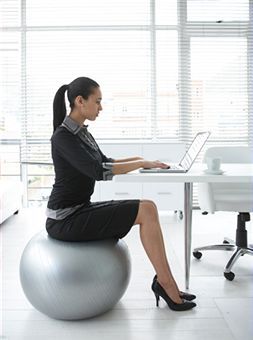
Balance balls can improve posture by strengthening your core and encouraging upright sitting.
I’ve worked with clients, tested tools, and studied posture science for years, so I know what works and what doesn’t. This article explains how balance balls help posture, who benefits most, safety tips, practical exercises, and real-world lessons from my experience. Read on to learn clear steps you can try today to use balance balls safely and effectively.
Today's Exclusive Deals
Limited-time Exclusive Deals. Check current discount on Amazon.
Check Price on Amazon As an Amazon Associate I earn from qualifying purchases.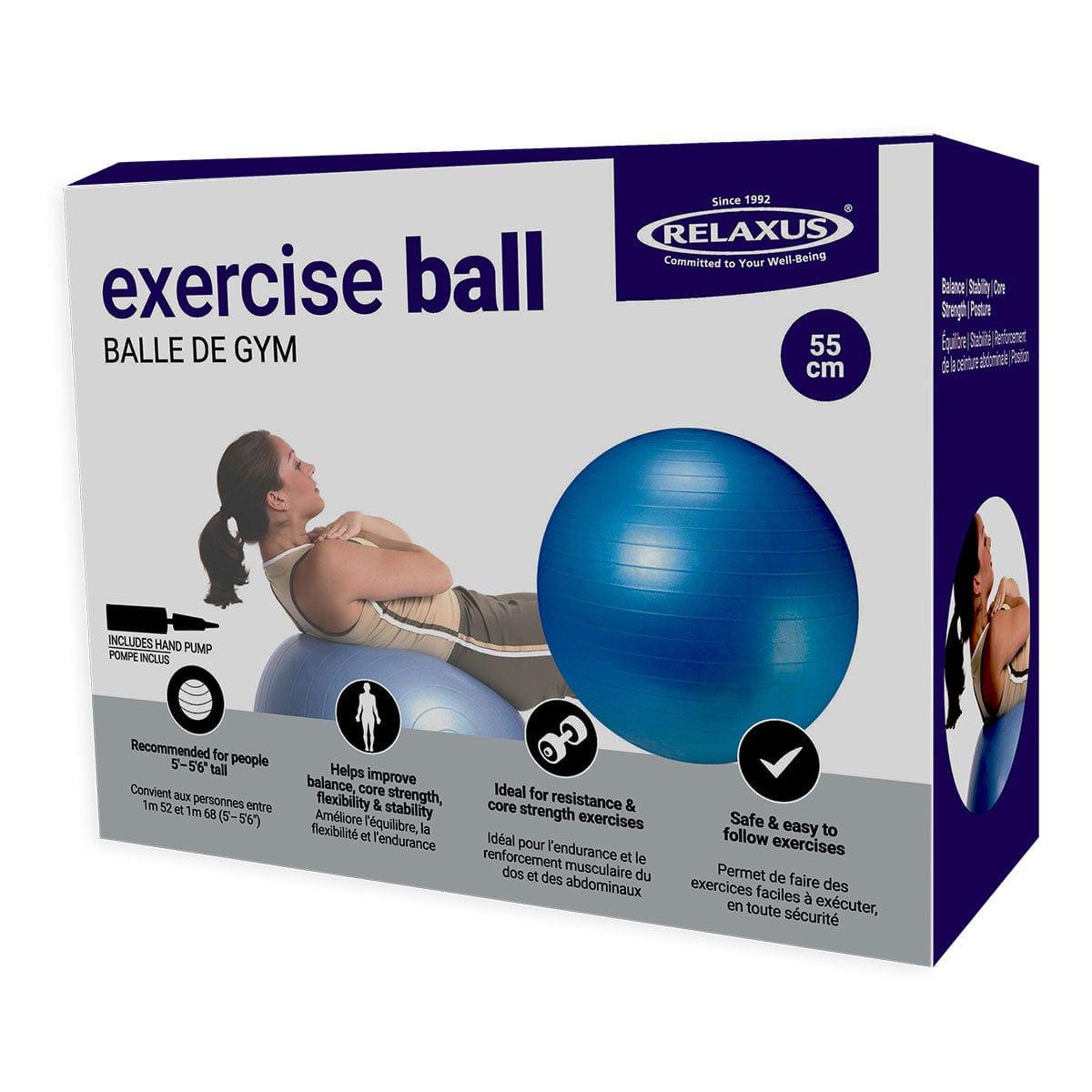
How balance balls influence posture
Balance balls are inflatable, unstable seats that force your body to make tiny corrections. These micro-movements recruit deep core muscles, spinal stabilizers, and hip muscles. Over time, improved muscle control helps you sit taller and hold a more neutral spine.
Mechanisms at work
- Core activation: Sitting or exercising on a balance ball engages transverse abdominis and obliques to stabilize the trunk.
- Neuromuscular training: The nervous system learns to coordinate posture muscles better through constant feedback.
- Pelvic alignment: The slight instability encourages a balanced pelvis, which supports a neutral lumbar curve.
Evidence and practical meaning
- Short sessions of balance ball sitting or training can increase awareness of posture.
- Improvements are most noticeable when ball use is paired with targeted exercises and ergonomic changes in daily life.
Do balance balls fix posture by themselves?
Using balance balls alone rarely “fixes” poor posture. They help retrain muscles and awareness, but you need consistent practice and complementary habits such as movement breaks, stretches, and ergonomic adjustments.
How long before I see results?
Some people feel better in days; measurable strength and posture changes usually take 4–12 weeks with regular practice. Frequency matters more than session length: short daily sessions beat rare long ones.
Benefits of using balance balls for posture
Balance balls offer several practical benefits when used correctly. These advantages help explain why clinicians and trainers recommend them.
- Builds core strength: Regular use develops stabilizing muscles that support the spine.
- Increases postural awareness: The unstable surface makes you notice slouching quickly.
- Encourages active sitting: Instead of passive slumping, you remain engaged and alert.
- Improves balance and coordination: Small corrections boost neuromuscular control.
- Accessible and low-cost: Balance balls are affordable and easy to add to home or office.
Real-world impact
- Office workers can alternate between chair and balance ball to reduce sitting fatigue.
- People with mild postural kyphosis often gain better upright control when combining ball work with stretching.

Limitations, risks, and who should avoid them
Balance balls are not a universal cure. They come with limits and possible risks that you should know.
- Not a permanent chair replacement: Long periods of unstable sitting can cause fatigue and discomfort.
- Risk of strain: Poor form or overuse may irritate the lower back or hips.
- Not ideal for severe conditions: People with advanced spinal disorders, recent surgeries, or severe balance issues should avoid unsupervised use.
- Safety issues: Incorrect inflation, poor posture, or an uneven surface can increase fall risk.
Risk reduction tips
- Start slow: Use the ball in short intervals and build up time.
- Pair with guidance: Work with a physical therapist or trainer if you have pain or a health condition.
- Use the right size and inflation for your height to minimize risk.

How to use balance balls safely for posture improvement
Follow a simple routine to get benefits while avoiding common mistakes. These steps help you use balance balls the right way.
Setup and sizing
- Choose the right ball: Sit on the ball with knees at a 90-degree angle to pick the correct size.
- Proper inflation: The ball should be firm but give slightly under your weight.
- Stable environment: Use the ball on a flat surface with enough open space around you.
Safe sitting guidelines
- Sit forward on the ball so your sit bones take the weight, not your tailbone.
- Keep feet flat and hip-width apart.
- Maintain a neutral spine and relaxed shoulders; imagine a string pulling the crown of your head upward.
- Start with 10–15 minutes a day and gradually increase to 30 minutes if comfortable.
When to stop
- If you feel sharp pain, dizziness, or numbness, stop and consult a professional.
- Fatigue is a sign to switch back to a stable chair and rest.
:max_bytes(150000):strip_icc()/my-chair-an-exercise-ball-3432609-FINAL-f1190dd487644a8594e688bd332e79eb.jpg)
Simple balance ball exercises for posture
These exercises are easy to do and focus on posture and core stability. Perform 2–3 sets of 8–15 reps for each exercise as tolerated.
Seated balance hold
- Sit with feet flat and hands on hips.
- Lift one foot slightly and hold 10–20 seconds, then switch.
- Builds single-leg stability and pelvic control.
Pelvic tilts on the ball
- Sit tall, gently rock pelvis forward and back in small motions.
- Focus on smooth control and spine neutrality.
Ball wall squats
- Place the ball between your lower back and a wall.
- Squat to knee angle about 90 degrees, then return.
- Strengthens hips and supports upright posture.
Chest opener stretch
- Sit on the ball and gently arch backward over the ball for a gentle thoracic extension.
- Hold 15–30 seconds to reduce rounded shoulders.
Bird-dog on ball (advanced)
- Kneel and place forearms on the ball, extend opposite arm and leg.
- Improves core coordination and spinal control.
Progression and frequency
- Start with basic seated holds and pelvic tilts.
- Add movement-based exercises as control improves.
- Practice 3–5 times per week for steady gains.

Choosing the right balance ball and maintenance
Picking and caring for your balance ball helps safety and longevity. Small choices matter.
Selection tips
- Size guide: 55 cm for 5’0”–5’6”, 65 cm for 5’7”–6’1”, 75 cm for 6’2”–6’7” (adjust by brand).
- Weight rating: Choose a ball rated above your body weight.
- Material: Look for burst-resistant, non-slip PVC.
Maintenance and care
- Check inflation monthly and add air as needed.
- Clean with mild soap and water.
- Replace if you see cracks, deep cuts, or loss of elasticity.
Accessories to consider
- Pump: An easy inflation pump keeps pressure optimal.
- Non-slip mat: Adds stability on hardwood or tile floors.
- Anti-burst models: Better for office use and long-term safety.

Personal experience and practical tips
I’ve used balance balls with office clients and athletes. Small tweaks made the biggest difference.
What worked
- Alternating ball time with a chair prevented fatigue and kept posture steady.
- Combining ball exercises with daily mobility routines fixed stiffness faster than sitting changes alone.
- Teaching clients to notice their shoulders and chin position led to rapid improvements.
Common mistakes I saw
- Using the ball all day without breaks, which caused low-back soreness.
- Choosing the wrong size, leading to slumped sitting.
- Expecting instant fixes; consistency is key.
Practical tips you can use today
- Start with 10 minutes after lunch to counter afternoon slouch.
- Pair ball work with short walks and shoulder stretches.
- Track progress with photos every 2–4 weeks to notice subtle posture gains.

Frequently Asked Questions of Are balance balls good for posture improvement
Are balance balls safe to use as an office chair?
They can be safe for short periods when used correctly. Alternate with a supportive chair and keep sessions under 30–60 minutes to avoid fatigue.
How often should I use a balance ball to see posture improvement?
Aim for daily short sessions of 10–20 minutes and 2–3 exercise sessions per week for measurable gains. Consistency over months produces the best results.
Can balance balls help with lower back pain?
They can reduce mild discomfort by strengthening stabilizer muscles and improving posture. If you have chronic or severe pain, consult a clinician before using them.
Will using a balance ball fix rounded shoulders?
Balance balls help indirectly by improving thoracic mobility and core control, but you should add targeted stretches and strengthening for best results. Addressing habits like phone and computer posture is also essential.
Who should avoid using a balance ball?
People with recent spine surgery, severe balance disorders, or uncontrolled dizziness should avoid unsupervised use. Consult a healthcare provider if you’re unsure.
How do I pick the right size balance ball?
Sit on the ball with feet flat and hips and knees at about 90 degrees; if your knees are much lower or higher, choose a different size. Check the manufacturer’s size chart for guidance.
Conclusion
Balance balls can be an effective, low-cost tool to improve posture when used thoughtfully and consistently. They strengthen core and stabilizer muscles, boost postural awareness, and pair well with stretches and ergonomic fixes. Start small, choose the right size, and combine ball work with daily movement to see steady improvement.
Try a two-week experiment: use a balance ball for short periods, do the simple exercises here, and note changes in comfort and alignment. If you found this helpful, subscribe for more posture tips or leave a comment with your experience.