
Most quality balance balls last about 2 to 10 years with proper care and use.
I’ve tested, reviewed, and used balance balls in the gym, at my desk, and in rehab sessions for years. In this guide I explain what affects the lifespan of a balance ball, give realistic time ranges by use and type, share maintenance tips I actually use, and show how to spot when a ball should be replaced. Read on to learn how to get the longest, safest life from your balance ball.

Today's Exclusive Deals
Limited-time Exclusive Deals. Check current discount on Amazon.
Check Price on Amazon As an Amazon Associate I earn from qualifying purchases.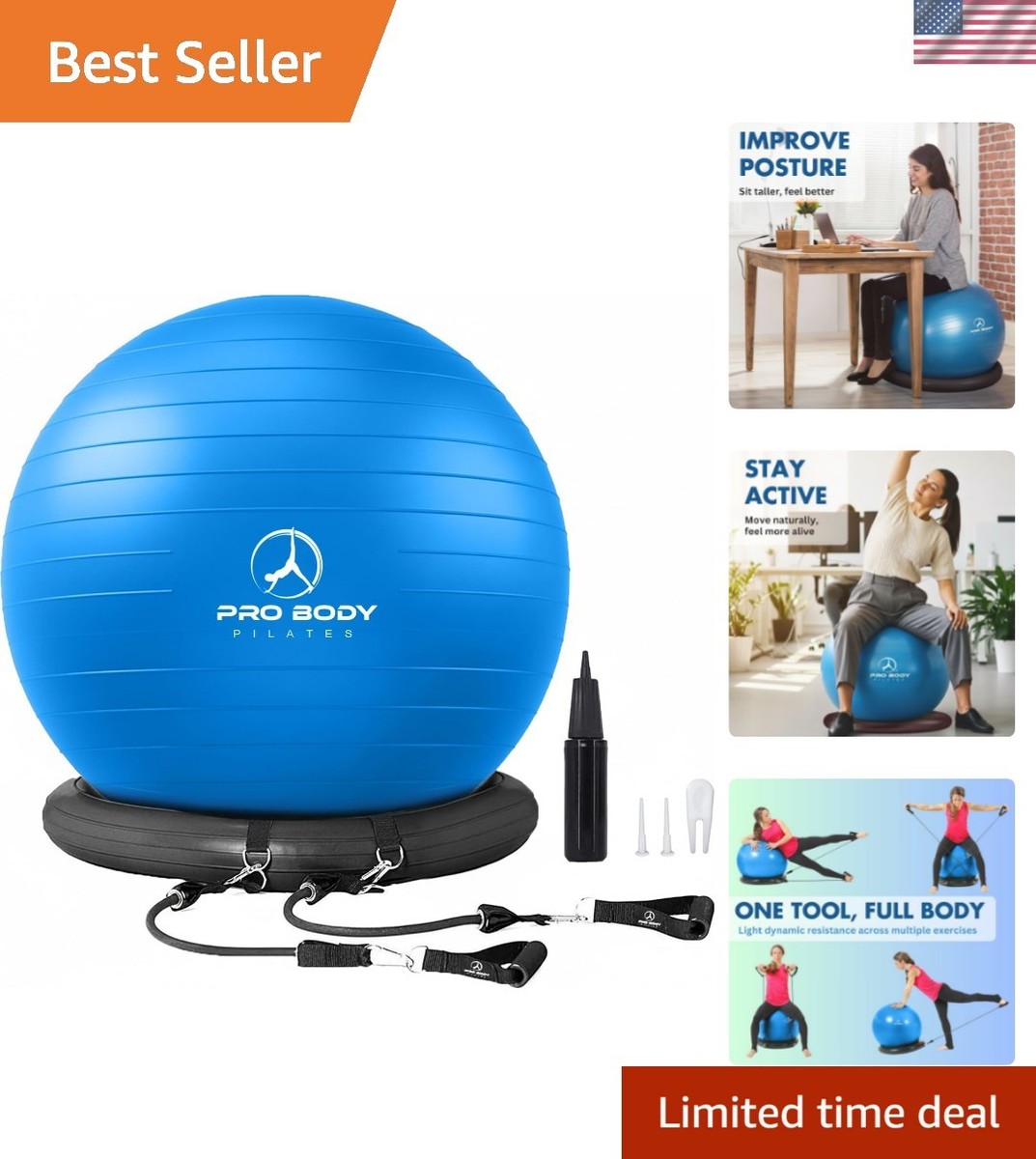
What is a balance ball and why lifespan matters
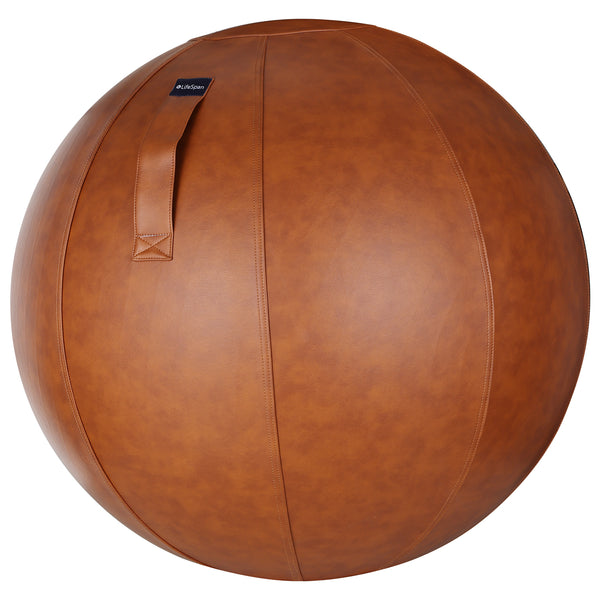
A balance ball is a large inflatable ball made for sitting, exercise, and stability training. They go by names like exercise ball, stability ball, Swiss ball, and yoga ball. The lifespan of a balance ball matters because aging or damage can cause sudden deflation or rupture. That can lead to injury, damaged floors, or lost training time.
I explain materials, common failure modes, and practical care steps so you can choose a ball that lasts. You’ll learn how to match a ball to your use and how long you can expect it to perform well.
Key factors that determine the lifespan of a balance ball
Several simple factors control the lifespan of a balance ball. Knowing them helps you buy wisely and care for the ball properly.
- Material and construction. PVC and anti-burst blends last longer than thin, cheap vinyl. Thicker walls and double-layer designs increase lifespan.
- Weight rating and user load. Using a ball beyond its rated weight shortens life. Frequent heavy loading causes stress at seams.
- Frequency and type of use. Daily high-intensity workouts wear a ball faster than occasional sitting or gentle rehab.
- Punctures and abrasion. Sharp objects, jewelry, or rough floors cause leaks. Pets and outdoor use increase risk.
- Inflation level. Overinflation stresses seams; underinflation increases friction and deformation.
- UV, heat, and storage. Sunlight and hot conditions break down material. Storing in a cool, shaded space extends life.
- Manufacturing quality and brand. Reputable brands often offer tested burst ratings and warranties, which correlates with longer usable life.
These factors together shape the realistic lifespan of a balance ball for your situation.
Typical lifespans by type and use
Expect different lifespans depending on how you use the ball and which type you buy.
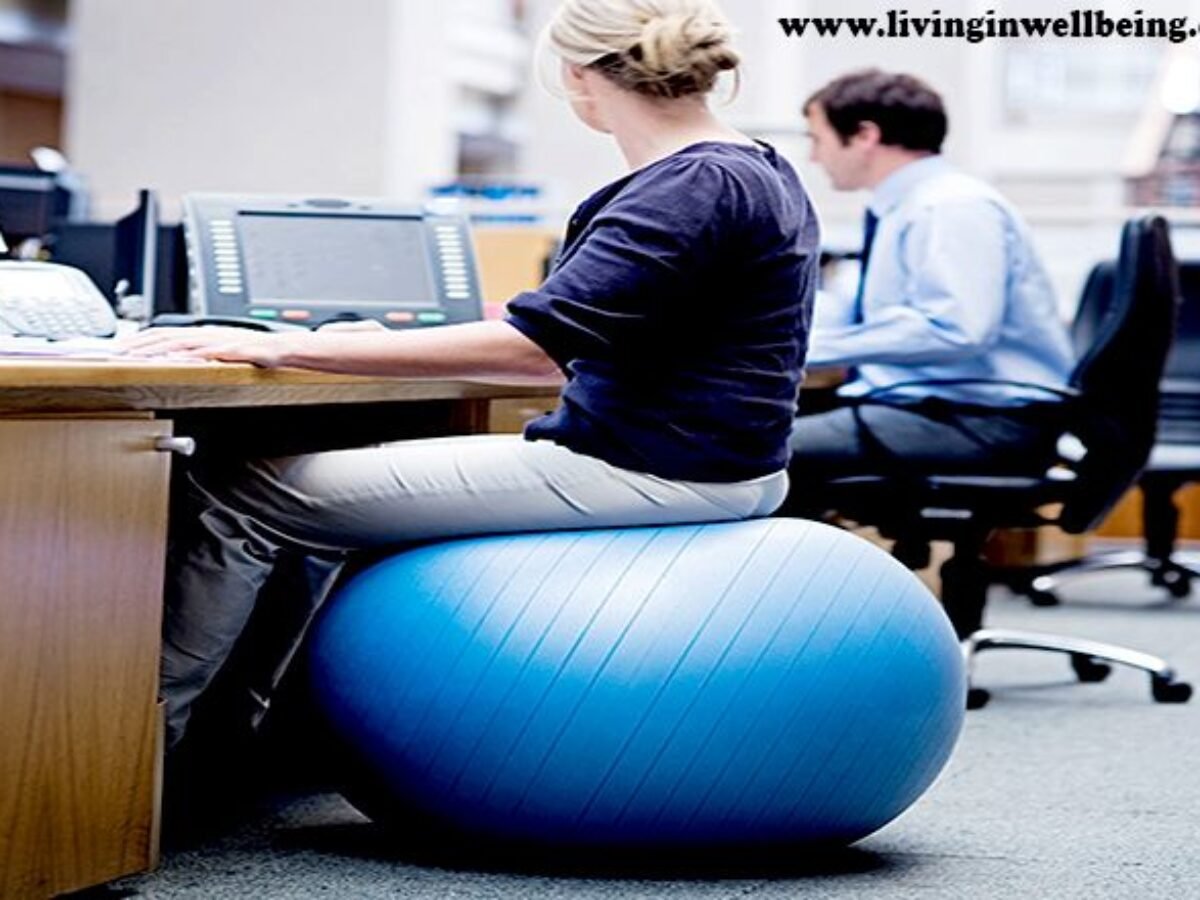
- Home office sitting. For occasional use as a chair, a mid-range ball often lasts 3 to 6 years. Proper inflation and indoor storage help.
- Fitness and daily workouts. When used several times per week, expect 1.5 to 4 years from a mid-quality ball. Heavy daily gym use shortens this.
- Physical therapy and rehab. Light, careful use in therapy settings can yield 4 to 8 years, especially with premium, anti-burst designs.
- Commercial gym or class use. High turnover and heavy use often reduce lifespan to less than 2 years unless the balls are top industrial quality.
- Anti-burst and heavy-duty models. These can last 5 to 10 years when treated well and used within weight limits.
These are typical ranges, not guarantees. The lifespan of a balance ball depends on care, load, and environment. If you need the ball to last longer, choose a higher-quality, anti-burst model and follow care tips below.
How to extend the lifespan of a balance ball
Extending the lifespan of a balance ball is mostly low-effort. Small habits add up.
- Inflate correctly. Use a pump with a gauge. Inflate to the manufacturer’s recommended diameter and pressure.
- Avoid sharp contact. Keep rings, heels, and pets clear. Use a mat under the ball for hard floors.
- Store right. Keep the ball in shade at moderate temperature. Avoid long exposure to sun or extreme heat.
- Clean gently. Use mild soap and water. Harsh chemicals weaken PVC and seams.
- Check often. Inspect seams, valves, and the shell for weak spots. Fix small leaks with a patch kit.
- Rotate use. If you own multiple balls, rotate them to reduce wear on any single ball.
- Use within limits. Respect the weight rating and recommended activities.
From personal experience, a small repair kit saved a ball I used for desk work. Patching the valve area and reducing overinflation kept that ball usable for two extra years.

Signs it’s time to replace a balance ball
Even with care, parts wear out. Replace a ball when you see clear signs.
- Frequent deflation. If you must reinflate daily, the ball is losing structural integrity.
- Visible cracks, thinning, or seam separation. These are red flags for sudden failure.
- Loss of elasticity. When the ball feels brittle or lacks bounce, material breakdown is underway.
- Bulging or uneven shape. Warping signals internal stress or wall damage.
- Manufacturer age or warranty end. If the ball exceeds the maker’s recommended lifespan, replace it for safety.
When in doubt, replace the ball. The small cost of a new one is worth avoiding injury from a sudden rupture.
Maintenance and safety tips
Follow simple steps to keep your ball safe and to maximize the lifespan of a balance ball.
- Measure inflation. Inflate to the diameter the manufacturer lists for your height or to the recommended psi if given.
- Use a floor mat. Mats reduce abrasion and keep the ball cleaner.
- Remove jewelry and sharp objects. This lowers puncture risk during workouts.
- Patch promptly. Use a compatible repair kit designed for the ball’s material.
- Replace if damaged. Don’t rely on a heavily repaired ball for intensive use.
- Follow weight limits. Choose a higher-rated ball if multiple users or heavier users will use it.
- Keep pets away. Pets cause most accidental punctures in home settings.
These steps are practical. I use a mat under my desk ball and keep a small pump and patch kit nearby. That routine extended its useful life by years.

Frequently Asked Questions of What is the lifespan of a balance ball
How long does a typical home balance ball last?
A typical home balance ball lasts about 2 to 6 years with normal use and good care. High-quality models used gently can last longer.
Can a balance ball burst or explode?
Bursting is rare with anti-burst balls, but punctures and rapid deflation can happen with low-quality balls or misuse. Always use within the weight rating and inspect before use.
Does inflation level affect the lifespan of a balance ball?
Yes. Overinflation stresses seams and underinflation increases wear from excessive deformation. Inflate to the manufacturer’s recommended level for best lifespan.
Are anti-burst balls safer and longer lasting?
Anti-burst balls are designed to deflate slowly if damaged, which improves safety. They also use thicker materials, which tend to increase the lifespan of a balance ball.
How do I repair a small leak?
Clean the area, use a patch kit made for the ball’s material, and follow the kit’s cure time. Patching works well for small leaks but may not restore full original strength.
When should I replace a balance ball used for workouts?
Replace a workout ball if you see cracks, seam separation, or frequent air loss, or if it’s older than the manufacturer’s recommended limit. High-stress or commercial use calls for earlier replacement.
Conclusion
A balance ball can serve you well for years when you choose the right type and care for it properly. The realistic lifespan of a balance ball varies widely—from under two years for low-quality, heavy-use units to five to ten years for high-quality, well-maintained anti-burst models. Use the checks and tips here to protect your investment and stay safe.
Make a small plan: buy a quality ball suited to your needs, follow the inflation and storage tips, inspect it regularly, and replace it when you see wear. If this article helped, try a recommended model, subscribe for more gear guides, or leave a comment about your balance ball experience.

