
Balance balls are generally safe for daily workouts when used with good form and sensible progression.
I have trained clients and used balance balls for years, so I know what works and what can go wrong. This article explains how balance balls work, who benefits, what risks to watch for, and exactly how to use them safely every day. Read on for practical tips, simple routines, and evidence-backed guidance that will help you use balance balls with confidence.

Today's Exclusive Deals
Limited-time Exclusive Deals. Check current discount on Amazon.
Check Price on Amazon As an Amazon Associate I earn from qualifying purchases.
What are balance balls and how do they work?
Balance balls are large inflatable balls used for exercise, rehab, and sitting. They challenge stability by creating an unstable surface. Using balance balls forces your core, hips, and small stabilizer muscles to work together to keep you steady. That increased muscle engagement can improve posture, balance, and joint control over time.
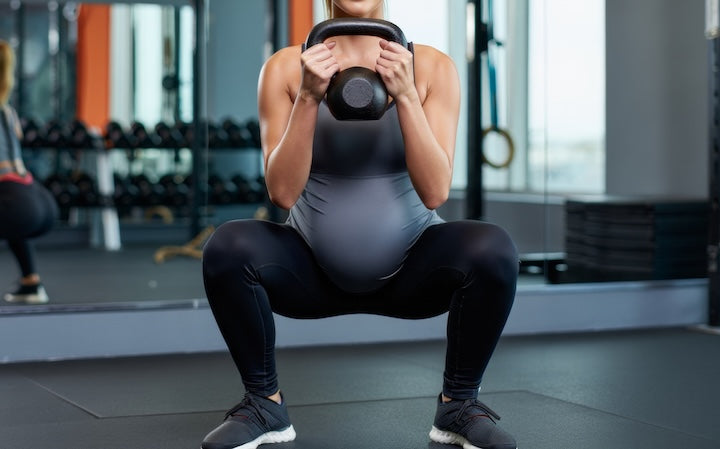
Benefits of daily balance ball use
Using balance balls regularly can give many small wins that add up.
- Improves core strength by making the body recruit deep stabilizers.
- Enhances balance and proprioception, useful for sports and daily tasks.
- Reduces sedentary time when used as an active seat during short periods.
- Adds low-impact variety to regular workouts, boosting engagement and mobility.
Daily use does not mean long, intense sessions. Short, focused sessions on balance balls often produce the best results. I saw clients gain steadier posture and fewer low-back flare-ups after a few weeks of short daily sessions with balance balls.

Risks and safety concerns to watch for
Balance balls are not risk-free. Common problems are preventable with attention to detail.
- Falls: slipping off a ball can cause wrist, shoulder, or head injuries.
- Overuse: relying on instability for every exercise can overload joints or small muscles.
- Poor setup: wrong ball size or underinflation increases injury risk.
- Medical conditions: certain back, shoulder, vestibular, or balance disorders can make daily use unsafe.
If you feel dizziness, sharp pain, or repeated instability, stop and consult a healthcare or fitness pro. In rehab settings, therapists tailor balance ball work to avoid harm.

How to use balance balls safely for daily workouts
A clear plan and gradual progression make daily use safe and effective. Follow these practical steps.
- Choose the right ball size: sit with knees at 90 degrees; feet flat on floor. Common sizes are 55 cm, 65 cm, and 75 cm.
- Check inflation: the ball should feel firm but have gentle give. Avoid over- or under-inflation.
- Warm up: spend 5 minutes on mobility and light cardio before balance work.
- Start simple: begin with seated balance, pelvic tilts, and short bridges. Keep sessions 10–20 minutes at first.
- Progress slowly: add dynamic moves, single-leg holds, or push-up variations only after control improves.
- Use supports: place the ball near a wall or chair for safety during early sessions.
- Focus on form: maintain a neutral spine and controlled breathing. Stop if movement becomes erratic.
A useful daily routine is 10 minutes of balance ball drills plus 10–15 minutes of bodyweight strength work. Consistency beats intensity for balance training.
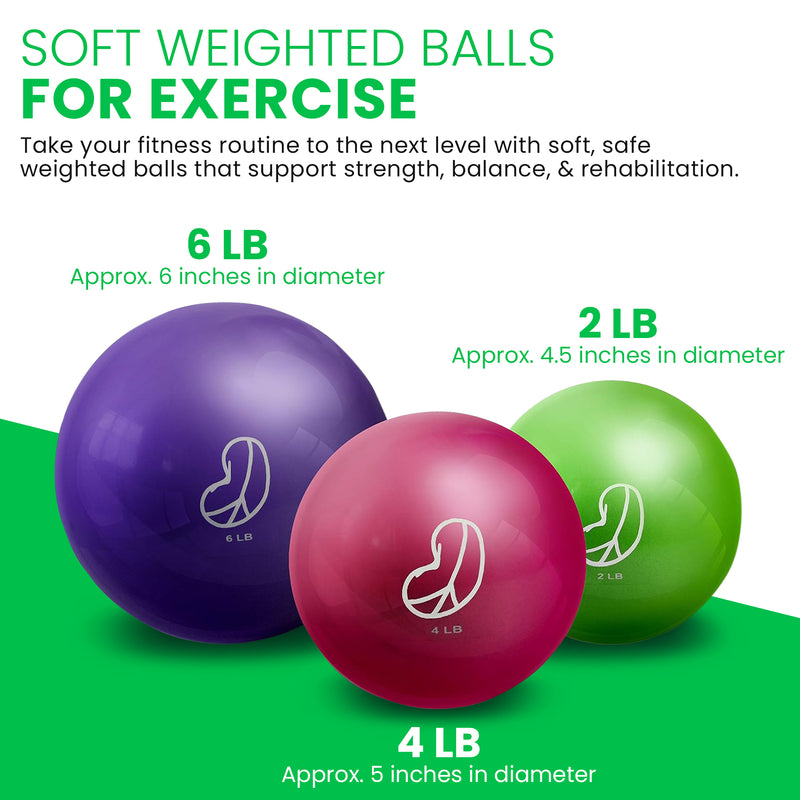
Who should consult a professional before daily use?
Certain people should seek guided advice before using balance balls daily.
- Those with recent fractures, severe osteoporosis, or uncontrolled hypertension.
- People with significant vertigo, inner-ear disorders, or vestibular conditions.
- Individuals recovering from major surgery or with severe balance impairments.
- Pregnant people in later trimesters should check with a provider before more intense balance work.
A physical therapist or certified trainer can adapt exercises and monitor progress to reduce risk.
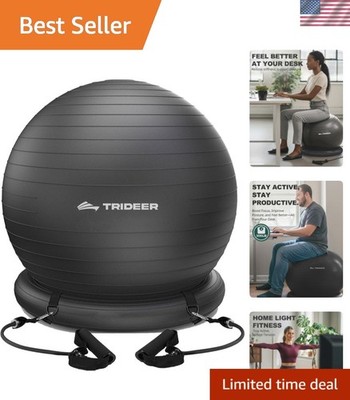
Sample daily workout using a balance ball
This sample plan is simple, safe, and scalable. Perform at a gentle to moderate pace.
- Warm-up (5 minutes)
- March or walk in place, arm circles, and gentle hip swings.
- Core activation (5 minutes)
- Seated pelvic tilts on the ball: 2 sets of 12 reps.
- Standing anti-rotation holds with ball at chest: 2 sets of 10–15 seconds each side.
- Strength and balance (10 minutes)
- Wall-assisted ball squats: 3 sets of 10 reps.
- Single-leg balance with hands on ball for light support: 3 sets of 20–30 seconds per leg.
- Mobility and cool-down (5 minutes)
- Child’s pose over the ball, gentle thoracic rotations, and deep breathing.
Adjust reps and time to match fitness level. Track progress by increasing hold time or reducing hand support.

Personal experience, lessons learned, and common mistakes
I used balance balls daily for months while rehabbing a minor back issue, and learned practical lessons that I share here.
- Start small: short, consistent sessions beat sporadic long workouts. This helped my posture without fatigue.
- Watch your ego: avoid flashy moves until stability is solid. I once felt confident and tried advanced rollouts too soon, which led to soreness.
- Set up properly: a too-small or flat ball makes exercises harder for the wrong reasons. Replacing an old ball fixed repeated knee pain for a client.
- Use variety: mix balance ball work with strength and mobility to avoid overuse.
These real-world lessons show balance balls can be safe and useful when used thoughtfully.

Practical tips for buying and maintaining balance balls
A few small investments reduce risk and increase longevity.
- Pick the right size for your height and intended use.
- Buy a burst-resistant ball for added safety.
- Keep a pump handy and check inflation monthly.
- Clean the ball with mild soap and water to maintain grip.
- Replace the ball if it shows wear, punctures, or significant stretching.
Good gear matters. A well-chosen ball is more stable and safer.

How balance balls compare to other stability tools
Balance balls are one option among many. Here’s how they stack up simply.
- Balance balls vs wobble boards: balls offer dynamic, full-body instability; wobble boards provide a smaller, sharper challenge for ankles.
- Balance balls vs BOSU: BOSU gives a flatter platform and often easier transitions for athletic drills.
- Balance balls vs free weights: balls challenge stability more, while free weights build load-bearing strength.
Choose the tool that matches your goals. For general balance and core work, balance balls are versatile and accessible.
Frequently Asked Questions of Are balance balls safe for daily workouts
Are balance balls safe for beginners?
Yes. Beginners should start with basic seated and supported exercises. Progress slowly and use a wall or chair for support if needed.
Can I use a balance ball every day?
Yes, you can use a balance ball daily in short sessions. Keep sessions brief and vary intensity to avoid overuse.
Will balance balls help with lower back pain?
They can help by strengthening core and stabilizer muscles that support the spine. Consult a professional if you have chronic or severe back pain.
What size balance ball should I buy?
Choose a ball that lets you sit with knees at about 90 degrees. Common sizes are 55 cm, 65 cm, and 75 cm based on height.
Are balance balls safe during pregnancy?
Many pregnant people use balance balls safely, especially for comfort and gentle mobility. Check with your healthcare provider before starting or intensifying use.
How often should I replace a balance ball?
Replace the ball if it shows visible wear, leaks, or loss of firmness. With normal use, quality balls can last several years.
Conclusion
Balance balls are a safe and effective tool for daily workouts when you use the right ball, progress slowly, and watch your form. They boost core strength, balance, and mobility with low impact. Start small, get a proper setup, and consult a professional if you have medical concerns. Try a short daily routine for two weeks and note changes in stability and posture. If you found this helpful, try the sample plan, leave a comment with your experience, or subscribe for more practical tips.

