
Yes — using a balance ball regularly can meaningfully increase flexibility, mobility, and range of motion.
I’ve worked with clients, rehab patients, and fitness classes using balance balls for years. This article explains how a balance ball improves flexibility, when it helps most, and exactly which exercises and routines deliver the best results. Read on for clear, evidence-backed guidance, practical routines, and honest tips from my real-world experience using a balance ball in training and rehab.

Today's Exclusive Deals
Limited-time Exclusive Deals. Check current discount on Amazon.
Check Price on Amazon As an Amazon Associate I earn from qualifying purchases.
What is a balance ball and why it matters for flexibility
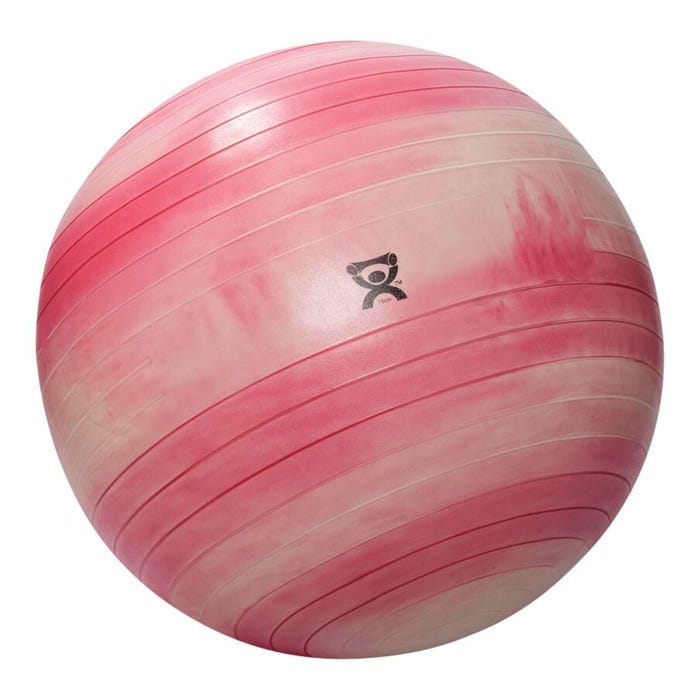
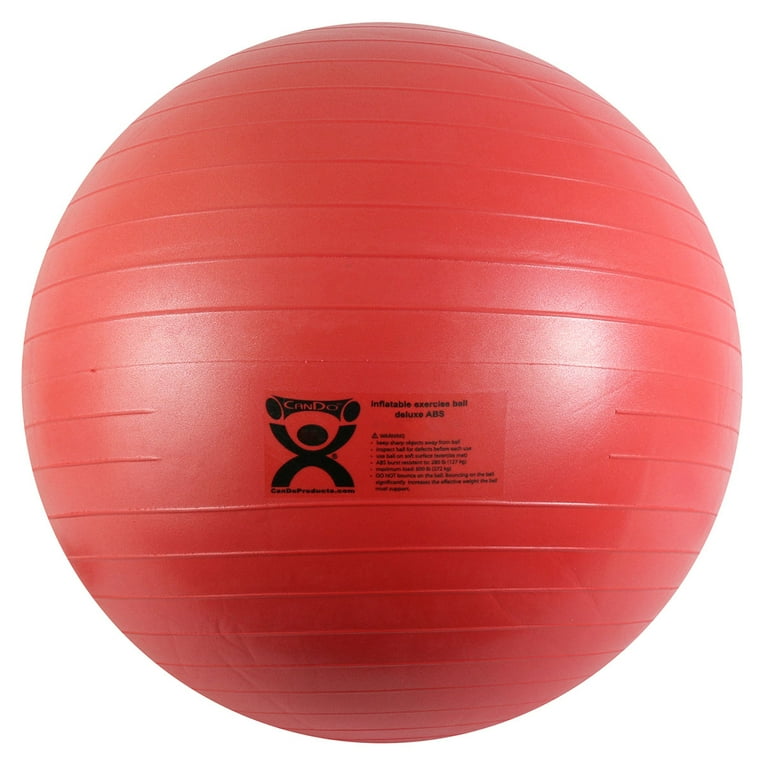
A balance ball is an inflatable exercise ball often called a stability ball, Swiss ball, or exercise ball. It creates an unstable surface that forces your body to recruit muscles for balance. Using a balance ball shifts simple stretches into dynamic, functional movements. That combination can boost mobility, improve joint range of motion, and strengthen stabilizers that support lengthening and movement.
Common terms related to balance ball:
- Stability ball
- Swiss ball
- Exercise ball
- Physio ball
Balance ball work blends stretching, strength, and neuromuscular control into one tool. That makes it useful for people who want flexible muscles that also perform well during real-life movement.
How a balance ball improves flexibility: mechanisms explained
A balance ball improves flexibility through several clear mechanisms. Each helps different aspects of movement.
Neuromuscular re-education
- The unstable surface trains the nervous system to better coordinate muscle activation.
- Improved coordination lets muscles relax or contract at the right time, which allows greater safe range of motion.
Active and dynamic stretching
- Balance ball drills often require controlled movement through motion, which is active stretching.
- Active movement warms tissue and increases range of motion more effectively than passive holds for many people.
Joint decompression and positioning
- Leaning on a balance ball can change joint angles and provide gentle traction.
- This helps relieve tight spots and lets tissues glide more freely during stretching.
Proprioception and balance
- Better body awareness reduces guarding and allows deeper, safer stretches.
- Improved balance supports functional flexibility under load.
My patients and clients often get faster gains when flexibility work is paired with stability drilling on a balance ball. The ball forces engagement of core and hip stabilizers, which protect joints and allow muscles to lengthen with control.
Quick PAA-style questions about balance ball flexibility
Q: Can a balance ball replace static stretching?
A: Not always. A balance ball complements static stretching by adding active and functional movement. Use both for best results.
Q: Is balance ball good for tight hips?
A: Yes. Hip mobility improves with targeted stability ball drills that combine hip extension and controlled rotation.
Q: How long before I see flexibility gains with a balance ball?
A: Most people notice improvements in weeks with consistent 3–4 sessions per week, each 10–20 minutes.

Best balance ball exercises to improve flexibility
Below are practical exercises that target common tight areas. Perform slow, controlled reps. Stop if you feel sharp pain.
Upper back and thoracic mobility
- Ball thoracic extensions: Lie with the ball under your upper back and extend gently. Repeat 8–12 times.
- Seated rotation on ball: Sit on ball, rotate torso slowly left and right for 10 each side.
Shoulder and chest opening
– Ball chest stretch: Lie with the ball under shoulder blades and let arms fall wide for 30–45 seconds.
- Wall-supported ball reach: Press ball against wall and reach overhead to mobilize shoulder girdle.
Hip and lower back mobility
- Hip hinge on ball: Stand, place ball against wall at hip height and hinge forward sliding on ball for 10–15 reps.
- Glute bridge with ball: Feet on ball, lift hips slowly for 12–15 reps to open hip flexors and strengthen glutes.
Hamstring and posterior chain
- Ball hamstring curls: Lie on back, heels on ball, lift hips and roll ball in and out for 12–15 reps.
- Forward roll stretch: Sit, extend legs, roll ball from hips to shins while keeping spine long for 30 seconds.
Calves and ankle mobility
- Ball calf stretch: Place toes on ball and press forward for 20–30 seconds.
- Ankle circles while seated on ball to improve dorsiflexion and proprioception.
Tips for all exercises:
- Breathe steadily and relax when possible.
- Aim for smooth, controlled motion.
- Progress by increasing reps, range, or slow tempo.
Programming: simple balance ball routines for flexibility
Beginner routine (10–15 minutes)
- Ball chest stretch: 30 seconds
- Seated rotation: 10 each side
- Hip hinge on ball: 8–10 reps
- Ball calf stretch: 20 seconds each side
Intermediate routine (15–25 minutes)
- Thoracic extensions: 10 reps
- Glute bridge with ball: 12 reps
- Hamstring forward roll: 30 seconds
- Seated leg swings on ball: 10 each side
- Ankle circles: 30 seconds each ankle
Advanced routine (25–35 minutes)
- Dynamic reach and roll: 12 reps each side
- Single-leg hamstring curl: 10 each leg
- Stabilized lunge with ball support: 8–10 each leg
- Thoracic rotation with hold: 10 each side
- Active flexibility flow combining movements for 5 minutes
Programming tips:
- Warm up 5 minutes before stretching.
- Start 3 times per week and adjust based on recovery.
- Combine balance ball work with foam rolling and static holds as needed.

Safety, limitations, and common mistakes
Safety first when using a balance ball. The unstable surface increases challenge and risk if done poorly.
Common mistakes
- Overstretching: Don’t force joints into painful positions.
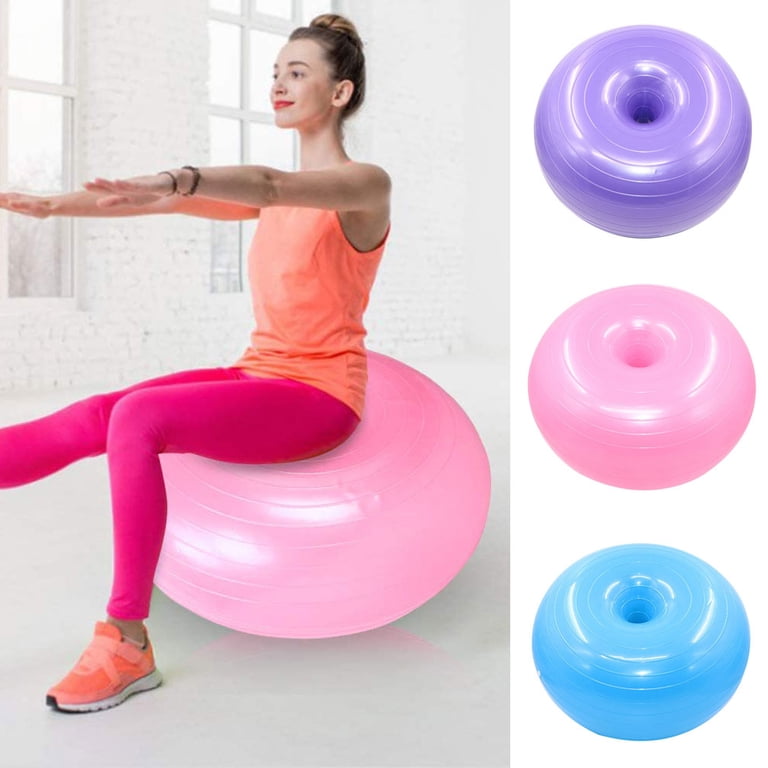
- Poor ball size: Choose a ball that lets your knees form roughly 90 degrees when seated.
- Rushing reps: Fast movements reduce control and increase risk.
Contraindications and caution
- Acute joint injury or severe instability — get medical clearance.
- Severe vertigo or balance disorders — work with a professional.
- Pregnancy — safe with modifications but consult a provider.
How to choose the right ball
- 55 cm for people under 5'6"
- 65 cm for people 5'6" to 6'0"
- 75 cm for people over 6'0"
If unsure, work with a physiotherapist or certified trainer to tailor balance ball work for your needs.

Evidence and expert opinion
Research supports balance ball use for improving balance, core activation, and functional mobility. Studies show that stability work helps proprioception and stability, which indirectly aids flexibility by allowing safer, fuller movement. Rehabilitation literature recommends stability balls for controlled mobilization after injury and for chronic tightness when combined with strengthening.
From a clinical perspective, combining dynamic ball work with targeted stretching yields better adherence and more functional gains than stretching alone. Still, balance ball work is one tool among many. It should be integrated into a broader mobility plan that includes strength, neural mobility, and recovery.
Personal experience: lessons learned and tips from the field
I’ve used a balance ball with rehab clients, office workers, and athletes. Here are practical lessons from that experience.
What worked best
- Short, consistent sessions beat long occasional stretches.
- Pairing ball drills with light strength work reduced pain and improved flexibility faster.
- Using the ball to mimic daily tasks (reaching, twisting) made gains stick.
Mistakes to avoid
- Skipping the warm-up before ball work.
- Using the largest ball possible thinking it’s better — fit matters.
- Ignoring breathing and tension — relax to get length.
Real-life tip
- If your hips are tight from sitting, start with 10 minutes of ball mobilization before strength training. It primes tissue and improves movement quality.

Frequently Asked Questions of Can a balance ball improve flexibility
What makes a balance ball different from regular stretching?
A balance ball adds instability and requires active muscle control. That combination trains both flexibility and the strength needed to use that range safely.
How often should I use a balance ball for flexibility gains?
Aim for three to four short sessions per week, 10–25 minutes each. Consistency matters more than duration.
Can beginners use a balance ball safely?
Yes, with proper instruction and a correctly sized ball. Start with simple seated or supported exercises to build confidence.
Will a balance ball help reduce back pain linked to stiffness?
It can help by improving thoracic mobility and core control, but persistent back pain should be assessed by a professional before beginning new exercises.
Do I need extra equipment to use a balance ball for flexibility?
No. The ball alone is effective. Optional tools like a mat or resistance band can add variety and progression.
Is a balance ball good for athletes who need dynamic flexibility?
Yes. Athletes benefit from the dynamic, sport-specific mobility challenges that a stability ball provides.
How long until I notice better range of motion with a balance ball?
Many people feel small improvements within 2–4 weeks of regular use, with larger gains over months depending on starting flexibility.
Can kids or older adults use a balance ball for flexibility?
With appropriate supervision, both groups can benefit. Modify intensity and focus on safety and comfort.
Should balance ball work replace yoga or Pilates?
No. Balance ball work complements those practices well. Combine them for balanced flexibility and strength.
How do I prevent rolling or falling off the ball?
Use a wall or sturdy surface for support, choose the correct ball size, and practice simple seated and supported moves before progressing.
Conclusion
Using a balance ball is an effective, practical way to improve flexibility, mobility, and functional range of motion when used correctly. It combines stability, active stretching, and proprioception to create lasting, usable gains. Start with short, consistent sessions, pick the right ball size, and pair ball work with strength and recovery for the best results. Try a beginner routine for two weeks and track changes in comfort and range of motion; then adjust intensity and frequency. If you found this useful, leave a comment, share your experience with a balance ball, or subscribe for more practical fitness and rehab tips.

