
Yes — balance balls can aid weight loss, but only as a small part of a larger plan.
I have used stability balls in clinics and gyms for years. I know how they work and when they help. This article explains whether Do balance balls help with weight loss, how they work, what to expect, and how to use them safely. You will get clear facts, practical tips, and realistic expectations. Read on to learn when a balance ball helps, when it does not, and how to use one to support real weight loss goals.

Today's Exclusive Deals
Limited-time Exclusive Deals. Check current discount on Amazon.
Check Price on Amazon As an Amazon Associate I earn from qualifying purchases.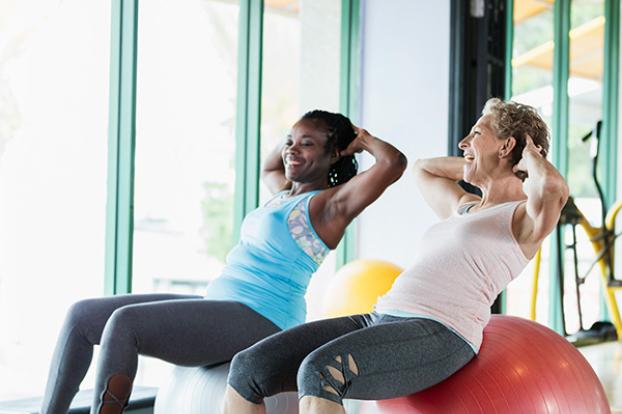
How a balance ball works: basics and key benefits
A balance ball is an inflated, round ball. It is also called a stability ball or Swiss ball. The unstable surface forces your body to make small corrections. That engages core muscles and stabilizers. It also improves posture and balance. Using the ball changes how muscles fire. That can make exercises feel harder. For some moves, the ball increases muscle activation. For others, it makes you burn slightly more calories. Overall, the ball is a tool to add instability, variety, and core challenge to workouts.

Can balance balls help with weight loss?
Short answer: yes, but only indirectly. Do balance balls help with weight loss when used the right way. They raise muscle activation and can slightly increase calorie burn. But they are not a magic weight-loss tool. Real weight loss comes from a calorie deficit. The ball helps by making workouts more effective and more engaging.
How they help
- Increase core and stabilizer activation during exercises.
- Add intensity to bodyweight moves without heavy weights.
- Improve posture and function so you can train harder.
- Make workouts more fun, which helps with adherence.
How they fall short
- A short ball session burns only modest calories.
- They do not replace steady cardio or resistance training for large calorie burn.
- Relying on the ball alone rarely creates a big energy deficit.
What research and practice show
- Studies report higher muscle activity when using an unstable surface.
- Calorie burn differences are small compared with vigorous cardio.
- Trainers use balls as a complement to strength and cardio work, not a replacement.
PAA-style questions
How many calories do you burn on a balance ball?
Calorie burn is small for passive sitting or light moves. Active exercises on a ball can burn more, but still less than intense cardio. Exact calories depend on exercise, intensity, and body weight.
Can a balance ball replace a gym membership for weight loss?
No. A ball can help you train at home. But to lose weight, you need a mix of cardio, resistance work, and a calorie-controlled diet. The ball is a useful tool in that mix.
Will sitting on a balance ball all day help me lose weight?
Sitting on a ball burns only a few extra calories versus a chair. It may improve posture but is not an effective weight-loss strategy by itself.

Best balance ball exercises for weight loss
Use the ball to make multi-joint moves harder. Combine these exercises into circuits for more calorie burn. Aim for 2–4 sets of 10–20 reps, or 30–60 seconds for timed moves.
Ball squat to press
Stand with ball between back and wall. Squat, then press arms overhead. Works legs and shoulders.Stability ball rollouts
Kneel and roll the ball forward with forearms. Great for core and shoulder control.Ball pike or jackknife
Start in plank with shins on the ball. Pull hips up to make a pike. High core demand.Hamstring curl
Lie on your back with heels on the ball. Bridge hips and roll the ball toward you. Targets glutes and hamstrings.Push-up with hands or feet on ball
Use the ball to change stability. This increases core and chest work.Ball mountain climbers
Feet on the ball. Drive knees in fast for cardio and core combo.
Sample workout to lose weight
- Warm-up: 5 minutes brisk walking or marching.
- Circuit: 30 seconds each exercise, 15 seconds rest, repeat circuit 3–5 times.
- Ball pike
- Ball push-ups
- Hamstring curl
- Ball mountain climbers
- Cool-down: 5 minutes walking and light stretching.

How to use a balance ball safely and effectively
Start simple. Use the right size ball. For safety and results, follow these steps.
Pick the right size
Sit on the ball. Your knees should bend at 90 degrees. If not, use a different ball size.Inflate correctly
The ball should be firm but have a little give. Overinflated balls can be slippery.Learn basic moves first
Master squats and planks before adding complex progressions on the ball.Progress slowly
Add instability once forms are perfect on stable ground.Combine with cardio and strength
Use the ball as part of a broader plan. Mix with walking, jogging, cycling, or weight training.Frequency and duration
Do ball-based workouts 3–5 times per week. Keep sessions 20–45 minutes for most people.Safety tips
Exercise on a flat surface. Wear supportive shoes when standing on the ball. Stop if you feel sharp pain.

Limitations and when to choose other tools
Balance balls are versatile. But they have limits for weight loss. Know when to use them and when to pick something else.
Limitations
- Low overall calorie burn for many ball-only workouts.
- Not ideal for heavy resistance training or maximal strength gains.
- May not be suitable for people with severe balance problems or certain injuries.
When to choose other tools
- Use a treadmill, bike, or rower for sustained cardio.
- Use free weights or machines for heavy resistance training.
- Use the ball for rehab, core work, and variety.
Combine tools for best results
- Use a ball for core and stabilizer training.
- Use cardio machines or classes for higher calorie burn.
- Use weights for muscle growth and metabolic boost.

Personal experience, lessons learned, and practical tips
I used balance balls in clinic rehab and my home workouts. I taught clients to add ball circuits for variety. I saw better core control and fewer back complaints. I also learned what not to do.
Lessons learned
- Clients who only used the ball expected quick weight loss. They were disappointed.
- The ball helped people stick to routines when they found workouts boring.
- Mixing ball work into circuits boosted intensity and kept people engaged.
Mistakes to avoid
- Using the ball as the only tool for weight loss.
- Trying advanced moves before mastering basics.
- Choosing the wrong ball size.
Practical tips
- Combine ball work with brisk walking or HIIT for greater calorie burn.
- Track calories and food intake. Ball workouts must fit into a calorie plan.
- Use the ball for warm-up, core circuits, and as a recovery tool.

Frequently Asked Questions of Do balance balls help with weight loss
Do balance balls burn more calories than regular exercises?
Balance balls can burn slightly more calories for certain moves due to instability. For most workouts, they burn fewer calories than intense cardio or heavy resistance training.
How often should I use a balance ball to see results?
Aim for 3–5 sessions per week, each 20–45 minutes. Results depend on overall activity, diet, and intensity.
Can beginners use a balance ball safely?
Yes. Beginners should start with basic seated and standing moves. Progress slowly and focus on form.
Will a balance ball help flatten my stomach?
A ball can strengthen and tone core muscles. For visible fat loss, you need a calorie deficit and full-body training.
Are balance balls good for people with back pain?
They can be useful for rehab and posture work when used correctly. Consult a healthcare professional for persistent or severe pain.
Can I use a balance ball for full-body workouts?
Yes. You can create full-body circuits that include lower body, upper body, and core moves. Combine with cardio for best fat loss effects.
Conclusion
Balance balls can support weight loss by increasing muscle activation, improving function, and keeping workouts interesting. Do balance balls help with weight loss? Yes, but they are a supporting tool. They work best when combined with cardio, strength training, and a calorie-controlled diet. Start with simple moves. Progress slowly. Track your food and activity. Use the ball to add variety and to strengthen your core. Try a 3-week plan that mixes ball circuits with cardio. Notice improvements in stability and energy. If you liked this guide, try a ball workout this week, leave a comment, or subscribe for more practical tips.

