Yes. Balance balls are effective tools in many physical therapy programs when used correctly.
I have worked in clinical rehab for over a decade and have used balance balls with patients of many ages and conditions. This article explains how balance balls can be used in physical therapy, when they help most, safety limits, and practical steps you can try. Read on for clear, evidence-aware guidance and hands-on tips from real practice.
Today's Exclusive Deals
Limited-time Exclusive Deals. Check current discount on Amazon.
Check Price on Amazon As an Amazon Associate I earn from qualifying purchases.
Benefits of balance balls in physical therapy
Balance balls help build core strength, stability, and balance. They force small muscles to work to keep you steady. They also reduce joint load by allowing gentle movement and support. Using balance balls in physical therapy can speed recovery and make exercise more fun and engaging.

How balance balls are used in physical therapy
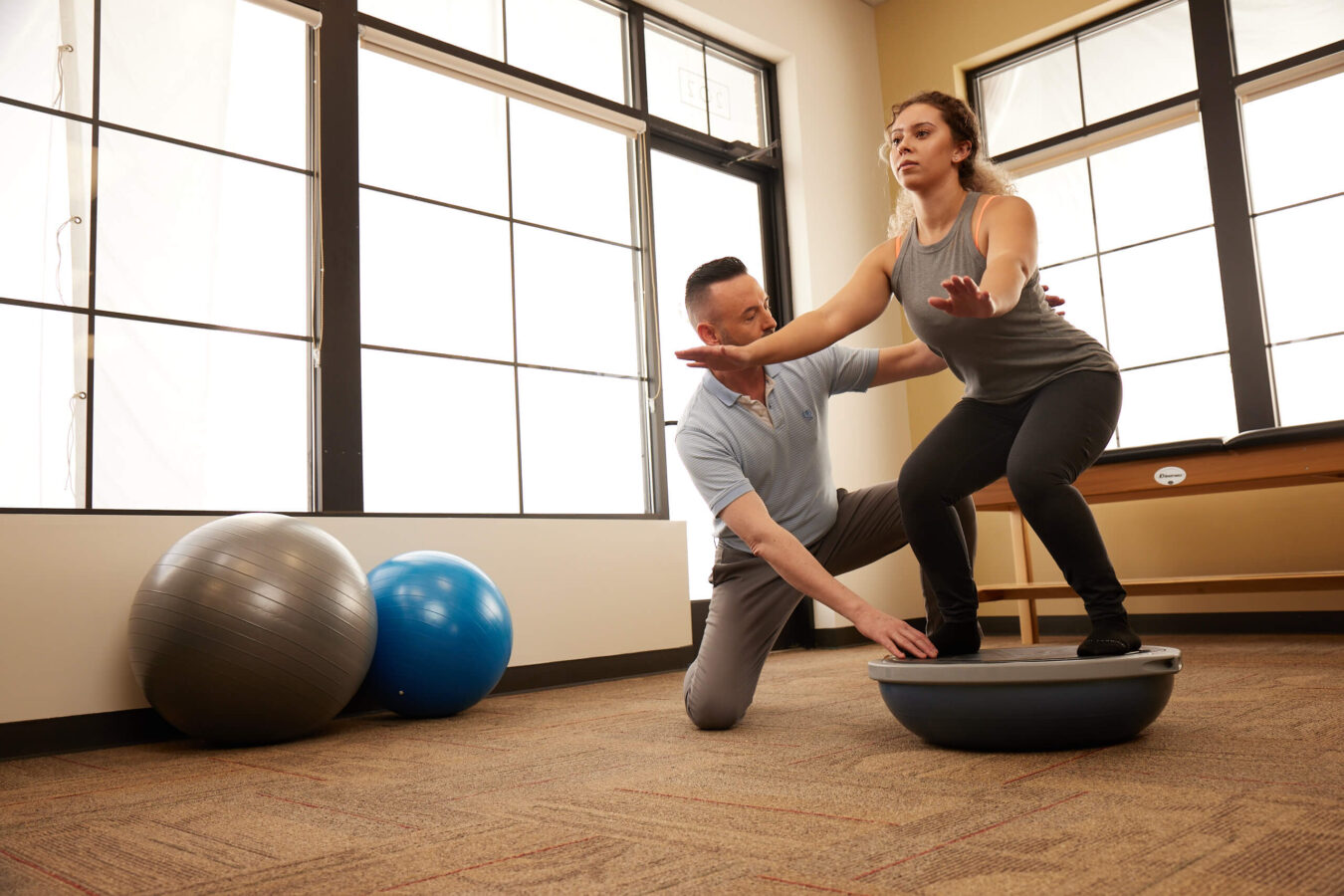
Therapists use balance balls for posture work, balance training, and core rehab. They can be used for seated exercises, supported standing work, and dynamic drills. Balance balls are often part of graded programs that increase challenge as the patient improves. Many clinics use balance balls alongside bands, weights, and balance pads.
Can balance balls improve core strength quickly?
Yes. Short, consistent sessions on a balance ball activate deep core muscles. Progress is steady when paired with targeted cues.
Are balance balls safe for older adults?
They can be safe with supervision and proper setup. Use a stable surface and therapist support at first.
How long before balance improves with balance ball training?
Most people notice small gains in weeks. Consistent practice three times weekly gives reliable change.
Types and sizing of balance balls for therapy
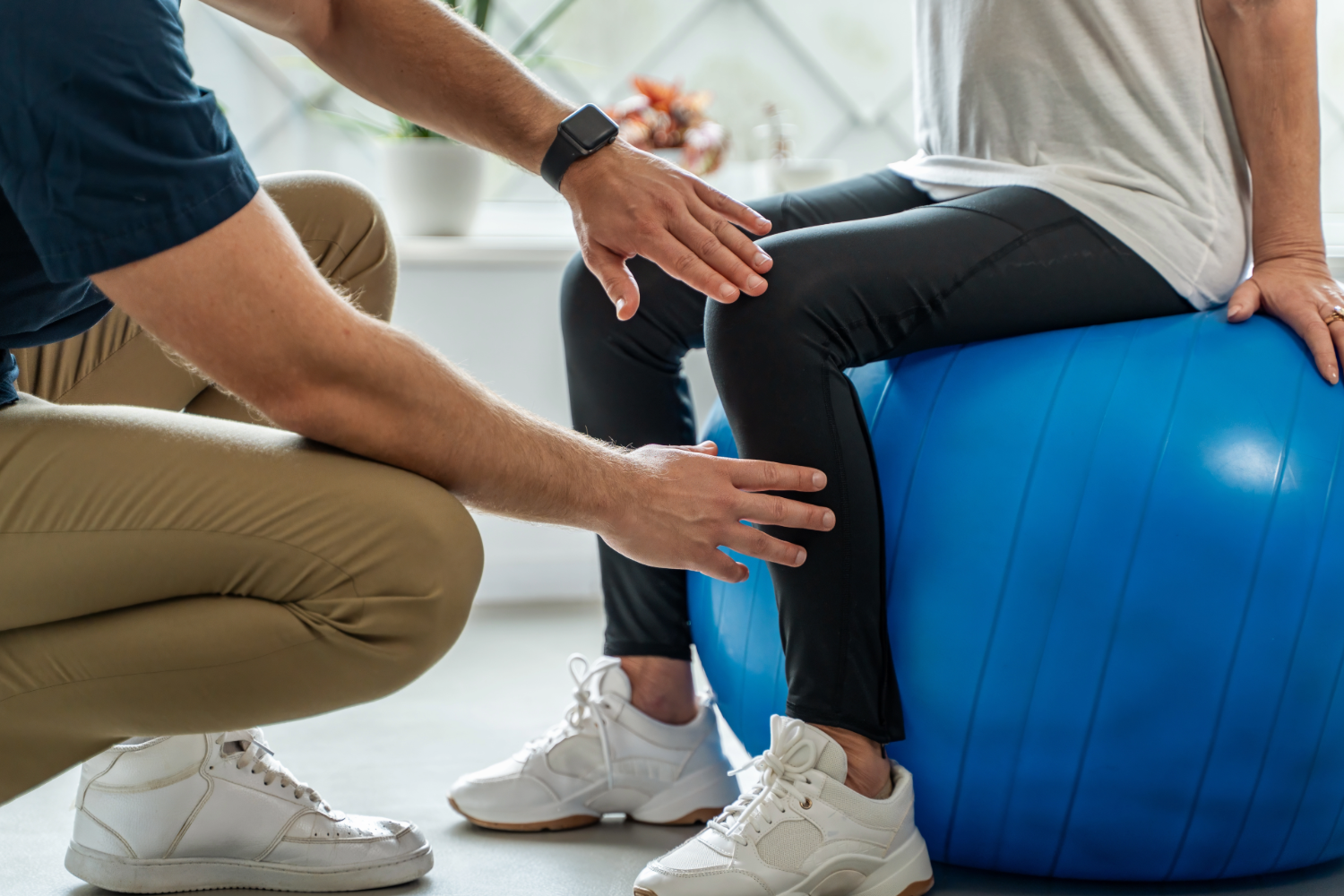
Therapy balls come in different sizes and textures. Common sizes are 45 cm, 55 cm, 65 cm, and 75 cm. Choose a ball so the knees are at about 90 degrees when seated. Specialized balls include anti-burst and stability cushions for added safety or portability.
- Swiss ball for general stability work and large movements.
- Mini ball for targeted hip or shoulder exercises.
- Wobble cushion for standing balance and ankle control.
- Anti-burst therapy ball for clinics and heavy use.
Safety, contraindications, and precautions
Not every patient should start on a balance ball right away. Avoid use when a patient has unstable fractures, uncontrolled dizziness, or acute severe pain. Always screen for vestibular issues, recent surgery, or uncontrolled blood pressure. Start close to a stable surface, use a spotter, and choose the right ball size for safety.

Sample exercises and programs by condition
Below are simple routines used in clinics. Start easy and progress slowly. Modify each move for pain, range, and balance.
Low back pain
- Seated pelvic tilts on the ball to retrain deep core control.
- Bird-dog with hands on the ball for load and reach.
Ankle sprain and instability
- Single-leg stands with the foot on a small balance cushion.
- Gentle toe taps while seated on a ball to retrain proprioception.
Post-stroke or neurological rehab
- Supported sitting balance with therapist hands nearby.
- Weight shifts on the ball to practice midline control.
Neck and shoulder rehab
- Seated scapular squeezes on the ball.
- Wall roll-outs with the ball to improve posture and shoulder mobility.

Evidence and research summary
Research shows balance training helps reduce falls and improves balance metrics. Studies support using unstable surfaces to increase muscle activation versus stable surfaces. The best outcomes come from tailored programs and progressive overload. Evidence supports combining balance ball work with other targeted rehab for best results.

Practical tips, progressions, and mistakes to avoid
Keep sessions short and frequent. Start with 5 to 10 minutes and build time. Use clear cues and hands-on feedback when needed. Avoid jumping into advanced moves too soon and do not use a ball if pain increases. Track progress with simple tests like timed single-leg stance or sit-to-stand.
- Start supported: hands on chair or wall.
- Add challenge: narrow base, eyes closed, or dual tasking.
- Measure progress: time, repetitions, and patient report of confidence.
Personal experience and lessons learned
In my practice I used balance balls to help a 68-year-old woman regain confidence after a fall. We began with seated work and short standing holds with a therapist nearby. Over eight weeks she improved balance times and returned to gardening. The key lesson was to move slowly and celebrate small wins. I learned that the ball is a tool to build confidence as much as strength.
Frequently Asked Questions of Can balance balls be used in physical therapy
Can balance balls be used in physical therapy for seniors?
Yes. With proper supervision, balance balls help seniors improve balance and reduce fall risk. Start with seated work and progress to supported standing tasks.
How often should I use a balance ball in physical therapy?
Aim for 2 to 4 short sessions per week as part of a broader rehab plan. Consistency matters more than long single sessions.
Can balance balls replace other therapy equipment?
No. Balance balls are a useful complement but not a full replacement for strength training, manual therapy, or targeted modalities. Use them as part of a well-rounded program.
Will balance balls help with chronic low back pain?
They can help by improving core control and posture when used in a graded plan. Combine ball work with mobility and strength exercises for best results.
Do I need a therapist to start using a balance ball?
You do not always need a therapist, but a supervised session is wise for the first use. A therapist can ensure safe form and the right progression.
Are balance balls good for ankle rehab after a sprain?
Yes, they can improve proprioception and balance after an ankle sprain. Start with low-challenge exercises and progress as control returns.
What size ball should I buy for therapy at home?
Choose a size that lets your knees form about a right angle when sitting. Common picks are 55 cm for average heights and 65 cm for taller users.
Conclusion
Balance balls are practical, evidence-backed tools that can be used in physical therapy for many goals. They help build balance, core strength, and confidence when chosen and progressed wisely. If you want better balance, start slow, use the right size, and get an expert check-in. Try one simple exercise this week, and share your progress or questions to learn more.