
Inversion tables can help some people with herniated discs, but benefits are mixed and risks exist.
I have treated and studied back pain for years and tested inversion therapy myself. This article explains whether inversion tables work for herniated discs, who may benefit, what the research says, and how to use them safely. Read on for clear, practical advice based on clinical findings and hands-on experience.

Today's Exclusive Deals
Limited-time Exclusive Deals. Check current discount on Amazon.
Check Price on Amazon As an Amazon Associate I earn from qualifying purchases.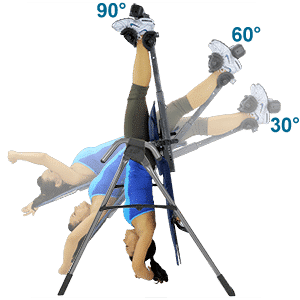
How inversion tables work and the idea behind traction
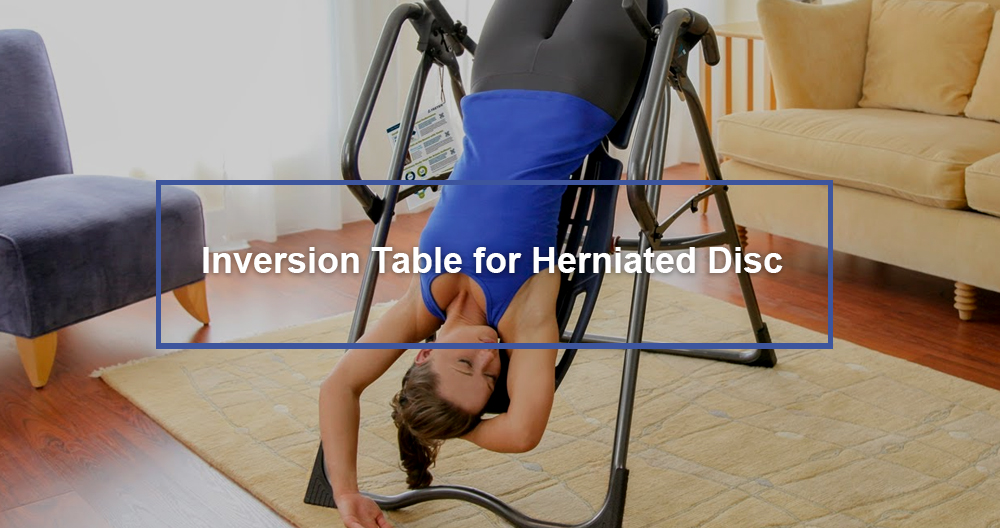
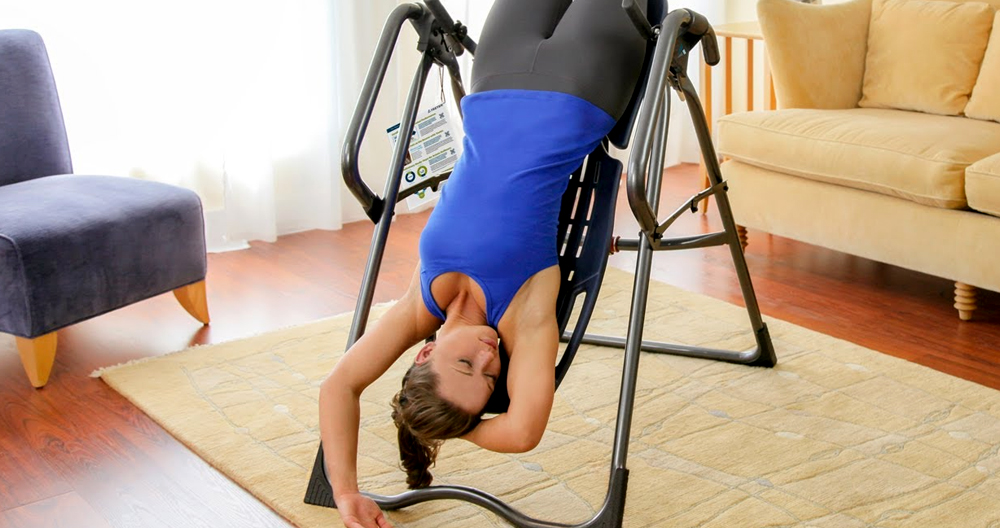
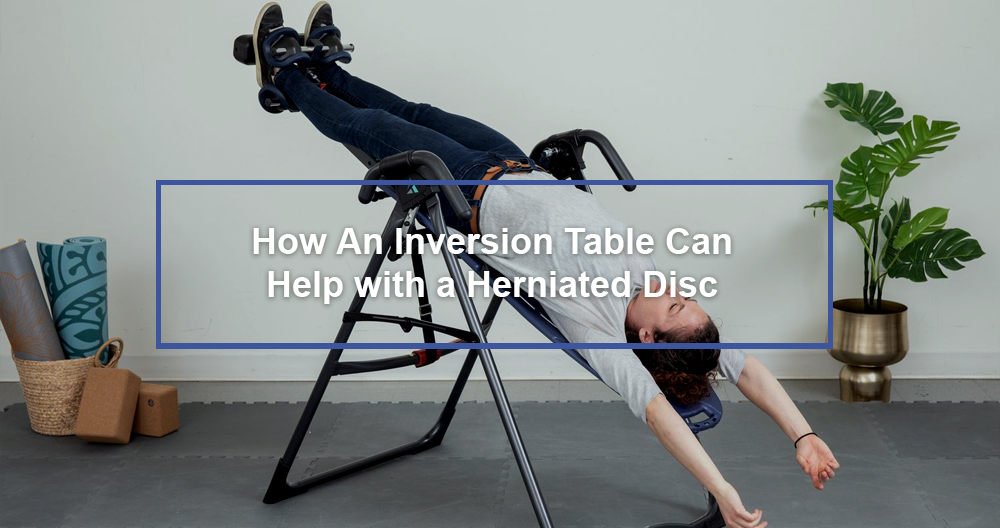
Inversion tables tilt your body so your head is lower than your hips. This creates a gentle stretch along the spine. The idea is to reduce pressure between vertebrae and ease nerve compression.
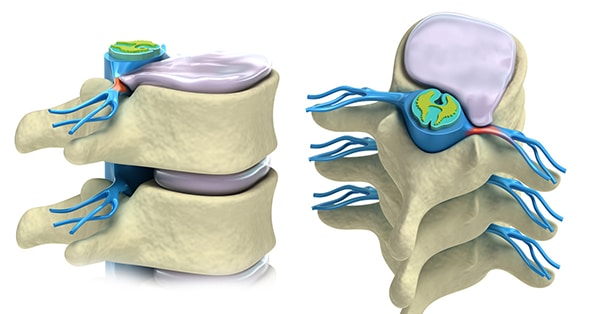
Spinal traction can change disc pressure for short times. That may ease pain and improve motion in some people. However, effects can be temporary and vary by person.
Key mechanics
- Gravity uses your body weight to create spinal decompression.
- Muscles may relax, reducing muscle spasm.
- Space between vertebrae can increase by small amounts during inversion.
Are inversion tables good for herniated discs? The concept is sound for mild to moderate cases, especially when used with other treatments. But results are not universal.
Evidence: what research and clinical reports say
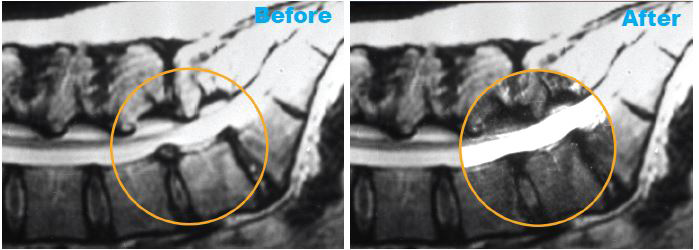
Clinical studies show mixed results for inversion therapy for herniated discs. Some trials report short-term pain relief and improved function. Other studies find no long-term benefit over standard care.
Important findings to keep in mind
- Short-term relief is the most common outcome. Many patients feel less pain after a few sessions.
- Long-term structural change to a herniated disc is rare from inversion alone.
- Individual response varies. Factors include age, disc severity, and how soon treatment starts.
Are inversion tables good for herniated discs according to research? They may help with symptoms in the short term, but evidence for long-term healing is limited. Use them as one part of a broader plan, not a cure-all.
Who may benefit and who should avoid inversion therapy
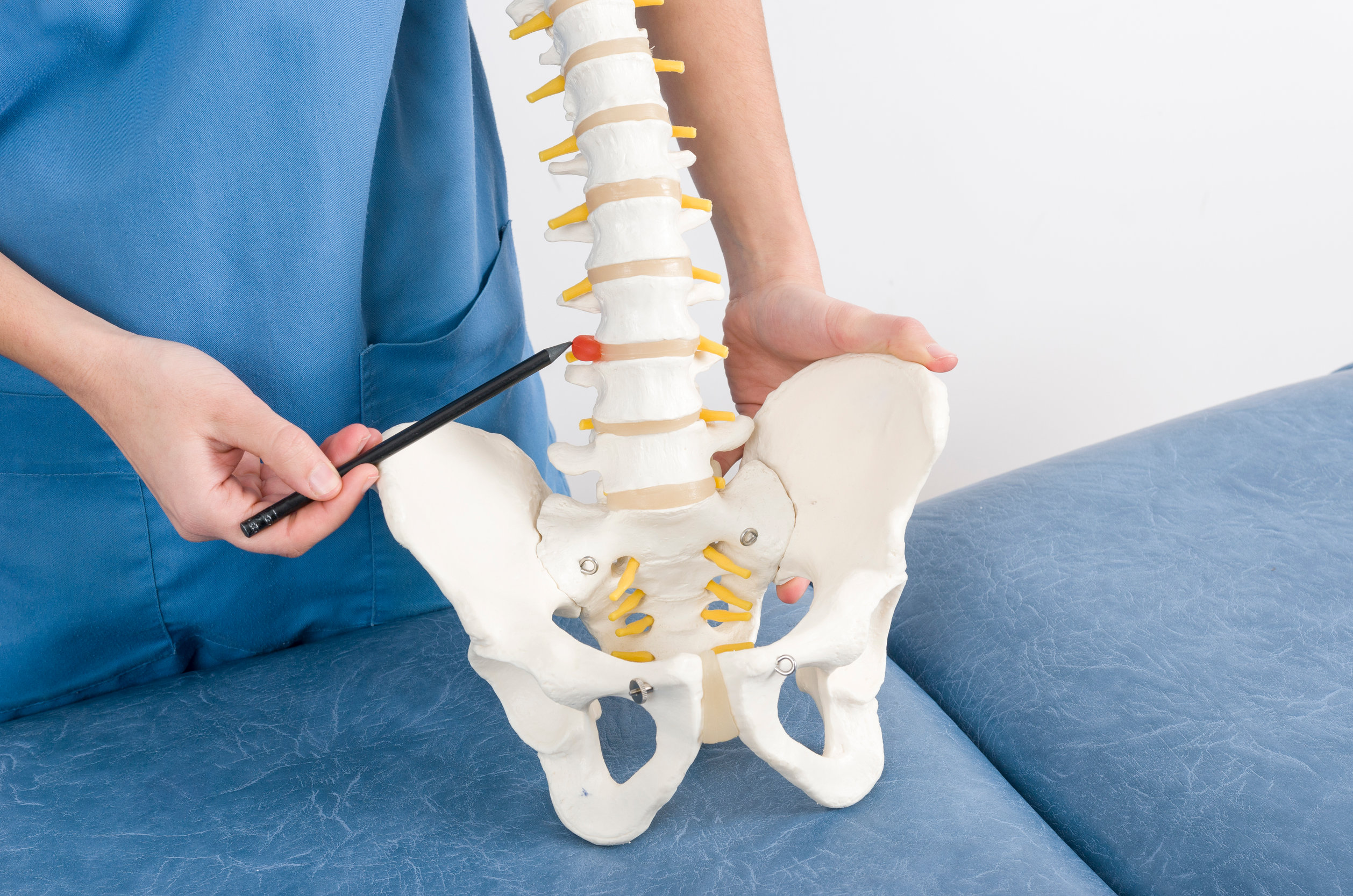
Not everyone should use inversion tables. People with certain health issues face risks. Others may find meaningful relief.
Who may benefit
- People with mild to moderate disc bulges who want non-surgical relief.
- Those who experience pain relief from gentle traction or stretching.
- Patients cleared by a clinician to try conservative therapies.
Who should avoid inversion therapy
- People with high blood pressure, heart disease, or glaucoma.
- Anyone with osteoporosis or advanced spinal instability.
- Pregnant people or those with severe cardiovascular risk.
When asking "Are inversion tables good for herniated discs?" consider your full health picture. Always consult your doctor first.
How to use an inversion table safely for a herniated disc
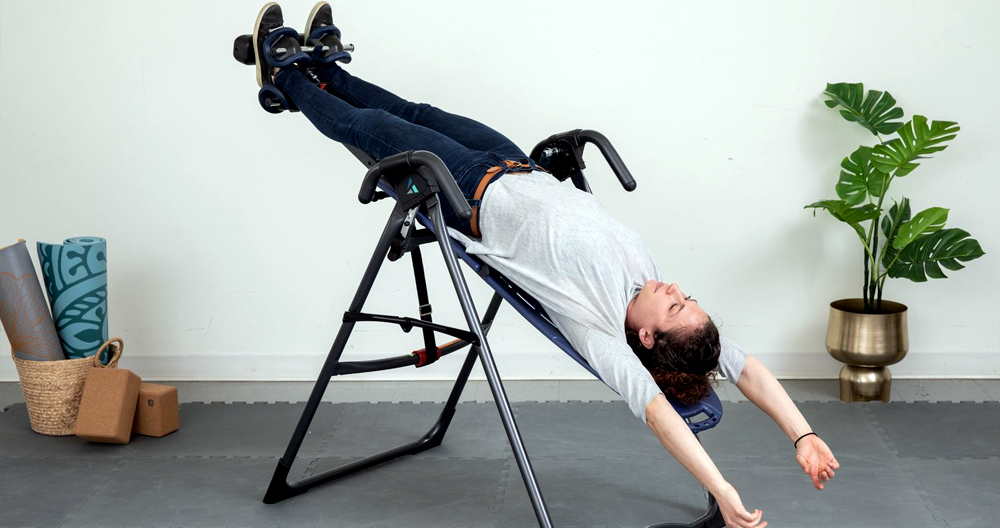
Safety matters more than stretching. Follow simple steps to reduce risk and get the most benefit.
Start slow
- Begin at a small angle, such as 20 to 30 degrees.
- Spend one to two minutes per session at first.
- Increase angle and time gradually if you feel fine.
Follow practical steps
- Warm up with light movement before inverting.
- Breathe slowly and avoid holding your breath.
- Stop immediately if you feel severe pain, dizziness, or chest pressure.
Combine with care
- Use inversion sessions alongside physical therapy and core work.
- Track your symptoms to see if pain improves or worsens.
Are inversion tables good for herniated discs when used safely? They can be a useful tool in a supervised plan, but do not skip medical advice.
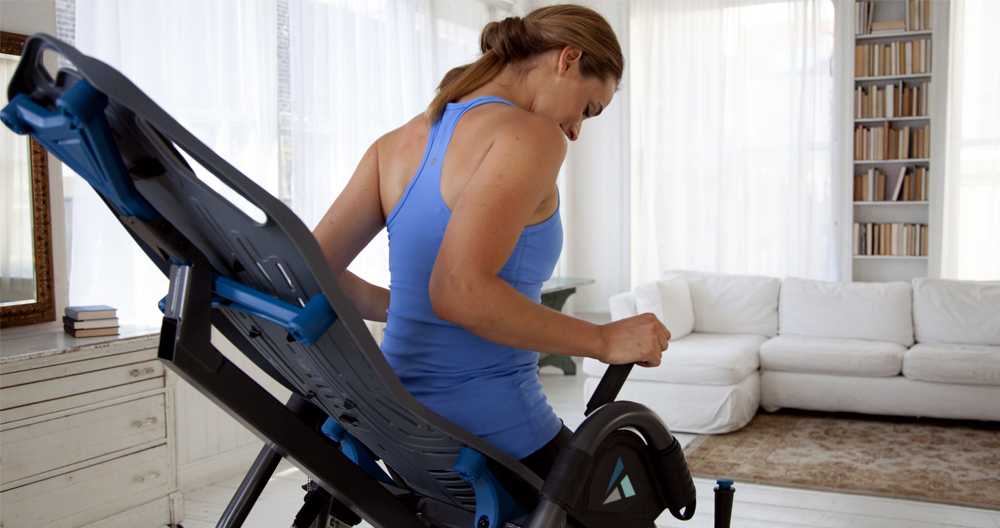
PAA-style question: Will inversion tables help a herniated disc?
For many people, inversion tables reduce pain for a short time by decreasing nerve pressure. They do not reliably fix the disc permanently and should be combined with therapy.
PAA-style question: How long should I invert for back pain?
Start with one to two minutes at a low angle. Gradually add time up to five to ten minutes per session if tolerated, following medical guidance.
PAA-style question: Can inversion make a herniated disc worse?
If you have unstable spine, severe compression, or a vascular condition, inversion can worsen symptoms. Always get clearance from your clinician to reduce risk.
Alternatives and complementary treatments to consider
Inversion therapy is one option. Other safe choices can help pain and healing.
Non-surgical options
- Physical therapy focused on core strength and posture.
- Targeted exercises and flexibility work.
- Manual therapy and guided traction performed by professionals.
- Pain management: over-the-counter meds, topical treatments, or prescribed meds when needed.
When surgery is needed
- Surgery may be appropriate for severe nerve compression or progressive weakness.
- Inversion is not a replacement for surgical evaluation when red flags are present.
Use inversion tables as a complement, not a substitute, for proven care.
Personal experience: what I learned testing inversion therapy
I used an inversion table during a mild lumbar flare. I felt quick easing of tightness after two sessions. The relief lasted hours rather than weeks.
Lessons learned
- Start slow and listen to your body.
- Combine inversion with posture work and walking.
- Track changes with a diary. Note angle, time, and pain levels.
Mistakes to avoid
- Jumping to full inversion too fast.
- Using inversion as the only treatment for a serious disc problem.
- Skipping medical clearance if you have heart or eye issues.
From my experience, inversion tables helped with symptoms but did not fix the disc. They were a useful tool in a broader recovery plan.
Practical tips for choosing and maintaining an inversion table
A good unit is safe, stable, and adjustable. You do not need the most expensive model, but choose quality.
Shopping tips
- Pick a sturdy frame and secure ankle supports.
- Look for adjustable angles and easy locking mechanisms.
- Read user reviews and choose brands with good warranties.
Maintenance tips
- Check bolts and pins regularly.
- Keep the unit on a flat surface.
- Follow weight limits and manufacturer instructions.
Are inversion tables good for herniated discs if chosen and used properly? Yes, they can be safe and effective for symptom relief when you pick the right unit and follow safety rules.
Frequently Asked Questions about Are inversion tables good for herniated discs
Do inversion tables reduce pressure on herniated discs?
Yes. Inversion creates traction that can reduce disc pressure briefly and ease nerve irritation. The effect tends to be short-term and symptom-based.
How often should I use an inversion table for a herniated disc?
Use inversion sparingly at first: once daily or every other day for short sessions. Increase frequency only if it improves symptoms and your clinician approves.
Can inversion therapy replace physical therapy for a herniated disc?
No. Inversion can help symptoms but does not replace the targeted exercise and rehabilitation that physical therapy offers. Combine both for better results.
Is inversion therapy painful?
Most people feel only mild pulling at first. Some may feel increased pain or pressure, which means stop and speak to your clinician. Never push through severe pain.
When should I stop using an inversion table and see a doctor?
Stop immediately and seek care if you have new weakness, numbness in the legs, bowel or bladder changes, severe chest pain, or fainting. These signs need urgent evaluation.
Conclusion
Inversion tables can ease pain for some people with herniated discs. They offer short-term spinal traction and symptom relief when used safely and with medical clearance. They do not reliably heal a herniated disc on their own, so pair inversion with physical therapy, core work, and guidance from a clinician. If you decide to try an inversion table, start slow, track your response, and stop if problems arise. Try it as part of a smart recovery plan, and share your experience with a clinician or community to learn what works best. Consider subscribing or leaving a comment to tell us about your journey with back pain and inversion therapy.

