
Yes — inversion tables can temporarily reduce pressure on spinal discs and may ease back pain.
I have studied spine health and used inversion therapy under clinical guidance. In this article I explain how inversion tables work, what evidence supports them, their limits, and how to use them safely. If you want a clear, practical look at whether Can inversion tables reduce pressure on spinal discs, read on for science, tips, and real-world advice.

Today's Exclusive Deals
Limited-time Exclusive Deals. Check current discount on Amazon.
Check Price on Amazon As an Amazon Associate I earn from qualifying purchases.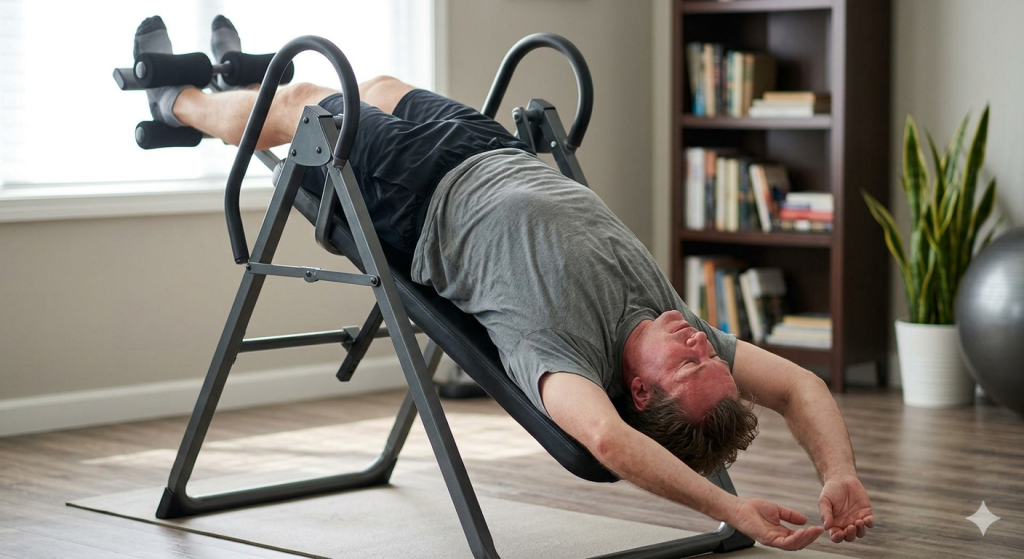
How inversion tables work and what they do to the spine
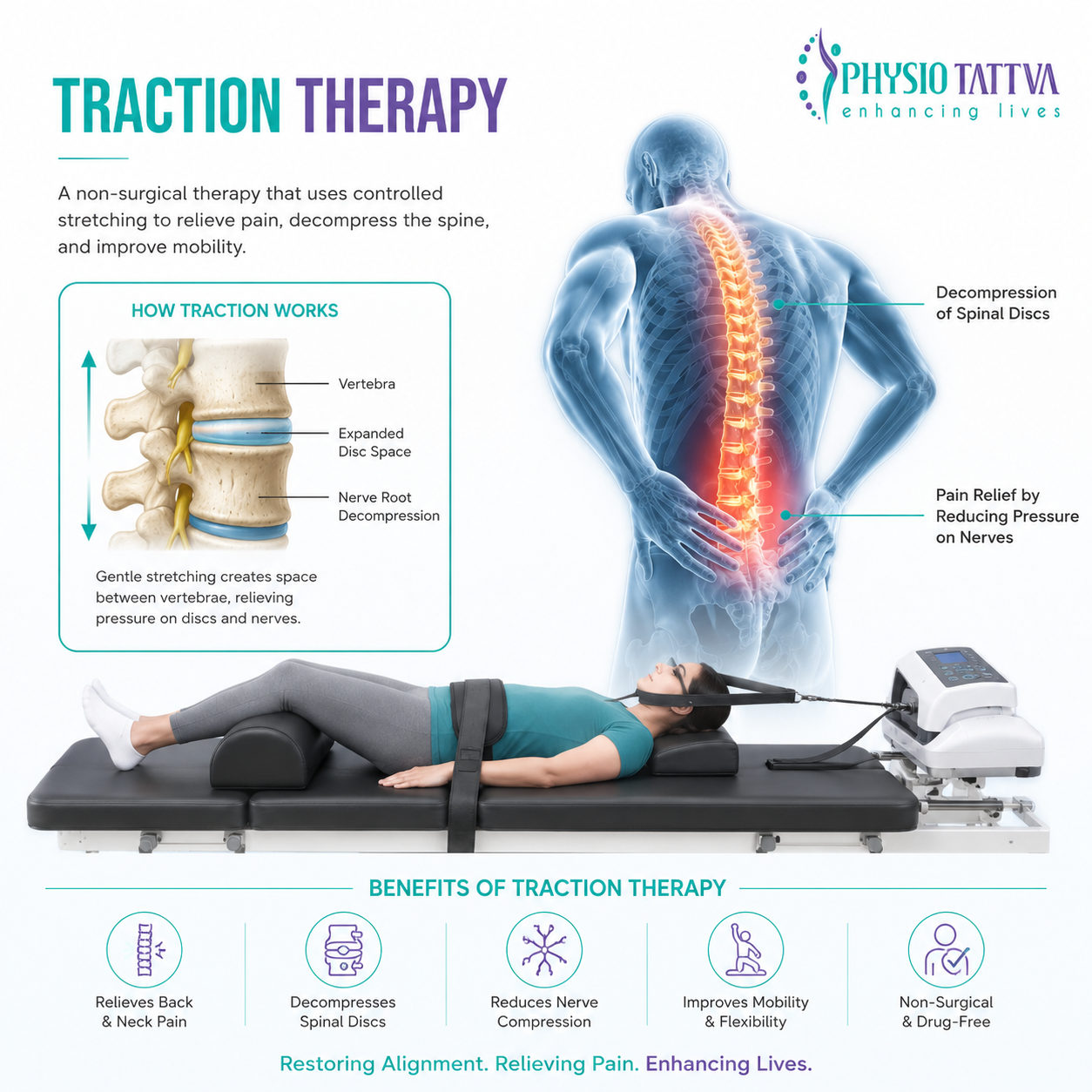
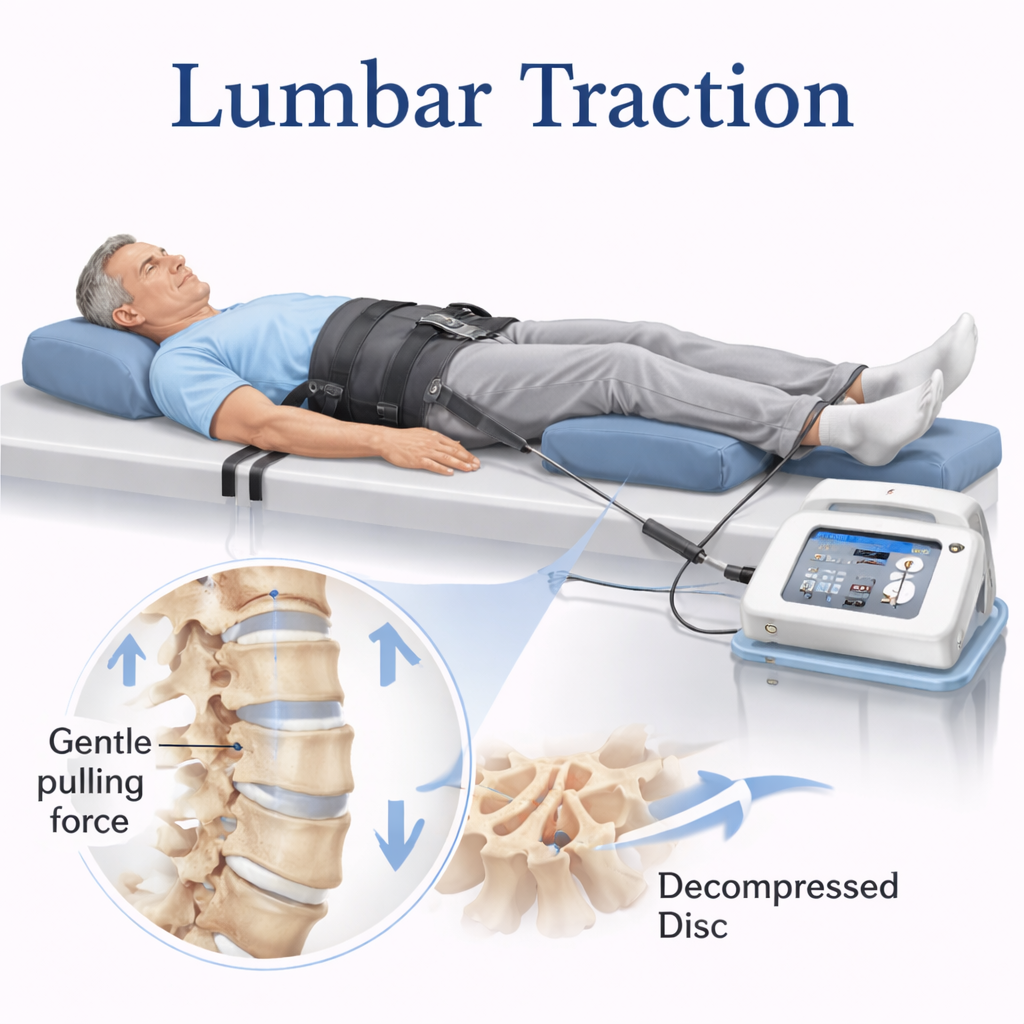
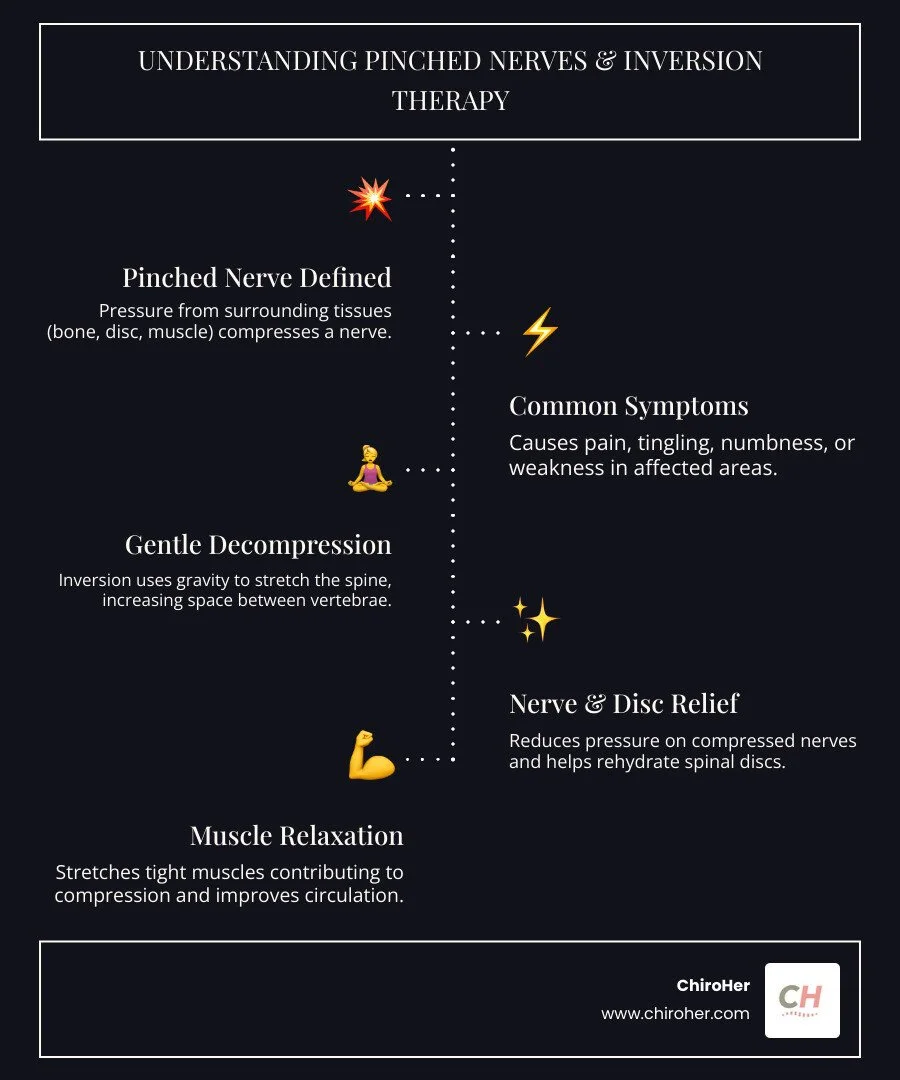
Can inversion tables reduce pressure on spinal discs by using gravity and traction. The device tilts the body so the head is lower than the hips. This creates spinal traction. Traction slightly separates the vertebrae. That lowers pressure inside the discs for short periods.
Traction can improve disc hydration and reduce nerve irritation. Reduced pressure can ease pain caused by compressed nerves or bulging discs. The effect is usually temporary. For lasting change, traction alone is often not enough.
What the science says: evidence, limits, and outcomes
Can inversion tables reduce pressure on spinal discs according to short-term studies and biomechanical tests. Research shows that inversion and traction reduce intradiscal pressure immediately. Many small trials report short-term pain relief and improved mobility.
Long-term evidence is limited. Few high-quality randomized trials exist. Benefits often fade if the underlying cause is not treated. Some studies note improvements when inversion is combined with exercise and core rehab.
Limitations and considerations:
- Immediate pressure drop is measurable but may not translate to long-term disc healing.
- Results vary by condition, angle, duration, and patient health.
- Not all back pain types respond the same way.
Benefits and potential risks
Can inversion tables reduce pressure on spinal discs while offering other benefits? Yes, short-term relief is common. Benefits include:
- Reduced intradiscal pressure during use
- Short-term pain relief for some people with nerve compression
- Improved mobility and relaxation of back muscles
- Simple, at-home use when cleared by a clinician
Risks and who should avoid inversion therapy:
- Elevated blood pressure and eye pressure risk people with hypertension or glaucoma
- Heart disease, stroke history, or pregnancy are clear contraindications
- Dizziness, increased pain, or discomfort can occur if used incorrectly
Always consult a clinician before starting inversion therapy. Do not rely on inversion alone for complex spine conditions.
How to use an inversion table safely and effectively
Can inversion tables reduce pressure on spinal discs when used correctly? Yes. Use this safe protocol:
- Get medical clearance first, especially with chronic conditions.
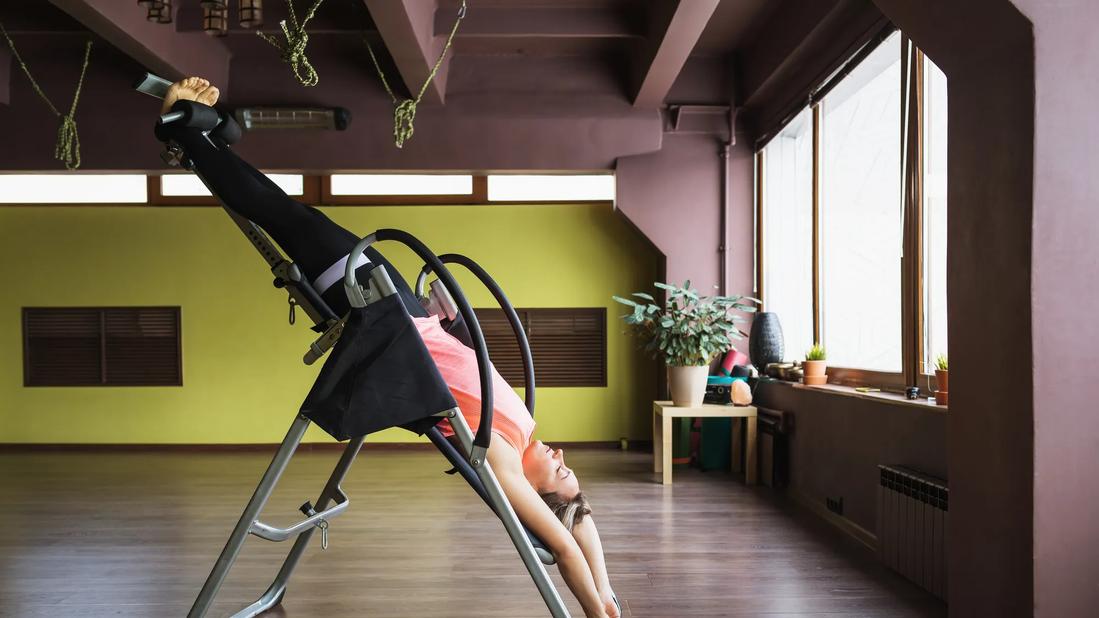
- Start at a low angle, around 20 to 30 degrees, for 1 to 2 minutes.
- Gradually increase angle and time over weeks, up to 30 degrees for 5 to 10 minutes as tolerated.
- Breathe slowly and relax your spine while inverted.
- Stop if you feel sharp pain, dizziness, or unusual symptoms.
Combine inversion sessions with:
- Core strength and stability exercises
- Stretching for hips and hamstrings
- Guidance from a physical therapist for tailored rehab

Personal experience: lessons, mistakes, and practical tips
Can inversion tables reduce pressure on spinal discs? From my experience, they can help when used right. I used inversion therapy after a flare of low back pain. The first sessions felt strange. I learned to go slow and pair sessions with core work.
Lessons learned:
- Start with short sessions. Rushing causes dizziness.
- Use straps and locks for safety. Never let a partner release you unexpectedly.
- Track symptoms. If pain improves, note angle and time. If not, stop and check with a pro.
Common mistakes to avoid:
- Overdoing angle or time too soon
- Assuming inversion fixes structural problems alone
- Skipping medical clearance when you have health risks
Alternatives and complementary approaches
Can inversion tables reduce pressure on spinal discs compared with other options? They can be part of a plan, but not the only tool. Alternatives and complements include:
- Mechanical decompression therapy in clinic for targeted traction
- Physical therapy with exercise-based rehab
- Yoga and targeted stretching to improve flexibility
- Posture correction and ergonomic changes at work
- Weight management and activity modification
Use inversion with other therapies for better outcomes. A combined plan often gives longer relief than one method alone.
Quick user-style questions answered inside the guide
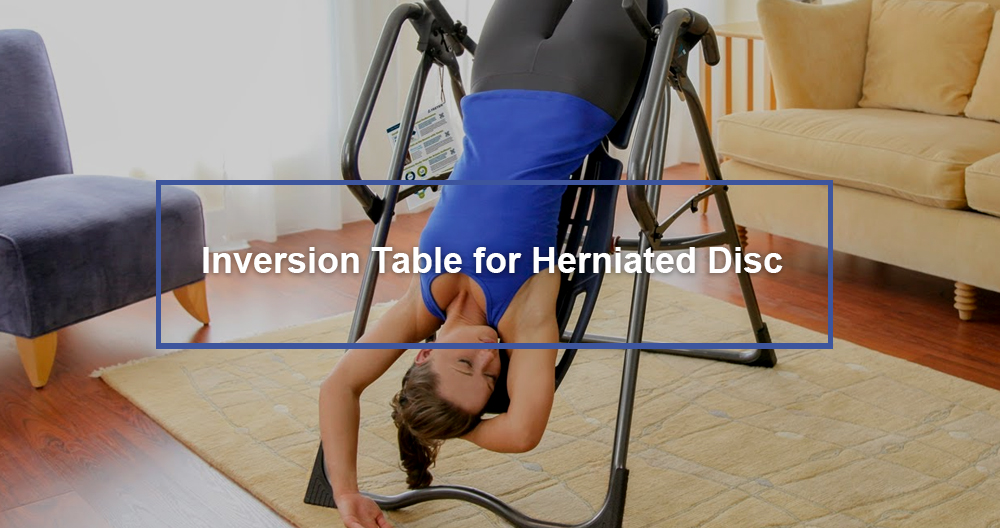
Will inversion therapy fix a herniated disc? Short answer: It may reduce symptoms but rarely "fixes" a herniation alone. A rehab plan is usually needed.
How long before I see relief? Short answer: Some feel relief in minutes or days. Others need weeks or see no change.
Is inversion safe for older adults? Short answer: It depends on heart, blood pressure, and eye health. Medical clearance is essential.
Frequently Asked Questions of Can inversion tables reduce pressure on spinal discs
Are inversion tables effective for bulging discs?
Many people report immediate pain relief from bulging discs due to reduced pressure, but effects are usually short-term and vary by person.
How long should I stay inverted to help disc pressure?
Start with 1 to 2 minutes at low angles and slowly increase to 5 to 10 minutes as tolerated; longer times are not necessarily better.
Can inversion therapy worsen my spine problem?
Yes, inversion can worsen symptoms in people with certain conditions like severe osteoporosis, uncontrolled hypertension, or advanced disc degeneration.
Do I need a doctor’s approval before trying inversion therapy?
Yes. Medical clearance is recommended, especially for those with heart disease, high blood pressure, glaucoma, or prior stroke.
Can inversion tables replace physical therapy?
No. Inversion may provide short-term relief, but physical therapy addresses strength, mobility, and long-term recovery.
Is inversion safe for daily use?
Daily short sessions may be safe for some, but frequency should be guided by symptom response and a clinician's advice.
Will inversion therapy cure chronic lower back pain?
Inversion therapy rarely cures chronic pain on its own. It can be part of a broader treatment plan that includes exercise and lifestyle changes.
Conclusion
Inversion tables can reduce pressure on spinal discs during use and may ease symptoms for many people. The benefit is often immediate but short-lived unless combined with exercise and professional care. If you are curious, get medical clearance, start slow, and track how your body responds. Try a few guided sessions, pair them with core work, and decide based on results. Share your experience or questions below and consider subscribing for more practical guides on spine health.

