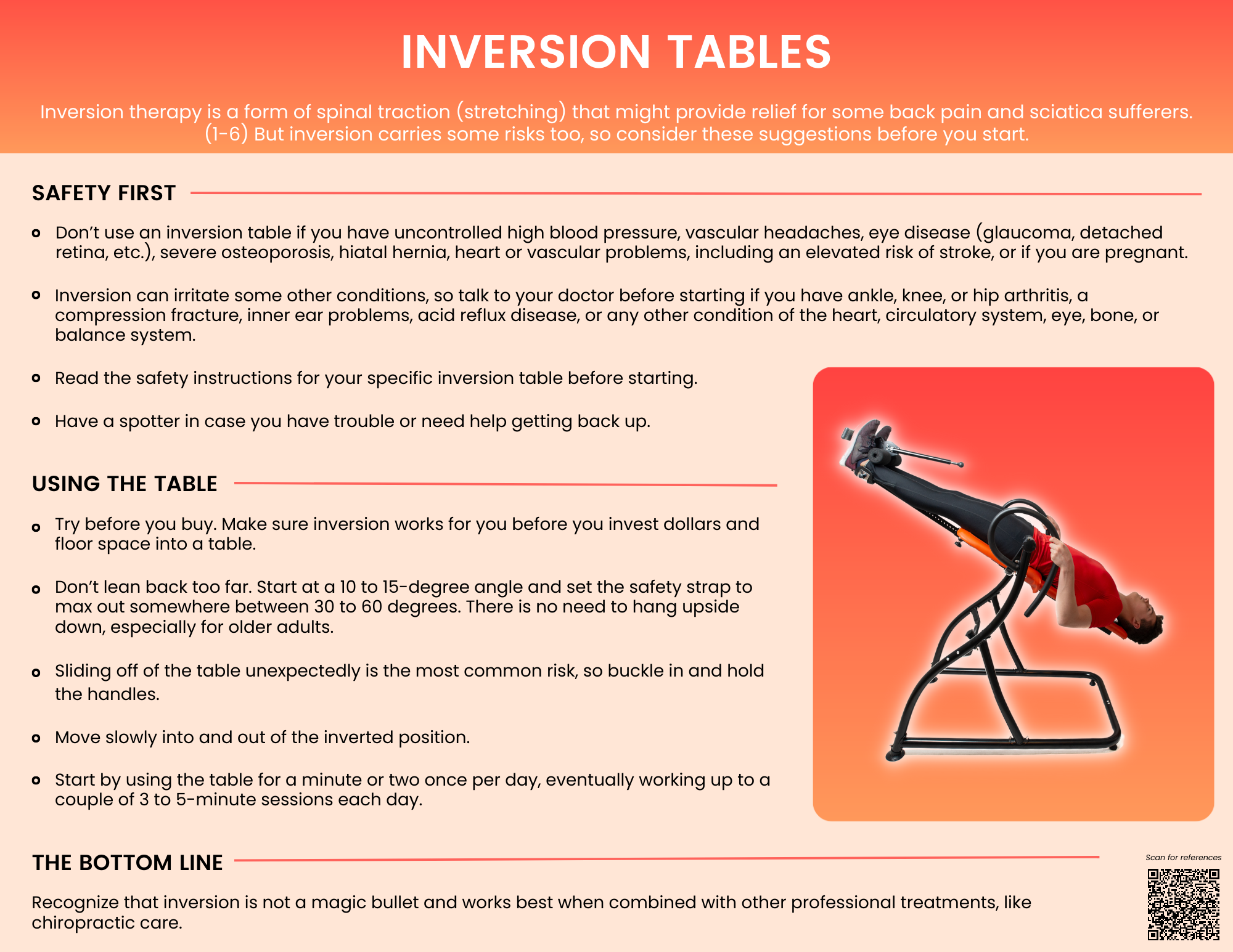
People with heart disease, high blood pressure, glaucoma, pregnancy, or recent surgery should avoid inversion tables.
I’ve spent years researching back care and testing home rehab gear. In this article I’ll walk you through who should not use an inversion table, why it can be risky for certain people, and safe alternatives. You’ll get clear, evidence-informed guidance, practical tips from real testing, and steps to decide if inversion therapy is right for you.

Today's Exclusive Deals
Limited-time Exclusive Deals. Check current discount on Amazon.
Check Price on Amazon As an Amazon Associate I earn from qualifying purchases.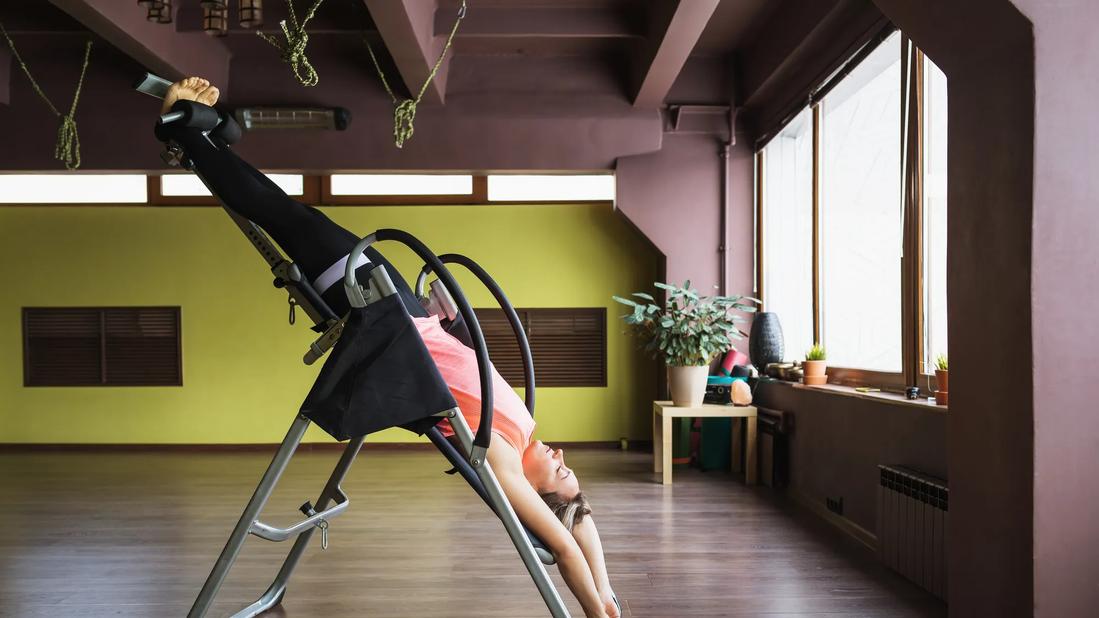
Why people use inversion tables
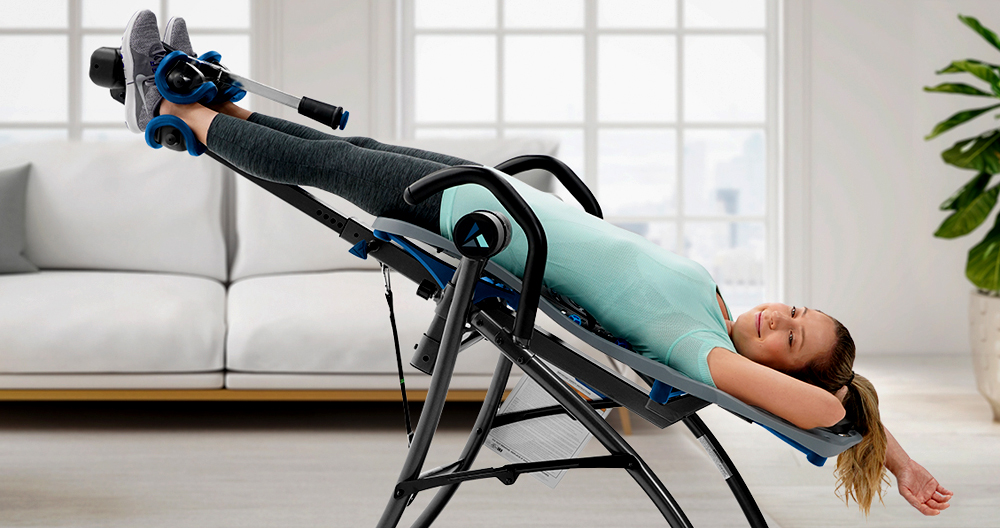
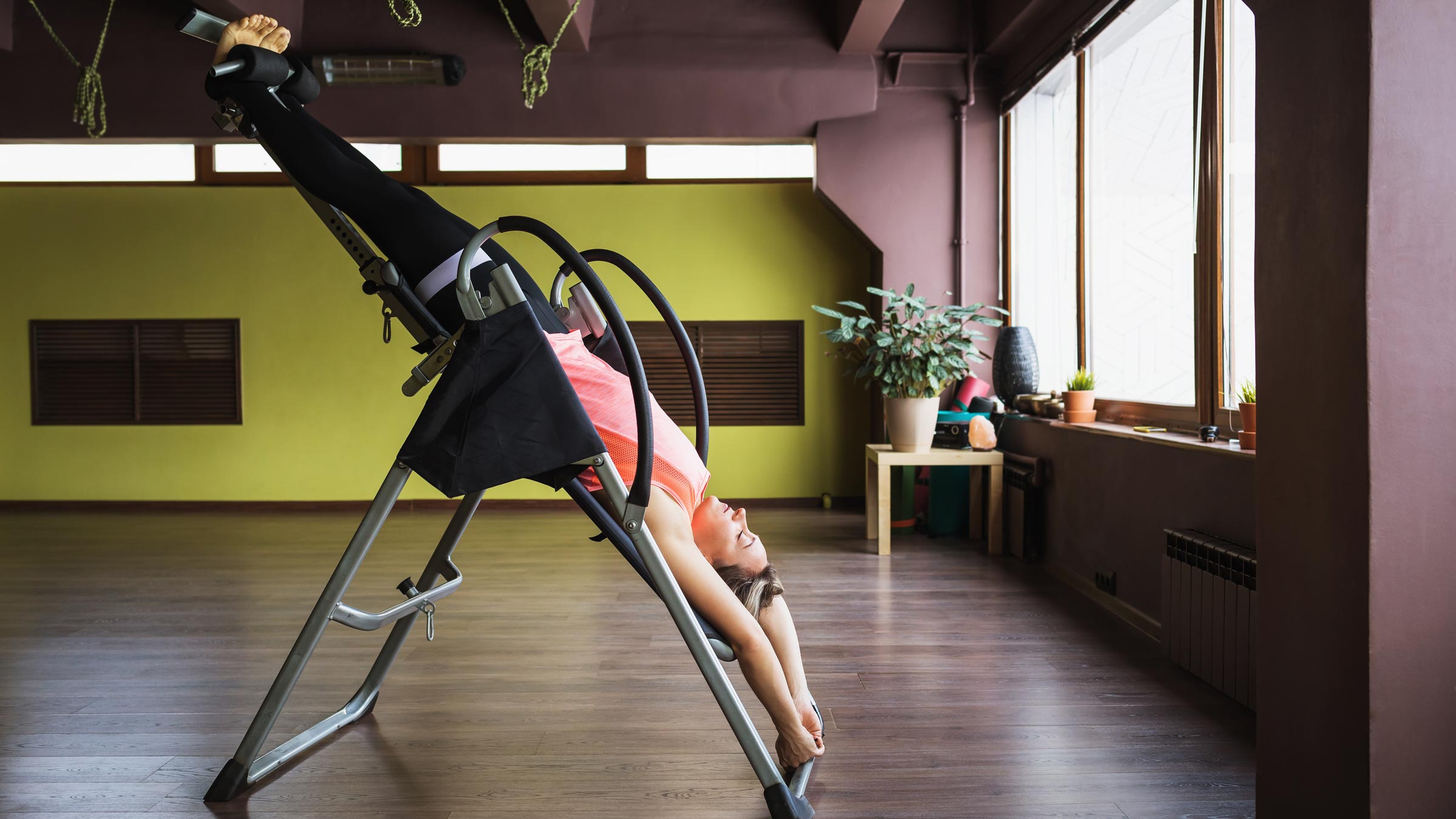
Inversion tables tilt the body so the head is lower than the feet. People use them to relieve back pain, stretch the spine, and reduce pressure on discs and nerves. Short sessions can feel like a quick way to ease tight muscles and improve posture. Still, the upside is not the same for everyone. Some people face real health risks from being inverted.
Who should not use an inversion table — main contraindications
Who should not use an inversion table are people with conditions that make blood flow, eye pressure, or bone stability risky when inverted. Using an inversion table can raise blood pressure and eye pressure, change heart workload, and stress weak bones or fresh surgical sites. If you match any of the categories below, stop and consult a clinician before trying inversion therapy.
Heart disease or heart failure
People with heart disease should not use an inversion table. Tilting increases blood return to the heart and can raise cardiac workload. That shift can trigger chest pain, irregular heartbeat, or worse in vulnerable hearts.
High blood pressure and uncontrolled hypertension
Who should not use an inversion table includes anyone with uncontrolled high blood pressure. Inversion can temporarily spike blood pressure. That spike may raise the risk of stroke or other vascular events.
Glaucoma or retinal problems
People with glaucoma, recent retinal tears, or detached retina should not use an inversion table. Inversion increases eye pressure. That rise can worsen optic nerve damage or cause retinal complications.
Pregnancy
Pregnant people should not use an inversion table. Inversion shifts blood flow and places changes on the abdomen. It may raise risk to the placenta or cause dizziness and falls.
Recent surgery or spinal fusion
Anyone with recent spinal surgery, abdominal surgery, or joint replacements should not use an inversion table. The traction force and positional stress can disrupt healing tissue and hardware.
Osteoporosis or fragile bones
Who should not use an inversion table also includes people with severe osteoporosis. The stress on the spine and possible falls can cause fractures in weak bone.
Inner ear disorders and severe vertigo
People with vestibular disease, severe vertigo, or recent inner ear infection should not use an inversion table. Being inverted can trigger vertigo, loss of balance, and falls.
Severe obesity or mobility limitations
Who should not use an inversion table includes people whose weight exceeds the device limit or who cannot safely get in and out. Struggling on the table raises fall risk and injury.
Stroke history or uncontrolled vascular disease
People with a recent stroke or unstable vascular disease should not use an inversion table. Rapid shifts in blood pressure can worsen cerebral perfusion and risk recurrence.
:max_bytes(150000):strip_icc()/Inversion-tables-b3f71004c87749678e3bc20fc838f99b.jpg)
When to see a doctor before trying inversion therapy
If you have any heart, eye, blood pressure, bone, or neurological condition, see your doctor before using an inversion table. Share your exact diagnoses, medicines, and surgical history. A simple exam and clearance will tell you if inversion is safe or if alternatives are better.
Risks and potential complications
Inversion therapy can be safe for many when used briefly and correctly. Still, risks exist and are more likely in people who should not use an inversion table. Common problems include:
- Temporary spike in blood pressure and heart rate, which can be dangerous for cardiac or hypertensive patients.
- Increased eye pressure, harmful to people with glaucoma.
- Dizziness, fainting, or falls due to blood redistribution or inner ear triggers.
- Worsening pain or injury to recent surgical sites or unstable spine.
- Fractures in people with low bone density if a fall or sudden movement occurs.
To reduce risk if cleared for use:
- Start with short sessions at low angles.
- Use a spotter when getting on and off.
- Stop if you feel chest pain, vision changes, dizziness, or severe headache.
Alternatives to inversion therapy
If you fall into categories of who should not use an inversion table, you still have safe options to relieve back pain and improve mobility:
- Physical therapy with guided stretching and strengthening.
- Gentle traction performed by clinicians with monitored equipment.
- Yoga and pilates that focus on core stability and spinal mobility.
- Heat, ice, and over-the-counter anti-inflammatory strategies.
- Targeted home exercises for posture and hip mobility.
These options avoid the circulatory and eye-pressure risks of inversion while still delivering back pain relief.

Personal experience and practical tips
I tested inversion tables during product reviews and trial sessions with clients. I once advised a friend with mild glaucoma to stop after one inversion session caused blurry vision. That experience reinforced the need for medical clearance.
Practical tips from my testing:
- Never use inversion therapy alone if you have health concerns.
- Keep sessions under two minutes at first. Short exposure limits blood pressure changes.
- Track your blood pressure before and after if you’re borderline hypertensive.
- Use ankle locks and safety straps to prevent slipping.
- Choose alternatives if you have any of the contraindications listed earlier.
These tips helped clients avoid complications and find safer ways to manage back pain.
Frequently Asked Questions of Who should not use an inversion table
Will inversion tables cause a stroke?
Inversion tables can raise blood pressure briefly, which may increase stroke risk in people with uncontrolled hypertension or vascular disease. Healthy people with normal blood pressure have a much lower risk.
Can I use an inversion table after back surgery?
You should not use an inversion table after recent back or abdominal surgery without explicit medical clearance. Traction and position changes can stress healing tissues and hardware.
Is inversion therapy safe during pregnancy?
No. Pregnancy changes blood flow and balance. Inversion can be unsafe for the mother and fetus and is not recommended.
Will an inversion table make glaucoma worse?
Yes. Inversion increases intraocular pressure temporarily, which can be harmful to people with glaucoma or retinal problems. Avoid inversion if you have eye disease.
Can older adults use inversion tables?
Older adults with good health and bone strength may use inversion tables cautiously, but those with osteoporosis, heart disease, or balance issues should avoid them. Medical clearance is important.
Is short inversion safe for people with mild back pain?
If you don’t have the contraindications listed, short, low-angle sessions may be safe and helpful. Start slow and consult a clinician if pain persists.
Conclusion
Who should not use an inversion table includes people with heart disease, uncontrolled high blood pressure, glaucoma, pregnancy, recent surgery, severe osteoporosis, vestibular problems, and those who exceed device weight limits. If you fit any of these categories, pause and consult your healthcare provider. For many others, short, cautious use can help, but safety first.
Take action by checking your health history and talking with a clinician. If inversion therapy is off the table for you, explore safe alternatives like physical therapy and targeted exercises. If this article helped, leave a comment or share your experience—your story can help others choose wisely.