Inversion tables can relieve back pain, improve posture, and ease spinal compression.
I’ve spent years researching and testing spine-care tools, and I’ll walk you through the benefits of using an inversion table with clear, evidence-aware guidance and hands-on tips. This article explains how inversion therapy works, who sees results, safety steps, real-world pitfalls, and practical ways to include an inversion table in your routine so you can decide whether it fits your health goals.

Today's Exclusive Deals
Limited-time Exclusive Deals. Check current discount on Amazon.
Check Price on Amazon As an Amazon Associate I earn from qualifying purchases.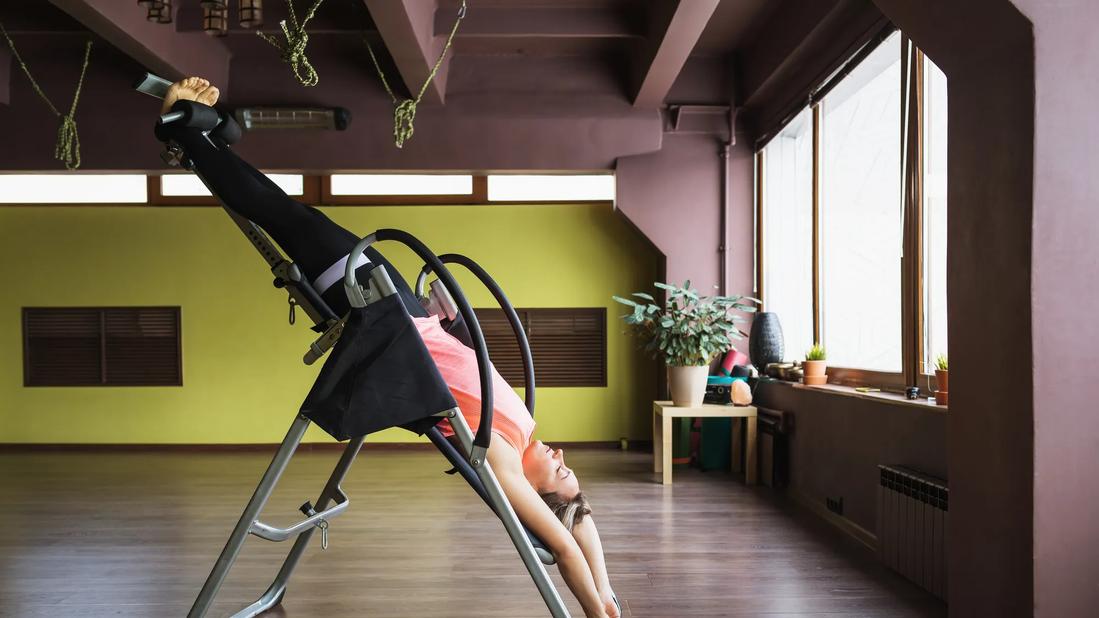
How inversion tables work
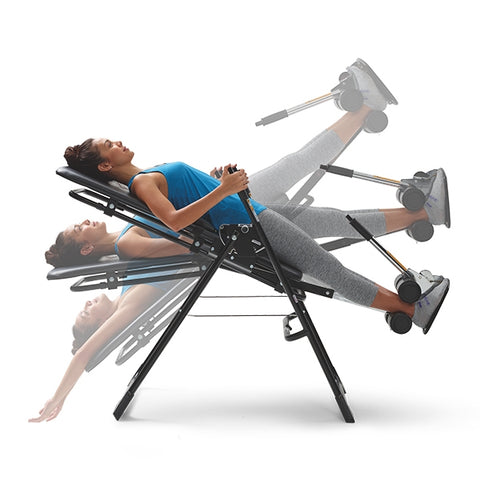
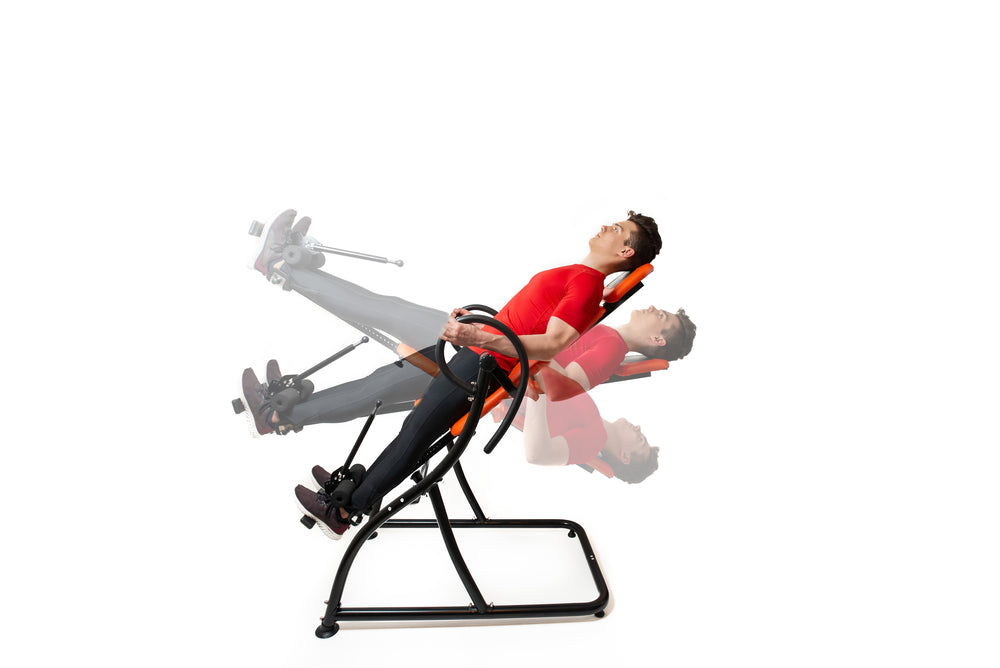
An inversion table tilts your body so your head is lower than your hips. This position applies gentle traction to the spine. The resulting spinal decompression can reduce pressure on discs and nerve roots for short periods.
Decompression may help with spinal alignment, pain relief, and joint mobility. The mechanism is simple: gravity creates a stretching force that separates vertebrae slightly, which can ease compression and improve joint space. Many people combine inversion with light movement and breathing to boost the effect.
Key benefits of using an inversion table
This section lists the main benefits of using an inversion table and explains why each one matters.
Back pain relief. Regular, short sessions can reduce low back pain by decompressing vertebrae and easing pressure on irritated nerves. Many users report immediate, if temporary, pain reduction after a session.
Reduced spinal compression. The benefits of using an inversion table include lowering spinal load. This can relieve pressure on discs and nerve roots and may temporarily increase disc height.
Improved posture. By relieving muscle tension and rebalancing spinal alignment, inversion sessions can support better posture over time. Postural gains often come when inversion is combined with strengthening and stretching.
Increased mobility and flexibility. Mild traction helps improve spinal range of motion and reduces stiffness in the back and hips. This is helpful for people who sit for long hours.
Temporary relief for sciatica symptoms. Some people with nerve-related leg pain notice reduced symptoms after decompression. Results vary by condition and severity.
Improved circulation and reduced swelling. Inversion can promote venous return and lymphatic flow in the short term, which may reduce fluid build-up and muscle soreness.
Core activation and light conditioning. Moving on an inversion table requires core engagement to return upright safely. This helps build stability when used carefully and combined with core exercises.
Relaxation and stress reduction. Hanging inverted can be calming when paired with deep breathing. The position encourages tension release in back and neck muscles, which many users find relaxing.
These benefits of using an inversion table show why people add inversion therapy to a broader self-care plan that includes exercise, posture work, and medical guidance.
Who can benefit and who should avoid inversion therapy
Inversion therapy is often best for people with mechanical low back pain, mild disc bulges, or stiffness. It can be a useful noninvasive tool for short-term management and added mobility work.
People who should avoid inversion tables include those with high blood pressure, glaucoma, heart disease, recent stroke, pregnancy, or severe osteoporosis. If you have any serious medical condition, consult your health provider before trying inversion therapy.
Start cautiously. If you’re new to inversion, try small angles and short times and watch how your body responds. Gradual exposure lowers risk and helps you find what works.

How to use an inversion table safely
Follow these steps to get safe results and avoid common mistakes.
- Check medical clearance. Ask your doctor if you have cardiovascular, eye, or bone health concerns.
- Adjust the table to your height. Proper alignment keeps rotation smooth and safe.
- Start slow. Begin at a 20–30 degree angle for one to two minutes. Increase angle and time gradually based on comfort.
- Focus on breathing. Breathe deeply and avoid tension in the neck and shoulders.
- Limit session length. Typical sessions last 1–5 minutes at a time, repeated once or twice per day. Avoid long holds.
- Return upright carefully. Use controlled movement and the ankle locks to come up slowly.
- Combine with exercises. Follow inversion with gentle core or stretching work to reinforce benefits.
Common mistakes to avoid:
- Trying full inversion (180 degrees) on your first sessions.
- Holding breath or tensing the neck.
- Using inversion as a stand-alone cure for chronic conditions.
When used with caution and consistency, the benefits of using an inversion table are maximized and risks minimized.
Limitations and risks
Inversion therapy is not a universal fix. Benefits of using an inversion table are often temporary and may not resolve underlying spinal pathology.
Risks and limitations:
- Short-lived relief. Pain reduction can fade when you stop therapy unless other treatments support lasting change.
- Increased blood pressure or eye pressure. Inversion can raise intraocular and blood pressure briefly.
- Not suitable for some conditions. People with heart disease, glaucoma, or advanced osteoporosis can be harmed by inversion.
- Potential for dizziness or nausea. Some users experience lightheadedness, especially at steeper angles.
Be transparent with expectations. Use inversion therapy as part of a broader plan and track results to see whether benefits persist.

Personal experience and practical tips
I’ve used several inversion tables over the years and have worked with clients who tried inversion for chronic back stiffness. Early on, I made the mistake of going to steep angles too quickly. That led to brief dizziness and no lasting benefit. I learned to start small and pair inversion with core work and posture training.
What worked best:
- Short, daily sessions at a moderate angle paired with breathing exercises.
- Following inversion with 5–10 minutes of core activation and hip stretches.
- Tracking pain and mobility in a journal to see trends, not just single-session effects.
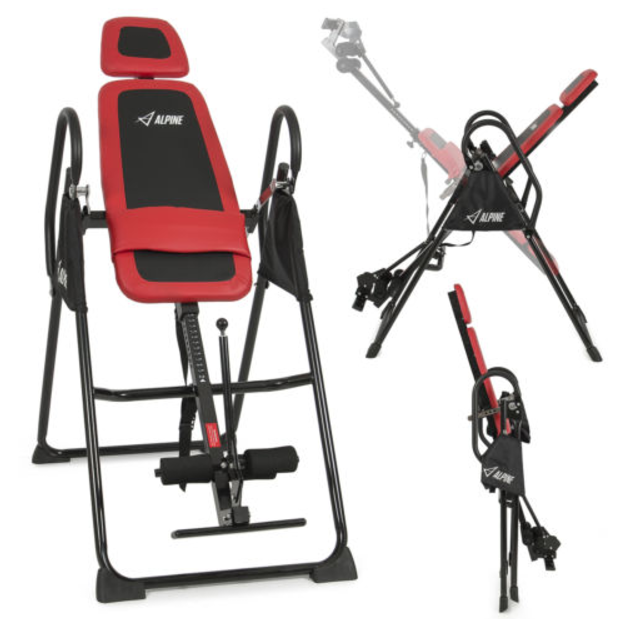
If you buy a table, choose one with solid ankle locks, a height gauge, and easy angle adjustment. Budget models can work, but durability and safety features matter.
:max_bytes(150000):strip_icc()/Inversion-tables-b3f71004c87749678e3bc20fc838f99b.jpg)
PAA-style quick questions
Does inversion therapy permanently fix herniated discs?
Inversion therapy can relieve pressure and reduce symptoms temporarily, but it does not permanently fix a herniated disc. Long-term improvement usually requires a combined plan of rehab, posture correction, and medical care.
How often should I use an inversion table?
Start with 1–2 short sessions daily and build based on comfort and response. Most people use inversion tables a few times per week for maintenance once they know how they respond.
Is inversion therapy safe for seniors?
Many older adults benefit from gentle inversion at low angles, but those with osteoporosis or heart issues should avoid it. Medical clearance is essential for seniors before trying inversion.
Frequently Asked Questions of What are the benefits of using an inversion table
What immediate benefits can I expect from using an inversion table?
You may feel reduced back pressure, eased muscle tension, and improved mobility right after a short session. Results often last hours to days and vary by individual.
How long should each inversion session be?
Start with 1–2 minutes at a low angle and increase to 3–5 minutes as tolerated. Avoid long holds, and listen to your body for signs of dizziness or discomfort.
Can inversion tables help sciatica?
Inversion can reduce pressure on nerve roots that cause sciatica symptoms for some people, producing temporary relief. Effectiveness depends on the cause and severity of the nerve irritation.
Do I need a prescription to buy or use an inversion table?
You typically do not need a prescription to buy an inversion table, but you should consult a healthcare provider before starting inversion therapy if you have health concerns. Professional advice helps avoid risks.
How often will I see benefits from inversion therapy?
Some users notice relief after the first few sessions, while others need weeks of consistent use. Track pain and mobility changes to evaluate whether the benefits of using an inversion table are meaningful for you.
Conclusion
Inversion tables offer a noninvasive way to reduce spinal compression, relieve back pain temporarily, improve posture, and increase mobility when used safely and as part of a broader plan. Start slowly, get medical clearance if needed, and pair inversion with strengthening and posture work for better long-term results. If you’re curious, try a cautious trial and track your response—then decide whether to add inversion therapy to your routine. Share your experience or questions below, sign up for updates, or explore resources to learn more about safe inversion practice.