Choosing the right inversion table can make a huge difference in your back health and daily comfort. Many people compare the Teeter EP-560 with the Exerpeutic Inversion Table because both are popular, but each has unique features. If you are thinking about buying an inversion table, you want clear answers. Which one is safer? Which is easier to use? Which fits your needs and budget? In this article, you will find a detailed comparison between these two models. I will help you understand the main differences, give practical advice, and share insights that most buyers miss. Let’s dive in and make the decision easier for you.
Teeter Ep-560 Overview
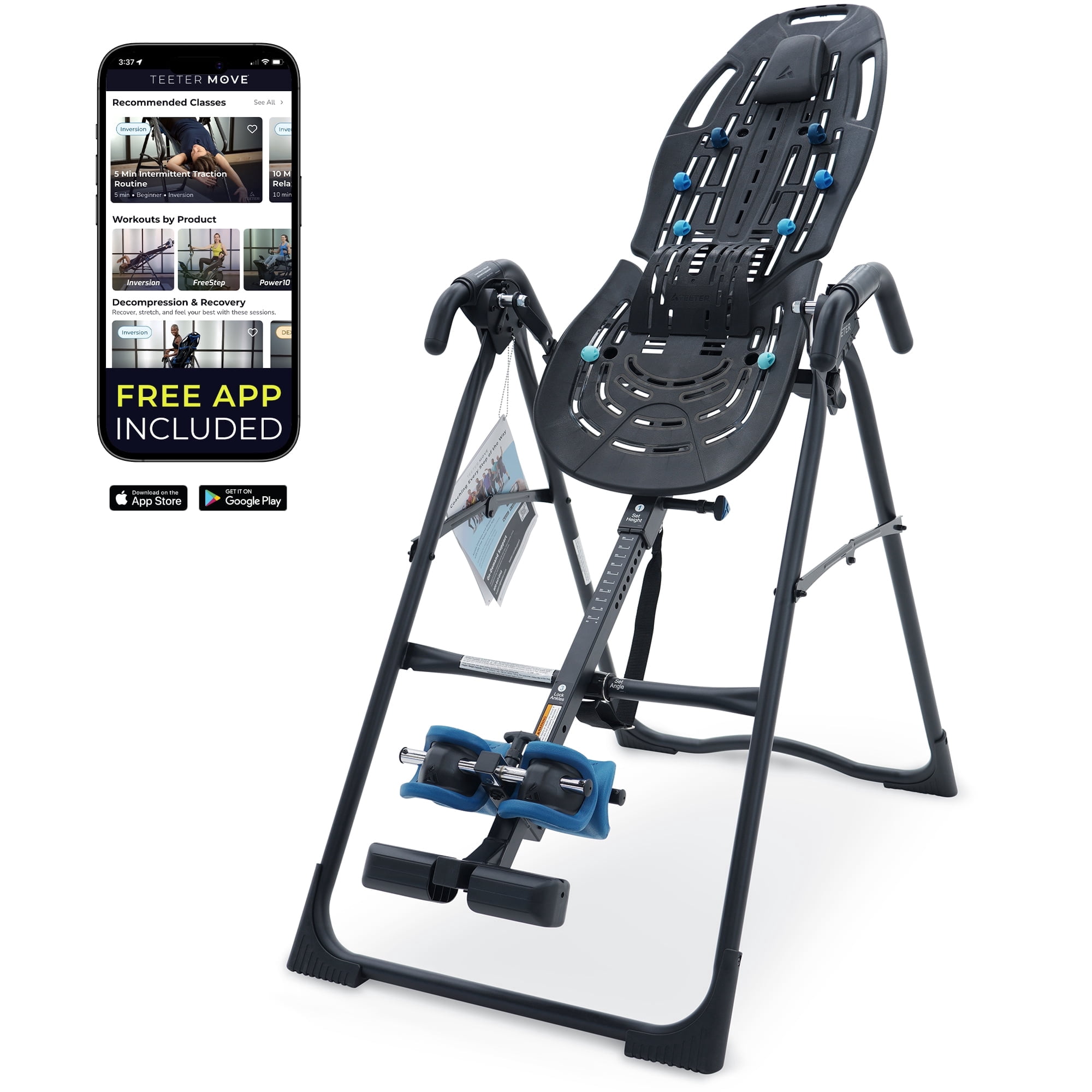
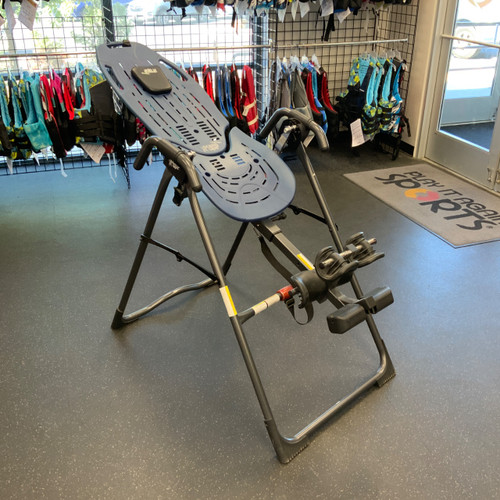
The Teeter EP-560 is known for its quality and safety. It is FDA registered as a medical device for back pain relief. The frame is made from heavy-duty steel, and the design focuses on comfort and easy use. The table can handle users up to 300 pounds and a height range from 4’8″ to 6’6″. The EP-560 uses a unique FlexTech bed, which moves with your body and allows stretching. Its ankle locking system is patented, making inversion safer for your legs and feet. Teeter also includes adjustable arms, handles, and accessories.
Today's Exclusive Deals
Limited-time Exclusive Deals. Check current discount on Amazon.
Check Price on Amazon As an Amazon Associate I earn from qualifying purchases.Most users find the Teeter EP-560 easy to assemble. The instructions are clear and many parts are pre-assembled. The table folds up for storage, although it is not very compact. People praise its stability and smooth motion. It is certified for safety by UL and tested for high standards.
Exerpeutic Inversion Table Overview
The Exerpeutic Inversion Table is a strong competitor. It is usually more affordable and offers basic inversion therapy. The frame is made from steel, and it supports up to 300 pounds. The height range is similar, from 4’10” to 6’6″. Its ankle holding system uses foam rollers and a pull-pin, which is simpler than Teeter’s design.
Exerpeutic tables are popular because they are straightforward. Assembly takes a bit longer, but most people can finish it in under one hour. The backrest is padded, offering some comfort, but it does not flex like Teeter’s. Handles are short but functional.
The table folds for storage, but it remains bulky.
Head-to-head Comparison
Let’s look at how these two models compare across important areas. The following data table shows the main differences:
| Feature | Teeter EP-560 | Exerpeutic Inversion Table |
|---|---|---|
| Weight Capacity | 300 lbs | 300 lbs |
| Height Range | 4’8″ – 6’6″ | 4’10” – 6’6″ |
| Backrest Type | FlexTech (flexible) | Padded foam (rigid) |
| Ankle Lock System | Patented, comfortable | Foam rollers, pull-pin |
| Safety Certification | UL certified, FDA registered | None |
| Assembly Time | 20-30 minutes | 45-60 minutes |
| Price Range | $350-$400 | $120-$180 |
| Warranty | 5 years | 1 year |
Comfort And Usability
Comfort is a major factor for inversion tables. The Teeter EP-560 stands out with its FlexTech bed. This flexible surface lets your body stretch naturally. The bed is also easy to clean and resists sweat. People with sensitive backs or joints often prefer Teeter because it reduces pressure points.
The Exerpeutic table uses a padded foam backrest. It is firm and does not move with your body. For short sessions, it works fine, but longer sessions may feel uncomfortable. The ankle holding system is another difference. Teeter’s design is more supportive and easier to adjust. Exerpeutic’s foam rollers are basic and may dig into your skin.
If you plan to use your inversion table every day, Teeter is more comfortable. If you use it only sometimes or want to save money, Exerpeutic is acceptable.
Safety Features
Safety is critical for any inversion table. The Teeter EP-560 has several safety certifications. It is UL certified, meaning it passed strict safety tests. The FDA also registers it as a medical device for back pain, sciatica, muscle tension, and more. The table has auto-locking hinges, sturdy steel construction, and a unique ankle lock.
Exerpeutic tables are made from strong steel, but they do not have safety certifications. The ankle lock is manual, and the handles are shorter. While the table is stable, it does not offer extra safety features found in Teeter.
One insight many beginners miss: Safety is not just about strength. It is also about how easy it is to get in and out, adjust the table, and lock your ankles. Teeter’s patented system is safer for older users or those with knee problems.
Inversion Angles And Adjustability
Both tables allow you to invert at different angles. The Teeter EP-560 offers preset angles at 20, 40, and 60 degrees using safety straps. You can also invert fully (90 degrees) if you wish. The handles are long and curved, helping you return upright safely.
Exerpeutic tables have adjustable inversion angles using a manual strap. However, their handle design makes it harder to control movement, especially for beginners. If you want precise control, Teeter is better.
A common mistake: Some users try full inversion before getting used to the table. It is safer to start with smaller angles and increase gradually.
Assembly And Storage
Assembly is often a concern for buyers. The Teeter EP-560 comes with clear instructions and most parts are pre-assembled. The average setup time is 20-30 minutes. The table folds for storage, but it is still large.
Exerpeutic tables require more assembly, usually 45-60 minutes. The instructions are decent, but some parts can be confusing. The table also folds, but it remains bulky.
If you have limited space, neither table will fit in a small closet. Both are best stored in a garage or a dedicated room.
Price And Value
Price is a big factor. The Teeter EP-560 costs between $350 and $400. It includes a 5-year warranty and extra accessories like a stretching DVD and lumbar support.
The Exerpeutic Inversion Table is much cheaper, usually $120-$180. It has a 1-year warranty and fewer accessories.
If you want long-term value, Teeter is more expensive but offers better quality and safety. Exerpeutic is a good choice for short-term use or tight budgets.
Real User Feedback
Looking at user reviews helps you understand real-life performance. Teeter EP-560 users often mention pain relief after just a few sessions. Many appreciate the sturdy build and the comfortable ankle lock. Common praise includes easy use and smooth inversion.
Exerpeutic users like the affordable price and basic function. Some complain about ankle discomfort and the firm backrest. A few mention that the assembly was harder than expected.
One insight: Many users with chronic back pain report better results with Teeter, mainly because of its flexibility and design.
Maintenance And Durability
Both tables require little maintenance. The Teeter EP-560 needs occasional cleaning and checking of bolts. The FlexTech bed is durable and resists wear. Teeter’s warranty covers defects for five years.
Exerpeutic tables need regular tightening of bolts, especially after folding. The foam backrest can wear out faster. The 1-year warranty is shorter, so repairs may cost extra.
If you want a table that lasts, Teeter is a safer bet.

Who Should Buy Each Model?
If you want high safety, comfort, and long-term use, choose the Teeter EP-560. It is ideal for people with chronic back pain, older adults, or anyone who wants a medical-grade product.
Choose the Exerpeutic Inversion Table if you are on a budget, need a basic inversion table, or want to try inversion therapy before spending more money.
Key Differences At A Glance
Here is a quick reference table for main differences:
| Aspect | Teeter EP-560 | Exerpeutic Inversion Table |
|---|---|---|
| Backrest | Flexible, easy to clean | Rigid, padded foam |
| Ankle Lock | Patented, adjustable | Basic foam rollers |
| Accessories | DVD, lumbar support | None |
| Safety | UL, FDA certified | None |
| Warranty | 5 years | 1 year |
Practical Tips For Buyers
- Try inversion therapy in small steps. Start with 20-degree inversion for 1-2 minutes.
- Wear socks or use a towel to protect your ankles.
- Check your space before buying. Both tables are large.
- Read the manual carefully. Missing a bolt can affect safety.
- Ask your doctor if you have heart problems, eye issues, or high blood pressure.
Common Mistakes And How To Avoid Them
- Skipping warm-up: Always stretch before using an inversion table.
- Starting with full inversion: Start slow and increase angle over weeks.
- Not locking ankles correctly: Double-check the lock before inverting.
- Ignoring weight and height limits: Check your size against table specs.
- Storing in damp areas: Keep tables dry to prevent rust.
Non-obvious Insights
- The FlexTech bed on Teeter is not just more comfortable—it allows better spinal decompression, which can help people with herniated discs.
- Exerpeutic’s basic ankle lock can cause discomfort after 2-3 minutes. If you plan longer sessions, this matters.
- Teeter’s warranty is five times longer than Exerpeutic’s, which means less risk for buyers.
Warranty And Customer Support
Teeter offers a 5-year warranty and responsive customer support. Users report quick answers and easy part replacements. Exerpeutic’s support is helpful but limited to the 1-year warranty. After that, repairs are out-of-pocket.
Accessories And Extra Features
The Teeter EP-560 includes helpful extras:
- Lumbar bridge for extra support
- Stretching DVD
- Long handles for easy movement
Exerpeutic tables offer basic features with no extras. Some users buy extra padding or accessories separately.
Back Pain Relief: Real Results
Studies show that inversion therapy can reduce back pain for many people. Teeter’s design is based on medical research and offers more spinal stretch. Exerpeutic works for mild pain, but may not help severe cases.
If you want to learn more about inversion therapy and its health benefits, visit Spine-health.
Frequently Asked Questions
How Does The Teeter Ep-560 Help With Back Pain?
The Teeter EP-560 decompresses your spine by using gravity. The flexible bed lets your back stretch naturally, reducing pressure on nerves and discs. Most users feel relief after a few sessions, especially for lower back pain.
Is The Exerpeutic Inversion Table Safe For Beginners?
Yes, if you follow instructions and start with small angles. The frame is strong, but the ankle lock is basic. Beginners should be careful and avoid full inversion at first.
Can Both Tables Fit Tall Or Heavy Users?
Both models support up to 300 pounds and heights up to 6’6″. If you are very tall or heavy, double-check the specs and try the table before buying.
Which Table Is Easier To Assemble?
The Teeter EP-560 is easier, with many parts pre-assembled and clear instructions. Exerpeutic requires more time and effort, but most users finish in under one hour.
How Often Should I Use An Inversion Table?
Start with 1-2 minutes per session, 2-3 times per week. Increase slowly as your body adapts. Listen to your body and stop if you feel discomfort.
Inversion tables can be a great investment for your health, but choosing the right model makes all the difference. The Teeter EP-560 offers superior comfort, safety, and lasting value. Exerpeutic is affordable and works for basic needs. Make your choice based on your goals, budget, and space.
With the right table, you can enjoy better back health and more comfortable days ahead.