Inversion tables can help some people improve blood flow temporarily by boosting venous return.
I have used inversion tables in clinical rehab settings and tested them at home. This article explains whether Can inversion tables improve circulation, how they work, who may benefit, and what risks to watch for. I blend research, practical tips, and real-life experience so you can make a clear choice about using an inversion table for circulation.
Today's Exclusive Deals
Limited-time Exclusive Deals. Check current discount on Amazon.
Check Price on Amazon As an Amazon Associate I earn from qualifying purchases.
How inversion tables work: a simple overview
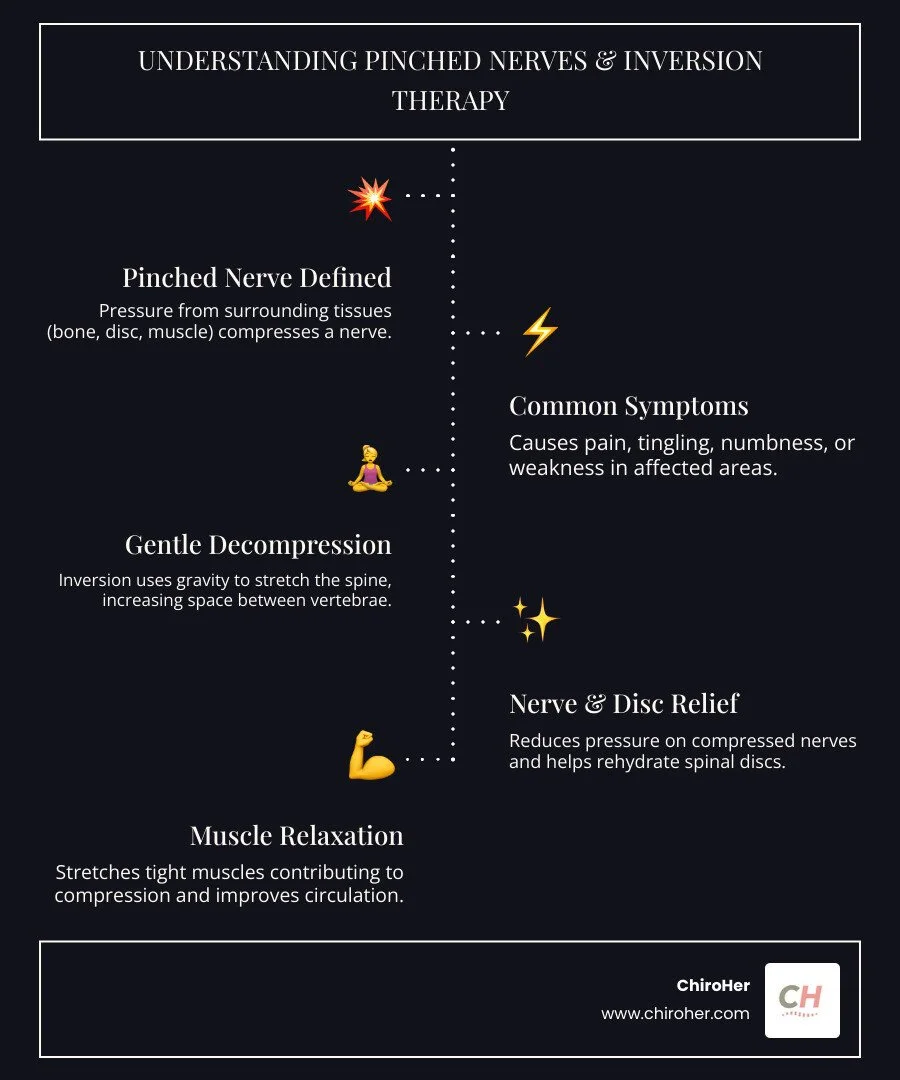
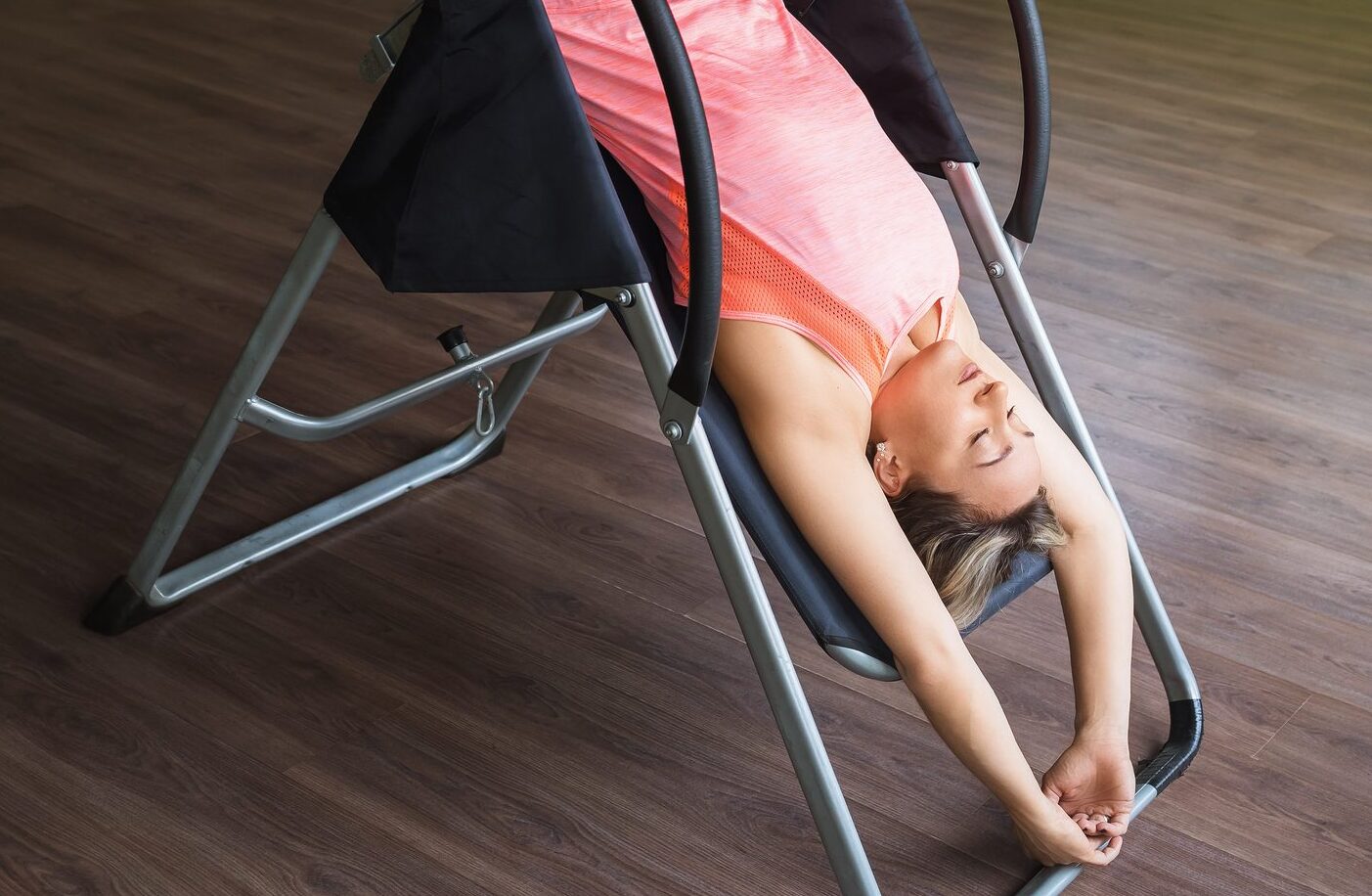
Inversion tables tilt the body so the head is lower than the feet. This angle shifts gravity and moves blood toward the chest and head. The shift reduces pressure in the lower legs and can ease venous pooling. Understanding this basic mechanic helps answer Can inversion tables improve circulation for specific needs.
How inversion affects circulation in the body
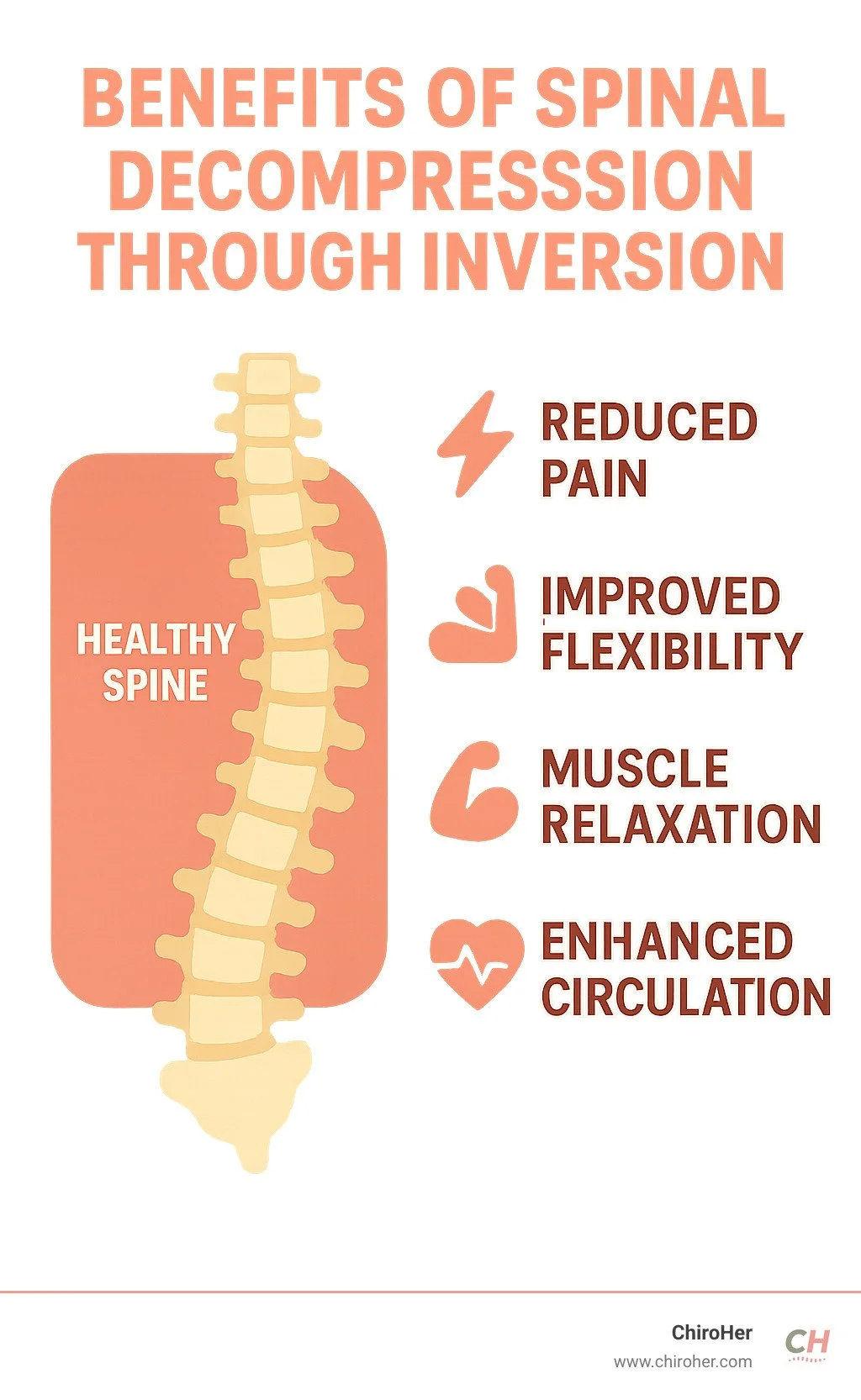
When you invert, gravity helps move venous blood back to the heart. This can increase central blood volume and transiently raise cardiac preload. Increased preload often leads to a short-term boost in cardiac output and improved perfusion to upper body tissues. For many users this means less swelling in the ankles and a short-lived sense of increased warmth in the limbs.
Potential benefits for circulation
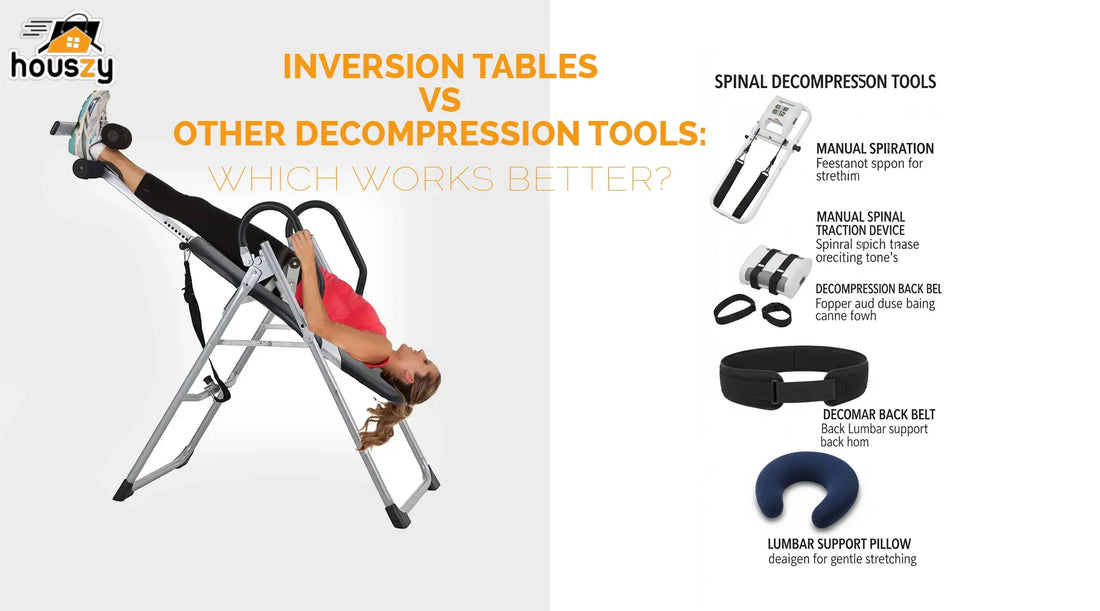
Inversion tables may offer several circulation-related perks for the right person:
- Improved venous return. Gentle inversion helps push pooled blood from the legs back toward the heart.
- Reduced peripheral swelling. Short sessions can temporarily reduce ankle and foot edema.
- Relief from orthostatic stress. Controlled inversion can help the body practice handling shifts in blood pressure.
- Enhanced lymphatic drainage. The positional change may assist lymph flow and reduce fluid build-up.
These benefits explain why many ask, Can inversion tables improve circulation after long periods of sitting or standing?
Limits and realistic expectations
Inversion is not a permanent cure for circulation problems. Effects are usually temporary and depend on angle, time inverted, and individual health. People with chronic venous insufficiency or cardiovascular disease should not expect inversion tables to replace medical care. If you ask Can inversion tables improve circulation long term, the honest answer is that evidence for lasting change is limited.
Risks and who should avoid inversion therapy
Inversion changes blood pressure and heart workload. That brings real risk for some people.
- People with high blood pressure. Inversion can spike pressure in the head and eyes.
- People with heart disease. Changing preload and heart rate may be dangerous.
- Those with glaucoma or retinal issues. Increased ocular pressure can harm vision.
- Pregnancy and obesity may add safety concerns.
If you wonder Can inversion tables improve circulation if you have medical issues, get clearance from a clinician first.

How to use an inversion table safely for circulation
Start slow and stay conservative. Here are practical steps I use and recommend.
- Take brief sessions. Begin with 1–2 minutes at a mild angle, then rest upright.
- Use mild angles. Start at 20–30 degrees before progressing.
- Breathe calmly. Avoid straining or breath-holding during inversion.
- Monitor symptoms. Stop if you feel dizzy, short of breath, or have chest pain.
These tips are shaped by hands-on experience and help you explore Can inversion tables improve circulation without undue risk.

Evidence and research summary
Clinical studies show inversion can increase venous return and change central blood volume for short times. Research on long-term circulation improvement is sparse and mixed. Trials tend to be small and vary in methods, so firm conclusions are limited. If you search for Can inversion tables improve circulation in the literature, you will find supportive short-term data but few strong long-term outcome studies.
Practical examples and real-life outcomes
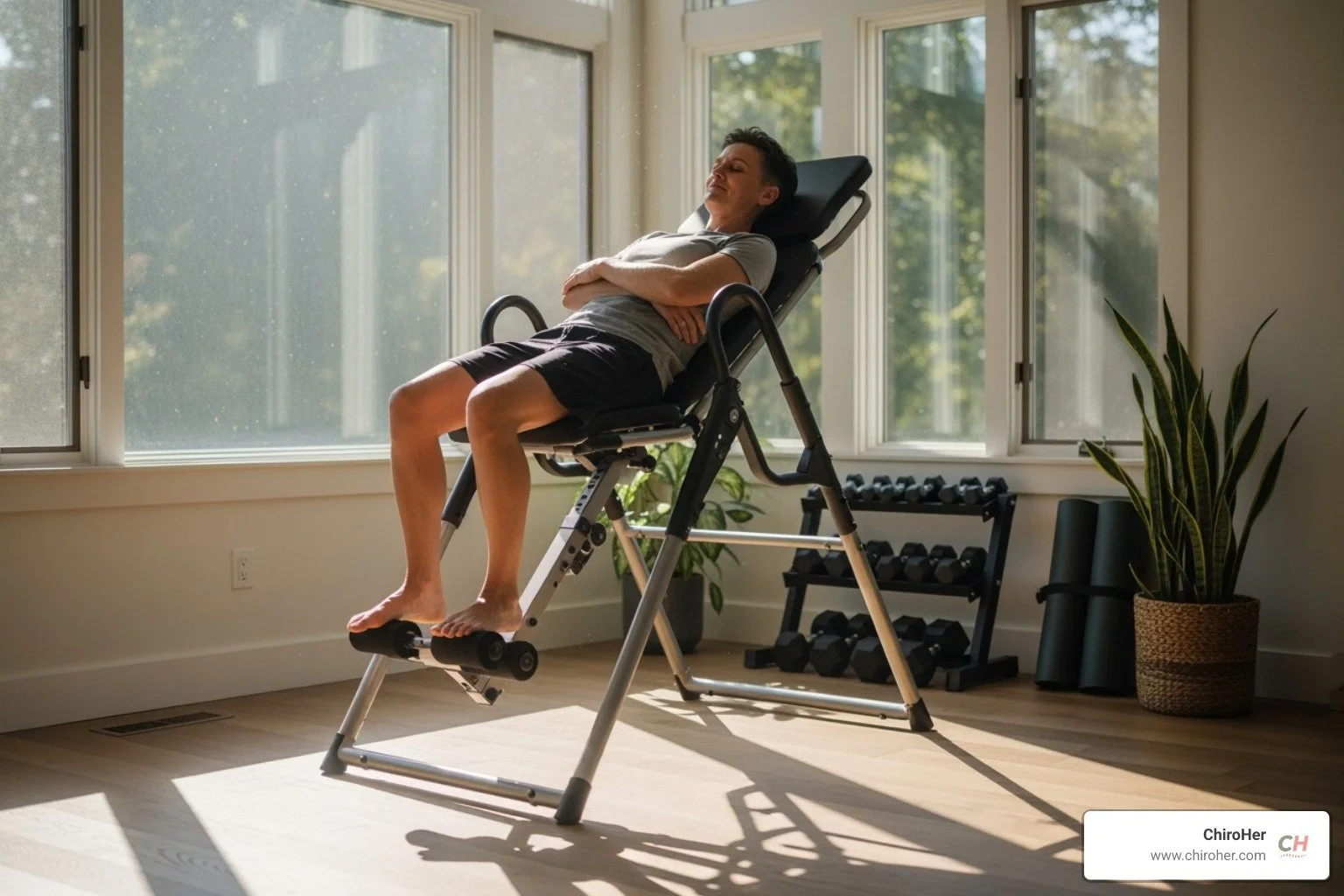
In rehab practice I used inversion tables to help patients with leg swelling after long flights or desk work. Many reported less ankle puffiness after short sessions. My personal experience matches that: a 2-minute gentle inversion reduced my own leg tightness after a long hike. Still, I advised each person to combine inversion with walking, calf raises, and compression when needed.
PAA-style question 1: Will inversion reduce leg swelling quickly? Yes. Short, mild inversion often reduces visible swelling for several hours.
PAA-style question 2: Is inversion better than walking for circulation? No. Walking offers sustainable circulation benefits. Inversion is a short-term adjunct, not a replacement.
Practical plan to try inversion for circulation
If you want to test whether Can inversion tables improve circulation for you, follow this step plan:
- Get medical clearance if you have heart, eye, or blood pressure problems.
- Start with low angle and short time. Try 1–2 minutes at 20 degrees.
- Combine with movement. Follow inversion with a short walk and calf pumps.
- Track results. Note swelling, warmth, dizziness, and how long benefit lasts.
This method helps you learn if inversion offers a real, useful change to your daily circulation.
Frequently Asked Questions of Can inversion tables improve circulation
Will inversion permanently fix poor circulation?
Permanent fixes are unlikely. Inversion offers short-term improvement but not a lasting cure for chronic circulation problems.
How long should I stay inverted to help circulation?
Start with 1–2 minutes at a low angle. Gradually increase up to 5 minutes only if you feel well and have no medical issues.
Can inversion worsen blood pressure?
Yes. Inversion can raise intracranial and ocular pressure and alter blood pressure. People with hypertension should be cautious.
Is inversion safe for older adults?
Some older adults benefit, but balance and heart health matter. Medical clearance and supervised trials are important.
Can I use inversion if I have varicose veins?
Mild inversion may ease symptoms briefly, but it does not cure varicose veins. Discuss treatment options with a vascular professional.
Conclusion
Can inversion tables improve circulation for many people in the short term? Yes—especially for reducing leg pooling, easing mild swelling, and boosting venous return during brief sessions. The effects are usually transient, and inversion is best used as a complement to movement, compression, and medical care when needed. If you try an inversion table, start slow, get medical clearance when appropriate, and track your results. Try a cautious trial and share your experience below, or subscribe for more practical guides on safe, evidence-informed self-care.