Most people find inversion tables can temporarily relieve muscle tension through spinal decompression.
As a physical therapist and long-time tester of home rehab gear, I’ve worked with many people asking, "Can inversion tables help with muscle tension?" I’ll break down how inversion tables work, when they may help, their limits, safety tips, and real-life results. Read on for clear, research-backed guidance and practical advice you can use today.
Today's Exclusive Deals
Limited-time Exclusive Deals. Check current discount on Amazon.
Check Price on Amazon As an Amazon Associate I earn from qualifying purchases.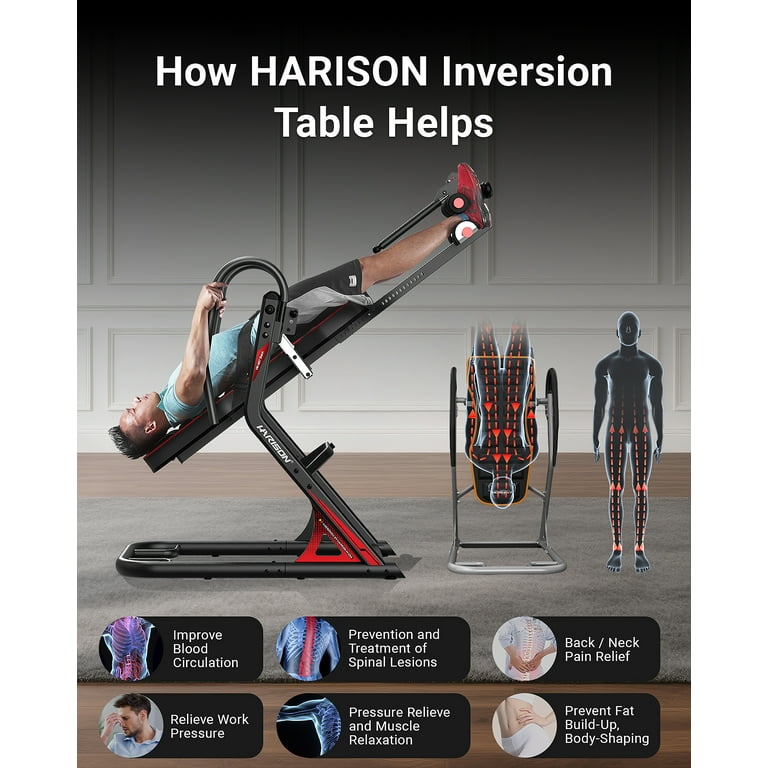
How inversion tables work
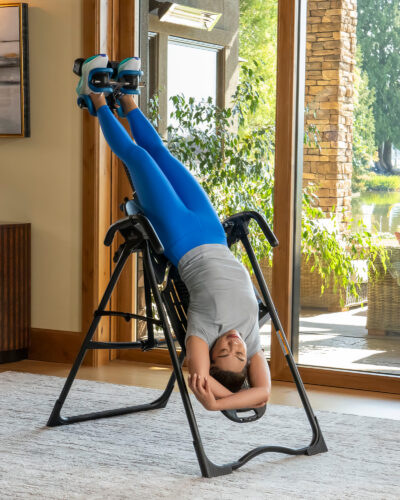
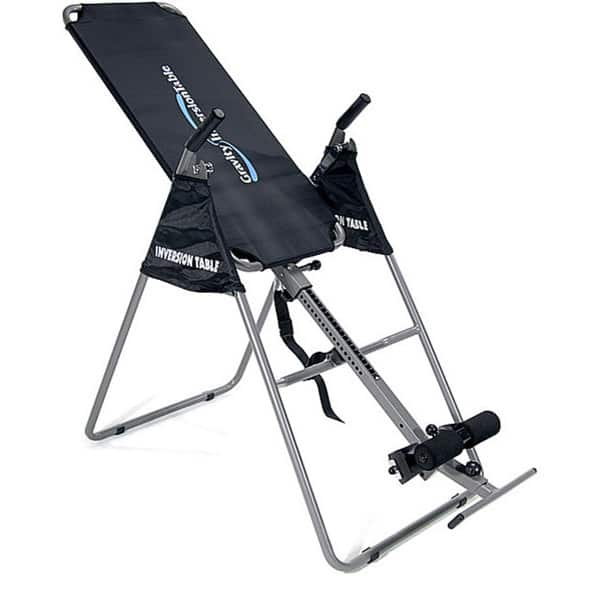
Inversion tables let you hang upside down or at an angle. This uses gravity to create spinal traction. Traction can reduce pressure between vertebrae and ease tight muscles near the spine.
The question "Can inversion tables help with muscle tension" centers on this decompression idea. Reduced compression often leads to less nerve irritation and looser muscles. Short sessions can also change blood flow and signal relaxation to muscle receptors.
Basic mechanisms include:
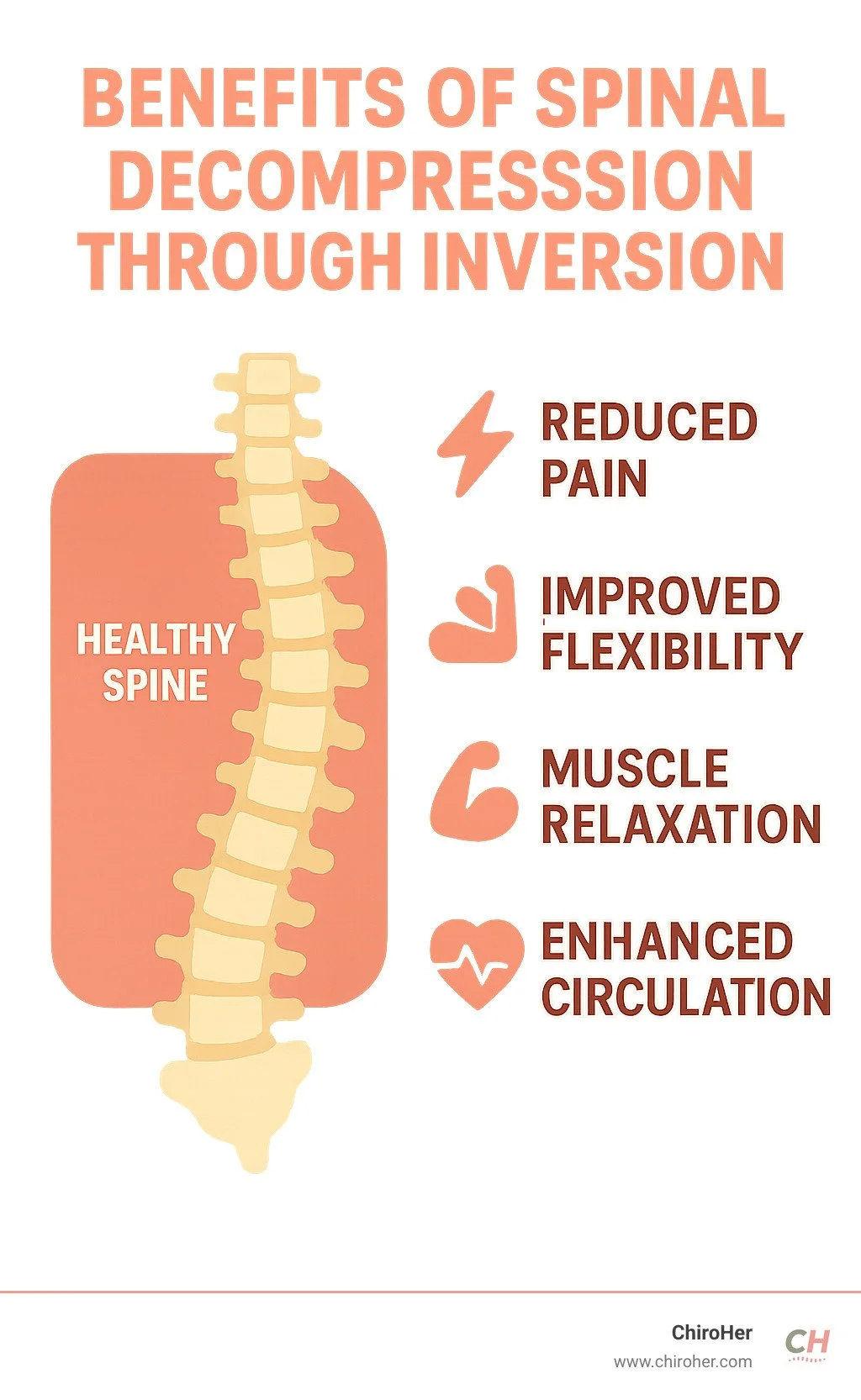
- Spinal decompression that can reduce disc pressure and muscle guarding.
- Stretching of paraspinal muscles and fascia.
- Increased circulation to soft tissues while inverted.
- Reduced load on lower back and better posture cues.
Clinical reports show short-term relief for many users. However, the effect often lasts minutes to hours, not always days. That’s why understanding use, timing, and safety matters.

Benefits for muscle tension
Can inversion tables help with muscle tension in meaningful ways? For many people, the answer is yes, especially for brief relief and improved mobility.
Key benefits:
- Immediate decompression and reduced tightness near the spine.
- Short-term pain relief that can break the pain–tightness cycle.
- Improved range of motion after a session.
- Relaxation response that reduces muscle guarding.
- Complement to stretching and strengthening programs.
Examples of typical gains:
- A brief inverted hold can ease mid-back knots after sitting all day.
- People with chronic low back stiffness often report easier bending after 5–10 minutes.
- Athletes sometimes use short inversion to help recovery after heavy lifting.
Remember, inversion is often an adjunct. It works best combined with active care like targeted stretches and core strengthening.

Limitations and risks
Can inversion tables help with muscle tension for everyone? No. There are limits and potential harms to know.
Main limitations:
- Relief is usually temporary without active follow-up care.
- Not effective for all causes of muscle tension, such as inflammatory or systemic conditions.
- Can worsen symptoms if used improperly or too long.
Risks and contraindications:
- Increased blood pressure and pressure in the eyes. Not safe for people with uncontrolled hypertension, glaucoma, or heart disease.
- Dizziness or lightheadedness, especially when coming upright.
- Risk of falls if straps and locks are not secure.
Always check with a clinician if you have cardiovascular issues, recent injury, or neurologic symptoms. Use conservative angles first and stop if pain increases.
How to use inversion tables safely
A smart approach reduces risk and boosts benefit. Follow simple rules to make inversion feel helpful rather than harmful.
Guidelines:
- Start slow. Try a mild angle (20–30 degrees) for 1–2 minutes.
- Work up gradually to longer or steeper angles if comfortable.
- Breathe slowly and avoid straining. Never jerk your body.
- Pair inversion with gentle stretches afterward to lock in gains.
- Secure ankle locks and ensure the table is on a flat surface.
Practical session plan:
- Warm up with light walking or gentle stretches for 5 minutes.
- Invert at a mild angle for 1–2 minutes.
- Pause upright and do light spinal or hip mobility moves.
- Repeat once if comfortable. Don’t exceed 10–15 minutes total on your first few sessions.
If you experience dizziness, chest pain, vision changes, or worsening symptoms, stop and seek medical advice. As you learn, personalize sessions to your needs.
Alternatives and complementary approaches
Can inversion tables help with muscle tension compared to other options? They are one tool among many. Consider pairing inversion with these methods.
Complementary approaches:
- Manual therapy or massage for targeted knot release.
- Progressive stretching routines for tight hip flexors and hamstrings.
- Core and glute strengthening to reduce compensatory muscle tension.
- Foam rolling and self-myofascial release.
- Heat therapy before inversion and cool-down afterward for inflammation control.
If inversion tables are not suitable, try prone lying with supported lumbar roll or simple traction performed by a therapist. These can provide similar decompression without inversion risks.

Personal experience and practical tips
I’ve used inversion tables with patients and personally trialed them for months. My experience showed modest, reliable short-term muscle relief when used correctly.
What I learned:
- Short, controlled sessions work best. Long hangs made me feel lightheaded.
- Pairing inversion with mobility drills produced longer-lasting improvements.
- The table forced me to slow down and breathe, which often reduced tension more than the inversion itself.
Common mistakes to avoid:
- Going too steep too soon.
- Using inversion as the only treatment for chronic tension.
- Ignoring basic safety checks on the equipment.
If you choose to try one, pick a well-built model, read instructions, and consider a clinician’s guidance for personalized setup.
Frequently Asked Questions of Can inversion tables help with muscle tension
Can inversion tables help with muscle tension immediately?
Yes. Many users feel immediate relief due to spinal decompression and reduced muscle guarding. The effect is often short-term but can be useful for symptom management.
How long should I use an inversion table for muscle tension?
Start with 1–2 minutes at a mild angle and gradually increase up to 5–10 minutes total. Longer sessions increase risk of side effects and are not usually necessary.
Are inversion tables safe for people with high blood pressure?
No. People with uncontrolled high blood pressure or heart issues should avoid inversion tables unless cleared by a doctor. Inversion raises blood pressure temporarily.
Will inversion tables cure chronic muscle tension?
No. Inversion tables can relieve symptoms but usually do not cure underlying causes. Combine inversion with exercise and posture work for longer-term improvement.
Can children or elderly people use inversion tables for muscle tension?
Use caution. Children and older adults may have higher risk for dizziness or falls. Supervision and medical clearance are advised before use.
Conclusion
Used wisely, inversion tables can temporarily reduce muscle tension through spinal decompression, improved circulation, and relaxation. They work best as part of a broader plan that includes stretching, strength building, and posture correction. Start slow, follow safety rules, and use inversion as a tool—not a cure. Try one short session today, note how your body responds, and adjust your approach. If it helps, integrate it into a routine that supports lasting change. Share your experience or questions below and subscribe for more practical guides.