
Look for a strong frame, safe ankle lock, adjustable angles, comfort, and clear safety features.
I have tested inversion tables, read clinical summaries, and helped buyers pick the best models. This guide explains what features should I look for in an inversion table so you can choose one that fits your body, goals, and safety needs. Read on for clear checks, real tips from my experience, and practical advice to avoid costly mistakes.

Today's Exclusive Deals
Limited-time Exclusive Deals. Check current discount on Amazon.
Check Price on Amazon As an Amazon Associate I earn from qualifying purchases.
Why these features matter
An inversion table can relieve back pain, stretch the spine, and improve mobility when used right. Knowing what features should I look for in an inversion table helps you avoid unsafe models and wasted money.
Good features protect you during inversion, make the table comfortable for regular use, and match your height and weight. I will break down the key items, why they matter, and how to choose them.
Today's Exclusive Deals
Limited-time Exclusive Deals. Check current discount on Amazon.
Check Price on Amazon As an Amazon Associate I earn from qualifying purchases.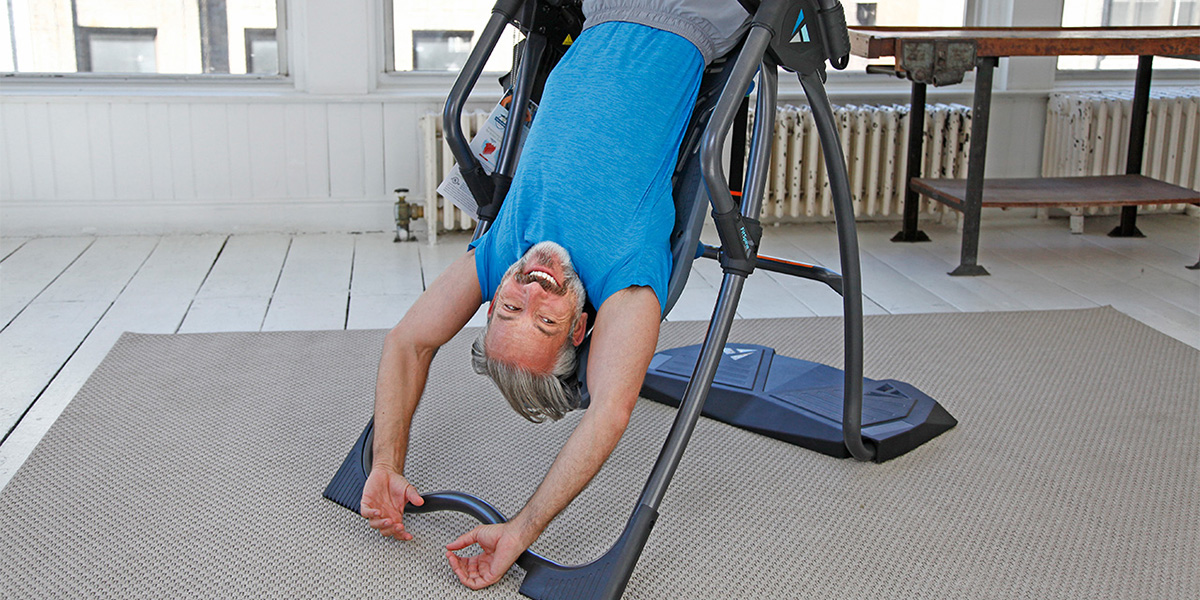
Essential features to look for
Below are the core features I recommend checking closely when you ask "What features should I look for in an inversion table".
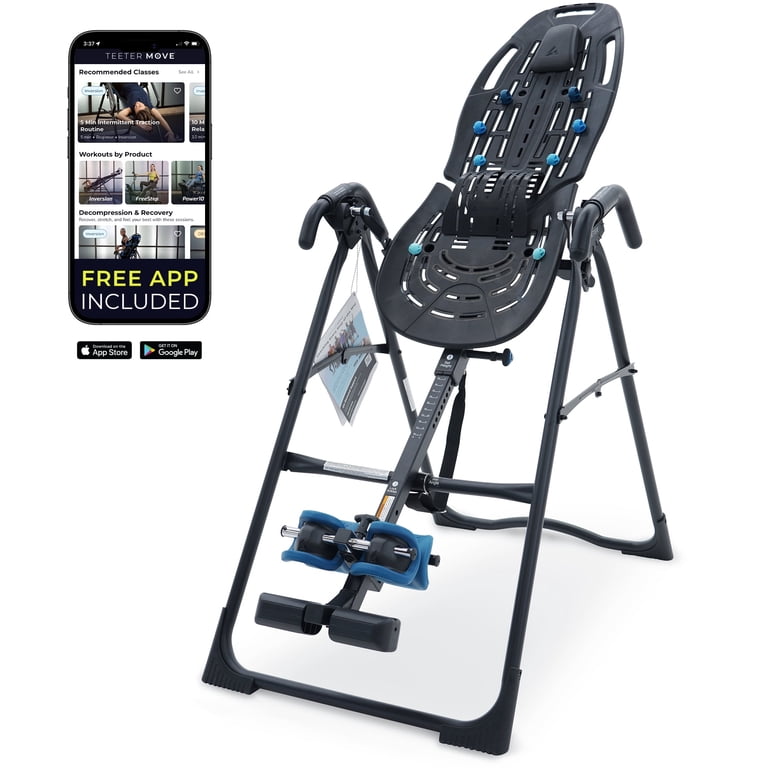
Sturdy frame and weight capacity
A strong steel or heavy-gauge frame reduces wobble. Choose a table rated well above your body weight to add a safety margin.
- Weight capacity: Pick a model with capacity 25–50% above your weight.
- Frame build: Look for welded joints and a powder-coated finish for corrosion resistance.
Secure ankle locking system
A reliable ankle lock is the most important safety item. Poor locks cause slippage and fear.
Today's Exclusive Deals
Limited-time Exclusive Deals. Check current discount on Amazon.
Check Price on Amazon As an Amazon Associate I earn from qualifying purchases.- Ankle cuffs: Dual-lock systems with foam padding are best.
- Quick-release: A simple release avoids strain when finishing a session.
Adjustable inversion angle and control
Not everyone should invert fully. A variable angle gives progressive control.
- Angle markers: Clear angle settings (15°, 30°, 45°, 60°, 90°) are helpful.
- Toggle or strap: Choose an easy-to-use strap or tether for angle stops.
Comfortable backrest and padding
Comfort keeps you using the table regularly. A thin pad can feel rough.
- Padding: Medium-firm padding supports the spine and avoids sinking.
- Backrest design: Contoured backs or lumbar pads aid alignment.
Size, fit, and adjustability
A table must fit your height and body shape for safety and comfort.
- Height range: Check the manufacturer’s recommended height range fits you.
- Fine-tune: Easy height adjustment helps multiple users share one table.
Foldability and storage
If space is limited, a foldable table is a big plus.
- Fold mechanism: Quick, secure folding keeps the table stable in storage.
- Footprint: Compare folded dimensions to your storage area.
Safety features and certifications
Look for built-in safety design and clear user instructions.
- Safety straps and locks: Secondary straps and limiters add protection.
- Certifications: Models that pass quality checks give extra trust.
Assembly, tools, and customer support
A table that ships with tools and clear steps saves time and frustration.
- Included tools: All bolts and wrenches should be in the box.
- Support: A visible warranty and reachable customer service matter.
Extras: heat, massage, and traction accessories
Extras can boost comfort or therapy, but they are not essential.
- Heat and vibration: Helpful for relaxation and muscle release.
- Traction accessories: Useful if you want added decompression options.
When you think "What features should I look for in an inversion table", start with safety, fit, and ease of use first, then consider comfort and extras.

How to choose based on goals and body type
Match features to why you want an inversion table and your body.
- For back pain relief: Prioritize a secure ankle system, gradual angle control, and a comfortable backrest.
- For stretching and mobility: Look for a lightweight, easy-to-adjust table with wider range of motion.
- For shared household use: Choose wide height adjustability, high weight capacity, and sturdy build.
- For limited space: Foldability and compact footprint are crucial.
I once recommended a foldable unit to a friend who lived in a studio apartment. He used it for months because it fit the closet and felt stable. Learn from that: measure your space before buying.

Safety, contraindications, and practical use tips
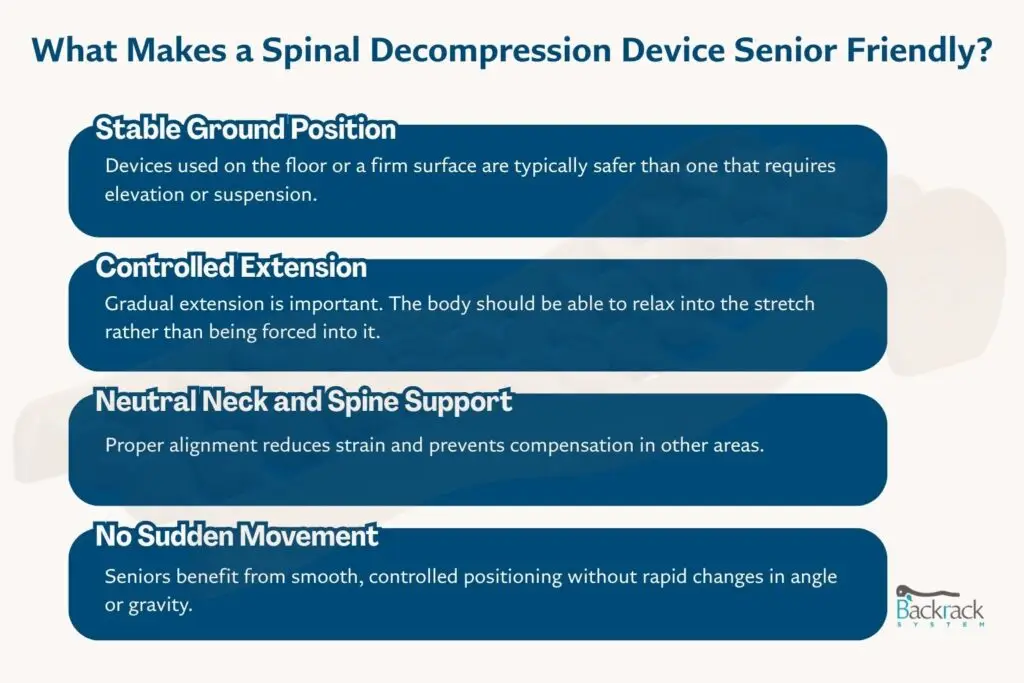
Inversion tables are not safe for everyone. Check medical advice if you have high blood pressure, glaucoma, recent stroke, heart disease, or pregnancy.
Will inversion tables help back pain?
Many people feel short-term relief from spinal decompression and muscle relaxation. Long-term benefit varies and depends on proper use and underlying conditions.
How often should I use an inversion table?
Start with short sessions: 1–2 minutes at a mild angle. Gradually increase to 5–10 minutes up to once or twice daily if comfortable.
Use these safety tips:
- Have a spotter for first sessions.
- Move into and out of inversion slowly.
- Keep your head and neck relaxed; do not twist while inverted.
- Stop if you feel dizziness, chest pain, or severe discomfort and consult a doctor.
When asking "What features should I look for in an inversion table" always include safety locks and easy exits first. A small safety strap or tether and a trusted ankle lock are non-negotiable.
Maintenance, warranty, and buying tips
Maintenance keeps the table safe and working for years.
- Routine checks: Tighten bolts and inspect padding and locks monthly.
- Clean and protect: Wipe down pads and frame to prevent sweat damage.
- Lubrication: Light oil on pivot points keeps motion smooth.
Warranty and return policy:
- Warranty length: Look for at least a one-year warranty on parts and frame.
- Returns: A clear return window helps if the table doesn’t fit or feels unstable.
Buying tips:
- Try before you buy if possible. Many stores have demo units.
- Read reviews focused on long-term use, not just first impressions.
- Keep assembly time and required tools in mind.
What features should I look for in an inversion table? Durable materials, a clear warranty, and friendly customer support top the buying checklist.

My personal experience and common mistakes to avoid
I tested four mid-range tables over two years. My mistakes taught me faster choices.
Lesson 1: Don’t skimp on the ankle system. A cheap cuff led to slippage and returned a table within a week.
Lesson 2: Check the actual weight capacity. Some labels inflate numbers. I measured the frame wobble under load and avoided unstable units.
Lesson 3: Measure your space and your height. A table that is too tall or awkward to unfold ends up unused.
Real tips:
- Practice short inversions to build comfort.
- Keep a timer and the phone nearby for safety.
- Use a thin towel on the ankle padding for hygiene and grip.
When you ask "What features should I look for in an inversion table", trust hands-on feel, not just specs. If it feels solid and safe, it likely is.
Frequently Asked Questions of What features should I look for in an inversion table
What angle should I use when starting inversion therapy?
Start with a mild angle such as 15° to 30° to see how your body reacts. Only gradually increase to steeper angles as you build comfort and tolerance.
How important is the ankle lock on an inversion table?
Very important. The ankle lock holds you in place and prevents dangerous slippage, so choose a table with a proven, padded locking system.
Can anyone use an inversion table?
Not everyone. People with high blood pressure, heart disease, glaucoma, or pregnancy should avoid inversion therapy and consult a doctor first.
How long should an inversion table last with normal use?
A quality table can last many years with routine maintenance and careful use, but warranty and build quality affect longevity. Inspect joints and padding periodically.
Do I need professional assembly for an inversion table?
Most tables include clear instructions and basic tools for self-assembly, but professional setup can save time and ensure correct torque on bolts for safety.
Conclusion
Choosing an inversion table comes down to safety, fit, and real usability. Focus on a strong frame, a reliable ankle lock, adjustable angle control, comfortable padding, and a clear warranty. Try models when you can, measure your space, and prioritize features that match your health goals.
Take action today: list your top needs, measure your space, and use this guide to compare models. If you have questions or want model recommendations, leave a comment or subscribe for more hands-on reviews and tips.

