
Inversion tables invert your entire body; inversion chairs tilt you partially for gentler spinal relief.
I have spent years testing back-care gear and advising people on safe ways to reduce back pain. In this article I explain clearly what is the difference between inversion tables and inversion chairs, how each works, who benefits most, and how to choose the right device for your needs. Read on for practical tips, safety advice, and real-life lessons from hands-on use.

Today's Exclusive Deals
Limited-time Exclusive Deals. Check current discount on Amazon.
Check Price on Amazon As an Amazon Associate I earn from qualifying purchases.
How inversion devices work and the key mechanics
Inversion therapy uses gravity to apply traction to the spine. Both inversion tables and inversion chairs aim to reduce pressure on spinal discs and joints. The main mechanical difference is rotation versus tilt.
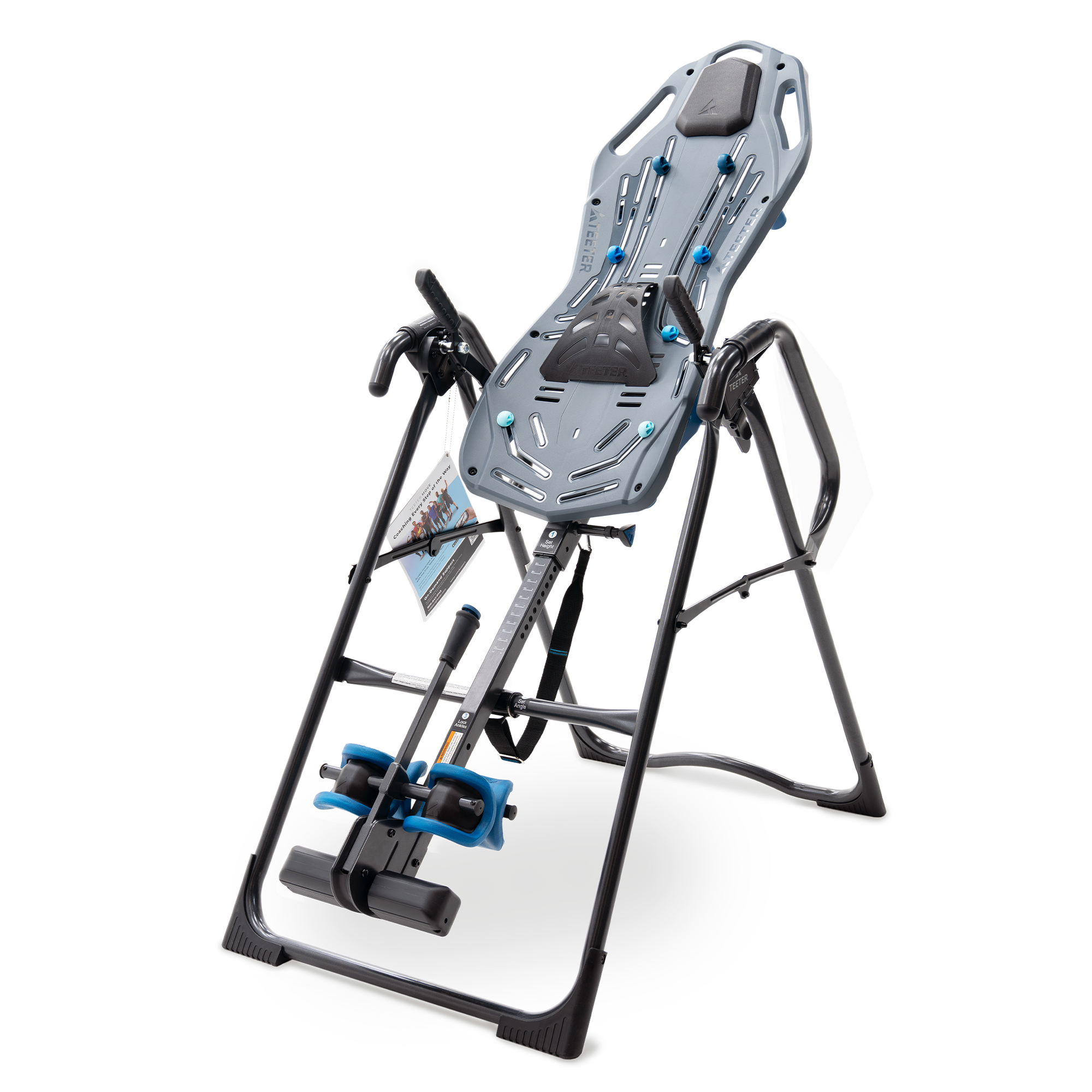
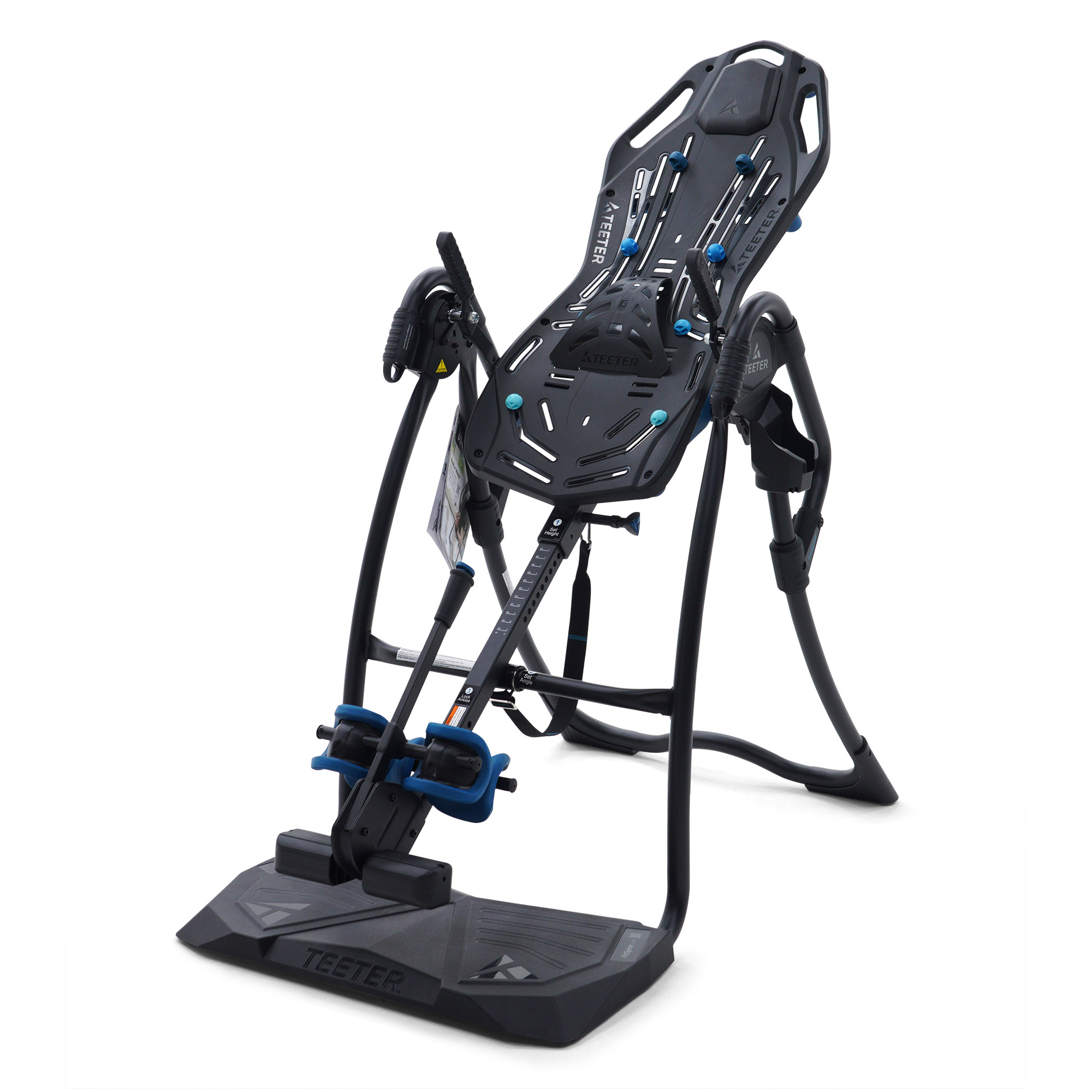
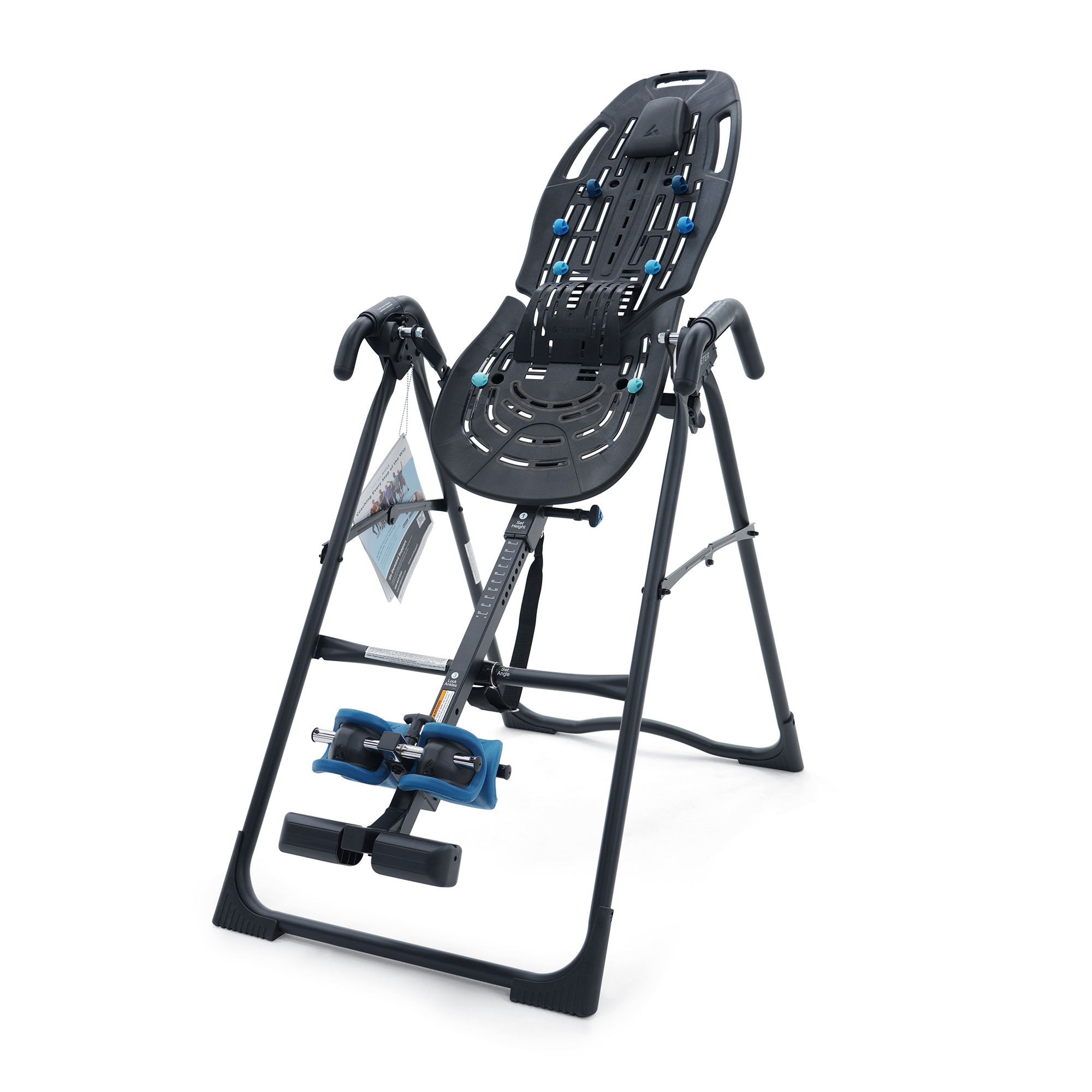
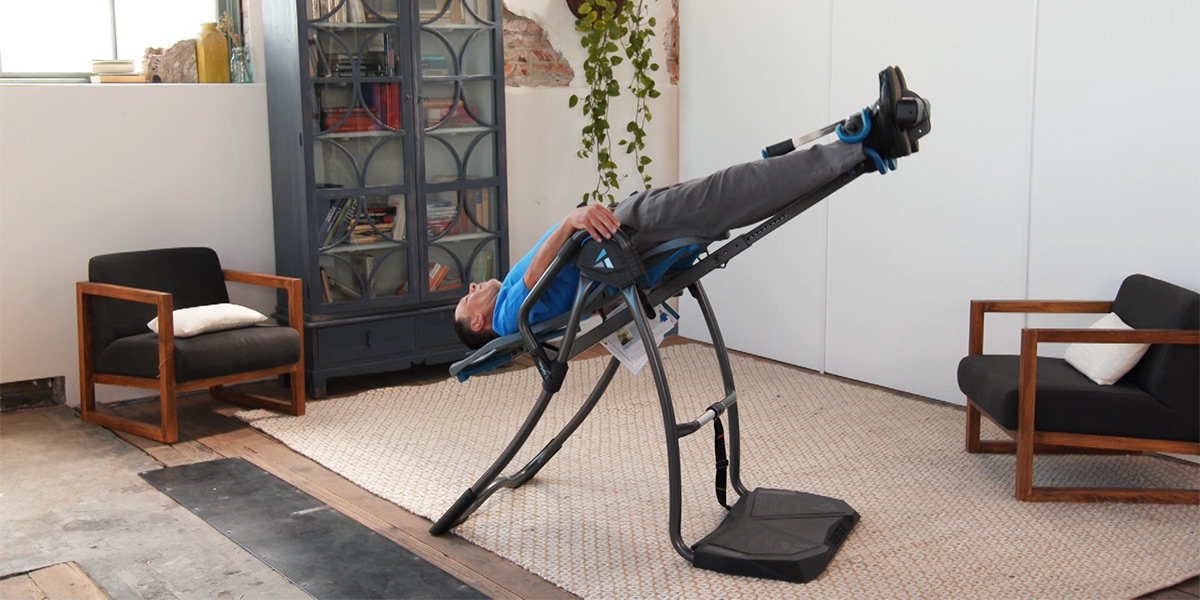
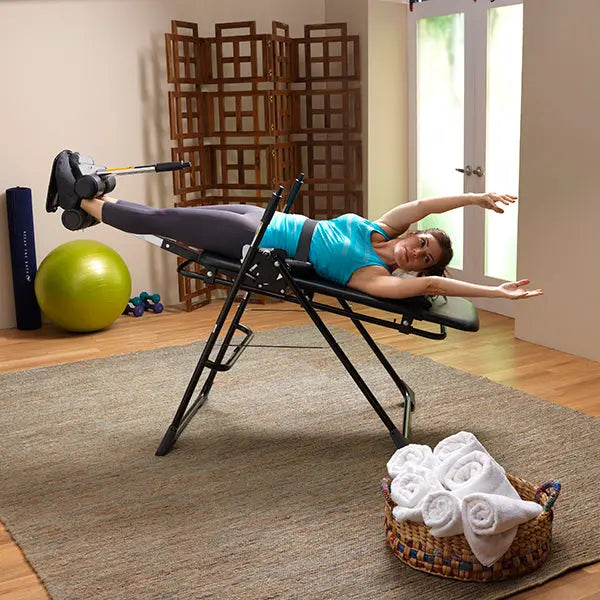
Inversion tables rotate the user into a head-down or angled position. They use a pivot and ankle locking system. This gives strong spinal decompression and a larger range of inversion angles.
Inversion chairs support the user in a seated position and tilt backward. They rely on a reclining hinge and often use straps or footrests. Chairs deliver milder traction and let you remain more stable.
What is the difference between inversion tables and inversion chairs appears in how force is applied. Tables use full-body inversion to use body weight for traction. Chairs use partial tilt to change spinal loading without full inversion.
Design and comfort differences
What is the difference between inversion tables and inversion chairs shows up clearly in design and user comfort.
- Size and footprint: Tables are larger and need more floor space. Chairs are more compact and often fit into a home office or small room.
- Mounting and storage: Tables fold flat or rotate for storage in many models. Chairs may fold but are usually less mobile.
- Support and padding: Tables have a backrest and ankle cuffs. Chairs have a seat, back support, and sometimes armrests for extra comfort.
- Range of motion: Tables allow near-vertical inversion and many angle locks. Chairs typically tilt partially, offering gentler angles.
- Ease of use: Chairs are often easier to get into and out of, which helps older users or those with balance concerns. Tables require learning ankle securement and safe inversion control.
When you ask what is the difference between inversion tables and inversion chairs, remember that comfort and fit often dictate which device you will actually use regularly.

Therapeutic benefits and scientific context
Both devices aim to relieve pressure on spinal discs and reduce pain. They also claim to improve flexibility and circulation.
- Spinal decompression: Full inversion from tables can increase intervertebral space more than chairs. This can ease nerve root compression in some cases.
- Muscle relaxation: Both devices reduce muscle tension by changing load and letting muscles lengthen gently.
- Posture and mobility: Regular use can help with posture and range of motion when combined with exercise and stretching.
- Short-term pain relief: Many users report immediate relief. Clinical evidence is mixed and shows short-term benefits for some patients.
Research shows benefits are typically short-term and vary by condition. If you wonder what is the difference between inversion tables and inversion chairs for therapy, know that tables may offer stronger decompression while chairs give milder, more tolerable relief. Always pair inversion with core and stretching work for best results.
PAA-style quick questions
Will inversion help a herniated disc?
Inversion can reduce pressure on a disc briefly and ease pain for some people. It is not a cure and should be used with medical guidance.
How long should I invert per session?
Start with one to two minutes and build slowly to five to ten minutes. Longer sessions are not always better and can increase side effects.
Safety, contraindications, and best practices
Safety matters more than comfort when using inversion devices. Know when to avoid them.
- Common contraindications: High blood pressure, glaucoma, heart disease, pregnancy, and recent stroke are reasons to avoid inversion. Consult a clinician if you have health issues.
- Side effects: Head rushes, dizziness, and increased eye pressure can occur. Move slowly when returning upright.
- Safe angles: Beginners should start at 20 to 30 degrees and progress only if comfortable. Use straps and a spotter if possible.
- Session pacing: Short, frequent sessions beat long sessions. Two to three times a day in brief intervals often works well.
If you ask what is the difference between inversion tables and inversion chairs in safety, note that chairs are typically safer for those with balance or circulatory issues because they avoid full inversion and feel more secure.
Choosing the right device: buyer’s guide
Decide based on goals, space, budget, and health.
- Goal-driven choice: Use a table if you want stronger spinal traction. Choose a chair if you prefer gentler relief or need to stay seated.
- Space and storage: Measure your room. Tables need more clearance. Chairs are easier in tight spaces.
- Budget: Tables range from budget to premium. Chairs often cost less but can still be pricey if they include massage or heat.
- Build quality: Look for solid frames, quality ankle support, safety straps, and good warranties.
- Try before buying: If possible test both types at a clinic or store. Comfort and fit vary by body size.
Repeat this thought: what is the difference between inversion tables and inversion chairs comes down to the intensity of inversion, stability, and intended use. Choose the device you will use consistently.
Personal experience and practical tips
I have used both an inversion table and an inversion chair for months. I learned a few things that help most users.
- Start slow: My first mistake was going too steep too soon. I now begin at small angles for one minute.
- Secure ankles: On tables, make sure ankle locks are snug but not painful. On chairs, keep feet flat and secure.
- Combine with movement: Light stretches after inversion helped my mobility more than inversion alone.
- Use a timer and spotter: A timer prevents overdoing it. A friend is helpful when you first invert.
- Listen to your body: Dizziness, chest pain, or vision changes mean stop and consult a doctor.
When asked what is the difference between inversion tables and inversion chairs in daily life, I tell people tables feel intense but effective, while chairs feel safer and easier to use daily.
Frequently Asked Questions of What is the difference between inversion tables and inversion chairs
What is safer, an inversion table or an inversion chair?
Chairs are generally safer for beginners and people with balance concerns because they avoid full inversion and keep the body more supported.
Can inversion devices cure back pain?
No. Inversion devices can offer short-term relief but are not a cure. They work best alongside exercise, posture work, and professional care.
How often should I use an inversion table or chair?
Begin with short sessions, one to two minutes once or twice daily, and slowly increase to a few five-minute sessions if comfortable and cleared by a clinician.
Do I need a doctor’s approval before trying inversion therapy?
Yes. If you have health issues like high blood pressure, heart disease, glaucoma, or pregnancy, consult a doctor before trying inversion therapy.
Will inversion worsen my condition?
It can for certain conditions or if used improperly. Stop if you experience severe pain, dizziness, or vision changes and seek medical advice.
Are inversion chairs good for seniors?
Many seniors find inversion chairs easier and safer because chairs provide more support and avoid full head-down positions. Still, medical clearance is recommended.
Is one device better for sciatica?
Some people with sciatica feel more relief with tables due to greater decompression; others prefer chairs for comfort. Results vary by individual and the cause of sciatica.
Conclusion
Choosing between inversion tables and inversion chairs comes down to your goals, health, and comfort. Tables deliver stronger decompression and a wider angle range. Chairs offer gentler traction and more stable support. Try both if you can, start slowly, and work with your clinician when you have medical issues. Take one small step today: measure your space, check your health profile, and try a brief test session so you can make an informed choice. Leave a comment below with your experience or question — I read and reply to every message.

