
Inversion tables can raise blood pressure, eye pressure, and cause falls or worsened spinal injuries.
I have worked with back pain tools and tested inversion tables. I will explain what are the risks of using an inversion table in clear, practical terms. Read on to learn the real hazards, who should avoid them, and safe steps if you try one.

Today's Exclusive Deals
Limited-time Exclusive Deals. Check current discount on Amazon.
Check Price on Amazon As an Amazon Associate I earn from qualifying purchases.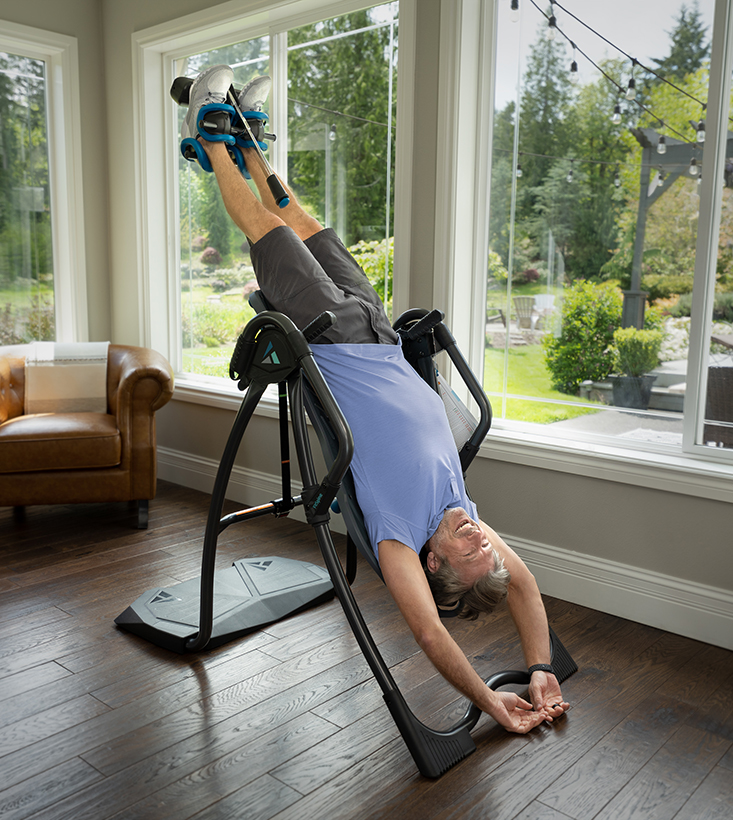
How inversion tables work
An inversion table lets you hang upside down or at an angle. Gravity then stretches the spine and joints. Some people feel relief from back tightness or disc pressure. When asking "What are the risks of using an inversion table," remember the force of gravity acts differently on your body when inverted.
Common claimed benefits
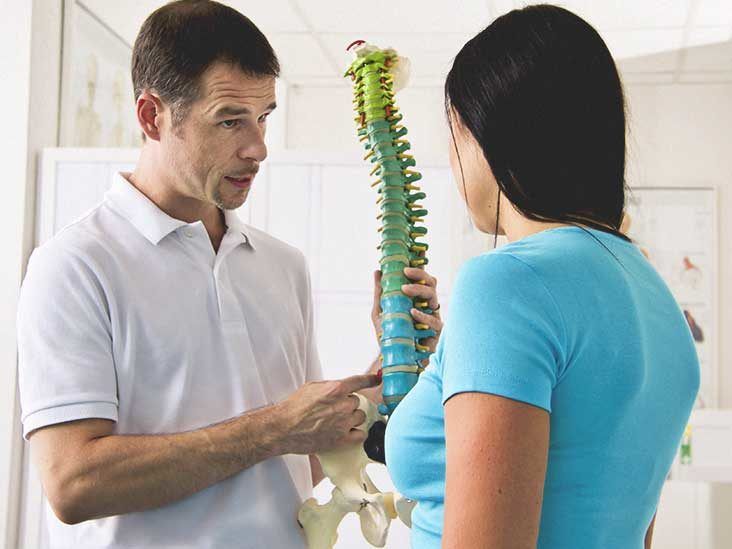
People use inversion tables for a few reasons. They hope to ease low back pain and relax tight muscles. Some users report short-term relief from spinal compression. Still, asking "What are the risks of using an inversion table" matters before you try one.

Major risks and why they happen
Below are the main dangers linked to inversion tables and why they occur.
Increased blood pressure
Inversion raises blood pressure in the head and chest. This can stress the heart and vessels, especially for people with hypertension.Raised eye pressure and glaucoma risk
Hanging upside down increases intraocular pressure. This can worsen glaucoma or harm the optic nerve.Stroke and heart strain
Rapid shifts in blood flow can trigger heart rhythm problems or, in rare cases, stroke. People with heart disease are at higher risk.Worsened herniated disc or nerve pain
Inversion can change disc forces. A damaged disc might bulge more or pinch a nerve.Falls and ankle or knee injuries
Poor locking systems or user error can cause slips. Falls may lead to fractures or sprains.Dizziness, nausea, and vertigo
The inner ear reacts to changes in position. Some users feel lightheaded or sick when inverted.Increased intracranial pressure and sinus congestion
Blood pools in the head when inverted. That can cause headache, pressure, or sinus pain.Bone and joint concerns for people with osteoporosis
Older bones can fracture if forces and falls happen. Joint pain may increase for some users.Interaction with medications
Blood thinners, blood pressure drugs, and eye medicines change how inversion affects you. These interactions can increase danger.
When you ask "What are the risks of using an inversion table," think of these mechanisms. The risks come from gravity, blood flow shifts, and device handling.

Who should avoid using an inversion table
Some people should not use an inversion table at all. Avoid it if you have any of these conditions:
- High blood pressure or uncontrolled hypertension
- Heart disease, irregular heartbeat, or recent heart attack
- Glaucoma or high eye pressure
- Stroke history or risk of clotting issues
- Herniated discs with severe nerve symptoms
- Osteoporosis or weak bones
- Pregnancy
- Inner ear problems or severe vertigo
- Recent surgery, especially spinal or abdominal
Ask your doctor about risks if you take blood thinners or have complex medical issues. When considering "What are the risks of using an inversion table," personal health matters most.
How to reduce risks and use inversion tables safely
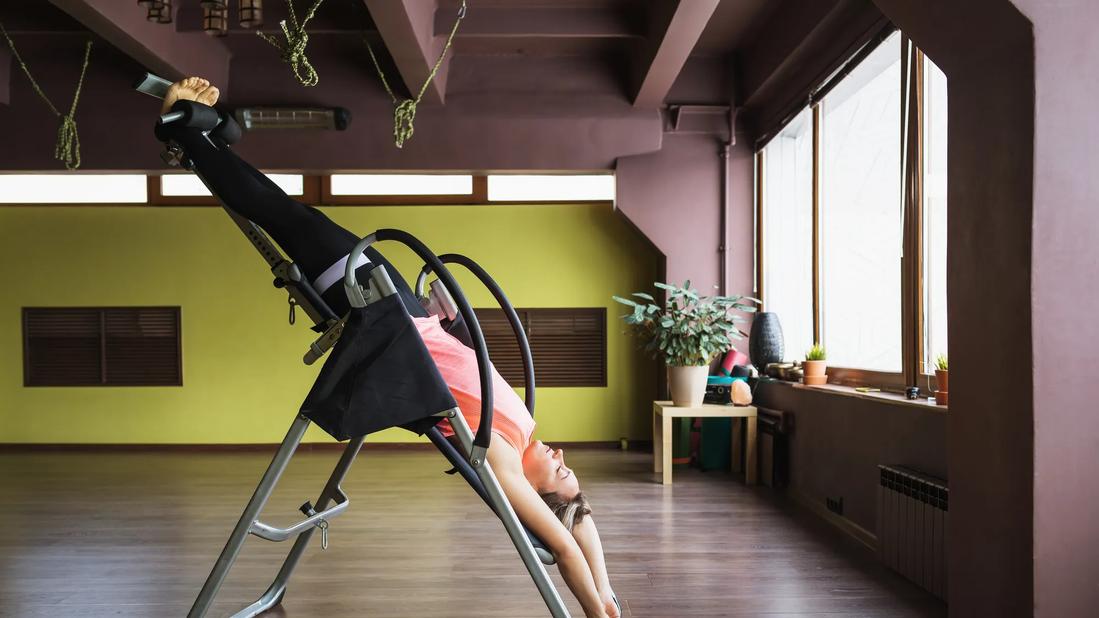
If you decide to try an inversion table, take real safety steps.
Get medical clearance first
Ask your primary care doctor or specialist for approval.Start slowly
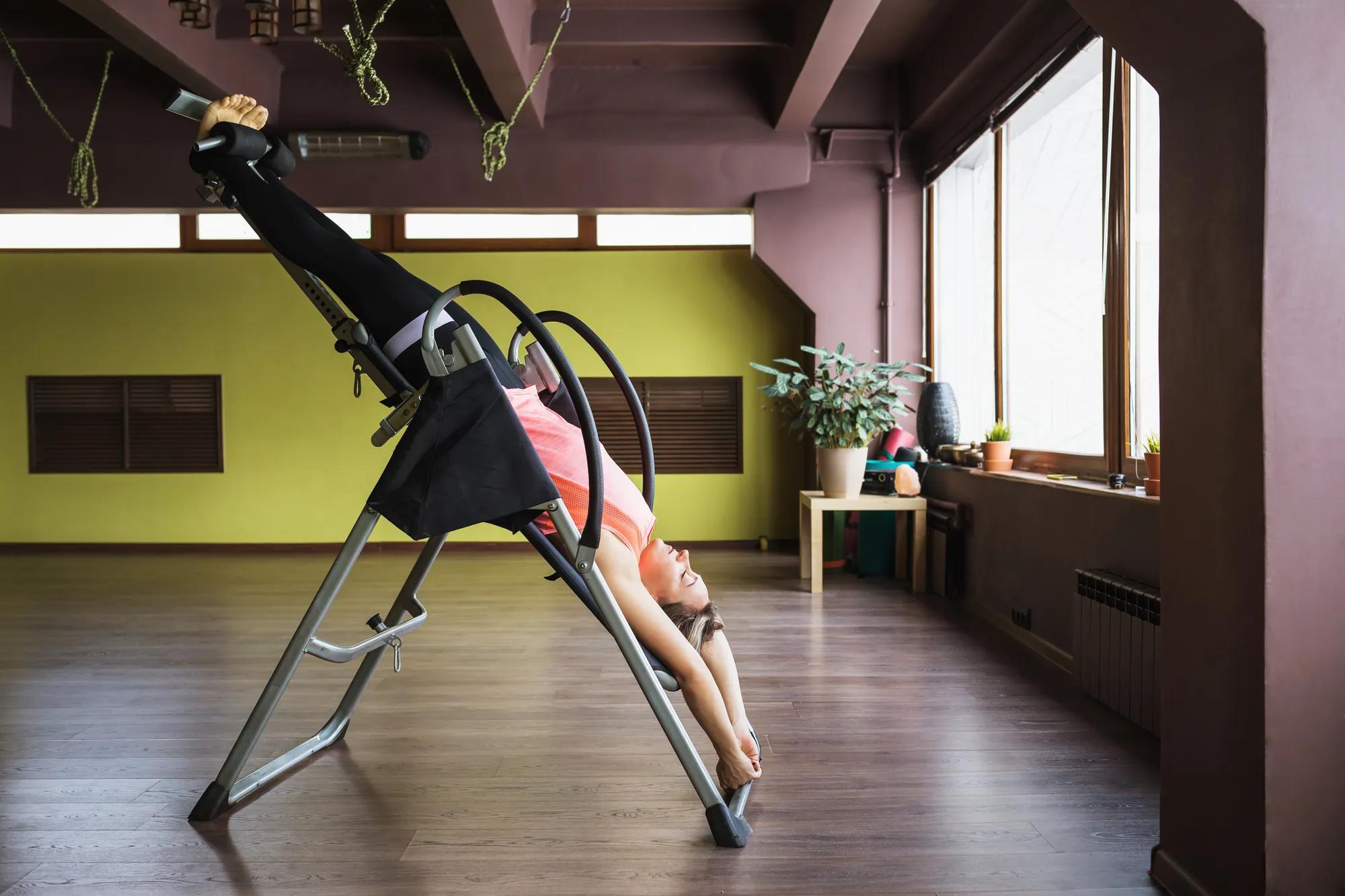
Use a small tilt angle for one to two minutes. Gradually increase angle and time over weeks.Limit session time
Keep sessions short. Many experts suggest 1 to 2 minutes to start and no more than 10 minutes total.Stay no more than 60 degrees initially
Full inversion can raise risks more than a modest tilt. Keep angles conservative.Use a spotter for the first sessions
Have someone nearby to help you get up and down safely.Check the hardware and locks
Use a stable, well-built table. Test the ankle and safety locks before use.Watch for warning signs
Stop if you feel chest pain, severe headache, vision changes, numbness, or intense dizziness.Avoid inversion after drinking alcohol or on sedating meds
These increase fall and faint risk.
Practicing these steps lowers many of the hazards in "What are the risks of using an inversion table."

Personal experience: what I learned
I used an inversion table for short stretches while testing back tools. I felt a quick release in my lower back after one to two minutes. But I also felt lightheaded the first time I went nearly vertical. That taught me to start slow and never push beyond comfort.
I once helped a friend who tried full inversion without a spotter and struggled to return upright. We now always use a spotter and set small angle limits. These real moments show why the question "What are the risks of using an inversion table" is practical, not just theoretical.
Alternatives to inversion therapy
If the risks feel too high, try safer options.
- Physical therapy with guided spinal decompression moves
- Traction performed by a clinician
- Targeted stretches and core exercises
- Yoga poses that gently lengthen the spine
- Heat, ice, and anti-inflammatory strategies
- Professional spinal decompression devices in clinics
These options lower the hazards raised in "What are the risks of using an inversion table" while offering relief for many people.

Frequently Asked Questions of What are the risks of using an inversion table
Is inversion therapy safe for high blood pressure?
Inversion can raise blood pressure and strain the heart. People with high blood pressure should avoid inversion or get explicit medical clearance first.
Can inversion tables cause a stroke?
In rare cases, changes in blood flow and pressure may contribute to stroke risk. Those with vascular disease or clot risks should not use inversion without medical advice.
Will inversion make a herniated disc worse?
Inversion can change disc forces and may worsen certain herniations. Work with a spine specialist before trying inversion if you have a known disc injury.
How long should I stay inverted to be safe?
Start with one to two minutes at a gentle angle and watch how you feel. Many experts recommend short sessions and avoiding extended full inversion.
Can seniors use inversion tables?
Seniors often have higher risk from falls, weak bones, and heart issues. Most should avoid inversion unless a clinician clears them and supervision is available.
Do inversion tables help chronic back pain?
Some people get short-term relief, but evidence is mixed and risks exist. Try safer options first and consult a clinician for chronic pain plans.
Conclusion
Inversion tables offer quick stretch and relief for some. But many real risks exist, from higher blood and eye pressure to falls and worsened spinal problems. Think about "What are the risks of using an inversion table" before you try one. If you decide to proceed, get medical clearance, start slow, use a spotter, and stop at any warning sign. Try safer alternatives first if you have heart, eye, bone, or nerve issues.
Take action now: talk to your healthcare provider, test small tilts under supervision, and share your experience below. If you found this helpful, subscribe or comment with your questions.

