
Use an inversion table safely by starting slow, checking health risks, and following a simple step-by-step routine.
I’ve used and tested inversion tables for years with clients and for my own back care. This guide explains exactly how do you use an inversion table safely, from setup to exit, with clear steps, safety checks, and real-world tips. You’ll get easy instructions, evidence-based cautions, and practical habits that protect your neck, heart, and spine while helping you get the most benefit.

Today's Exclusive Deals
Limited-time Exclusive Deals. Check current discount on Amazon.
Check Price on Amazon As an Amazon Associate I earn from qualifying purchases.
Understanding inversion therapy and why people use it
Inversion therapy means tilting your body upside down or at an angle to reduce pressure on the spine. Fans say it can ease lower back pain, improve posture, and stretch tight muscles. Evidence is mixed but many short-term trials and user reports show relief for some types of back pain when used correctly. Remember that inversion is a tool, not a cure, and it works best with exercise, posture work, and medical guidance.

Safety checklist before you invert
Before you try inversion, do a short safety review. Check your health history, especially blood pressure, glaucoma, heart disease, and pregnancy risks. Inspect the table for loose parts, stable base, and secure ankle locks. Use a spotter for your first few sessions and set a timer to avoid staying inverted too long.
- Confirm your doctor approves inversion if you have heart, eye, or vascular conditions.
- Test the table while standing to ensure it supports your weight and locks smoothly.
- Wear comfortable, close-fitting clothes and remove jewelry that might catch.
- Start with gentle angles and short times to test how your body reacts.
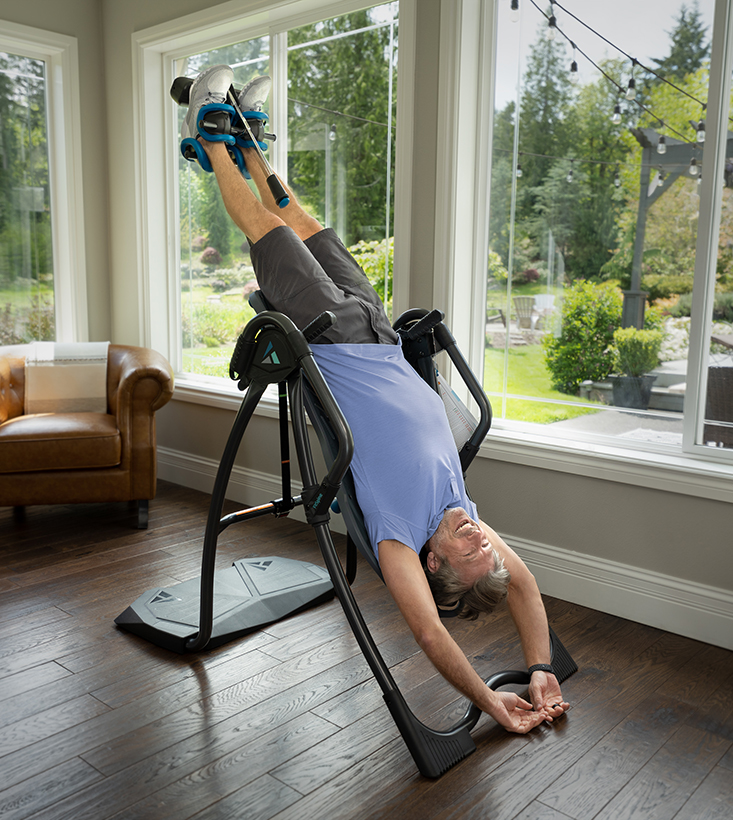
How do you use an inversion table safely: step-by-step guide
Follow these steps every time so you use an inversion table safely and reduce risk of injury.
- Prepare the area and table
- Place the table on a flat surface and keep a phone or bell nearby.
- Set the ankle locks and height adjustment to your leg length.
- Mount the table and secure ankles
- Stand with your back to the table and secure both ankles snugly.
- The locks should hold you without pinching. Test by leaning back slowly.
- Set a gentle start angle
- Begin with a 15 to 30 degree tilt for the first sessions.
- Move slowly and pause if you feel dizziness or pain.
- Breathe and relax while inverted
- Keep breathing smoothly. Hold for 1 to 2 minutes at first.
- Avoid jerky movements and don’t bounce.
- Return upright slowly
- Use the table’s handles or center of gravity to return slowly to vertical.
- Sit up briefly before unstrapping ankles to avoid lightheadedness.
- Log your session
- Note angle, time, and how you felt. Increase time by 30–60 seconds across sessions as tolerated.
If you follow these steps you will reduce common risks and learn how do you use an inversion table safely for everyday care.
Proper angles, duration, and frequency
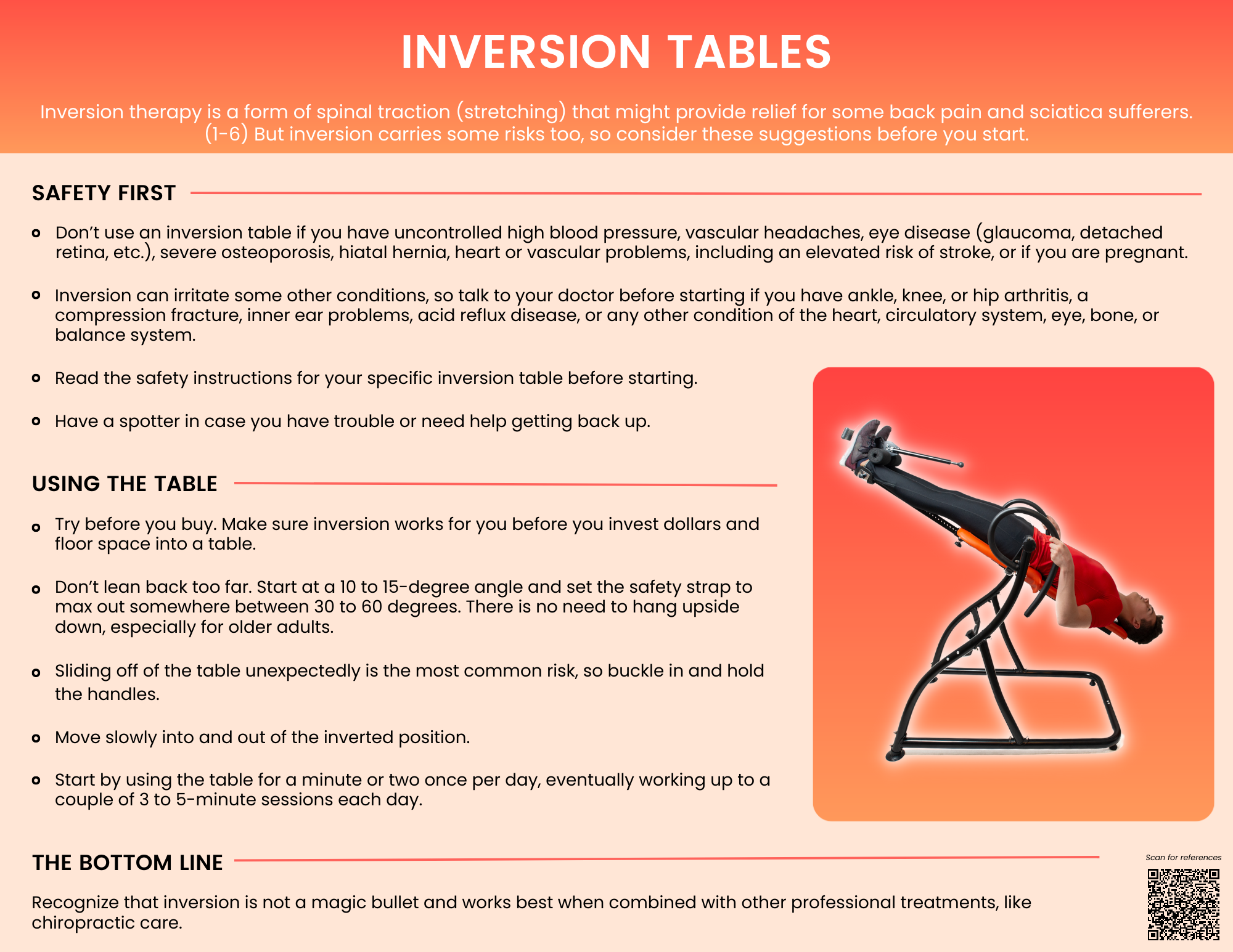
How you tilt matters more than how often you do it. Start small and build gradually.
- Typical beginners start at 15 to 30 degrees for 1 to 2 minutes.
- Intermediate users may use 40 to 60 degrees for up to 5 minutes.
- Advanced users sometimes go near full inversion, but only after weeks of consistent practice and medical clearance.
Frequency guidelines
- 3 to 5 short sessions per week is common.
- Avoid long sessions; short, regular use gives benefit without overloading the body.
Signs you’re using the wrong angle or time
- Dizziness, ringing in ears, worsening headaches, or blurred vision.
- Sudden chest pain, shortness of breath, or severe neck pain.
If any of these occur, stop immediately and consult a clinician. Practicing with a partner helps you test safe angles and exit smoothly.

Contraindications: who should avoid inversion tables
Certain conditions make inversion unsafe. Always check with a doctor if you have any of these issues.
- High blood pressure or uncontrolled hypertension
- Heart disease, arrhythmias, or recent heart attack
- Glaucoma or severe eye conditions that can be worsened by increased eye pressure
- Pregnancy or recent abdominal surgery
- Inner ear problems or severe vertigo
- Osteoporosis with vertebral fractures or severe joint instability
If you are on blood thinners or have a history of stroke, get specific medical advice before attempting inversion. When in doubt, avoid inversion until cleared by a healthcare professional.
Common mistakes and how to avoid them
Many problems come from small errors. Learn these to stay safe.
- Mistake: Going inverted too fast or too far on the first try.
Avoidance: Start at low angles and slow speed. - Mistake: Loose ankle restraints or poor table setup.
Avoidance: Double-check locks and leg-length settings each session. - Mistake: Holding breath, tensing neck or shoulders.
Avoidance: Breathe slowly and relax; use a pillow under the head if needed. - Mistake: Using inversion as the only treatment for chronic pain.
Avoidance: Combine with strengthening, stretching, and medical care.
Small habits matter. A stable base, snug ankles, and slow movement make inversion much safer.
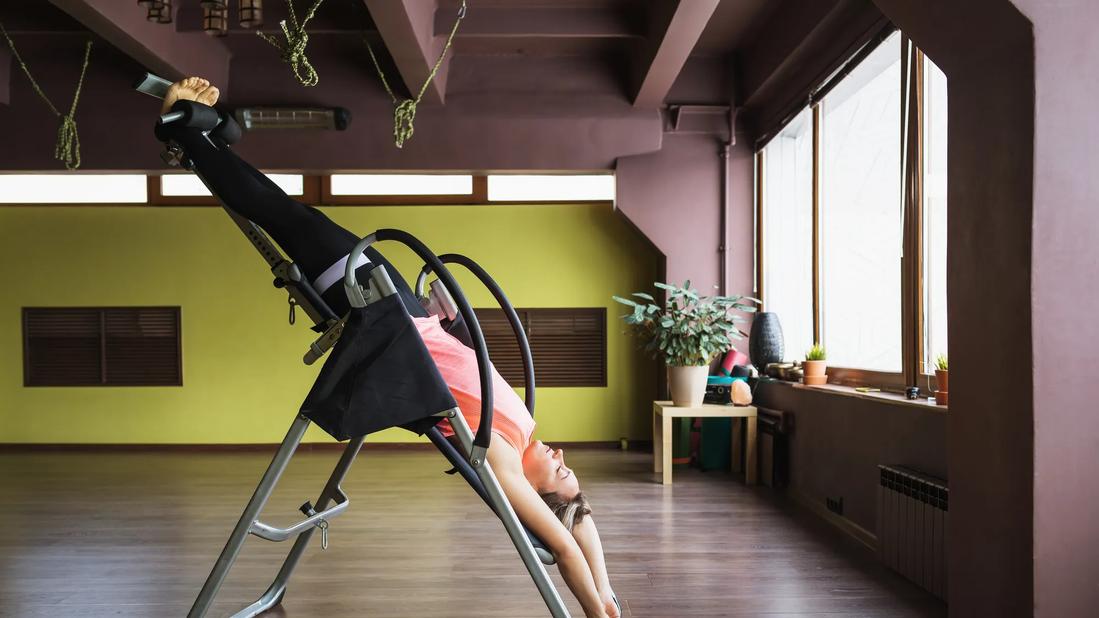
Setup, maintenance, and emergency exit procedures
A safe inversion routine includes regular care of the equipment and a clear emergency plan.
Setup and maintenance
- Tighten bolts and check the frame monthly.
- Lubricate pivot points as the manual recommends.
- Replace worn ankle pads and safety straps promptly.
Emergency exit steps
- If you feel faint or have severe pain, slowly return to upright using handles.
- Ask your spotter or a family member to help unlock ankles if you cannot.
- If symptoms persist, lie down, call for medical help, and describe your activities.
Practice mounting and exiting while upright until you feel confident. Knowing how do you use an inversion table safely includes knowing how to stop quickly and calmly.

What the research says and realistic expectations
Research on inversion therapy shows short-term relief for some people with low back pain. Benefits are often temporary and best used as part of a broader rehab plan. Limited studies show mixed results for structural changes. Use inversion to relieve pressure and stretch soft tissue, not as a standalone fix. Track your progress and consult your clinician for persistent or worsening symptoms.

Personal experience and practical tips
From my years working with clients and testing tables, a few habits made the biggest difference.
- Start with a trusted brand and check weight ratings. I once used a budget table that wobbled; I returned it and upgraded, which solved all stability problems.
- Use a pillow under the head during mild inversion if you have neck stiffness. It made sessions more comfortable for me and many clients.
- Pair short inversion with light core work and walking. This combination gave real back pain reduction for several people I coached.
- Keep sessions short after travel or vigorous exercise; your body tolerates inversion differently when tired.
My lesson: patient, consistent practice and medical checks trump dramatic, immediate results.
How to combine inversion with other back care
Inversion works best with simple habits that support spine health.
- Gentle core strengthening: pelvic tilts, bridges, and bird-dogs.
- Posture practice: frequent breaks from sitting and mindful shoulder alignment.
- Stretching: hamstrings and hip flexors reduce pull on the lower back.
- Sleep and ergonomics: a good mattress and chair support reduce pain recurrence.
By pairing these habits you create a sustainable plan. Knowing how do you use an inversion table safely also means integrating it into a broader routine.
Frequently Asked Questions of How do you use an inversion table safely
Can inversion tables cure herniated discs?
No. Inversion may relieve pressure and reduce symptoms for some people, but it does not reverse disc damage. Use it with medical care and targeted rehab.
How long should I stay inverted as a beginner?
Start with 1 to 2 minutes at 15 to 30 degrees and increase slowly as tolerated. Monitor symptoms and stop if you feel dizzy or unwell.
Will inversion raise my blood pressure or eye pressure?
Inversion can elevate blood and eye pressure temporarily; people with hypertension or glaucoma should avoid it unless cleared by a doctor. Always seek medical clearance for these conditions.
Is daily inversion safe?
Short, gentle daily sessions can be safe for some people, but most benefit from 3 to 5 sessions per week. Listen to your body and follow your clinician’s advice.
What if I feel dizzy when inverted?
Return to upright slowly and sit down. Dizziness is a sign to reduce angle, shorten time, or stop inversion until you consult your doctor.
Conclusion
Using an inversion table can be safe and helpful when you follow clear steps, get medical clearance for risk conditions, and start slow. Check your equipment, secure your ankles, begin at low angles, and pair inversion with exercise and posture work for best results. Try one cautious session this week, keep a short log of your angle and symptoms, and talk to a clinician if anything feels off. If you found this guide useful, subscribe for more practical back-care tips or leave a comment sharing your experience.

