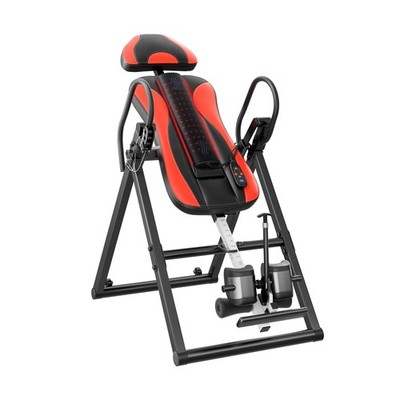
Choosing the right inversion table can make a big difference for your back health, comfort, and daily life. With so many models available, it’s easy to get confused. Two popular choices—Teeter FitSpine LX9 and YOLEO Gravity Inversion Table—are often compared, but the differences aren’t always clear. If you want to relieve back pain, improve flexibility, or just try inversion therapy safely at home, it’s important to understand what sets these two apart.
This guide will break down the key features, build quality, comfort, safety, adjustability, user experience, assembly, storage, price, and warranty of both models. Each section will highlight real-world pros and cons, plus some insights most beginners miss. By the end, you’ll know exactly which inversion table fits your needs, budget, and lifestyle.
Today's Exclusive Deals
Limited-time Exclusive Deals. Check current discount on Amazon.
Check Price on Amazon As an Amazon Associate I earn from qualifying purchases.Build Quality And Materials
The first thing to check when comparing inversion tables is how solid they feel. A sturdy frame isn’t just about durability—it’s about safety, especially when you’re upside-down.
The Teeter FitSpine LX9 is built with a heavy-gauge steel frame. It feels extremely stable, even for heavier users. The base is wide, which keeps it grounded during full inversion. The surface of the backrest is made from a patented FlexTech bed, which is both firm and flexible, allowing your spine to decompress better. Many users mention the table doesn’t wobble or feel cheap, which adds confidence during use.
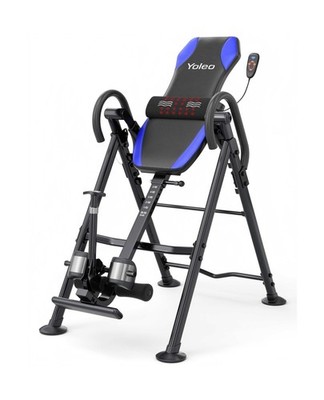
The YOLEO Gravity Inversion Table also uses a steel frame, but the tubing is slightly thinner. While it supports most users well, some people over 220 lbs report minor movement or squeaks. The backrest is memory foam, so it feels softer and more padded, but it doesn’t flex like the Teeter’s. For casual use, the YOLEO is strong enough, but for daily or heavy-duty therapy, the Teeter is a step above.
Key insight: Most beginners overlook the welds and bolts. The Teeter’s welding is smoother and more consistent, which means fewer weak points and less risk of breakage over time.
Safety Features
Inversion therapy can help your back, but only if the equipment keeps you safe. Reliable safety features prevent falls and injuries.
The Teeter FitSpine LX9 is UL certified for safety. It has auto-locking hinges, a secure ankle lock system, and a safety tether that limits inversion angle. The extended handle for ankle release means you don’t have to bend down far, which is great for those with limited mobility. Also, rubber stabilizers on the base prevent sliding.
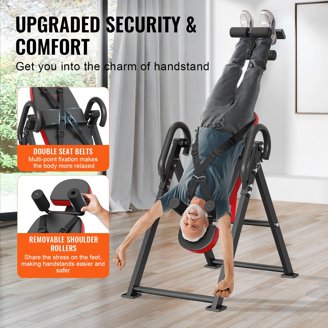
The YOLEO Gravity Inversion Table offers a safety belt, non-slip rubber feet, and a standard ankle locking system. While these work for most people, the ankle lock requires more force to secure and release, which can be uncomfortable if you have knee or ankle problems. There’s no UL certification, but the table meets basic consumer safety standards.
Common mistake: Beginners often forget to check for third-party safety certifications. Always look for UL or similar independent ratings, especially if you plan to invert fully.
Comfort And Backrest Design
You’ll spend several minutes at a time on your inversion table, so comfort matters. The backrest, padding, and ergonomics affect how you feel during and after use.
The Teeter FitSpine LX9 uses a FlexTech floating bed. It’s not as soft as memory foam, but it moves with your back, supporting natural alignment and letting your body decompress. There are acupressure nodes (removable), lumbar support, and a head pillow. This setup is ideal for people who want support and the option to target specific pressure points.
The YOLEO Gravity Inversion Table is designed with thick memory foam padding and a larger headrest. It feels plush and is more forgiving if you have bony or sensitive areas. However, the fixed backrest can restrict movement slightly, especially for taller or very flexible users. It lacks the targeted pressure options of the Teeter.
Key insight: Many new users think “more padding is always better,” but too much can actually reduce the effectiveness of spinal decompression. The Teeter’s flexible bed offers a different kind of comfort—support with mobility.
Ankle Support And Locking System
Ankle comfort is crucial, as your body weight will hang from your feet. A poor ankle lock can turn a relaxing session into a painful one.
The Teeter FitSpine LX9 features an ergonomic, wrap-around ankle system with thick foam and a ratcheting lock. The locking handle is longer than most, so you don’t have to reach down as far. This makes it easier for people with stiff backs or hips. The system holds ankles snugly without pinching.
The YOLEO Gravity Inversion Table uses a shorter, pull-pin style lock. The foam rollers are large, but some users find them less ergonomic, especially during full inversion. If you have skinny or thick ankles, you might notice pressure points. The system is functional, but not as adjustable or comfortable as the Teeter’s.
Practical tip: Always test the ankle lock with your shoes on and off to check for the best fit. Beginners often try with bare feet, which can cause discomfort.
Adjustability And User Fit
Not every body is the same, so adjustability is important for safety and results. Both tables support a range of heights and weights, but the details matter.
The Teeter FitSpine LX9 fits users from 4’8” to 6’6” and supports up to 300 lbs. Height adjustment is simple—just slide the main shaft and lock it. There are preset inversion angles (20°, 40°, 60°, and 90°), making it easy to control how far you go. The lumbar and acupressure accessories are also adjustable.
The YOLEO Gravity Inversion Table fits users from 4’10” to 6’6” and supports up to 300 lbs. It uses a pull-pin system for height, but the angle is controlled by a strap, so you have to estimate your desired angle. There are no preset stops, which means you need to be more careful, especially as a beginner.
Key insight: Preset angle stops (like the Teeter’s) are safer for new users, since you’re less likely to invert too far, too fast.
Inversion Experience And Performance
The main reason people buy inversion tables is the experience and benefits. How smooth and controlled is the inversion? Does it feel relaxing or stressful?
With the Teeter FitSpine LX9, inversion is very smooth. The bed glides back with little effort, and you can control the angle easily with arm movements. The balance is precise, so you don’t feel jerked or unstable. Many users say this table feels “professional” and helps them relax quickly.
The YOLEO Gravity Inversion Table is also stable, but the movement can be less fluid, especially for lighter users. Sometimes, it takes more effort to return upright, or you may feel a slight jerk when stopping. While most users are happy with the inversion, it doesn’t match the Teeter’s smoothness.
Common beginner mistake: Not adjusting the balance for your height and weight. If you don’t set this correctly, both tables can feel awkward or even dangerous.
Assembly And Setup
Getting your inversion table ready shouldn’t be a struggle. But reality can be different, especially if you’re not handy.
The Teeter FitSpine LX9 comes with most parts pre-assembled. Users report it takes about 20–30 minutes to set up, thanks to clear instructions and labeled hardware. Tools are included, and the process is straightforward. Most people can do it alone, but having a helper speeds things up.
The YOLEO Gravity Inversion Table arrives in more pieces. Assembly usually takes 45–60 minutes. The instructions are clear, but the hardware isn’t labeled as well, so you need to check each part carefully. Some users say aligning the frame and backrest can be tricky.
Practical tip: Lay out all the parts before you start, and keep the hardware organized. This prevents mistakes and missing bolts, which is a common issue for beginners.
Storage And Space Requirements
Home fitness equipment needs to fit your space. Both tables are designed for home use, but they differ in storage and footprint.
The Teeter FitSpine LX9 folds easily and stands upright for storage. Folded dimensions are about 20” x 28.8” x 66”. It’s tall, so you need a closet or corner with enough height. The table weighs around 73 lbs, so moving it isn’t effortless, but one person can manage.
The YOLEO Gravity Inversion Table also folds, but it’s wider when stored—about 28” x 18” x 70”. It’s slightly lighter at 55 lbs, making it easier to move. However, because it doesn’t lock as tightly when folded, it can open a bit if not stored carefully.
Key insight: Many users forget to measure storage space vertically. Both tables are tall when folded—check your closet height before buying.
Price, Value, And Warranty
Cost is always a factor, but value includes more than just the sticker price. Consider what you’re getting for your money, and how long the table will last.
The Teeter FitSpine LX9 is priced at the higher end, usually between $450–$550. This includes premium features, safety certifications, and a 5-year full warranty. Teeter also has a long history in the inversion market, which adds confidence for long-term support.
The YOLEO Gravity Inversion Table is much cheaper, often between $150–$200. It offers basic inversion therapy without the advanced features or certifications. Warranty is 1 year, with customer support that’s responsive but less specialized than Teeter’s.
Common beginner mistake: Choosing the cheapest option without considering safety or long-term reliability. For daily use, a higher investment can save money—and pain—over time.
Side-by-side Feature Comparison
Here’s a quick look at how the main specs and features compare:
| Feature | Teeter FitSpine LX9 | YOLEO Gravity Inversion Table |
|---|---|---|
| Frame Material | Heavy-gauge steel | Steel (lighter gauge) |
| Weight Capacity | 300 lbs | 300 lbs |
| Height Range | 4’8”–6’6” | 4’10”–6’6” |
| Backrest Type | FlexTech floating bed | Memory foam padded |
| Ankle Lock System | Extended, ergonomic ratchet | Standard pull-pin |
| Safety Certification | UL Certified | None listed |
| Warranty | 5 years | 1 year |
| Folded Size | 20” x 28.8” x 66” | 28” x 18” x 70” |
| Weight | 73 lbs | 55 lbs |
| Price Range | $450–$550 | $150–$200 |
Real-world User Experiences
It’s easy to get lost in specs. What matters most is how these tables work for real people in daily life.
Teeter FitSpine LX9 users consistently praise the build quality and smoothness. Many say it feels “gym quality,” and that the ankle system is a game-changer for comfort. People with chronic back pain or herniated discs report noticeable improvement with regular use. Some appreciate the acupressure nodes for extra relief.
YOLEO Gravity Inversion Table owners love the price and find it does the basic job well. It’s popular among beginners and people who use inversion therapy occasionally. Negative feedback usually centers on the ankle comfort and less smooth inversion, but for the price, most users are satisfied.
Non-obvious insight: If you plan to use your inversion table as part of daily rehab or ongoing therapy, the extra investment in the Teeter model is often worth it. For casual, light use, the YOLEO is a reasonable entry point.
Who Should Choose Each Model?
Both tables have their place, but your needs will decide which is best.
Choose the Teeter FitSpine LX9 if:
- You want the safest, most stable table for daily use.
- Comfort at the ankles and back is a top priority.
- You need a table with third-party safety certification.
- You have mobility issues and want easier ankle locking.
- You plan to use inversion therapy long-term.
Pick the YOLEO Gravity Inversion Table if:
- You’re on a tight budget.
- You only plan to invert occasionally.
- You don’t need advanced features or certifications.
- You can tolerate a firmer ankle lock for short sessions.
- You want a lighter table that’s easier to move.
In-depth Comparison: Key Areas
Here’s a focused look at some specific areas where these tables differ.
Safety And Certification
Teeter’s UL certification means the table has passed strict safety tests. This is rare in home fitness equipment and gives peace of mind. YOLEO meets general consumer standards but hasn’t been independently certified.
Customization And Accessories
Teeter offers more in terms of accessories—acupressure nodes, lumbar bridge, and customizable head pillow. YOLEO is simpler, with only the main table and headrest.
Long-term Value
Teeter’s 5-year warranty and parts availability make it a better bet for heavy use or resale. YOLEO’s 1-year warranty is typical for budget models.
Storage And Portability
YOLEO is lighter and easier to move, but Teeter folds more compactly. Consider your storage space and whether you need to move the table often.
User Ratings And Community Feedback
User reviews on major sites like Amazon and fitness forums reveal some interesting trends.
- Teeter FitSpine LX9 averages 4.7/5 stars. Most praise the durability, comfort, and pain relief. Negative comments are rare and usually about price.
- YOLEO Gravity Inversion Table averages 4.3/5 stars. Users love the value but often mention ankle discomfort or harder assembly.
If you want more in-depth consumer reports, check Consumer Reports for professional testing and safety advice.
Which Inversion Table Offers The Best Value?
Value depends on your priorities. If you want the safest, most comfortable, and easiest-to-use table—and you plan regular therapy—the Teeter FitSpine LX9 is worth the higher cost. For occasional or budget-focused buyers, the YOLEO Gravity Inversion Table covers basic needs well.
Here’s a quick overview of who each model suits best:
| Need | Best Choice |
|---|---|
| Daily therapy & max comfort | Teeter FitSpine LX9 |
| Budget & light use | YOLEO Gravity Inversion Table |
| Mobility or back issues | Teeter FitSpine LX9 |
| Limited storage space | Teeter FitSpine LX9 |
| Light weight/portable | YOLEO Gravity Inversion Table |
Frequently Asked Questions
Is Inversion Therapy Safe For Everyone?
Most healthy adults can use inversion tables safely, but people with high blood pressure, glaucoma, or heart disease should consult a doctor first. Pregnant women and those with certain spinal conditions should avoid inversion unless a health professional approves.
How Long Should I Invert Each Session?
Start with 1–2 minutes per session, 2–3 times a day. As your body adapts, you can increase to 5–10 minutes. Always listen to your body and stop if you feel dizzy or uncomfortable.
Do I Need To Wear Shoes On An Inversion Table?
Yes, wearing athletic shoes helps protect your ankles and improves comfort, especially with firmer locking systems like YOLEO’s. Avoid slippers or bare feet.
Can I Assemble These Tables By Myself?
Most people can assemble the Teeter FitSpine LX9 alone in about 20–30 minutes. YOLEO takes longer and may require a second person to hold parts steady. Lay out all hardware before starting.
How Do I Clean And Maintain My Inversion Table?
Wipe the frame and backrest with a damp cloth after use. Check all bolts and moving parts monthly for tightness. Avoid harsh chemicals, especially on padded surfaces.
Both the Teeter FitSpine LX9 and YOLEO Gravity Inversion Table can help you enjoy the benefits of inversion therapy at home. By understanding their differences and how they fit your needs, you’ll make a smarter, safer investment in your health.