The world of inversion therapy has gained popularity for people seeking relief from back pain, muscle tension, and even stress. Among the many inversion tables available, the Yoleo Gravity Inversion Table and Teeter FitSpine X2 stand out as two top choices. But which one truly fits your needs? If you’re thinking about buying one of these devices, or just want to understand how they compare, this guide will help you make a confident and informed decision.
Both models promise to support your spine and help with pain management, but their designs, features, and prices are quite different. Small details—like ankle locking systems, adjustability, and material quality—can make a big difference in your daily experience. Also, some features might sound impressive but aren’t always practical or necessary for everyone.
Today's Exclusive Deals
Limited-time Exclusive Deals. Check current discount on Amazon.
Check Price on Amazon As an Amazon Associate I earn from qualifying purchases.Let’s dive deeper into both inversion tables so you know exactly what to expect.
What Is An Inversion Table And How Does It Work?
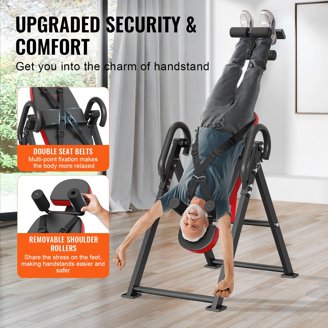
An inversion table is a device designed to let you hang upside down or at an angle. The main idea is to use gravity to decompress your spine, which can reduce back pain, relieve pressure on discs, and stretch muscles. You lie on the table, secure your ankles, and then tilt backward. The angle can often be adjusted, allowing for a gentle stretch or full inversion (180 degrees).
Inversion therapy is not new. It has been used for decades by physical therapists, chiropractors, and people with chronic back pain. However, it’s important to use these devices safely and to know your own health needs before starting.
Yoleo Gravity Inversion Table: Overview And Features
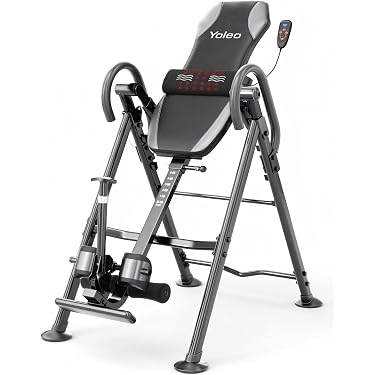
The Yoleo Gravity Inversion Table is a popular budget-friendly choice. Its main appeal is affordability, but it also offers surprising features for its price.
Key Features
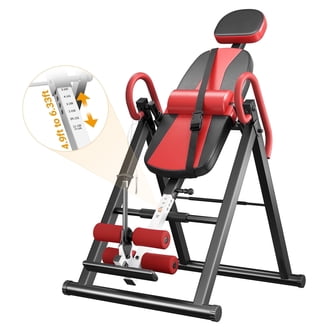
- Adjustable Height: Fits users from about 4’10” to 6’6″
- Heavy-Duty Steel Frame: Holds up to 300 lbs
- Three Angle Positions: Lock at 20°, 40°, and 60°
- Foam Padded Backrest: Extra comfort during use
- Foldable Design: Easy to store in small spaces
- Safety Straps & Non-Slip Feet: For added stability
User Experience
Most users report that the Yoleo table is easy to assemble, taking about 30–40 minutes for someone with basic tools. The foam backrest is comfortable for short sessions, but some taller or heavier users notice that the ankle holders can feel a bit hard during longer stretches.
The foldable feature is a plus if you live in an apartment or have limited space.
Practical Insights
One detail often missed: the preset inversion angles (20°, 40°, 60°) mean you don’t get infinite adjustability. For beginners, this is safer, but advanced users may find this limiting.
Another point is the ankle locking system. Yoleo uses a simple pull-pin and foam rollers. This is fine for light or moderate use, but it’s not as ergonomic as more advanced systems. If you have sensitive ankles, this could matter.
Teeter Fitspine X2: Overview And Features
The Teeter FitSpine X2 is a premium inversion table, often recommended by chiropractors. It’s known for its safety certifications, advanced comfort, and unique features.
Key Features
- UL Safety Certified: Meets strict safety standards
- Precision Balancing: Smooth inversion with minimal effort
- Extended Handle Ankle Lock System: Less bending, more comfort
- Eight-Point Floating Suspension: Flexible and comfortable backrest
- Customizable Acupressure Nodes: For targeted muscle relief
- EZ-Stretch Traction Handles: Deeper stretch options
- Foldable: But heavier than Yoleo
User Experience
Assembly usually takes about 45–60 minutes. The instructions are clear, and all parts are labeled. The FitSpine X2 offers a much smoother inversion experience. The floating backrest flexes as you move, providing a feeling of weightlessness. The extended ankle lock handle is especially useful if you have back problems and can’t bend over easily.
Practical Insights
Many users overlook the value of UL safety certification. This means the table has passed independent tests for strength and safety—something budget tables rarely have. The customizable acupressure nodes are not just marketing: they really help target sore spots, especially after workouts.
The Teeter’s ankle system uses a ratcheting mechanism with thick foam cuffs. This is much more comfortable for long sessions or for people with sensitive joints.
Head-to-head Comparison: Yoleo Gravity Vs Teeter Fitspine X2
Here’s a direct look at how the two models stack up in terms of core features and specifications.
| Feature | Yoleo Gravity | Teeter FitSpine X2 |
|---|---|---|
| Price Range | $120–$180 | $350–$450 |
| User Height Range | 4’10” – 6’6″ | 4’8″ – 6’6″ |
| Weight Capacity | 300 lbs | 300 lbs |
| Backrest Type | Foam padded | 8-point floating suspension |
| Angle Adjustment | 3 preset levels | Variable, easy control |
| Ankle System | Foam rollers, pull-pin | Extended handle, ergonomic cuffs |
| Foldable | Yes (compact) | Yes (less compact) |
| Safety Certification | No | UL certified |
| Extra Features | None | Acupressure nodes, traction handles |
| Warranty | 1 year (varies by seller) | 5 years (manufacturer) |
Comfort And Safety: What Matters Most
When choosing an inversion table, comfort and safety should be your main priorities. Both tables support up to 300 pounds and fit a wide range of heights, but the details differ.
Backrest Comfort
The Yoleo Gravity uses standard foam padding. This is fine for short sessions but may get uncomfortable for longer use, especially if you have back problems. In contrast, the Teeter FitSpine X2 has a unique floating backrest. It moves with your body, reducing pressure points and making it easier to relax during inversion.
Ankle Support
The biggest complaint with budget inversion tables is ankle pain. Yoleo’s foam rollers are basic and may press hard against your skin. If you plan to invert often or for longer times, you’ll appreciate Teeter’s ergonomic cuffs and long handle. This detail is often missed by new buyers, but it can make the difference between daily use and giving up after a week.
Stability And Build Quality
Teeter is known for its solid build and attention to safety. The UL certification is not just a sticker—it means the table was tested to strict standards. Yoleo’s build is good for its price, but it’s lighter and can wobble more during use, especially at steeper angles.
Adjustment And Customization
How easily you can adjust the table matters, especially if multiple people will use it.
- Yoleo Gravity: Adjustment is by preset pins. It’s quick, but not as flexible. You’re limited to three main inversion angles.
- Teeter FitSpine X2: Allows for smooth, variable inversion. You can stop at any angle, which is better for gradual progress or for finding the most comfortable position.
Another overlooked feature is the customizable acupressure nodes on the Teeter. These small plastic “bumps” can be moved to different spots on the backrest to target muscle knots or tight areas. This is a unique option that adds real value if you have chronic tension.
Storage And Portability
Both tables fold, but there are key differences.
- Yoleo Gravity: Folds flat and is lighter, making it easier to move and store. This is helpful if you have limited space.
- Teeter FitSpine X2: Also folds, but is heavier and bulkier. You’ll probably want to leave it in one spot.
If you need to put your inversion table away after every use, Yoleo has the edge. If you have a dedicated space, Teeter’s larger footprint won’t matter as much.
Assembly Process
Both tables require assembly, but the process is not the same.
- Yoleo Gravity: Simpler construction with fewer parts. Most people can put it together in 30–40 minutes. The instructions are basic but clear.
- Teeter FitSpine X2: More parts and a slightly longer assembly time (45–60 minutes). However, the instructions are very detailed, and there are online videos available.
An important insight: while Yoleo is faster to assemble, Teeter’s extra steps are mostly due to its advanced features and stronger build. Neither table requires special tools.
Price And Value
Price is a major factor for most buyers. Yoleo is far cheaper, but Teeter offers more advanced features and a much longer warranty.
| Model | Typical Price | Main Advantage | Main Disadvantage |
|---|---|---|---|
| Yoleo Gravity | $120–$180 | Affordable, compact | Basic features, less comfort |
| Teeter FitSpine X2 | $350–$450 | Premium comfort, safety | Higher cost, heavy |
Remember, a higher price does not always mean better for you. If you only plan to use your table a few times a week, Yoleo may be enough. But if you want the best long-term comfort, safety, and adjustability, Teeter is worth the investment.
Who Should Choose Yoleo Gravity Inversion Table?
Choose the Yoleo Gravity Inversion Table if:
- You’re on a tight budget. The lower price is its biggest selling point.
- You need a compact, lightweight table. Ideal for apartments or small spaces.
- You’re a beginner. The preset angles make it safer for new users.
- Short or occasional use. If you only plan to invert for a few minutes at a time.
However, if you have sensitive ankles or need frequent deep stretches, Yoleo may not be the most comfortable option. Also, if multiple people will use the table, the limited adjustment could be a drawback.
Who Should Choose Teeter Fitspine X2?
Opt for the Teeter FitSpine X2 if:
- You want maximum comfort. The ergonomic ankle cuffs and flexible backrest are unmatched.
- Safety is a top priority. UL certification and a strong build provide peace of mind.
- You need advanced features. Custom acupressure nodes and traction handles are unique to Teeter.
- You plan regular, long-term use. The 5-year warranty and premium materials make it a better investment.
- You have back issues or mobility limitations. The extended handle makes locking in easy.
The higher cost is a real consideration, but for those who value comfort, safety, and adjustability, the Teeter FitSpine X2 is hard to beat.
Real User Reviews: What People Are Saying
Looking beyond product specs, user reviews can reveal a lot. Here’s a quick summary of common feedback from actual buyers.
- Yoleo Gravity: Users love the price and simple setup. Many say it’s their first inversion table and it helps relieve mild back pain. Complaints include ankle discomfort and limited angle settings. Some users over 250 lbs report slight wobbling at full inversion.
- Teeter FitSpine X2: Reviews praise the comfort, especially the ankle system and backrest. Many users with chronic back pain say it’s worth the price. The most common complaints are about weight and size—moving the table is hard if you’re not strong. Assembly takes longer, but the instructions are clear.
A non-obvious insight: Many Teeter buyers are repeat customers, upgrading from cheaper tables after finding them uncomfortable. This pattern suggests that comfort is a major factor for long-term satisfaction.
Common Buyer Mistakes To Avoid
- Focusing only on price. A cheap table isn’t a good deal if you stop using it due to discomfort.
- Ignoring ankle support. Most first-time buyers underestimate how much ankle comfort matters.
- Not checking available space. The Teeter needs more room, even when folded.
- Assuming all tables are equally safe. Only Teeter offers UL-certified safety; Yoleo does not.
- Skipping the warranty details. A longer warranty can save money if a part breaks.
Practical Tips For Safe And Effective Use
- Start slow. Begin with the lowest angle and short sessions (1–2 minutes).
- Wear shoes or thick socks. This can help reduce ankle pressure, especially with the Yoleo.
- Listen to your body. Stop if you feel dizzy or uncomfortable.
- Keep the area clear. Make sure you have space to safely invert and return.
- Consult your doctor. Especially if you have high blood pressure, glaucoma, or other health issues.
Warranty And Customer Support
Warranty can be a hidden cost. The Yoleo Gravity usually offers a 1-year warranty, but this can vary by seller or country. Teeter’s 5-year warranty is longer and more comprehensive, covering almost all parts. Also, Teeter has a strong reputation for customer support, with responsive help and replacement parts.
It’s worth noting that some online sellers of budget inversion tables may not offer after-sales support, or may be slow to respond. This can be a major frustration if you need help.
The Verdict: Which Inversion Table Wins?
If you want a simple, affordable solution and you’re new to inversion therapy, the Yoleo Gravity Inversion Table is a smart place to start. It’s safe for basic use, easy to store, and won’t break the bank.
But if your budget allows and you value long-term comfort, safety, and adjustability, the Teeter FitSpine X2 is the clear winner. Its advanced ankle locking, flexible backrest, and customizable features make it a better choice for regular use and for those with chronic back pain.
One final insight: Most people who stick with inversion therapy end up wishing they had chosen a more comfortable table from the start. Consider how often you’ll use it and what features will keep you coming back. The right inversion table can be a life-changing investment in your health.
For more detailed technical standards on inversion tables and safety certifications, you can read this Wikipedia page on Inversion Therapy.
Frequently Asked Questions
Is Inversion Therapy Safe For Everyone?
No. Inversion therapy can be risky for people with high blood pressure, heart disease, glaucoma, or certain inner ear problems. Always talk to your doctor before starting, especially if you have medical conditions.
How Long Should I Use An Inversion Table Per Session?
Start with 1–2 minutes at a mild angle. Gradually increase as your body gets used to it. Most users find 5–10 minutes per session is enough. Never stay inverted if you feel dizzy or uncomfortable.
Can Children Use Inversion Tables?
Inversion tables are designed for adults. Children and teenagers should not use them without medical advice and supervision. The pressure on joints and the risk of injury are higher for growing bodies.
Does The Teeter Fitspine X2 Really Feel More Comfortable?
Yes, especially for longer sessions. The ergonomic ankle cuffs, flexible backrest, and smooth inversion make a real difference. Many users switch to Teeter after finding budget tables too uncomfortable.
Is Assembly Difficult For Either Table?
Both require some assembly. The Yoleo is quicker and simpler. The Teeter has more parts but comes with clear instructions and online videos. Having a second person helps but isn’t required for either model.
Choosing between the Yoleo Gravity Inversion Table and Teeter FitSpine X2 depends on your needs, budget, and how committed you are to regular use. Take your time, consider what matters most, and you’ll make the right choice for your back health.