
When you’re considering an inversion table to help with back pain, two names often stand out: the Teeter EP-560 and the Teeter FitSpine X3. Both models are popular, well-made, and designed to offer relief from spinal pressure and improve flexibility. Yet, they come with unique features, benefits, and small differences that can make one a better fit for your needs. If you’re comparing these two inversion tables, you’ve come to the right place.
Choosing the right inversion table is not just about comfort—it’s about safety, durability, and whether you’ll actually use it long term. Many first-time buyers focus only on price or appearance, but the details matter. In this guide, we’ll break down the specs, compare each model’s strengths, and cover what really matters when deciding between the Teeter EP-560 and the FitSpine X3. Along the way, you’ll find practical insights and some lesser-known points that can make your decision easier.

Today's Exclusive Deals
Limited-time Exclusive Deals. Check current discount on Amazon.
Check Price on Amazon As an Amazon Associate I earn from qualifying purchases.Overview: Teeter Ep-560 And Fitspine X3
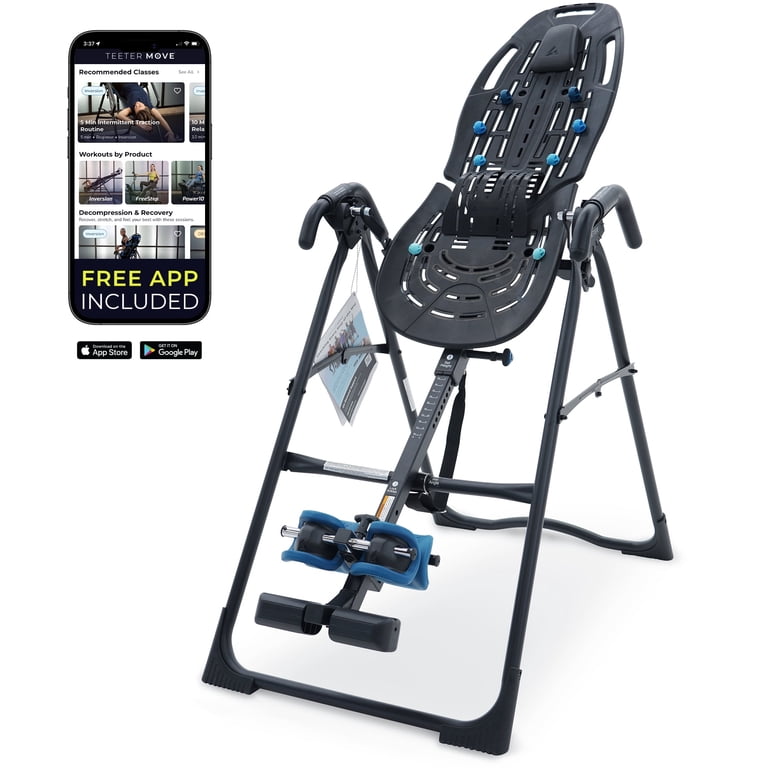
The Teeter EP-560 and the FitSpine X3 are both designed by Teeter, a leading brand in the inversion therapy industry. Both tables are FDA-registered and designed for people seeking non-invasive back pain relief.
- The EP-560 is a classic, reliable inversion table that has served thousands of users worldwide.
- The FitSpine X3 is a newer, advanced model with extra features for easier use and added comfort.
At first glance, they might look similar, but their build, adjustability, and accessories differ in ways that matter.
Key Features And Specifications
Let’s look at the core specs of each model side by side for a quick comparison.
| Feature | Teeter EP-560 | Teeter FitSpine X3 |
|---|---|---|
| Weight Capacity | 300 lbs | 300 lbs |
| User Height Range | 4’8”–6’6” | 4’8”–6’6” |
| Ankle Lock System | Pin lock, padded | Deluxe EZ-Reach handle |
| Backrest | FlexTech with 8-point suspension | Enhanced FlexTech, 8-point floating suspension |
| Inversion Angles | Preset (20°, 40°, 60°) | Preset + full inversion |
| Assembly | Partial assembly required | Easy assembly, tools included |
| Warranty | 5 years | 5 years |
| Special Features | Acupressure nodes, lumbar bridge | Acupressure nodes, lumbar bridge, Stretch Max handles |
Build Quality And Stability
Both models are known for solid construction. The frames are made of heavy-gauge steel, and both pass strict safety standards. The EP-560 is built for reliability and simplicity. The FitSpine X3 takes this further with a slightly updated frame that feels more rigid during full inversion.
One non-obvious detail: The EP-560’s base is a bit wider, which can make it feel more stable for first-time users. However, the X3’s improved backrest suspension means less movement and sway, especially when you’re stretching at higher angles. This matters if you’re nervous about being upside down or have balance issues.
Comfort And Back Support
The FlexTech backrest is a key part of both models, designed to follow your body’s movement and reduce pressure points. The FitSpine X3 offers an upgraded version of this backrest, which feels more flexible and comfortable during longer sessions. It also stays cooler, which can be important if you sweat easily or plan to use it after workouts.
Another subtle difference: the surface texture of the X3’s backrest is smoother and slightly less sticky. If you plan to use the table without a shirt, this small detail can make the experience more pleasant.
Ankle Locking Systems
One of the biggest deciding factors for many users is the ankle lock system. The EP-560 uses a simple, padded pin lock. It’s comfortable for most, but some people (especially those with larger ankles or sensitive feet) can feel discomfort during longer inversions.
The FitSpine X3 upgrades to the EZ-Reach Ankle System. This uses an extended handle, making it easier to secure and release your ankles without bending down as far. The pads are also thicker and shaped to hug the ankles, spreading pressure more evenly. This is a huge plus if you have trouble bending over or want the safest possible hold.
Insider tip: If you have arthritis, knee issues, or limited mobility, the X3’s handle is far more comfortable to use.
Stretch And Traction Features
Both tables come with acupressure nodes and a lumbar bridge. These features allow you to target pressure points and add extra support to your lower back during inversion. The X3 includes an upgraded set of Stretch Max handles, which are longer and designed for deeper stretching. This can help you get more out of each session and makes the table more versatile for different exercises.
If you plan to use your inversion table for advanced stretching or as part of a daily stretching routine, the X3’s longer handles and flexible backrest are worth considering.

Assembly Process
Many buyers worry about assembly. The EP-560 comes partially assembled, and most people can put it together in less than 30 minutes. The X3 aims for easier setup, including tools and fewer steps. In reality, both are straightforward, but the X3’s instructions are clearer, and the process feels smoother.
A common beginner mistake is rushing through assembly and missing safety checks. Always double-check all bolts and try the table at the lowest angle first to ensure everything is secure.
Safety And Certifications
Teeter inversion tables are FDA-registered and UL-certified for safety. This means they’re tested for stability, weight limits, and safe inversion. Both the EP-560 and X3 meet these standards. The X3 includes extra safety features, like auto-locking hinges and the upgraded ankle system, which offer added peace of mind.
One detail beginners often miss: The weight capacity on both models (300 lbs) is tested under real usage, not just static weight. This makes them a safe choice for most users, but always check your space and floor level before each use.
Storage And Footprint
These inversion tables are large, and storage is a common concern. Both fold for storage, but not flat enough to fit under most beds. You’ll likely need a closet or empty wall space. The X3 folds a bit more compactly due to its newer design, but the difference is small.
If you live in a smaller apartment, measure your available space before purchasing. Some users regret buying before checking their home’s layout.
User Experience And Feedback
Most users of both models report high satisfaction, especially for back pain relief and improved flexibility. The X3 gets slightly better marks for comfort and ease of use, especially among older adults or those with flexibility issues.
A recurring theme in EP-560 reviews is its reliability and value. People who want a basic, sturdy inversion table and don’t mind a simpler ankle lock are usually happy. The X3 appeals to those who want more comfort, better adjustability, and easier stretching.

Price And Value
The EP-560 is usually more affordable. It gives you all the basics and strong performance for a lower price. The FitSpine X3 costs more but offers extra features and convenience. Whether the upgrade is worth it depends on your needs and budget.
Many users find the X3’s upgrades save time and make daily use more enjoyable. If you want an inversion table you’ll actually use every day, the extra investment might be worth it.
Warranty And Customer Support
Both models come with a 5-year warranty. Teeter is known for responsive customer service and easy part replacement. This is important, as some cheaper tables from other brands have poor support and limited warranties.
If you plan to keep your inversion table for many years, this warranty is a big advantage. Some users overlook this and regret buying from lesser-known brands that don’t stand behind their products.
Comparison Table: Teeter Ep-560 Vs Fitspine X3
Here’s a side-by-side look at what sets each model apart.
| Category | Teeter EP-560 | FitSpine X3 |
|---|---|---|
| Backrest Flexibility | Standard FlexTech | Enhanced FlexTech, more flexible |
| Ankle Comfort | Padded, basic lock | EZ-Reach handle, ergonomic pads |
| Stretch Handles | Standard | Stretch Max, longer & versatile |
| Assembly | Simple, some tools needed | Easier, tools included |
| Value for Money | High | Very high (if you use features) |
| Target User | Basic needs, value-focused | Comfort seekers, older adults |
Who Should Choose The Teeter Ep-560?
The EP-560 is a smart choice if:
- You want a reliable inversion table at a reasonable price.
- You don’t need deluxe features or advanced stretching handles.
- You’re comfortable with a basic ankle lock.
- You have limited space and want a table with a wide, stable base.
The EP-560 is especially good for younger users, those without mobility issues, or anyone looking for a proven, straightforward model.
Who Should Choose The Teeter Fitspine X3?
Pick the FitSpine X3 if:
- You value extra comfort, especially around your ankles.
- You have trouble bending down or locking your ankles with short handles.
- You want longer, more versatile stretch handles for exercise variety.
- You plan to use your inversion table every day and want the best user experience.
The X3 is ideal for older adults, people with arthritis, or anyone who finds standard inversion tables uncomfortable or hard to use.
Practical Advice For First-time Buyers
- Always try to test an inversion table before buying, if possible.
- Start at the lowest inversion angle and build up gradually.
- Wear socks and comfortable shoes for the first few sessions to reduce ankle pressure.
- Never use an inversion table alone if you have balance issues or medical conditions.
- Check your home’s ceiling height and floor space before purchase.
One insight many miss: The first week is the hardest. Your body needs time to adjust, and it’s normal to feel awkward or even nervous. Most users find sessions get easier and more comfortable within days.
Common Mistakes To Avoid
- Rushing assembly or skipping the safety check.
- Over-inverting on your first session (start slow).
- Using the table barefoot (can be uncomfortable).
- Not reading the manual—both models have unique safety features and tips.
Remember, inversion tables are a tool, not a cure-all. Consistent, careful use brings the best results.
Real-world Examples
A middle-aged office worker with lower back pain found the EP-560 easy to use and a huge help after long days at a desk. After a few months, she upgraded to the X3 for the easier ankle lock and smoother inversion, which made her daily routine even more enjoyable.
Another user, a retired man with arthritis, could not use the EP-560’s pin lock comfortably. The X3’s EZ-Reach handle allowed him to secure his ankles without bending, and he used the table daily for years without pain.
Expert Opinions
Physical therapists often recommend Teeter inversion tables for at-home spinal decompression. According to research, regular inversion can help reduce back pain and improve flexibility when used safely and consistently. For more on the science behind inversion therapy, you can visit the Mayo Clinic.
Final Thoughts
The Teeter EP-560 and FitSpine X3 are both excellent choices, but the right model depends on your needs. If you want basic inversion therapy at a good price, the EP-560 is a strong, reliable table. If you want more comfort, easier ankle locking, and better handles for stretching, the X3 is worth the investment. Whichever you choose, be consistent, start slow, and always put safety first.
Frequently Asked Questions
What Is The Main Difference Between The Teeter Ep-560 And Fitspine X3?
The biggest difference is the ankle locking system and overall comfort. The X3 offers a deluxe handle and ergonomic pads, making it easier to use and more comfortable, especially for those with mobility issues.
Is The Fitspine X3 Worth The Higher Price?
If you value extra comfort and plan to use your inversion table often, the X3’s upgrades are worth it. If you only need basic inversion therapy, the EP-560 may be enough.
Can Both Tables Fit Users Of All Heights And Weights?
Both support users from 4’8” to 6’6” and up to 300 lbs. Always check your height and weight before buying.
How Long Does Assembly Take For Each Model?
Most people can assemble the EP-560 in about 30 minutes. The X3 is even easier, with tools and clearer instructions included.
Are Teeter Inversion Tables Safe?
Yes, both models are FDA-registered and UL-certified. Always use as directed and start at lower angles to build comfort and confidence.
Choosing the right inversion table can make a big difference in your back health and quality of life. With the Teeter EP-560 and FitSpine X3, you have two of the best options available—just pick the one that fits your needs and get started on your journey to relief.

