Choosing the right inversion table can make a huge difference for your back pain relief, flexibility, and overall health. Today, we’ll dive deep into two popular models: the Teeter EP-560 and the Yoleo Inversion Table. Whether you’re new to inversion therapy or have tried it before, you’ll find clear guidance, practical comparison, and real-world advice in this article. You’ll also discover facts that many beginners miss, helping you avoid common mistakes and get the best results from your inversion table.
What Is An Inversion Table?
An inversion table is a device that allows you to hang upside down or at an angle. This position helps decompress your spine, relieve pressure on discs, and stretch your back muscles. Many people use inversion tables for lower back pain, herniated discs, and to improve posture. They are also popular among athletes and office workers.
Today's Exclusive Deals
Limited-time Exclusive Deals. Check current discount on Amazon.
Check Price on Amazon As an Amazon Associate I earn from qualifying purchases.Inversion therapy works by using gravity to lengthen the spine, which can create space between vertebrae. This simple movement often relieves tension and can reduce nerve pain. People who sit long hours or lift heavy objects often notice less stiffness and improved flexibility after regular use.
While inversion tables are mainly for back health, some users say they help with circulation, reduce headaches, and even improve sleep. However, results vary from person to person, and it’s important to use the device safely.
Beginners sometimes worry about feeling dizzy or uncomfortable. This is normal at first. Most users adjust after a few sessions and find the experience relaxing. Always start slow and listen to your body.
Meet The Teeter Ep-560 And Yoleo Inversion Table
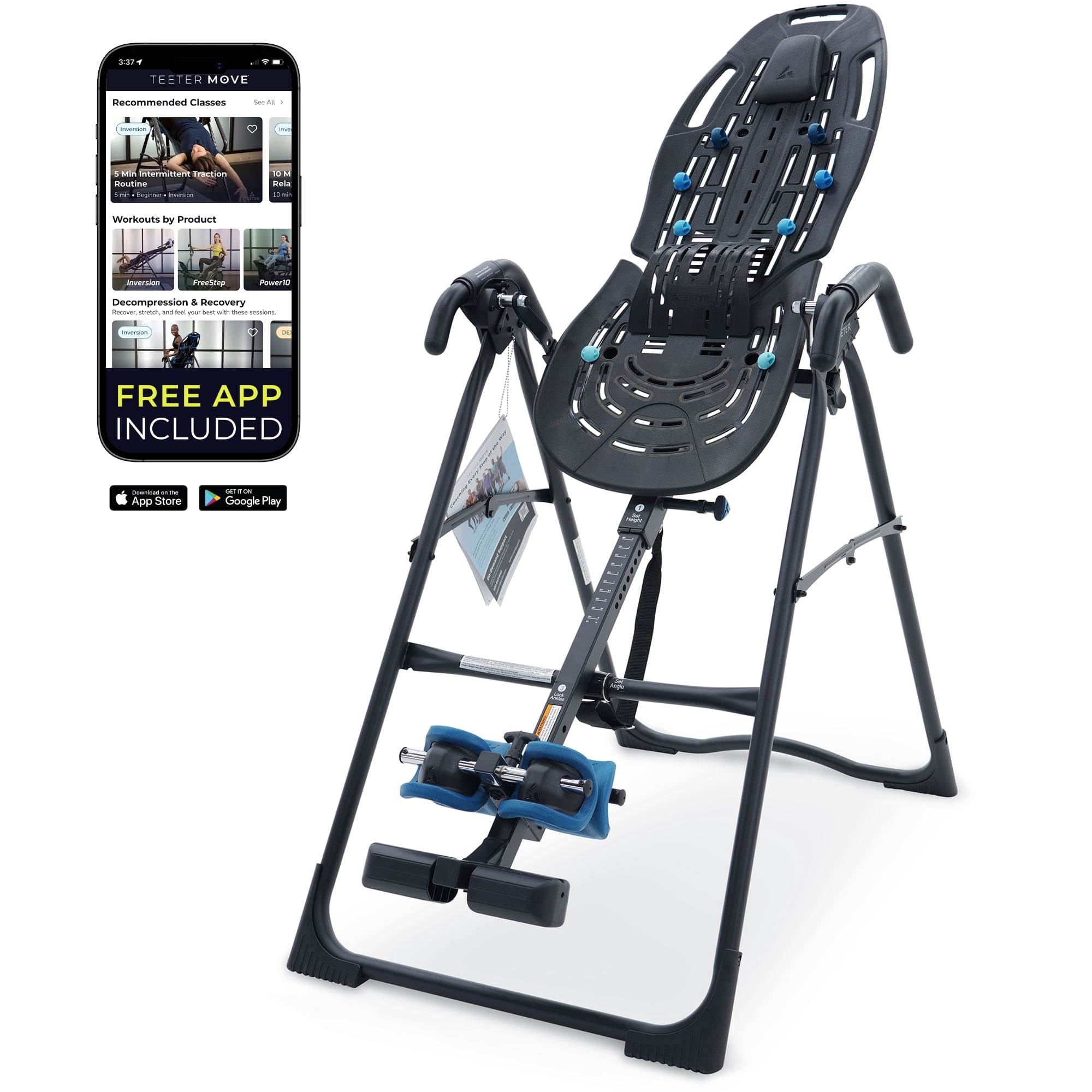
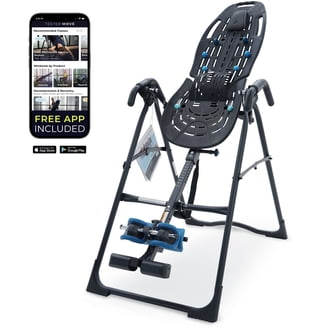
Both the Teeter EP-560 and the Yoleo Inversion Table are designed for home use. They look similar at first glance—a sturdy frame, padded backrest, ankle supports, and adjustable settings. But there are important differences in design, safety, comfort, and price.
Let’s break down these models so you can see which one fits your needs.
These two inversion tables are often chosen for their reliability, but their features set them apart for different types of users. Teeter EP-560 is recommended by many chiropractors due to its advanced engineering and certifications. Yoleo is popular for its simple design and lower price, making it more accessible for those just starting with inversion therapy.
Design And Build Quality
Teeter Ep-560
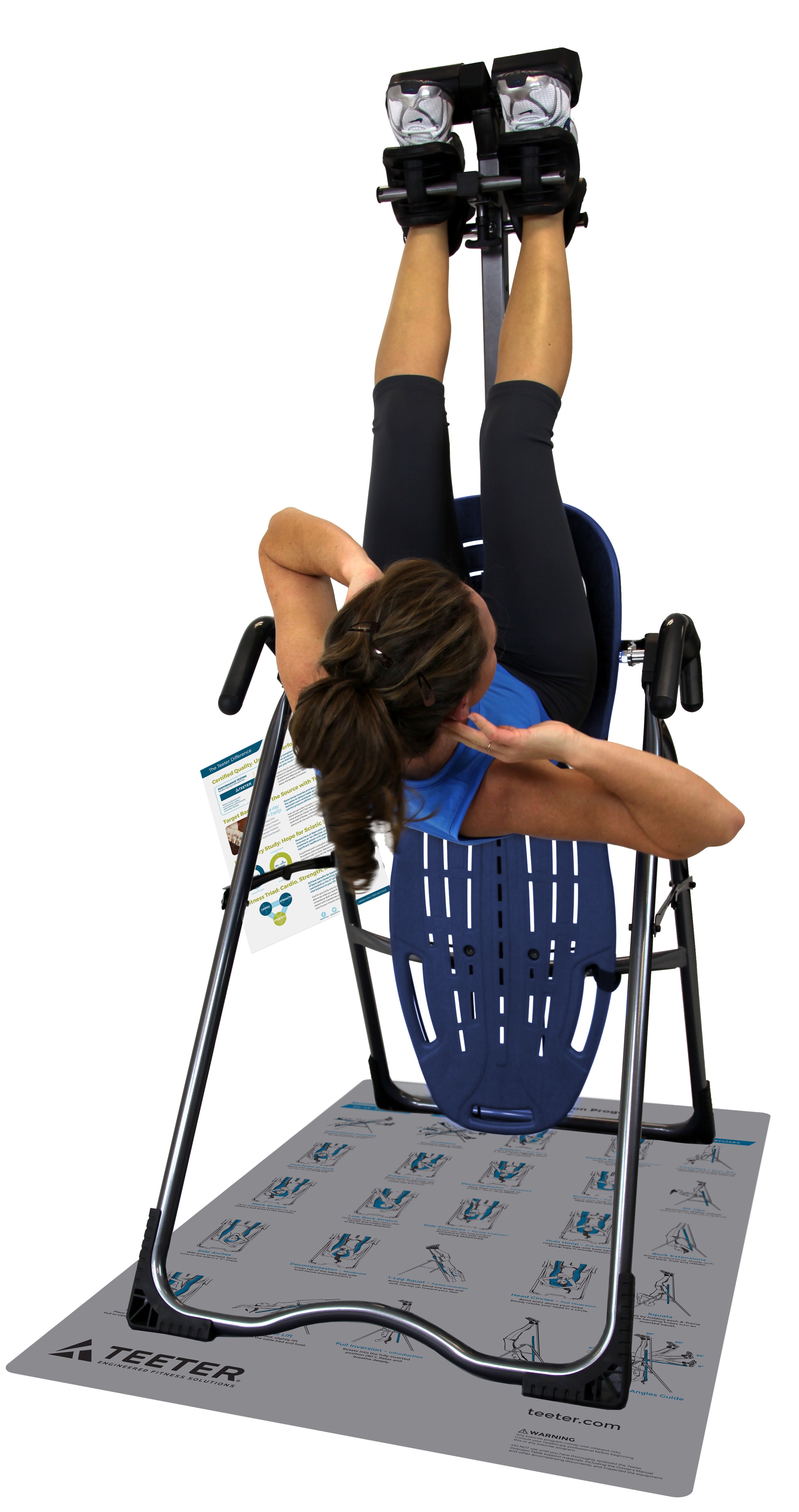
The Teeter EP-560 stands out for its durable construction. The frame is made from heat-treated steel, which makes it strong and stable. Its FlexTech bed is unique—it flexes with your movements, so you get a deeper stretch. The ankle supports are ergonomically designed and easy to adjust. Teeter is the only inversion table brand certified by UL (Underwriters Laboratories) for safety standards.
Teeter’s design includes curved handles for stretching and returning upright. The frame’s joints are reinforced, reducing wobble and noise. The backrest is not just padded—it’s engineered to flex as you move, helping you target muscles and joints. The finish on the steel frame resists scratches and corrosion, so it stays looking new for years.
Some users notice the difference in quality after years of use. The EP-560 rarely squeaks or loosens, even after frequent sessions. This reliability is important if you plan to use the table daily.
Yoleo Inversion Table
The Yoleo Inversion Table uses a heavy-duty carbon steel frame. The backrest is thickly padded and covered with PU leather for comfort and easy cleaning. The ankle supports are adjustable but less contoured than Teeter’s. Yoleo focuses on affordability and easy assembly.
Yoleo’s frame is sturdy but has simpler joints. The padding is thick, making it comfortable for short sessions. The PU leather surface is easy to wipe clean, which is useful if you sweat or use the table after exercise. The design is less advanced but suits most casual users.
A hidden benefit: Yoleo’s compact shape fits well in smaller rooms. If space is limited, this model can be a smart choice, but the frame is a bit bulkier when folded compared to Teeter.
Safety Features
Safety is crucial when you’re hanging upside down. Both tables have solid safety records, but they use different approaches.
Teeter Ep-560
- UL safety certification
- Auto-locking hinges
- Secure ankle locking system
- Adjustable safety straps
- Non-skid base
Teeter’s UL certification means it passed strict independent tests. The auto-locking hinges keep the table stable during inversion, reducing the risk of sudden movement. The ankle locking system clicks firmly into place, and adjustable straps let you set a safe inversion angle.
One non-obvious feature: Teeter’s safety straps are easy to adjust while you’re on the table. This matters if you share the table with family members who want different settings.
Yoleo Inversion Table
- Safety lock pin for inversion angles
- Extra-wide frame for stability
- High-density foam padding
- Safety belt for ankle support
- Anti-slip feet
Yoleo uses a lock pin system to set your angle. The extra-wide frame helps prevent tipping, and the foam padding protects your head and back. The safety belt is a simple but effective way to keep ankles secure. Anti-slip feet keep the table steady, even on tile or wood floors.
A practical tip: Always double-check the lock pin and safety belt before starting your session. If you forget, you may slide or tilt unexpectedly.
Comfort And Adjustability
Inversion tables should feel safe and comfortable. Both models offer adjustments, but the experience can be quite different.
Teeter Ep-560
- FlexTech backrest moves with your body
- Multiple angle settings (including full inversion)
- Easy reach ankle lock
- Handles for stretching and support
Teeter’s backrest is designed for dynamic stretching. When you move your arms or legs, the bed flexes, giving you a more natural stretch. The easy-reach ankle lock is especially helpful for users with limited mobility or chronic pain.
Handles allow you to pull and stretch muscles, adding more benefit to each session. For those with tight hamstrings or hips, these handles make stretching easier and safer.
Yoleo Inversion Table
- Thick foam padding for back and head
- Adjustable height (4’10” to 6’6″)
- 3 preset inversion angles (20°, 40°, 60°)
- Basic ankle lock and support
Yoleo’s thick foam padding is comfortable for beginners. The height adjustment is simple—just slide the main bar and lock it. The preset angles are helpful for users who are unsure about custom settings. While the ankle lock is basic, it works well for light use.
A helpful insight: If you plan to share the table, Yoleo’s quick height adjustment saves time and avoids confusion.
Assembly And Storage
Teeter Ep-560
- Comes mostly pre-assembled
- Takes about 30 minutes to set up
- Foldable for storage
- Clear instruction manual
Teeter’s assembly is straightforward. Most parts are already in place, so you only need to connect a few pieces. The instruction manual uses clear pictures and step-by-step guidance. The table folds flat, making it easy to slide under a bed or into a closet.
Some users find that storing Teeter is easier because it’s lighter and has better folding joints. If you need to move the table often, this can be a big advantage.
Yoleo Inversion Table
- Requires more assembly (usually 45-60 minutes)
- Includes tools and instructions
- Foldable but bulkier when stored
Yoleo requires more setup. You need to attach the frame, backrest, and ankle supports. The tools are included, but the instructions can be tricky for non-English speakers.
Once folded, Yoleo takes up more space. If you have a small apartment or limited storage, measure carefully before buying.
User Weight And Height Limits
Here’s a quick overview of height and weight limits:
| Model | Height Range | Weight Limit |
|---|---|---|
| Teeter EP-560 | 4’8″–6’6″ | 300 lbs |
| Yoleo Inversion Table | 4’10″–6’6″ | 300 lbs |
Both tables are suitable for most users. If you’re close to the weight or height limit, always check the official specifications before buying.
Some users don’t realize that adjusting the height setting just a little can change how easy it is to invert and return upright. If you’re tall or heavy, make sure to test the table before buying, or check for reviews from users with similar body types.
Unique Features And Benefits
Teeter Ep-560
- Patented FlexTech bed: Moves with your body for a deeper stretch.
- Precision rotation: Easy to control your inversion angle.
- Grip-and-stretch handles: Allow more stretching options.
- EZ-Reach ankle system: Less bending, easier to secure.
- Comes with free instructional DVD.
Teeter’s instructional DVD is often overlooked but can help you learn proper technique and stretching routines. The precision rotation lets you move smoothly from one angle to another, which feels safer and more controlled.
A hidden benefit: Teeter’s handles can be used for extra exercises, like side stretches or leg lifts.
Yoleo Inversion Table
- Affordable price: Usually $100–$150 less than Teeter.
- Extra-thick padding: More comfort for beginners.
- Simple height adjustment: Quick for multiple users.
- Easy fold design: Good for small spaces.
Yoleo’s affordability makes it easier for families to try inversion therapy. The thick padding is comfortable if you’re not used to hanging upside down. If you have a busy home or limited storage, Yoleo’s folding design is practical.
Ease Of Use
Both tables are straightforward, but beginners often struggle with setup and first use.
- Teeter’s ankle lock is easier for those with back problems. You don’t have to bend as far.
- Yoleo’s settings are simpler but less customizable.
- Both models require you to adjust height and balance for smooth inversion. If not set right, you may feel jerky movement or struggle to return upright.
If you’re new, ask a friend to help for your first session. It’s easier to learn how the table moves and how to adjust settings.
A practical tip: Always check the balance before each session. If you feel unstable, pause and reset your settings.
Inversion Angle Settings
| Model | Inversion Angles | Max Inversion |
|---|---|---|
| Teeter EP-560 | Customizable (any angle) | Full inversion (180°) |
| Yoleo Inversion Table | Preset (20°, 40°, 60°) | Approx. 60° |
Teeter allows more freedom; you can stop at any angle, including full inversion. Yoleo offers three preset stops.
Full inversion is not necessary for most users. Even small angles can help decompress the spine and relieve tension. Beginners should start with 20° and increase slowly.
Price Comparison
- Teeter EP-560: $350–$450
- Yoleo Inversion Table: $200–$300
Teeter costs more, but offers advanced features and certifications. Yoleo is budget-friendly.
If you plan to use the table daily or have chronic back issues, Teeter’s higher price can be worth it in the long run. For occasional use, Yoleo is a solid investment.
Durability And Warranty
Teeter is well-known for its durability. Many users report their EP-560 lasting over 10 years with regular use. Yoleo tables generally last 3–5 years. Teeter offers a 5-year warranty; Yoleo offers a 1-year warranty.
Warranty length matters if you want peace of mind. Teeter’s longer coverage means you can get repairs or replacements for more issues. Yoleo’s warranty is shorter, so check the coverage details before buying.
Real-world User Reviews
- Teeter EP-560: Most users praise its comfort, safety, and ease of use. It’s often recommended by chiropractors.
- Yoleo Inversion Table: Users like the price and basic comfort, but some mention the ankle lock could be better. Assembly is more challenging.
A common insight: Users with chronic pain find Teeter more comfortable for longer sessions. Yoleo is often chosen for short, occasional use.
Common Mistakes When Using Inversion Tables
- Not adjusting height and balance before use.
- Inverting too quickly or at too steep an angle.
- Staying inverted for too long (start with 1–2 minutes).
- Not securing ankles properly.
- Using the table on uneven floors.
One mistake many people make: forgetting to lock the safety straps or pins. Always double-check before inverting.
Beginner Insights
Many beginners don’t realize that small adjustments can change the experience. For example, changing the height setting by just one inch can affect balance and comfort. Also, using inversion tables after exercise can help reduce muscle tension.
Another missed point: proper breathing during inversion is important. Slow, deep breaths help your muscles relax and improve decompression.
Some users find that stretching arms overhead while inverted helps deepen the stretch, but always do this slowly.
Who Should Choose Teeter Ep-560?
- Those with chronic back pain or herniated discs
- Users who want maximum safety and comfort
- People willing to invest more for long-term durability
- Anyone needing full inversion
Teeter is also better for those who plan to share the table with different users, thanks to its easy adjustments and higher safety standards.
Who Should Choose Yoleo Inversion Table?
- Budget-conscious buyers
- Beginners who want basic features
- Users with less severe back issues
- Those who need a compact, foldable design
Yoleo is ideal for apartments or homes with limited space. It’s also a good starter option if you’re unsure about inversion therapy.
Comparison Table: Features Side By Side
| Feature | Teeter EP-560 | Yoleo Inversion Table |
|---|---|---|
| Frame Material | Heat-treated steel | Carbon steel |
| Backrest | FlexTech bed | PU leather with foam |
| Ankle Lock | EZ-Reach system | Basic lock |
| Inversion Angles | Custom, full inversion | 3 preset angles |
| Assembly Time | 30 minutes | 45–60 minutes |
| Warranty | 5 years | 1 year |
| Safety Certification | UL certified | No UL certification |
Practical Tips For Using Your Inversion Table
- Start with short sessions (1–2 minutes).
- Wear comfortable shoes for ankle support.
- Place the table on a flat, stable surface.
- Adjust height and balance before each session.
- Use slow, controlled movements.
- Never invert beyond your comfort level.
Don’t rush through adjustments. Take time to set height and ankle locks every session. If you feel any discomfort, stop and check your settings.
If you share the table, keep a log of user settings. This prevents accidents and confusion.
Maintenance And Care
- Wipe down the backrest after each use.
- Check bolts and screws monthly.
- Lubricate moving parts as needed.
- Store in a dry place to avoid rust.
- Inspect ankle locks for wear.
One extra tip: Avoid leaving the table in direct sunlight. UV rays can damage the padding and backrest material over time.
If you use the table often, create a monthly maintenance checklist. This can help prevent problems and extend the table’s life.
Medical Advice And Precautions
Before using an inversion table, consult your doctor if you have:
- High blood pressure
- Heart disease
- Glaucoma
- Bone fractures
- Pregnancy
Inversion therapy is not suitable for everyone. If you feel dizzy, uncomfortable, or experience pain, stop immediately.
If you take medication for blood pressure or eye conditions, ask your doctor before starting inversion therapy.
How Inversion Therapy Works
Inversion therapy uses gravity to decompress the spine. This reduces pressure on discs and nerves. Many studies show improvement in back pain and flexibility. However, it’s not a cure for serious spine conditions. It’s best as part of a wellness routine.
For deeper insights, visit Source Name.
Some users combine inversion therapy with stretching, yoga, or physical therapy. This can boost results and improve overall health.
Frequently Asked Questions
Can I Use The Teeter Ep-560 Or Yoleo Inversion Table Every Day?
Yes, you can use either table daily if you start with short sessions and listen to your body. Most experts recommend 1–2 minutes at first, then gradually increase.
If you feel sore or dizzy, rest and try again later. Consistency is more important than session length.
How Do I Choose The Right Inversion Angle?
Start with the lowest angle (20°) if you’re a beginner. Increase gradually as you get comfortable. Teeter allows custom angles; Yoleo offers preset stops.
Some users find that 40° is enough for relief. Full inversion is rarely needed for most people.
Is It Safe For Seniors To Use Inversion Tables?
Many seniors use inversion tables safely. Adjust the height and inversion angle carefully. If you have health concerns, check with your doctor first.
Using the handles for support can make inversion safer for older users.
How Long Does Assembly Take For Each Table?
Teeter EP-560 takes about 30 minutes, as it arrives mostly assembled. Yoleo requires more setup, usually 45–60 minutes.
If you’re not comfortable with tools, ask someone to help.
What Should I Do If I Feel Pain During Inversion?
Stop immediately if you feel pain. Double-check your settings and ankle locks. If pain continues, consult your doctor before using the table again.
Pain is a warning sign. Never push through discomfort.
Final Thoughts
Both the Teeter EP-560 and Yoleo Inversion Table are excellent choices for home inversion therapy. Teeter offers advanced features, maximum safety, and long-term durability for those willing to invest more. Yoleo is a solid budget option, great for beginners and casual users. Whichever you choose, make sure to adjust settings carefully, start slow, and always listen to your body. With the right table and routine, you can enjoy better back health, flexibility, and comfort every day.
Remember, the best inversion table is the one you feel comfortable and safe using. Take time to learn your settings and develop a routine that fits your needs. With patience and proper care, your inversion table can become a valuable tool for your well-being.