
Yes — balance balls can be safe for kids when chosen and used properly under supervision.
As a pediatric exercise enthusiast and former children’s fitness instructor, I’ve guided many families on whether balance balls are safe for kids. This article gives a clear, evidence-backed view of safety, benefits, risks, age guidance, selection tips, and real-life advice. You’ll learn how to pick the right ball, use it safely, and get practical activities that build balance and core strength without unnecessary risk. Read on to make an informed choice for your child’s play and development.

Today's Exclusive Deals
Limited-time Exclusive Deals. Check current discount on Amazon.
Check Price on Amazon As an Amazon Associate I earn from qualifying purchases.
Why parents ask "Are balance balls safe for kids"
Parents worry about falls, injuries, and long-term posture. Balance balls are popular in schools and homes. They promise fun and fitness. But parents want to know if the gains are worth any risks.
Kids are not small adults. They move fast and test limits. That makes careful use and supervision key when deciding if balance balls are safe for kids.

Benefits of balance balls for kids
Balance balls help with movement and play. They offer gentle challenges that support growth and learning.
- Improve balance and coordination. Kids learn to steady their bodies on a round surface.
- Strengthen core muscles. Sitting or bouncing engages small trunk muscles.
- Enhance posture and focus. Short sessions can boost attention in school-aged kids.
- Support sensory needs. Some children find the motion calming and organizing.
- Encourage active play. Balls turn sitting or homework time into an active chance to move.
These benefits explain why many therapists and teachers use balance balls as tools for development and focus.

Risks and safety concerns
Balance balls are not risk-free. Knowing the hazards lets you reduce them.
- Falls and bumps. A child can slip or roll off and hit a hard surface.
- Puncture and sudden deflation. A sharp toy or rough floor can cause a quick collapse.
- Incorrect size or overuse. Too-large or too-small balls can lead to poor posture.
- Small parts and choking. Some ball accessories or pumps have small components.
- Unsuitable unsupervised play. Roughhousing or standing on the ball increases injury risk.
Safety is about prevention. Choose the right ball and set clear rules before play.

How to choose a safe balance ball for kids
Picking the right product lowers risk and improves benefit. Focus on size, material, and specs.
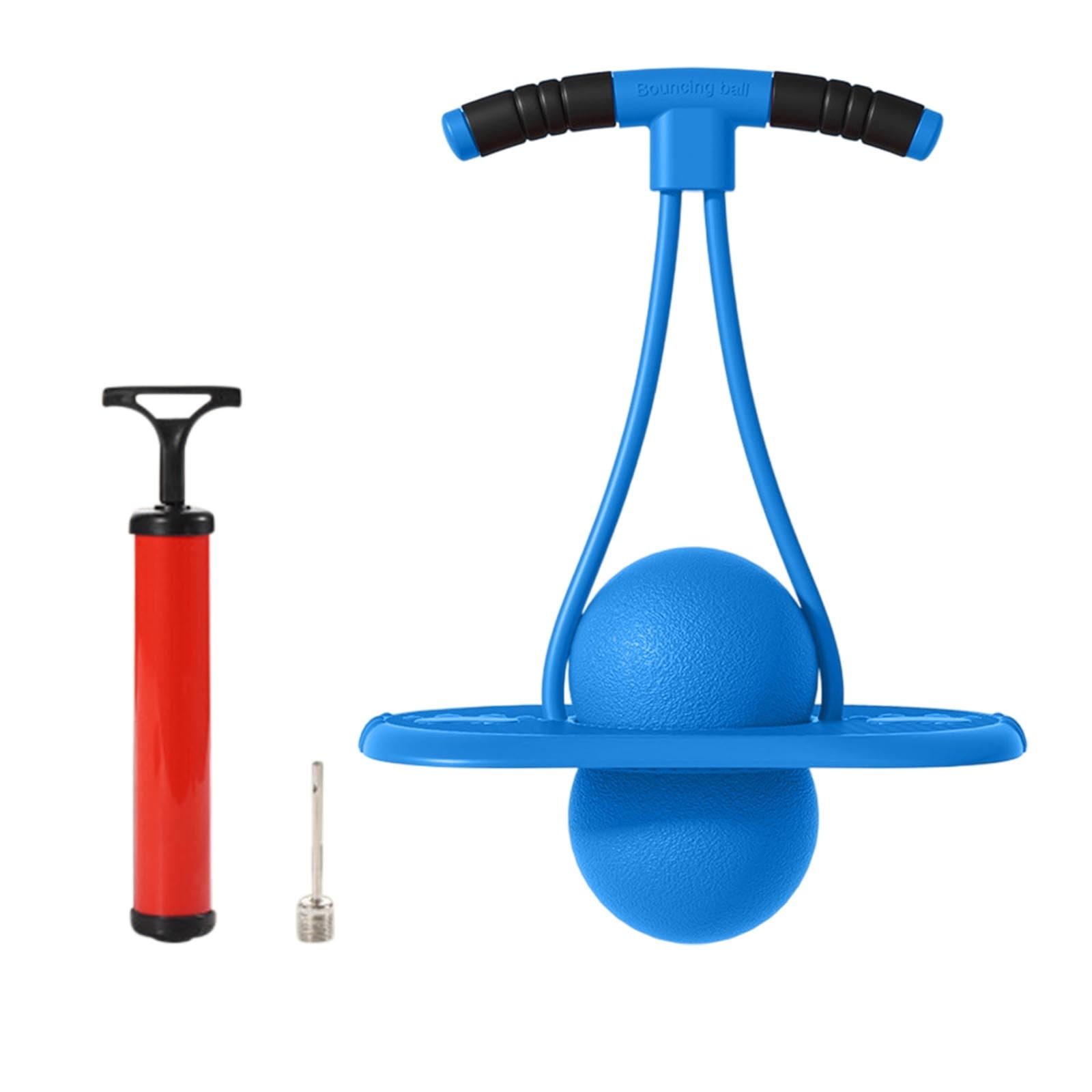
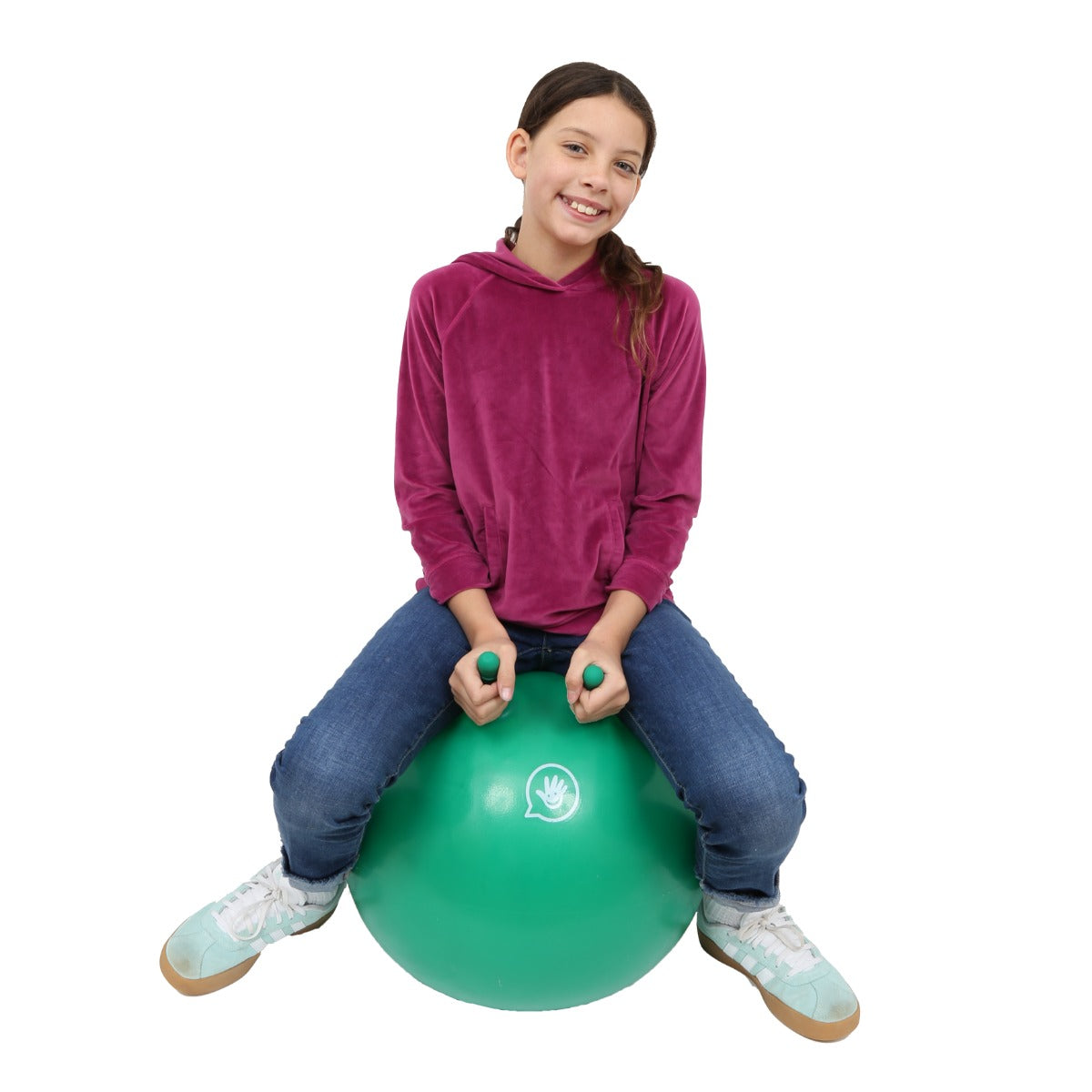
- Size by child height. Small kids often do best with 45–55 cm balls; older kids use 65–75 cm.
- Anti-burst material. Look for burst-resistant or anti-burst labels to avoid sudden collapse.
- Weight limit. Check and stay under the max load rating to prevent damage.
- Non-slip surface. A textured finish reduces slipping during use.
- Quality pump and valve. A secure valve lowers risk of leakage or detachment.
- Certifications and reviews. Prefer items with safety testing and good user feedback.
Test the ball at home with a little air, and observe how your child sits or moves on it.
How to use balance balls safely with kids
Safe use is simple when rules are clear. Supervision and environment matter more than the toy itself.
- Supervise every session. An adult should watch kids under age 10 at all times.
- Use on soft surfaces. Carpet or foam mats reduce impact from falls.
- Limit time. Keep sessions to 10–15 minutes for focused play or work.
- Teach safe postures. Feet flat on floor, knees bent, and a straight back help posture.
- Avoid standing unless trained. Standing increases fall risk and should be guided by an expert.
- Remove nearby hazards. Clear sharp edges and furniture from the play zone.
- Inflate correctly. Follow manufacturer pressure guidelines to avoid over- or under-inflation.
- Combine with exercises. Try gentle bouncing, seated marches, or guided balance games.
These simple steps help answer “Are balance balls safe for kids?” with a clear yes when rules are followed.

PAA-style quick questions
How old should a child be to use a balance ball?
Most kids can begin around age 3 under close supervision for basic seated play; more active drills suit ages 6 and up.
Can balance balls cause posture problems?
If used incorrectly or for long passive sitting, they can. Short, guided sessions with correct size prevent posture issues.
Are anti-burst balls safer for kids?
Yes. Anti-burst design reduces the chance of sudden collapse and lowers injury risk.
Evidence, research, and expert opinion
Research and therapy practice support the use of balance balls for kids when done right. Studies show improved balance and core strength in school-aged children after short, supervised programs. Occupational therapists use balls to help sensory regulation and motor planning. Physical therapists recommend them for rehab and gentle strengthening.
Experts stress these points:
- Supervision ensures safe play and correct form.
- Short, targeted sessions produce benefits without fatigue.
- Product standards and proper sizing matter.
While evidence supports benefits, more long-term studies would strengthen guidance on daily use. For now, best practice is cautious and guided use.

Personal experience and practical tips
I used balance balls in my classes with kids aged 4 to 12. A few lessons stand out.
- Start slow. I once let too many kids try a new game at once. That led to bumps. Now I demo first and limit participants.
- Use a buddy system. Kids pair up to help spot each other. This reduced accidents and increased learning.
- Rotate activities. Short bursts of play keep kids engaged without overuse.
- Check inflation weekly. A slightly soft ball is safer than an overinflated one.
Lesson learned: balance balls are best when imagination meets rules. Give kids fun tasks, but keep safety simple and steady.
Frequently Asked Questions of Are balance balls safe for kids
Can toddlers use balance balls?
Toddlers can use small, low-pressure balls under direct supervision for seated play and gentle bouncing. Avoid standing or complex movements until the child is older and steady.
How long should a child sit on a balance ball?
Keep sessions to 10–15 minutes for active play or homework sitting. Short breaks prevent fatigue and maintain proper posture.
Are therapy-grade balls better than cheap ones?
Therapy-grade balls often use higher-quality, anti-burst material and clear size guidance, making them safer and more durable than some cheap options.
Should kids wear shoes on a balance ball?
Bare feet or socks with grip are best for seated play. Use non-slip socks or shoes only if they provide better traction on your floor.
What age is too young for a balance ball?
Infants under 1 year are too young for independent use. From about age 3, short, supervised play is acceptable. Progress activities with age and skill.
How do I clean a balance ball?
Wipe with mild soap and water and dry thoroughly. Avoid harsh chemicals that degrade the material and check for damage before use.
Can standing on a balance ball help athletes?
Standing drills are advanced and suit older, trained kids with a spotter or coach. For most children, seated and kneeling drills give ample benefit with lower risk.
Conclusion
Balance balls can be a safe and valuable tool for children when chosen wisely and used with clear rules. They help build balance, core strength, and focus. Key steps are proper sizing, anti-burst materials, supervised short sessions, and a safe environment. Start small, teach safe moves, and watch progress. Try guided activities with a trusted instructor or therapist if you want expert help.
Take action today: pick a well-reviewed, age-appropriate ball, set simple safety rules, and try a 10-minute guided session with your child. Share your experience or ask a question in the comments to learn more.

