
Inversion tables can help improve spinal mobility and may boost flexibility for some users.
I’ve spent years testing home fitness gear and studying rehabilitation tools, and I’ve used inversion tables personally during low-back recovery. This article explains whether can inversion tables increase flexibility, how they work, the benefits, risks, and step-by-step tips you can use at home. Read on for evidence-backed guidance, practical examples, and simple routines that fit real life.

Today's Exclusive Deals
Limited-time Exclusive Deals. Check current discount on Amazon.
Check Price on Amazon As an Amazon Associate I earn from qualifying purchases.
How inversion tables work
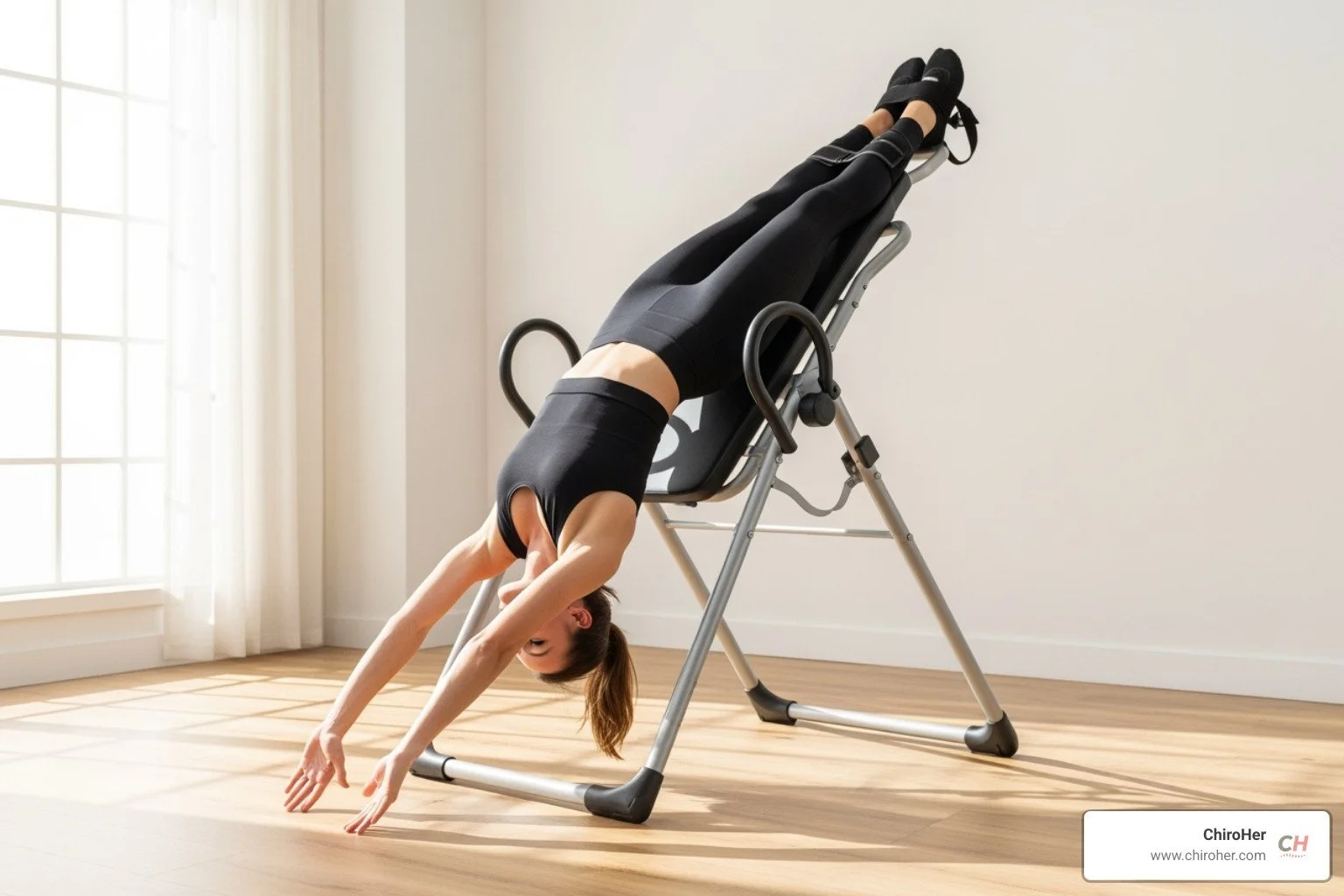
An inversion table lets you hang upside down or at an angle to apply gentle traction to the spine. The device uses your body weight to create a decompression effect between vertebrae. Decompression can reduce pressure on discs and ease tightness around the spine.
Inversion also changes muscle activation around the hips and back. That change can temporarily lengthen muscle tissue and increase joint range of motion. The effects are often short-term, so consistent practice and supporting exercises matter.

Can inversion tables increase flexibility?
Short answer: can inversion tables increase flexibility? They can help, but results vary by person and use.
Inversion tables increase flexibility mostly by:
- Reducing spinal compression that limits movement.
- Creating a sense of length in the back muscles and fascia.
- Allowing safer access to deeper stretches when used alongside active stretching.
Research and clinical reports show spinal traction can ease back pain and reduce muscle guarding. That reduced guarding can indirectly improve flexibility. However, evidence specifically proving can inversion tables increase flexibility long-term is limited. Most benefits are reported as short-term gains in range of motion and reduced stiffness.
Practical expectations:
- Expect smaller, immediate improvements after sessions.
- Expect larger, lasting improvements when inversion is combined with active stretching and strength work.
People also ask: Do inversion tables stretch muscles?
- Yes. Inversion produces a gentle stretch to the muscles around the spine, hips, and hamstrings when used at an angle.
People also ask: How long before I see flexibility gains?
- You may notice small gains after a single session, but meaningful, lasting flexibility typically takes weeks of combined work.
People also ask: Is inversion better than static stretching?
- It’s not necessarily better. Inversion complements stretching by reducing spinal tension, but active stretching and mobility drills are essential for long-term change.
Benefits for flexibility and related outcomes
Using inversion tables can offer several practical benefits when your goal is improved flexibility.
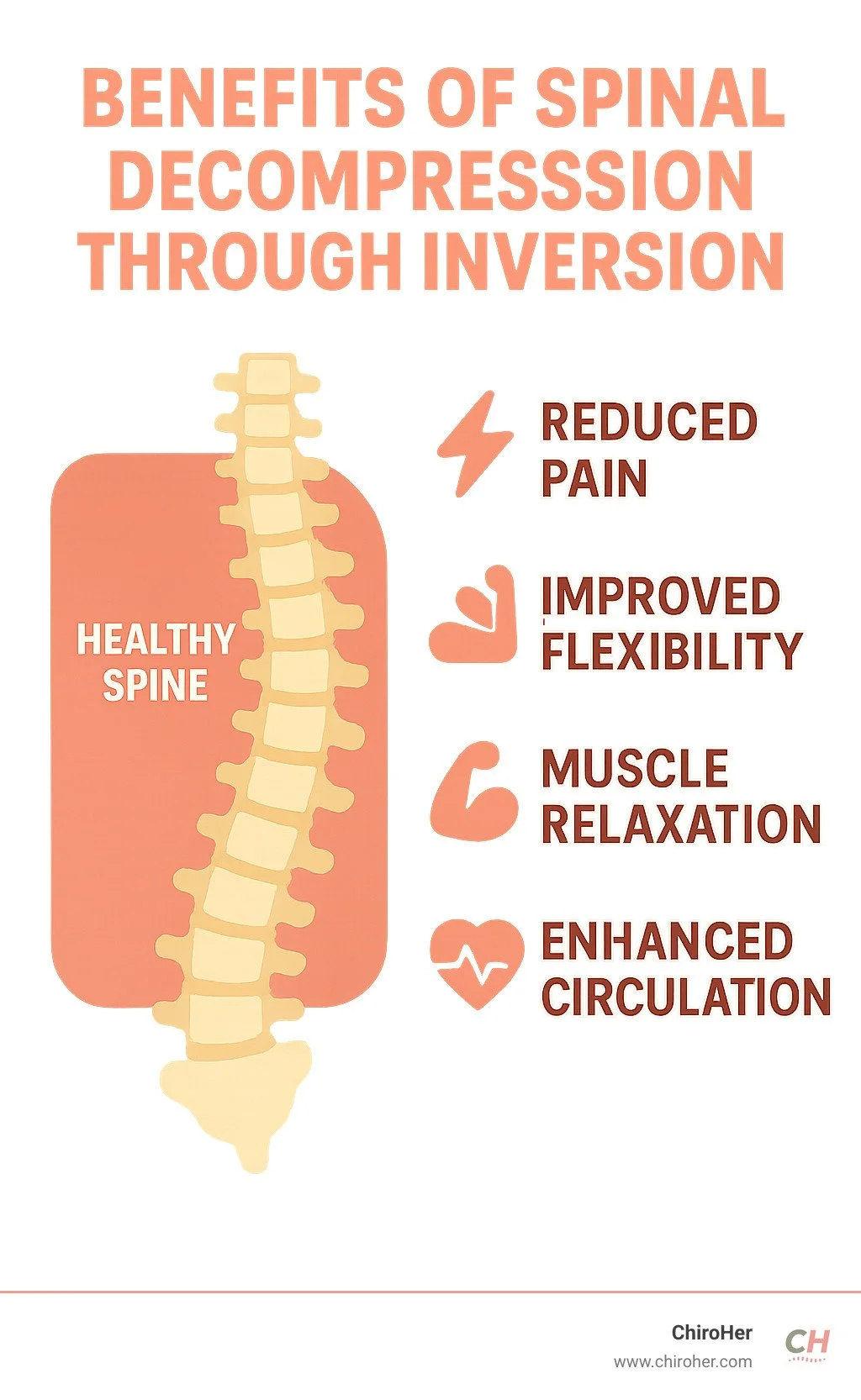
- Eases spinal stiffness
- Reduces pressure on discs and joints, which can make spinal bending and twisting easier.
- Improves perception of length
- Users often feel taller and less compressed, which helps with posture and reaching movements.
- Helps with hamstring and hip mobility
- A slight inversion angle combined with gentle leg stretches can increase hamstring tolerance.
- Enhances warm-up and recovery
- Short inversion sessions can be a low-impact way to loosen muscles before mobility training.
Combine inversion with active mobility drills, breathing, and dynamic stretches for the best results.

Limitations and risks
Can inversion tables increase flexibility for everyone? No. There are clear limits and safety concerns.
- Effects can be temporary
- Gains in range of motion often fade without ongoing mobility work.
- Not a replacement for targeted stretching
- Inversion helps by reducing tension, but you still need specific exercises.
- Blood pressure and pressure in the head
- Inversion raises pressure in the eyes and head and is risky for people with hypertension or glaucoma.
- Joint or heart conditions
- People with heart disease, high blood pressure, or vertigo should avoid inversion without medical clearance.
- Improper use can strain the lower back
- Fast drops or overuse at steep angles can irritate discs or muscles.
Always start slow, keep angles mild, and check with a healthcare provider if you have medical concerns.
How to use inversion tables safely to improve flexibility
Follow these practical steps when using an inversion table for flexibility.
- Get medical clearance if you have health issues.
- Start at a mild angle, around 20–30 degrees, for 1–2 minutes.
- Focus on breathing and gentle movements to avoid muscle bracing.
- Add simple active stretches while inverted, such as:
- Knees-to-chest hold for 10–20 seconds.
- Gentle pelvic tilts while at a low angle.
- Limit sessions to 2–3 times per day, 2–5 minutes each, as you adapt.
- Progress gradually: increase angle by 5–10 degrees over weeks.
- Pair inversion with daily mobility work: hamstring stretches, hip openers, and core strengthening.
Safety tips:
- Wear comfortable, non-slip shoes.
- Use a slow-release or tether to control inversion angle.
- Stop immediately if you feel dizziness, sharp pain, or nausea.

Alternatives and complementary methods to increase flexibility
Inversion tables are one tool among many. Use a balanced plan for best results.
- Active stretching routines
- Dynamic leg swings, lunges with rotation, and controlled toe touches.
- Yoga and mobility classes
- Builds flexibility with strength and body awareness.
- Foam rolling and soft-tissue work
- Reduces tightness in muscles and fascia.
- Strength training through full range
- Strong muscles maintain the new length and protect joints.
- Physical therapy
- Personalized plans address structural limits and injuries.
Combining inversion sessions with these methods produces more durable flexibility gains.

Personal experience and lessons learned
I used an inversion table after a mild lumbar strain. Short sessions helped me feel less compressed and allowed deeper hip stretches. I noticed a clearer posture and improved reach within a week.
Lessons I learned:
- Start gentle and pair inversion with active stretches. Alone it felt temporary.
- Consistency matters more than angle. Small, daily sessions beat rare long hangs.
- Listen to your body. Dizziness or pressure means stop and lower the angle.
These hands-on insights shaped how I recommend inversion tools to friends and clients.
Frequently Asked Questions of Can inversion tables increase flexibility
Does inversion cause permanent flexibility improvements?
Most users see temporary gains. Permanent improvements require ongoing stretching and strength work alongside inversion.
How long should I invert to help flexibility?
Begin with 1–2 minutes at mild angles and work up to several short sessions per day. Longer sessions are not necessary and can increase risk.
Can inversion tables replace physical therapy?
No. Inversion can complement therapy but should not replace a therapist’s targeted plan for flexibility or injury recovery.
Are inversion tables safe for older adults?
They can be, when used at low angles and after medical clearance. Older adults should start slowly and monitor blood pressure and dizziness.
Can inversion help tight hamstrings?
Yes. A mild inversion angle can reduce spinal tension and make hamstring stretches feel easier, but direct hamstring work is still required.
Conclusion
Inversion tables can help by reducing spinal compression and easing muscle tightness, which often makes stretching more effective. That means can inversion tables increase flexibility? Yes, for many people they can provide measurable, short-term gains and support a broader flexibility plan. Combine inversion with regular mobility drills, strength work, and safe progression for lasting results.
Try a conservative routine, track your progress, and share your experience below. If this helped, consider subscribing for more practical gear reviews and mobility guides.

