If you’re searching for an inversion table to help with back pain, spinal decompression, or simply want to improve flexibility, you’ll quickly find two names pop up: the Yoleo Gravity Inversion Table and the Ironman Gravity 1000. Both have strong reputations online, plenty of customer reviews, and claim to offer safe, effective inversion therapy at home. But which one is actually better for you? This guide compares them side by side, breaking down their features, safety, comfort, and value. By the end, you’ll know exactly which inversion table best suits your needs and why.
Why Use An Inversion Table?
Before diving into the specifics of Yoleo and Ironman, it’s important to understand why people use inversion tables in the first place. Inversion therapy involves hanging upside down or at an inverted angle to reduce spinal pressure, stretch the back, and potentially relieve pain. Common benefits include:
Today's Exclusive Deals
Limited-time Exclusive Deals. Check current discount on Amazon.
Check Price on Amazon As an Amazon Associate I earn from qualifying purchases.- Decompressing spinal discs to reduce back pain
- Improving flexibility by stretching muscles and ligaments
- Stimulating circulation
- Reducing stress by relaxing the body
However, not all inversion tables are the same. Quality, safety, and comfort can make a huge difference in your experience and results.
Overview: Yoleo Gravity Inversion Table
The Yoleo Gravity Inversion Table is popular for home use because it combines a sturdy build with thoughtful comfort features. Most users mention the ease of use and the affordable price point. The Yoleo table is designed to accommodate a wide range of users and is often recommended for beginners due to its simple assembly and operation.
Key features include:
- Adjustable height (usually fits people from 4’10” to 6’6”)
- 300 lbs weight capacity
- High-density foam padding
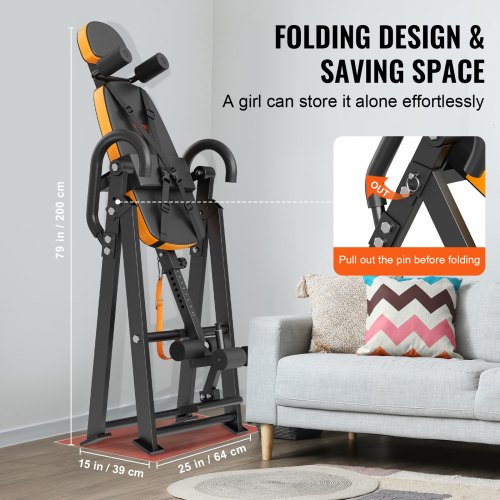
- Foldable design for easy storage
- 3-position inversion angles
- Safety lock mechanism
Its compact structure and user-friendly adjustments make it a go-to for people looking to start inversion therapy at home without spending a fortune.
Overview: Ironman Gravity 1000 Inversion Table
The Ironman Gravity 1000 is a classic in the inversion table world. It stands out for its robust construction and reputation for safety and durability. Ironman, as a brand, is associated with fitness equipment that lasts, and the Gravity 1000 is no exception.
Key features include:
- Extra-wide tubular steel frame
- 350 lbs weight capacity
- Nylon backrest (tough, not padded)
- Rubber non-skid floor stabilizers
- 3-position adjustable safety tether strap
- Ankle locking system with pull-pin release
This table is aimed at users who want a solid, no-nonsense inversion experience. It’s not the most feature-rich, but it’s built to last and support heavier users.
Head-to-head Feature Comparison
To see how these two inversion tables compare on the most important factors, here’s a direct breakdown.
| Feature | Yoleo Gravity Inversion Table | Ironman Gravity 1000 |
|---|---|---|
| Weight Capacity | 300 lbs | 350 lbs |
| Height Range | 4’10” – 6’6” | 4’10” – 6’6” |
| Backrest Material | Foam padded | Nylon (no padding) |
| Foldable | Yes | Yes |
| Inversion Angles | 3-position preset | 3-position tether strap |
| Assembly | Easy, tools included | Moderate, tools included |
| Safety Features | Safety lock, foam handles | Stabilizers, safety tether, locking ankles |
| Price | Lower (under $200) | Moderate (around $200) |
This table covers the basics, but let’s dig into the real-world differences that affect your daily use.
Comfort And User Experience
Backrest Comfort
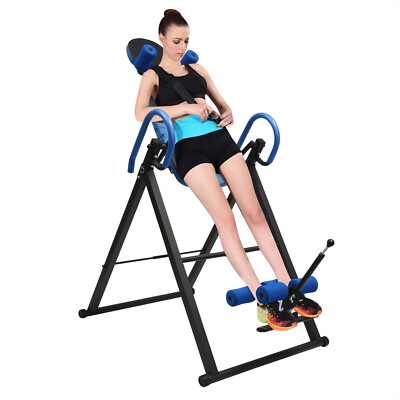
Yoleo’s backrest uses high-density foam padding. This gives a soft, comfortable feel, especially when you’re inverted for more than a few minutes. The foam helps distribute weight and reduces pressure points.
Ironman’s backrest is nylon, stretched tight over the frame. While it’s durable and easy to clean, some users may find it less comfortable, especially during longer sessions. People with sensitive backs or those who want a “cushioned” feel usually prefer Yoleo.
Ankle Support System
Ankle comfort is a huge deal with inversion tables. The Yoleo uses a padded foam roller system. Your ankles fit between two sets of foam rollers, which helps prevent pinching and discomfort. It’s adjustable, but some users with larger ankles might find it a bit snug.
The Ironman Gravity 1000 uses a pull-pin locking system with ergonomically molded cushions. These are designed to hold your ankles firmly without pinching. Many users say the Ironman’s ankle system feels more secure, especially for heavier users or those who want to invert fully.
Adjustability
Both tables let you adjust the height to match your body, which is important for smooth inversion and safe return to upright. The Yoleo has a simple height selector with clear markings, making it beginner-friendly. The Ironman also adjusts for height but is a bit heavier to move. Both allow you to set your inversion angle, but Ironman’s tether strap gives more fine control if you want a custom angle.
Build Quality And Durability
If you want an inversion table that will last for years, the frame and materials matter.
- Ironman Gravity 1000 uses extra-wide, powder-coated tubular steel. It’s built for stability and can handle up to 350 lbs. The wide stance and rubber stabilizers keep the table from rocking or sliding, even on hard floors.
- Yoleo Gravity Inversion Table is still strong, but its frame is a bit lighter and has a slightly lower max weight (300 lbs). For most users, this is more than enough. However, heavier users or those planning frequent, intense sessions might prefer Ironman’s extra strength.
One key insight: while both tables fold up, Ironman’s heavier frame makes it less convenient to move and store. Yoleo is noticeably lighter, so it’s easier if you have limited space or need to move your table often.
Safety Features
Safety should always be your top concern when choosing an inversion table.
- Ironman stands out for its stability. The wide, non-skid feet and heavy frame mean it’s nearly impossible to tip or slide. The ankle locking system is also very secure, reducing the risk of slipping while inverted.
- Yoleo offers a reliable safety lock and padded handles for getting in and out. However, the lighter frame means it’s more important to use the table on a non-slippery surface. The foam ankle support is comfortable but may not feel as solid for users at the upper end of the weight range.
A non-obvious insight: Some users new to inversion therapy don’t realize the importance of slow, controlled inversion. Both tables allow you to set “stop” points, but Ironman’s tether strap gives you a bit more freedom to experiment with angles safely.
Ease Of Assembly
Most people want to start using their inversion table quickly. Here’s how they compare:
- Yoleo is known for its quick assembly. The instructions are simple, and most users can put it together in 30-45 minutes. All tools are included.
- Ironman Gravity 1000 takes a bit longer because of its heavier frame and more parts. Expect at least an hour, and it’s easier with two people. The instructions are clear, but the weight can make solo assembly challenging.
A tip: Lay out all the parts first and follow each step closely. Some beginners forget to tighten all bolts, which can cause wobbling—always double-check before use.
Storage And Space Needs
Not everyone has a dedicated home gym. If you need to store your inversion table between sessions, portability matters.
- Yoleo Gravity Inversion Table folds up easily and is light enough for one person to move. It can stand in a closet or slide behind a door.
- Ironman Gravity 1000 also folds, but the heavier frame means it’s more awkward to move. It’s best for people who have a permanent space or don’t mind leaving it set up.
Another insight: If you live in a small apartment, measure your storage space before buying. Both tables are about 60 inches tall when folded, but Yoleo’s lighter weight makes a real difference if you need to move it often.
Price And Value
Cost is always a factor. Here’s a quick price comparison:
| Model | Average Price Range (USD) | What You Get |
|---|---|---|
| Yoleo Gravity Inversion Table | $120 – $170 | Padded comfort, basic safety features, beginner-friendly |
| Ironman Gravity 1000 | $180 – $230 | Extra-strong frame, secure ankle system, higher weight limit |
For most users, the Yoleo offers excellent value if you’re under 300 lbs and want a comfortable, affordable way to try inversion. The Ironman costs a bit more but is worth it if you want a table built for heavy use or maximum stability.
Who Should Choose Each Table?
Both inversion tables have loyal fans, but your best choice depends on your needs.
Pick the Yoleo Gravity Inversion Table if:
- You weigh less than 300 lbs
- Comfort is a top priority
- You’re new to inversion and want a beginner-friendly model
- You need to move or store the table often
- Budget is a concern
Pick the Ironman Gravity 1000 if:
- You want the most stable, secure table
- You weigh up to 350 lbs
- You plan to use the table frequently or for longer sessions
- You have a permanent spot to leave the table set up
- You want a stronger ankle locking system
Real User Feedback And Common Complaints
Looking at hundreds of online reviews, a few patterns stand out for each table.
Yoleo Gravity Inversion Table
Pros:
- Many users praise the comfort of the backrest.
- Lightweight and easy to assemble.
- Good value for the price.
Cons:
- Some users say the ankle holders can feel tight, especially for larger ankles.
- A few people mention wobbling at maximum inversion, usually if bolts are not fully tightened.
- Not as suitable for users above 250 lbs, even though the stated limit is 300 lbs.
Ironman Gravity 1000
Pros:
- Extremely stable, even for heavier users.
- Ankle locking system feels secure.
- Long-lasting—some users report using it for 5+ years with no problems.
Cons:
- Backrest is not padded, which can be uncomfortable for some.
- Heavier and harder to move.
- More expensive than entry-level tables.
One non-obvious insight: Some beginners regret not checking the fit of the ankle system before buying. If you have very sensitive ankles or circulation issues, try to test a similar system before choosing.

Assembly And Maintenance Tips
Proper assembly is key for safety and comfort. Here are expert tips for both models:
- Read the manual fully before starting. Many problems happen when people skip steps.
- Lay out all parts and check for missing items.
- Tighten bolts only after assembly is complete. This helps align all parts correctly.
- Check all connections every few weeks, especially if you move the table.
- Clean the backrest with a damp cloth—never use harsh chemicals.
For Ironman, lubricate the moving parts every few months for smoother inversion. For Yoleo, check the foam rollers for wear if you use the table daily.
What Really Matters When Choosing?
When buying an inversion table, don’t get distracted by “extra” features you might not use. Focus on:
- Safety and stability (weight capacity, frame strength)
- Comfort (backrest and ankle system)
- Ease of use (adjustment, assembly, and storage)
- Your specific needs (weight, height, frequency of use)
Avoid buying just because one table is cheaper or has more “gimmicks. ” The right fit for your body type and space is much more important.
Common Buyer Mistakes To Avoid
Many beginners make these mistakes:
- Ignoring weight limits: Always choose a table that safely supports your weight.
- Forgetting about ankle comfort: If you have circulation or joint issues, padded or ergonomic ankle supports are essential.
- Not considering space: Measure your room and storage area before buying.
- Skipping maintenance: Loose bolts or worn parts can make inversion unsafe.
- Choosing based on color or brand alone: Focus on real features, not just looks.
How To Get The Most From Your Inversion Table
To maximize benefits and stay safe:
- Start with short sessions (1-2 minutes) at a mild angle.
- Increase inversion angle gradually as you get comfortable.
- Listen to your body—if you feel dizzy, stop immediately.
- Wear shoes or thick socks for added ankle comfort.
- Consult a doctor before starting, especially if you have health conditions.
A little patience and proper setup go a long way toward making inversion therapy safe and enjoyable.
Final Thoughts: Which Should You Buy?
The Yoleo Gravity Inversion Table is the best choice if you want comfort, easy storage, and a budget-friendly price. It’s perfect for beginners and users under 300 lbs. The Ironman Gravity 1000 stands out for heavy-duty use, extra stability, and a secure ankle locking system. It’s worth the extra cost for users who need maximum support, especially if you plan to use it daily or leave it set up.
No matter which table you choose, always follow safety guidelines and listen to your body. Inversion therapy can offer real relief and flexibility gains if you use the right equipment and take your time adjusting.
For a deeper dive into the science behind inversion therapy, visit the Wikipedia entry on inversion therapy.
Frequently Asked Questions
How Long Should I Use An Inversion Table Per Session?
Start with 1-2 minutes per session, especially if you’re new to inversion therapy. Gradually increase the time as your body adapts, but most experts recommend no more than 5-10 minutes at a time. Always listen to your body and stop if you feel dizzy or uncomfortable.
Is Inversion Therapy Safe For Everyone?
No, inversion therapy is not safe for everyone. People with high blood pressure, heart disease, glaucoma, or certain spinal conditions should avoid using inversion tables. Always consult your doctor before starting, especially if you have any medical concerns.
Do I Need Special Shoes For Using An Inversion Table?
You don’t need special shoes, but wearing athletic shoes or thick socks can add ankle comfort and reduce pressure. This is especially important with tables like Ironman Gravity 1000, which have firmer ankle locks.
Can I Store The Yoleo Or Ironman Inversion Table In A Closet?
Both tables are foldable, but the Yoleo is lighter and easier to move into a closet or behind a door. The Ironman can also be stored, but its heavier frame makes it less convenient for frequent moving.
How Do I Maintain My Inversion Table?
Regularly check and tighten all bolts, clean the backrest with a damp cloth, and inspect the ankle supports for wear. For Ironman, lubricate moving parts every few months. Proper maintenance keeps your table safe and extends its lifespan.