Choosing the right inversion table can be confusing, especially when faced with top-rated options like the Innova ITX9900 and the Teeter FitSpine X2. Both models promise pain relief, spinal decompression, and improved flexibility. But they differ in design, features, and comfort. Making the right choice means understanding what really matters for your health, safety, and long-term use. Whether you’re new to inversion therapy or upgrading from a basic model, this guide will help you decide which table fits your needs and lifestyle.
Overview: Innova Itx9900 And Teeter Fitspine X2
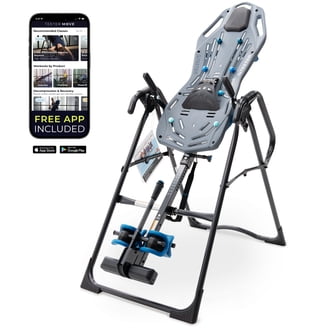
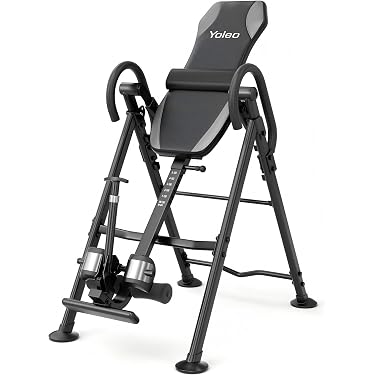
The Innova ITX9900 is known for its adjustable lumbar support, affordability, and sturdy build. It’s a favorite among users who want effective therapy without a big price tag. The Teeter FitSpine X2 stands out for its premium materials, advanced safety features, and FDA registration. It’s often recommended by chiropractors and comes from a brand with a strong reputation in spinal health.
Today's Exclusive Deals
Limited-time Exclusive Deals. Check current discount on Amazon.
Check Price on Amazon As an Amazon Associate I earn from qualifying purchases.Both tables offer inversion therapy benefits. But their approach to comfort, adjustability, and safety is different. Understanding these differences can help you avoid common mistakes, like buying a table that’s uncomfortable or hard to use.
Design And Build Quality
Frame Construction
The Innova ITX9900 uses a heavy-duty steel frame. It supports users up to 300 lbs and offers good stability. The frame is wide and solid, which reduces wobble during inversion. Some users mention that the assembly process is straightforward, but the instructions could be clearer.
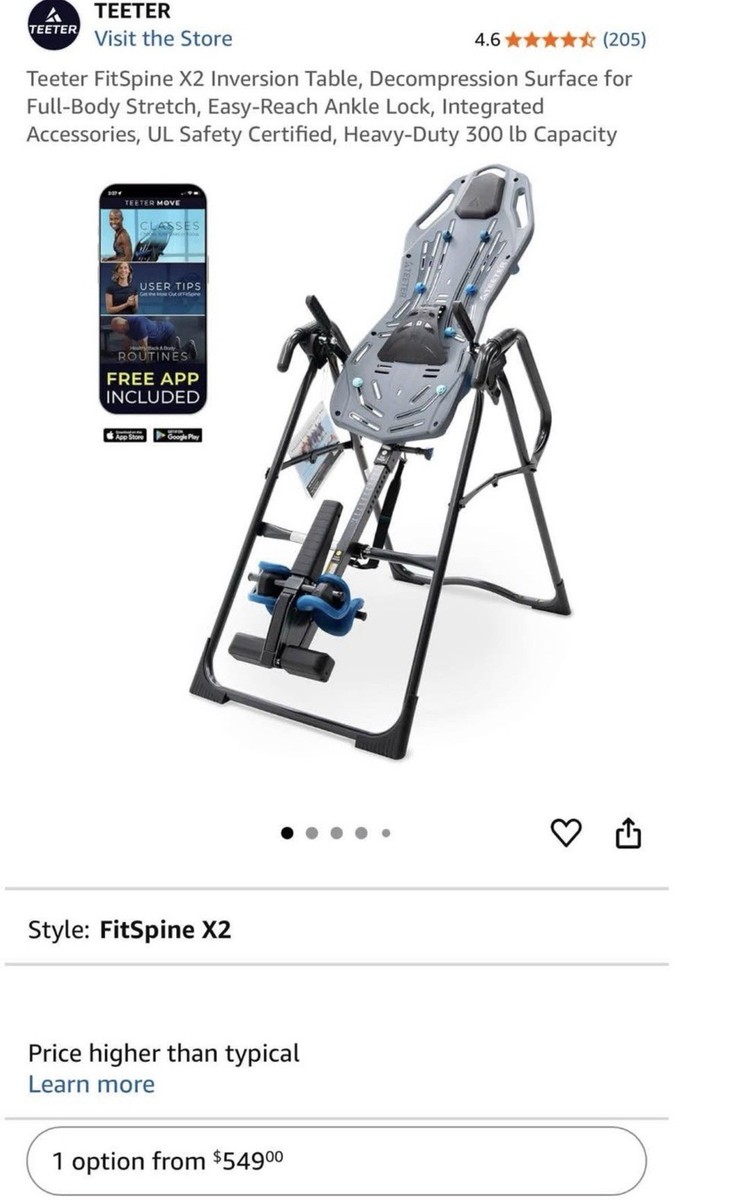
The Teeter FitSpine X2 uses heat-treated steel with auto-locking hinges and specialized pivot points. It supports the same 300 lbs weight limit but feels more refined. The frame has a more compact footprint when folded. Many users say the construction feels “medical grade.”
Table Surface And Padding
Innova’s backrest is thickly padded, with an integrated adjustable lumbar pad. It’s comfortable for longer sessions, and the lumbar pad can slide up or down to target the lower back. The ankle holders are foam rollers, which are soft but may feel too basic for sensitive users.
Teeter’s backrest is a flexible, 8-point floating suspension system. This design allows your spine to elongate more freely, which some users find better for decompression. The surface is not padded but uses a “floating” effect for support. Teeter’s ankle system features ergonomic, self-locking cuffs with extra foam, offering more comfort and security.
Foldability And Storage
Both tables fold for storage, but the FitSpine X2 folds flatter and is lighter to move. The ITX9900 is bulkier but still fits in most closets or against a wall.
Features And Adjustability
Angle Adjustment
The ITX9900 uses a True Balance system, which means you set your height and can adjust the inversion angle with a pin. There are six preset angles, from a slight tilt to full inversion (180 degrees). This makes it easy for beginners to control the experience.
The FitSpine X2 uses a tether strap for angle control. You can fine-tune the inversion degree, not just rely on preset slots. This gives you more flexibility, but requires attention to detail when setting up.
Lumbar And Head Support
Innova’s lumbar support is removable and adjustable. This is great if you want extra lower-back pressure. The head pillow is basic but adequate.
Teeter’s table comes with an optional lumbar bridge and acupressure nodes. The lumbar bridge helps position your hips and increases stretch in the lower back. The acupressure nodes provide trigger point release. The headrest is adjustable in height and tilt.
Ankle Locking System
The ITX9900 has a front-and-back foam roller system. You step in, and the rollers press against your ankles. It’s simple and easy for most users, but some find it less comfortable during long sessions.
The FitSpine X2’s Deluxe EZ-Reach Ankle System uses a ratcheting mechanism and ergonomic cuffs. You don’t need to bend as far to secure your ankles, which is safer for people with back issues. The comfort is noticeably higher for most users.
Safety Features
Both tables have safety straps and locking mechanisms. Teeter adds auto-locking hinges and specialized pivot bearings, which reduce risk of sudden movement. The frame is also third-party certified for safety.
Innova’s safety features are solid, but not as advanced as Teeter’s. Still, for most home users, both offer dependable security.
User Experience
Comfort During Use
The padded backrest on the ITX9900 is a plus for those who like a softer surface. The adjustable lumbar pad targets the lower back—helpful for people with chronic pain. However, some users mention that the foam ankle holders can get uncomfortable after 5–10 minutes.
FitSpine X2’s floating backrest feels less cushioned but offers superior spinal decompression. The ergonomic ankle system is a highlight; users often report that they can invert longer without discomfort. The flexible backrest allows for stretching and movement, which is useful for advanced users.
Ease Of Use
Both tables are designed for home users, but Teeter’s ratcheting ankle system is easier if you have limited mobility. Innova’s adjustment knobs and pins are simple but require a bit more bending.
Assembly is faster with the Teeter X2 (about 15–30 minutes), while Innova can take 30–45 minutes. Both come with clear parts and tools, but Teeter’s instructions and online videos are more detailed.
Noise And Stability
Both are quiet during use, but Teeter’s bearings and hinges make for a smoother, “silent” inversion. Innova is stable but can squeak if bolts are not tightened well.
Real User Feedback
Many users praise the ITX9900 for its value and comfort. It’s especially popular among people with herniated discs or sciatica, who appreciate the lumbar support. Some mention minor issues with the ankle holders and the bulkiness when folded.
Teeter’s FitSpine X2 gets high marks for build quality and comfort, especially among older users and those with limited flexibility. Chiropractors often recommend Teeter for chronic back pain. Users notice better decompression and less ankle pain, but it comes at a higher price.
Performance And Health Benefits
Spinal Decompression
Both tables help decompress the spine by using your body weight and gravity. This can relieve pressure on discs and nerves, which helps with back pain, sciatica, and general stiffness.
Teeter’s floating backrest and acupressure nodes offer deeper decompression and targeted muscle release. The lumbar bridge can enhance the stretch in the lower back, which is often where most people feel pain.
Innova’s padded backrest is more comfortable for longer sessions. The adjustable lumbar pad gives extra support, but the decompression effect is slightly less intense compared to Teeter.
Flexibility And Core Strength
Regular inversion can improve flexibility and core strength. Both tables allow for gentle stretching, but Teeter’s design supports more dynamic movement. You can twist or reach while inverted, which helps with deeper muscle engagement.
Pain Relief
Clinical studies show that inversion therapy can reduce back pain over time. Both tables support this, but the higher comfort and support from Teeter’s ankle system means users can invert longer, often leading to faster results.
Safety And Certification
Teeter is the only brand that is FDA-registered as a 510(k) medical device for back pain and related conditions. This means it meets strict standards for safety and effectiveness. Innova is not FDA-registered but is still considered safe for home use.
Price And Value
Cost Comparison
The Innova ITX9900 usually costs between $180–$250. It’s one of the most affordable tables with lumbar support. Replacement parts and accessories are also inexpensive.
The Teeter FitSpine X2 is priced between $350–$450. It’s a premium product, but includes more advanced features, better materials, and a five-year warranty. Accessories like the lumbar bridge or acupressure nodes may add to the cost, but many are included in the basic package.
Warranty And Customer Service
Innova offers a one-year warranty on parts and frame. Customer service is responsive, but some users report longer wait times for replacement parts.
Teeter offers a five-year warranty and has a strong reputation for customer support. Replacement parts are easy to order and arrive quickly. Teeter also provides access to online resources and support groups.
Value For Money
If you want basic inversion therapy with lumbar support, the ITX9900 is a great value. For users with chronic pain or who want advanced comfort and safety, the Teeter FitSpine X2 justifies its higher price.
Who Should Choose Each Table?
Innova Itx9900 Is Best For:
- Budget-conscious buyers who want a reliable inversion table
- Users who prefer padded backrests and adjustable lumbar support
- People who don’t need advanced ankle systems or extra features
- Beginners who want to try inversion therapy without a big investment
Teeter Fitspine X2 Is Best For:
- Users with chronic back pain or complex spinal issues
- People who want maximum comfort and safety
- Older users or those with limited mobility (thanks to the ratcheting ankle system)
- Anyone wanting a long-term solution with FDA registration and a strong warranty
Key Differences Summarized
To help you compare at a glance, here’s a side-by-side summary of the main differences:
| Feature | Innova ITX9900 | Teeter FitSpine X2 |
|---|---|---|
| Backrest | Padded with lumbar pad | Floating, no padding |
| Ankle System | Foam rollers | Ratcheting ergonomic cuffs |
| Angle Control | 6 preset positions | Adjustable tether strap |
| Weight Capacity | 300 lbs | 300 lbs |
| Warranty | 1 year | 5 years |
| FDA Registration | No | Yes |
| Price Range | $180–$250 | $350–$450 |
Practical Insights And Tips
Non-obvious Considerations
- Ankle Comfort Is Often Overlooked: Many first-time buyers focus on backrest padding, but ankle comfort is just as important. If you plan to invert for longer sessions (over 5 minutes), Teeter’s ankle system is a major advantage. This small detail can determine whether you stick with inversion therapy or give up.
- Adjustable Lumbar Support Isn’t Always Better: While adjustable lumbar pads sound ideal, not everyone benefits from extra pressure in the lower back. For some, the floating backrest of Teeter can feel more natural and less restrictive, especially if your main issue is upper back or neck tension.
Assembly And Space
- Plan for Assembly Time: Teeter’s tool-free assembly is quicker, but both require space and patience. Set aside at least an hour if you’re new to fitness equipment.
- Measure Your Space: Both tables fold, but make sure you have enough room to use and store them safely. A small bedroom or crowded apartment may find Teeter’s slim profile easier to manage.
Maintenance
- Check Bolts Regularly: Inversion tables can loosen over time. Tighten bolts and lubricate moving parts every few months to prevent squeaks and ensure safety.
- Clean Surfaces: Wipe down the backrest and ankle pads after each use. Sweat can damage foam and promote bacteria.
Who Should Avoid Inversion Therapy
- Medical Conditions: People with uncontrolled high blood pressure, heart disease, glaucoma, or recent surgeries should consult a doctor before using either table. Even though both are safe for most people, inversion can increase eye and blood pressure.
Real-world Comparison Scenario
Imagine two users: Anna, a 35-year-old office worker with mild lower back pain, and Dave, a 60-year-old retiree with sciatica and limited flexibility.
Anna chooses the Innova ITX9900 because it’s affordable, comfortable for her short sessions, and fits her budget. She uses the lumbar pad for targeted relief and inverts for 3–5 minutes a day.
Dave selects the Teeter FitSpine X2. He appreciates the ratcheting ankle system (no bending down) and the floating backrest, which lets him move more freely. He inverts for 8–10 minutes, using the acupressure nodes for muscle tightness. For Dave, the higher cost is worth the extra comfort and safety.
Data Table: Specifications At A Glance
Here’s another look at key specs and measurements:
| Specification | Innova ITX9900 | Teeter FitSpine X2 |
|---|---|---|
| Height Range | 4’10″–6’6″ | 4’8″–6’6″ |
| Product Weight | 57 lbs | 52 lbs |
| Folded Dimensions | 28″ x 18″ x 62″ | 20″ x 28.8″ x 66″ |
| Assembly Required | Yes | Yes (faster) |
| Extra Features | Lumbar pad, head pillow | Lumbar bridge, acupressure nodes |
Why Expert Recommendations Matter
Chiropractors and physical therapists often prefer the Teeter FitSpine X2 for patients with chronic pain, due to its safety certifications and comfort features. However, many home users report excellent results with the Innova ITX9900, especially for occasional use or mild pain.
If you’re unsure, try to test both models at a store or a friend’s home. Comfort is subjective, and what works for one person may not work for another.
For more on inversion therapy benefits, the official Teeter resource page is worth a look.
Making The Final Choice
To choose between the Innova ITX9900 and Teeter FitSpine X2, think about your priorities: budget, comfort, long-term use, and safety. Both are excellent tables, but your specific needs will point to the better fit.
If you want a basic, comfortable, and affordable table, the ITX9900 is hard to beat. For advanced support, better ankle comfort, and peace of mind with safety features, the FitSpine X2 stands out.
Remember, the best inversion table is the one you’ll actually use. Comfort, convenience, and ease of use are just as important as price or features.
Frequently Asked Questions
How Much Space Do I Need For These Inversion Tables?
Both the Innova ITX9900 and Teeter FitSpine X2 require about 7–8 feet of length and 3–4 feet of width when in use. When folded, the Teeter table takes up less space and is easier to store in a closet or behind a door.
Can I Use These Tables If I Have A Herniated Disc?
Yes, both tables are designed to help with herniated discs and lower back pain. However, you should always consult your doctor before starting inversion therapy, especially if you have a recent injury or surgery.
Is Assembly Difficult For Either Table?
Assembly is straightforward for both models. The Teeter FitSpine X2 is faster, usually taking 15–30 minutes. The Innova ITX9900 may take 30–45 minutes. Both come with the necessary tools and clear instructions.
How Long Should I Invert Each Session?
Beginners should start with 1–2 minutes per session and gradually increase to 5–10 minutes. Listen to your body and stop if you feel dizzy or uncomfortable. Teeter’s ankle system allows for longer sessions with less discomfort.
Are Replacement Parts Available For These Tables?
Yes, both brands offer replacement parts and accessories. Teeter has a more extensive support network and faster shipping for parts. Innova parts are available online but may take longer to arrive.
Choosing between the Innova ITX9900 and Teeter FitSpine X2 depends on your needs, budget, and comfort preferences. Both are excellent choices for home inversion therapy, with features to suit different users. Invest in the table that best matches your lifestyle, and you’ll be more likely to enjoy the benefits of spinal decompression for years to come.