If you are exploring inversion tables for back pain relief or spinal health, you will likely come across the Teeter FitSpine LX9 and the Ironman Gravity 1000. Both are popular for home use, but they offer very different experiences, features, and prices. Choosing between them can feel overwhelming, especially if you are new to inversion therapy. In this guide, you will find a clear, side-by-side look at how these two models compare on the nine most important points: design, comfort, safety, adjustability, assembly, storage, durability, user experience, and price. You’ll also learn a few tips that most beginners miss, so you can feel confident making the right choice for your health.
Design And Build Quality
When you first see the Teeter FitSpine LX9 and the Ironman Gravity 1000, the differences in design are obvious. The FitSpine LX9 stands out with its modern look, high-quality materials, and thoughtful engineering. Teeter uses a flexible, 8-point floating suspension bed that moves with your body. This means you get more comfort and a better stretch. The frame is made from heavy-gauge steel, and the finish is scratch-resistant.
Today's Exclusive Deals
Limited-time Exclusive Deals. Check current discount on Amazon.
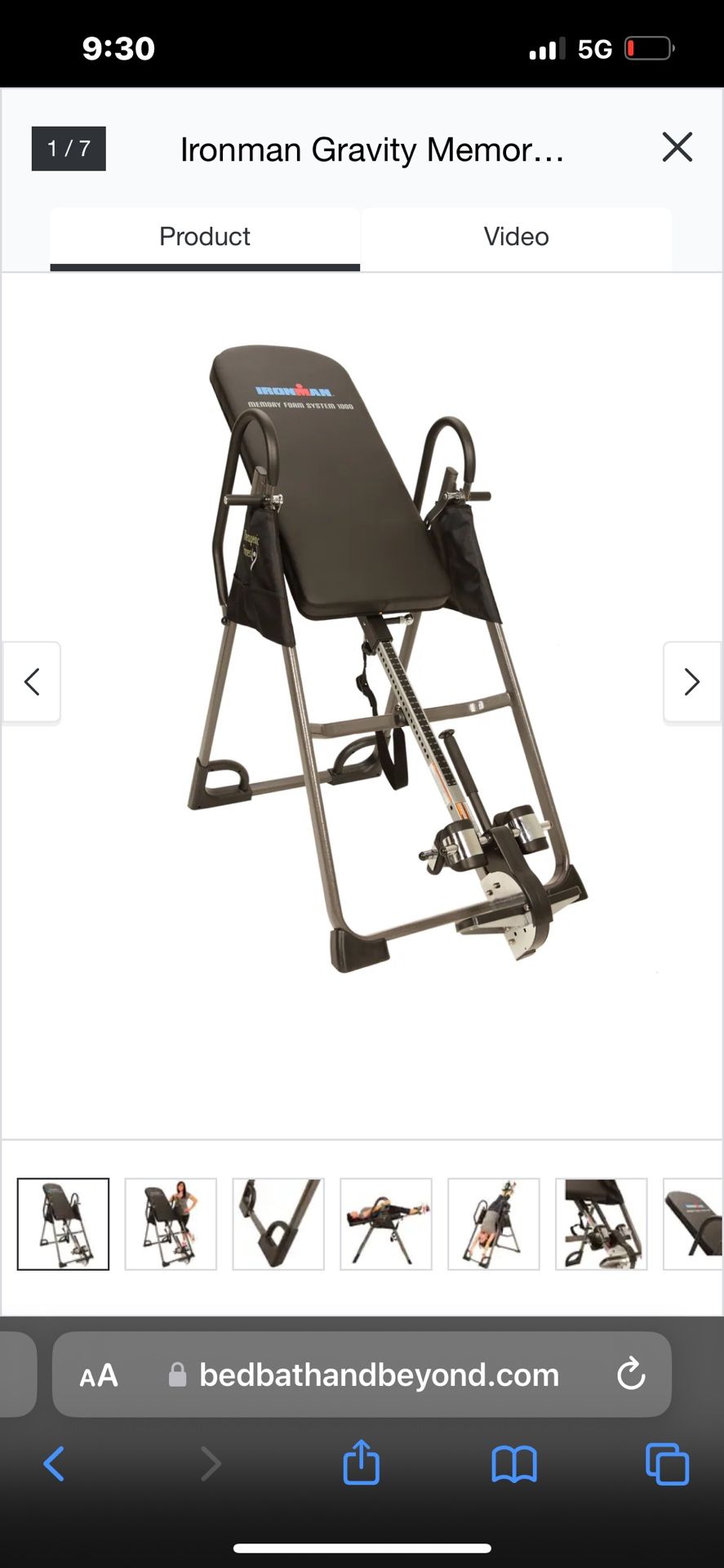
Check Price on Amazon As an Amazon Associate I earn from qualifying purchases.The Ironman Gravity 1000 is simpler. Its frame is also steel and strong, but the backrest is a thick, foam-padded board covered in vinyl. This makes it feel solid, but it does not flex or move with you during inversion. The Gravity 1000’s design is less about innovation and more about reliability.
One insight many miss: The flexible bed of the LX9 is not only about comfort—it helps reduce pressure points on your back, especially important if you plan to invert often or for longer sessions.
Here’s a side-by-side summary:
| Feature | Teeter FitSpine LX9 | Ironman Gravity 1000 |
|---|---|---|
| Frame Material | Heavy-gauge steel | Steel |
| Backrest Type | 8-point floating suspension, flexible plastic | 1.5″ foam padded, vinyl covered |
| Weight Capacity | 300 lbs | 350 lbs |
| Height Range | 4’8″ to 6’6″ | 4’10” to 6’6″ |
Comfort
Comfort can make or break your inversion experience. The FitSpine LX9 wins here for most users. Its bed is designed to reduce friction and let your body slide and stretch naturally. The bed is not padded, but it is shaped to fit the spine and hips. There are also acupressure nodes and a lumbar bridge, which can help massage your muscles while you invert.
The Ironman Gravity 1000 uses thick foam padding, which feels soft at first. However, because the board is flat and does not flex, you may feel more pressure on your back and tailbone, especially during longer sessions. There are no massage nodes or extra lumbar support.
A non-obvious insight: The LX9’s open bed design allows air to circulate, reducing sweat and discomfort during longer use—something people often forget to consider.
Safety Features
Both inversion tables are safe when used correctly, but they take different approaches. The FitSpine LX9 stands out for its advanced features. It uses auto-locking hinges, specialized cam locks, and a patented ankle locking system. The ankle support is padded and ergonomically shaped, reducing the risk of pinching or slipping. The LX9 is also UL-certified for safety, which means it passes strict independent tests.
The Ironman Gravity 1000 uses a simpler safety system. The ankle holders are foam rollers and U-shaped cups. They work, but some users with sensitive ankles may find them uncomfortable, especially when fully inverted. The table uses a simple safety tether strap to set the maximum inversion angle.
One detail most people miss: Teeter’s certification and specialized hardware mean the LX9 is less likely to fail mechanically over time, which is important if multiple people will use the table.
Here’s a quick comparison of key safety elements:
| Safety Feature | Teeter FitSpine LX9 | Ironman Gravity 1000 |
|---|---|---|
| Ankle Lock System | Ergo-Embrace, easy-reach handle | Foam rollers & U-shaped cups |
| UL Safety Certification | Yes | No |
| Inversion Angle Control | Precision rotation with tether strap | Tether strap, manual adjustment |
| Auto-locking Hinges | Yes | No |
Adjustability
The right fit is essential for comfort and safety. The Teeter FitSpine LX9 is very adjustable. It has a sliding height selector for users from 4’8” to 6’6”, and the ankle support can be micro-adjusted. You can move the lumbar bridge and acupressure nodes to target sore spots. The angle of inversion is set using a tether strap, but the bed’s design allows for easy, smooth rotation. Even small users can invert safely without much effort.
The Ironman Gravity 1000 is also adjustable for height, handling users from 4’10” to 6’6”. The ankle holders can be moved, but the adjustments are basic. There are no massage or lumbar attachments, and the angle adjustment is manual.
A key point that beginners miss: The LX9’s micro-adjustments mean families or multiple users can quickly switch settings, making it much more versatile for shared use.

Assembly
Putting together an inversion table can be a challenge. The Teeter FitSpine LX9 is designed for easy assembly, with fewer bolts and parts. Most users report needing 30–45 minutes to assemble, and the instructions are clear. Teeter also offers video guides and support if you get stuck.
The Ironman Gravity 1000 comes with more pieces, and the instructions can be less clear. Assembly usually takes between 45 minutes and an hour. The parts are heavy, so you may want help during setup.
A practical tip: Lay out all parts before you start, and use your own tools if you have them—factory tools can be small and hard to grip.
Storage And Portability
Space matters, especially if you have a small home. The FitSpine LX9 folds up easily and can be rolled to a closet or corner. It is designed to stand on its own when folded, which helps prevent damage to walls or the table itself. It is still a large item, so you’ll need some space for storage.
The Ironman Gravity 1000 also folds, but it is heavier and bulkier. When folded, it is not as stable standing up. Some users store it under a bed, but this only works with high frames. The Gravity 1000 does not have wheels, so moving it is harder.
A detail to consider: The LX9’s easy folding and rolling design is especially useful for older users or those who need to move the table often.

Durability And Maintenance
You want your table to last. The Teeter FitSpine LX9 is made from high-quality steel and plastic, with a finish that resists scratches and rust. The moving parts are tested for years of use. Teeter offers a 5-year full warranty, covering the frame, bed, and all parts.
The Ironman Gravity 1000 uses thick steel and tough vinyl, which stands up well to wear. However, the foam padding can compress over time, and the vinyl may split or crack after heavy use. The warranty is 1 year, which is shorter than Teeter’s.
A non-obvious insight: The LX9’s plastic bed does not absorb sweat, making it easier to clean and less likely to develop odors—an issue with padded vinyl boards over time.
User Experience
How does it feel to use each table? Most users find the FitSpine LX9 smoother and easier to control. The flexible bed moves with you, making it simple to return upright. The ankle support feels secure but not too tight. Features like the lumbar bridge and massage nodes add extra value for people with chronic back pain.
The Ironman Gravity 1000 is sturdy, but can feel stiff. Beginners sometimes find it harder to control the rotation, especially when returning to upright. The ankle holders can dig in if you invert for more than a few minutes.
A small but important detail: The LX9’s easy controls and smoother movement reduce the risk of dizziness or discomfort, making it better for first-time users.
Price And Value
Price is often the deciding factor. The Ironman Gravity 1000 is usually less expensive, often costing about half the price of the Teeter FitSpine LX9. For people on a budget, it is a strong value. It covers the basics and is well-built, but lacks the advanced features, comfort, and warranty that come with the LX9.
The FitSpine LX9 is an investment in comfort and long-term use. It is more expensive, but you get more in terms of adjustability, safety, and user experience. For those with ongoing back problems or families who will share the table, the LX9 offers better overall value.
One insight many overlook: The total cost of ownership includes not just the price, but also how long the table lasts and whether you need to buy accessories or replacements. The LX9’s longer warranty and better materials can save money in the long run.
Here’s a summary of cost versus features:
| Model | Typical Price Range | Warranty | Key Features |
|---|---|---|---|
| Teeter FitSpine LX9 | $450–$550 | 5 years | Flexible bed, massage nodes, lumbar bridge, certified safety |
| Ironman Gravity 1000 | $180–$250 | 1 year | Padded board, simple controls, higher weight capacity |
Which Is Right For You?
Choosing between these two tables comes down to your needs and budget:
- Choose the Teeter FitSpine LX9 if:
- You want maximum comfort and adjustability.
- You have chronic back issues and need extra support.
- Multiple people will use the table.
- You care about long-term durability and warranty.
- Choose the Ironman Gravity 1000 if:
- You are on a budget but want a reliable, basic table.
- You prefer a padded backrest over a plastic one.
- You do not need extra features like massage nodes or lumbar support.
A practical tip: Try to test each table in person if possible, or read verified user reviews. Everyone’s body is different, and comfort is very personal.
For more technical details, you can visit the official Teeter website.
Frequently Asked Questions
Is Inversion Therapy Safe For Everyone?
Most healthy adults can use inversion tables safely for short periods. However, people with high blood pressure, glaucoma, heart problems, or certain spinal conditions should check with a doctor first. If you feel dizzy or uncomfortable, stop immediately.
How Often Should I Use An Inversion Table?
Start with sessions of 1–2 minutes, 2–3 times per week. As your body adjusts, you can increase to 5–10 minutes per session. Always listen to your body, and never force yourself to stay inverted if you feel discomfort.
What Is The Maximum Weight For Each Table?
The Teeter FitSpine LX9 supports up to 300 pounds, while the Ironman Gravity 1000 holds up to 350 pounds. Choose a table that matches your weight and height for safety and comfort.
How Much Space Do These Tables Need?
Both tables require about 7 feet by 4 feet of floor space when in use. When folded, the LX9 is easier to store upright or roll to a corner, while the Gravity 1000 is heavier and bulkier.
Can I Assemble The Table By Myself?
It is possible to assemble both tables alone, but having a helper makes it easier, especially when handling heavy frames. The LX9 has clearer instructions and fewer parts, making solo assembly more manageable.
Choosing between the Teeter FitSpine LX9 and the Ironman Gravity 1000 is a personal decision. If comfort, adjustability, and long-term value matter most, the LX9 is the better pick. For those who want a basic, reliable table at a lower price, the Gravity 1000 is a solid choice. Whichever you select, proper use and care will help you get the most out of your inversion therapy experience.