
Inversion tables can provide short-term spinal decompression and temporary relief after intense workouts.
I’ve used inversion tables and read clinical research, and this article breaks down whether inversion tables help with recovery after exercise. You’ll get clear explanations of the mechanics, real-world benefits, risks, and easy, safe ways to test inversion tables for your own post-workout routine. By the end, you’ll know when inversion tables are useful, when they are not, and how to use them without making things worse.

Today's Exclusive Deals
Limited-time Exclusive Deals. Check current discount on Amazon.
Check Price on Amazon As an Amazon Associate I earn from qualifying purchases.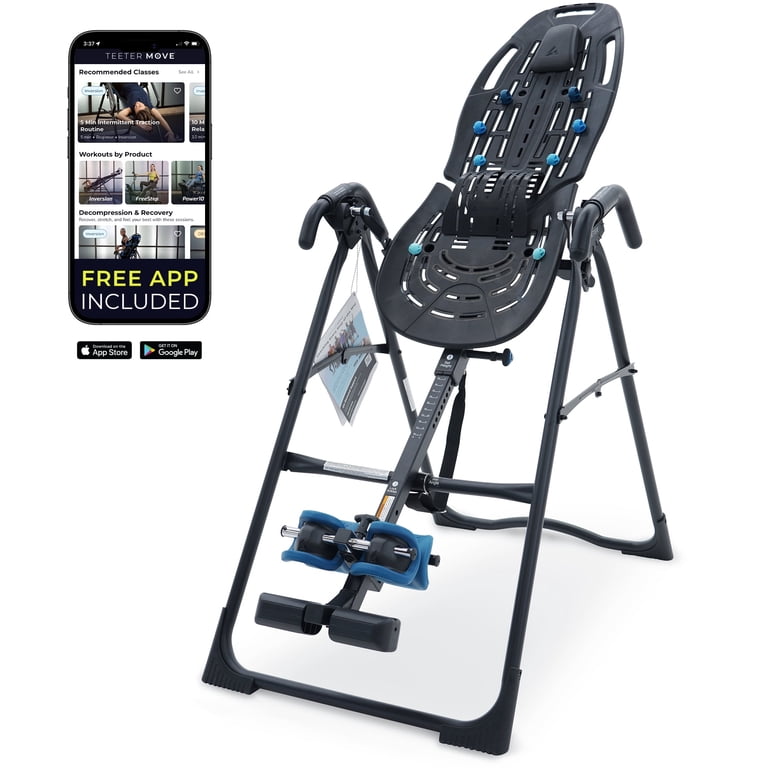
How inversion tables work and why they might help recovery
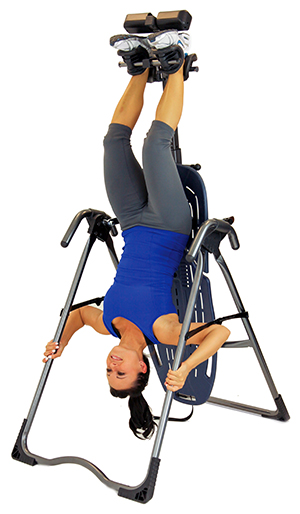
Inversion tables let you hang slightly or fully upside down. Gravity then pulls the spine in the opposite direction of normal compression. This creates gentle spinal traction and space between vertebrae. The goal is to reduce pressure on discs, nerves, and joints.
Inversion tables also change how blood and lymph flow. When your head is lower than your heart, venous return and lymphatic drainage shift briefly. That can move fluids and metabolites away from sore tissues. For exercise recovery, the main proposed benefits are reduced spinal compression, temporary pain relief, and a feeling of decompression after heavy loading.
The evidence: what research and experts say
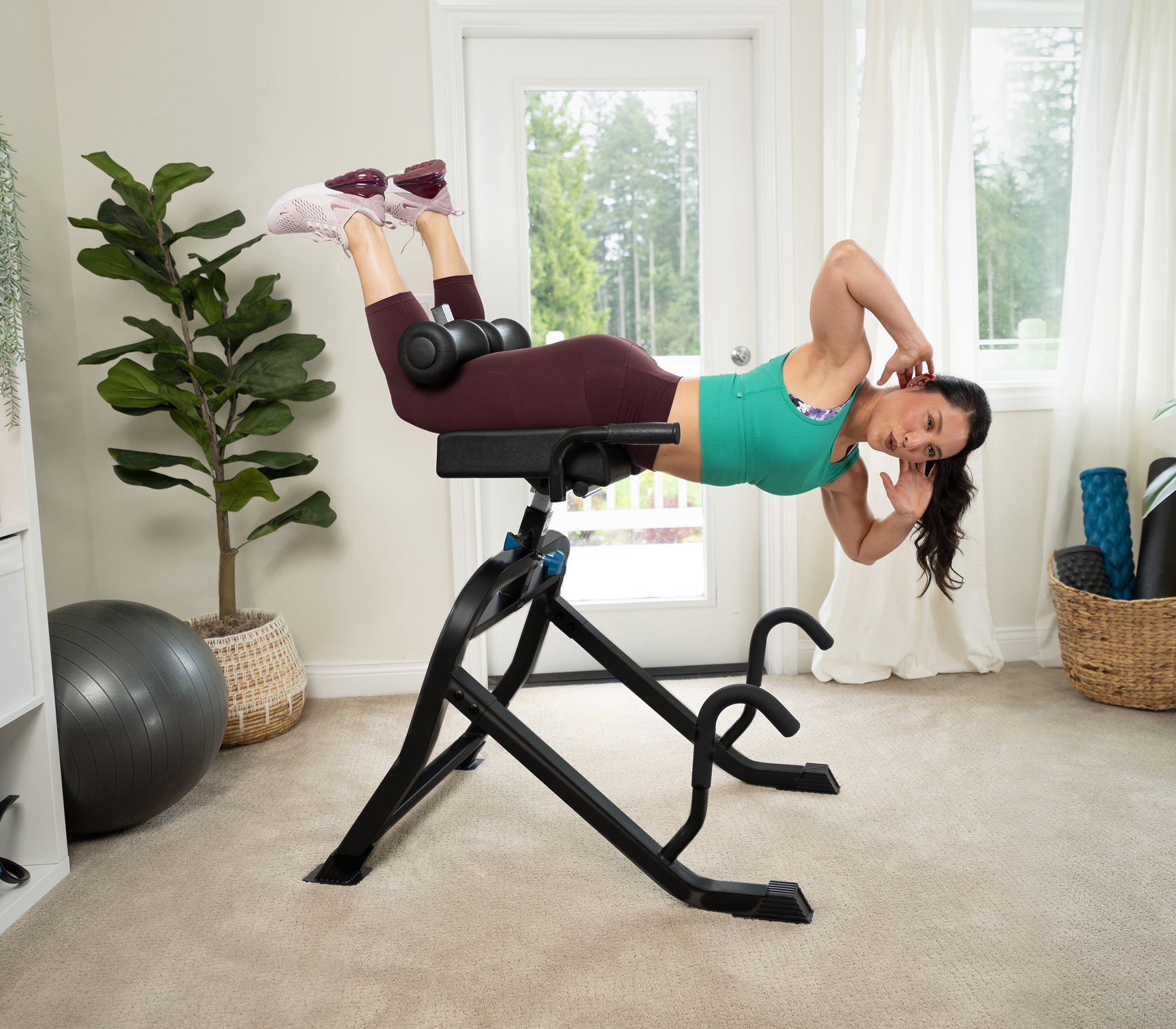
Research on inversion tables focuses mostly on back pain and traction. Studies show short-term relief of low back pain for some people after inversion therapy. Evidence for improved muscle recovery after exercise is limited. Few clinical trials target post-exercise recovery or delayed onset muscle soreness (DOMS).
Mechanistic studies suggest inversion tables can reduce intervertebral pressure briefly. That may ease nerve irritation and stiffness after heavy lifting. However, long-term structural change is not well supported. Medical experts generally say inversion therapy may help symptom relief for selected users but is not a universal recovery tool.

Benefits of using inversion tables for post-exercise recovery
- Spinal decompression: Can relieve pressure on discs and joints after heavy lifts.
- Short-term pain relief: Many users report immediate reduction in back tightness.
- Improved mobility: A short inversion session can loosen the spine and hips.
- Mental relaxation: Hanging for a few minutes can reduce stress and muscle guarding.
- Complementary recovery: Works well with stretching, foam rolling, and light cardio.
In my experience, a 1–3 minute inversion at a gentle angle after heavy deadlifts or a long run felt calming and reduced stiffness the next morning. I used inversion tables alongside stretching and hydration, not instead of them.
Limitations and risks to consider
- Temporary effects: Benefits usually last hours to a few days, not permanently.
- Blood pressure changes: Inversion increases blood pressure in the head and eyes. This can be dangerous for people with hypertension or glaucoma.
- Not for everyone: Those with heart disease, stroke history, high blood pressure, pregnancy, or eye issues should avoid inversion tables.
- Possible dizziness or nausea: Rapid inversion or long sessions can cause lightheadedness.
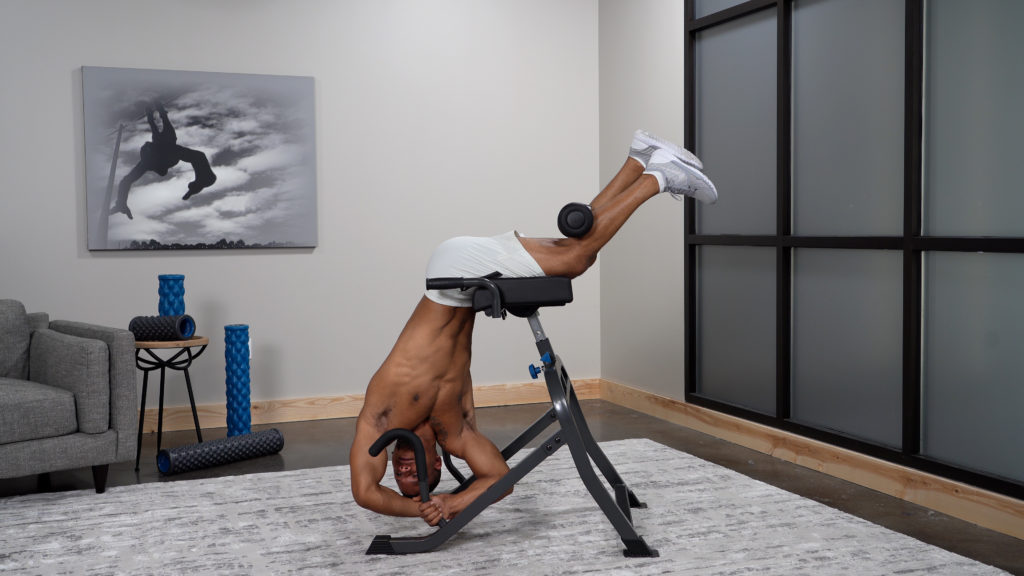
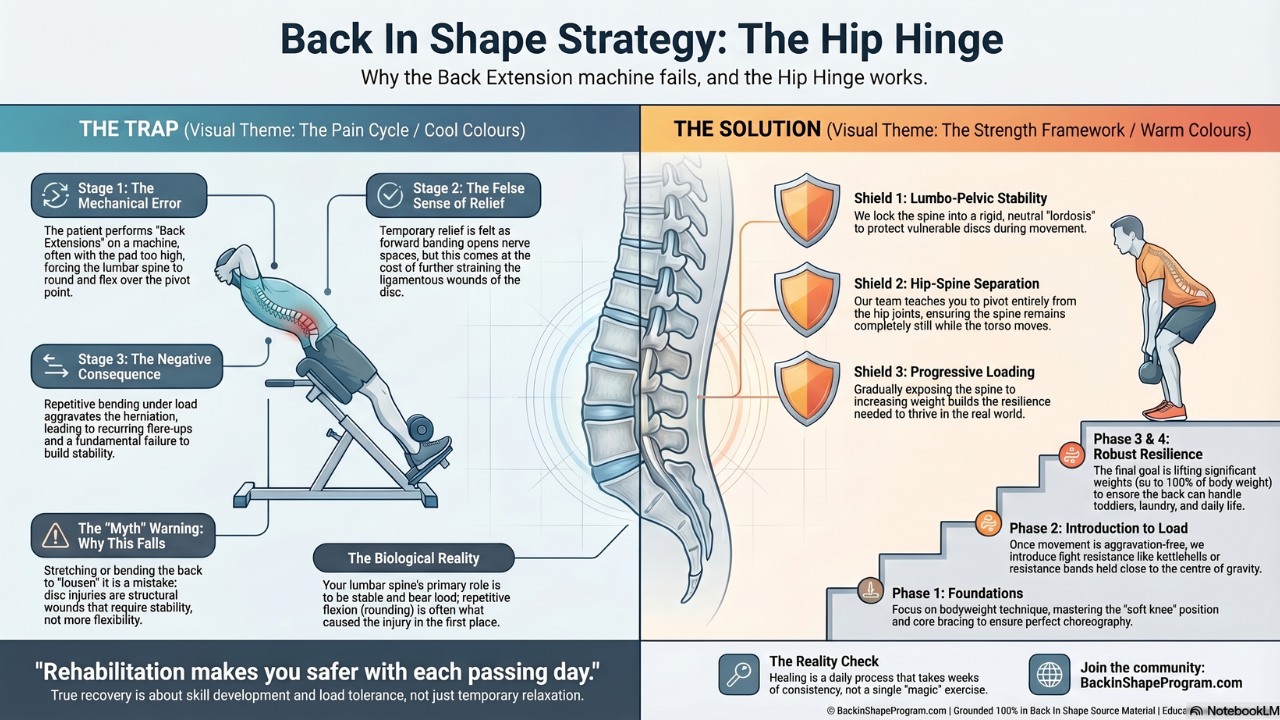
- Bad form risk: Using an inversion table does not replace correct exercise technique. Lifting with poor form still causes injury.
Always check with a healthcare provider if you have medical conditions. I once used too steep an angle for two minutes and felt dizzy for several minutes, which taught me to start slow and monitor how I feel.
How to use an inversion table safely for recovery
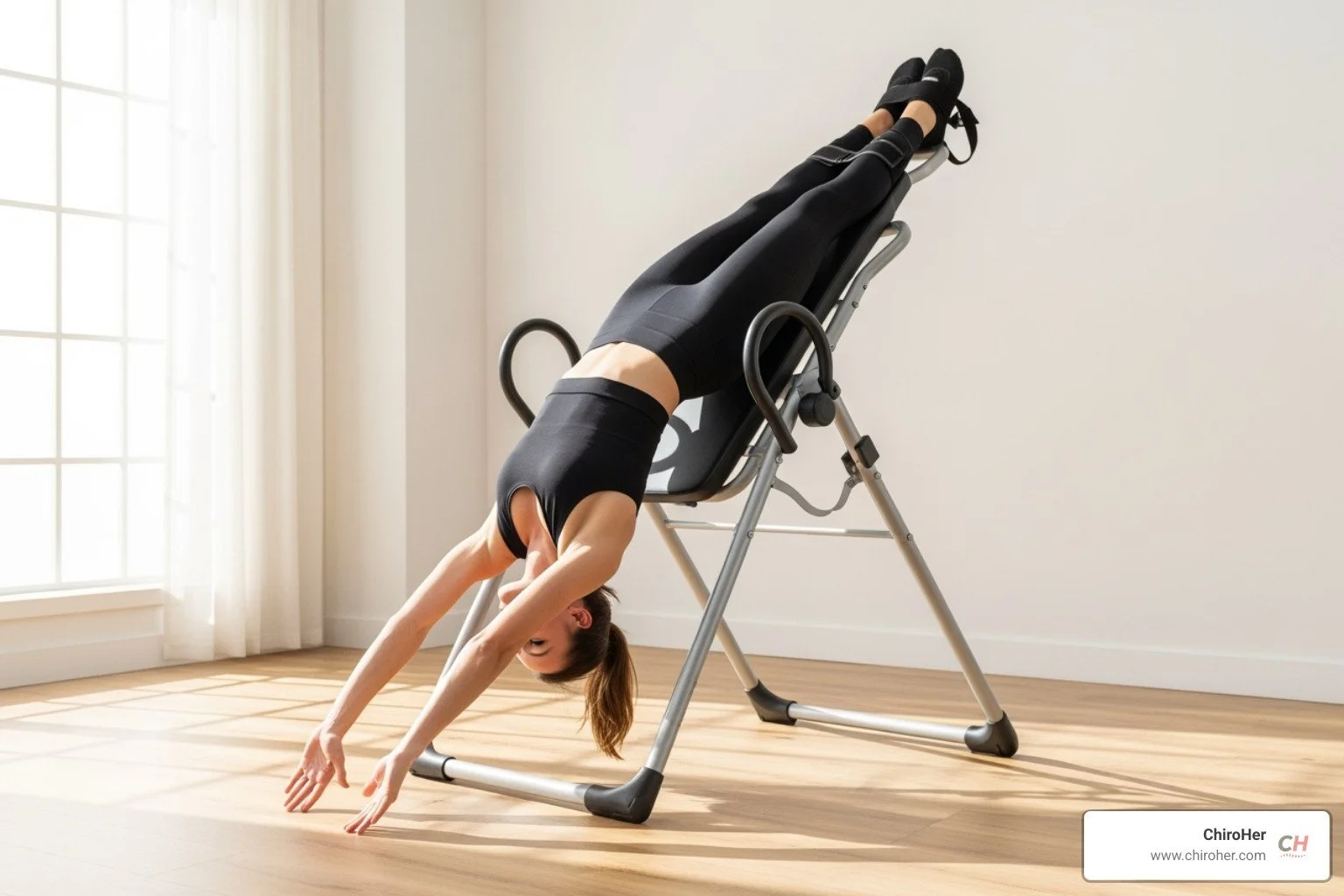
- Start slow: Begin at 20–30 degree angles for 1 minute.
- Progress gradually: Increase to 45 degrees, then up to 60–70 degrees if comfortable. Keep sessions under 5 minutes initially.
- Breathe slowly: Avoid holding your breath; breathe gently to avoid spikes in blood pressure.
- Use a spotter if new: Have someone nearby to help return you to upright position.
- Combine with recovery: Do gentle stretches and hydrate after inversion sessions.
- Avoid immediately after heavy meals or alcohol.
- Monitor symptoms: Stop if you feel severe pain, chest tightness, or extreme dizziness.
A typical protocol I use after a hard workout: 60–90 seconds at 30–40 degrees, then 30 seconds at near-vertical for 30 seconds, then upright for a minute. Repeat once. This felt restorative without side effects.
Practical tips and routines
- Post-lift routine for strength athletes: Foam roll for 5 minutes, invert 60–90 seconds at 30 degrees, gentle hip and hamstring stretches.
- Runner cooldown: Walk 5 minutes, invert 60 seconds at 20–30 degrees, calf and IT band stretches.
- Mobility session: 2–3 short inversion sets (45–60 seconds), interspersed with core breathing exercises.
- Frequency: 2–4 times per week as needed. Not necessary daily for most people.
Always keep sessions short and test how you feel the next day. If back pain worsens, stop using inversion tables and consult a professional.

Alternatives and complementary recovery methods
- Foam rolling: Targets fascia and muscle knots directly.
- Static and dynamic stretching: Improves range of motion and reduces stiffness.
- Active recovery: Light cycling or walking boosts blood flow and metabolite clearance.
- Cold therapy and contrast baths: Help with inflammation and soreness control.
- Soft tissue work: Massage or trigger point therapy can address localized tightness.
Use inversion tables as a complement, not a single solution. Combining methods often yields better recovery than one method alone.
Personal experience, lessons learned, and common mistakes
I started inversion tables after chronic low back tightness from heavy squats. I found them useful for immediate relief and for resetting posture. Key lessons:
- Mistake: Going full inversion too soon. That caused dizziness and ended the session early.
- Lesson: Small angles and short times work best at first.
- Mistake: Treating inversion as a cure for all soreness. It helped back stiffness but did not cure hamstring or quad DOMS.
- Tip: Pair inversion with breathing and gentle core activation to reduce muscle guarding.
These experiences shaped practical, safe routines that I still use when my back feels compressed after training.
Who should avoid inversion tables
- People with uncontrolled high blood pressure or heart disease.
- Anyone with a history of stroke or aneurysm.
- Those with glaucoma or detached retina risk.
- Pregnant people.
- Individuals who feel severe vertigo or faintness during inversion.
If you have doubts, get clearance from your doctor before trying an inversion table.
How to evaluate whether inversion tables help your recovery
- Track symptoms: Record pain and stiffness levels before and after sessions.
- Use short trials: Try 2–4 weeks of controlled use and measure change.
- Compare with other methods: Alternate weeks using foam rolling or ice to see which helps more.
- Ask a professional: A physical therapist can assess if inversion therapy suits your condition.
Small, consistent data points will tell you if inversion tables deserve a place in your recovery plan.
Frequently Asked Questions of Can inversion tables help with recovery after exercise
Are inversion tables good for muscle recovery after a workout?
Inversion tables may help reduce spinal compression and stiffness, which can feel restorative after heavy lifting. They do not directly speed muscle fiber repair, so combine them with sleep, nutrition, and active recovery.
How long should I stay inverted after exercise?
Start with 60–90 seconds at a mild angle and work up to 3–5 minutes maximum per session. Short, frequent sessions are safer and often more effective than long hangs.
Can inversion tables reduce DOMS (delayed onset muscle soreness)?
Inversion tables can ease spinal and joint stiffness but have limited evidence for reducing DOMS in muscles. Use them as an adjunct to proven DOMS strategies like light activity and mobility work.
Is it safe to use an inversion table right after intense cardio?
Wait until your heart rate settles. Use a cooldown walk and let breathing normalize before inverting to reduce dizziness and blood pressure spikes.
Will inversion tables fix chronic back pain from exercise?
They may provide short-term relief for some people but are not a guaranteed cure. Chronic pain often needs a comprehensive approach including exercise therapy and professional assessment.
Can I use inversion tables every day?
Some people tolerate daily short sessions. Most benefit from 2–4 sessions per week. Monitor your symptoms and consult a clinician if issues arise.
Conclusion
Inversion tables can help with recovery after exercise for select users by easing spinal compression, reducing stiffness, and promoting a sense of relaxation. They offer short-term relief and pair well with stretching, foam rolling, and active recovery, but they are not a standalone fix for muscle repair or chronic injuries. Start slow, follow safe protocols, and track your response to see if inversion tables fit your recovery toolkit. If you have medical concerns, get clearance from a healthcare professional before trying inversion therapy.
Try a two-week trial with short sessions, measure how you feel, and share your results or questions below. If this guide helped, consider subscribing for more practical recovery tips or leave a comment about your experience with inversion tables.

