
Deciding between boxing and kickboxing can feel like choosing between two powerful punches. Both offer incredible fitness benefits and teach valuable self-defense skills, but they cater to different interests and training styles. If you're curious about which striking art better fits your goals, understanding their fundamental differences is key.
While both involve striking, kickboxing incorporates a wider range of offensive tools. For instance, official kickboxing competitions often adhere to rulesets established by organizations like the World Kickboxing Association (WKA), which permit kicks and punches, unlike boxing's exclusive focus on hand strikes. This distinction profoundly shapes the training and demands of each sport, which we'll explore.

Today's Exclusive Deals
Limited-time Exclusive Deals. Check current discount on Amazon.
Check Price on Amazon As an Amazon Associate I earn from qualifying purchases.Boxing vs Kickboxing
The main difference between boxing and kickboxing lies in the permitted strikes. Boxing exclusively uses punches, emphasizing hand speed, power, defense, and intricate footwork to outmaneuver an opponent. Kickboxing, however, expands the arsenal to include kicks from the knee down, along with punches, offering a more versatile and dynamic range of offensive and defensive techniques.
The Core Differences: What Sets Boxing and Kickboxing Apart?
At its heart, boxing is a highly refined art of punching. Every movement, from your jab to your cross, is geared towards delivering effective strikes with your hands while simultaneously evading or blocking your opponent's. It's about precision, timing, and managing distance using only upper-body power and agility.
Kickboxing, on the other hand, brings in the legs. This means you're not just dealing with punches flying at your head; you also have to defend against kicks aimed at your legs, torso, and even head, depending on the specific ruleset. This adds a significant layer of complexity to defense and opens up a whole new world of offensive strategies, making it a full-body combat experience.
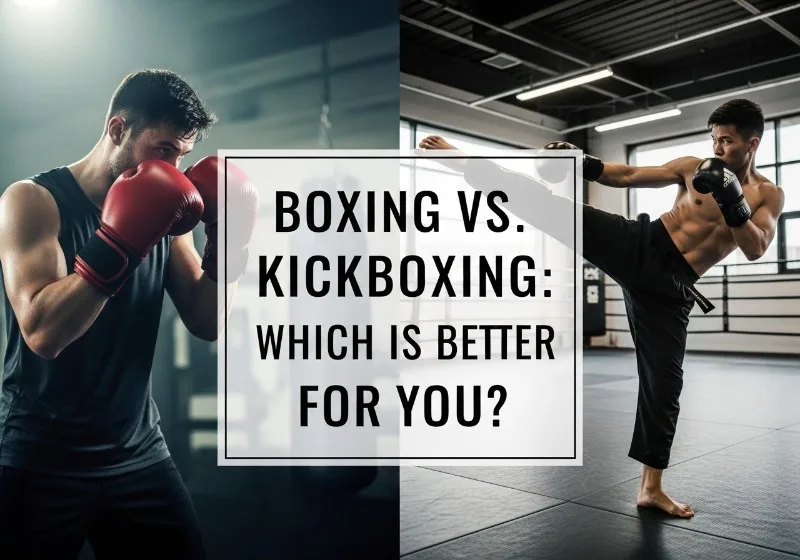
Image source: Web (Bing) / bestboxinggloves.net (Web image (fair-use with source credit))
What's Actually Involved in Training?
Training for both boxing and kickboxing is intense, demanding serious dedication and conditioning. However, the specific drills and focus areas differ considerably due to the distinct techniques involved.
Boxing Training Breakdown
Boxing training is all about mastering the art of the punch. You'll spend a lot of time working on your jab, cross, hook, and uppercut, honing their power, speed, and accuracy. Defense is equally crucial, involving slipping punches, rolling with them, blocking, and maintaining a solid stance to absorb impact.
Footwork is paramount, as it dictates your ability to create angles, evade attacks, and set up your own offense.
- Shadow Boxing: Practicing techniques and footwork in the air.
- Pad Work: Working with a trainer holding pads to develop combinations and timing.
- Heavy Bag Work: Building power, endurance, and practicing striking combinations.
- Sparring: Controlled practice rounds with a partner to simulate real fight conditions.
- Conditioning: Roadwork, jump rope, and strength training for stamina and power.

Image source: Web (Bing) / gloves360.com (Web image (fair-use with source credit))
Kickboxing Training Breakdown
Kickboxing training integrates punches with kicks. So, alongside the boxing elements, you'll learn to execute various kicks like front kicks, roundhouse kicks, and side kicks. Defense also expands to include checking kicks, blocking them with your shins, and maintaining balance while throwing kicks.
The footwork needs to accommodate both punching and kicking ranges, often requiring more movement and dynamic adjustments.
- Punching Drills: Similar to boxing, focusing on hand combinations and defense.
- Kicking Drills: Practicing various kicks on pads, heavy bags, and with partners.
- Combination Sparring: Working on seamlessly blending punches and kicks.
- Clinch Work (in some styles): Holding and striking within a close range, depending on the ruleset.
- Conditioning: Similar to boxing, but often with more emphasis on leg strength and flexibility.

Image source: Bing (Web (fair-use with source credit))
Key Benefits: What Do You Gain?
Both boxing and kickboxing offer fantastic physical and mental rewards. They're not just about fighting; they're powerful tools for self-improvement. The specific benefits might lean one way or the other depending on your preferences.
Benefits of Boxing
- Cardiovascular Health: Boxing is a phenomenal cardio workout, boosting endurance and strengthening your heart.
- Full-Body Engagement: While focused on hands, it uses your core, legs, and shoulders extensively.
- Coordination and Balance: Mastering footwork and head movement sharpens your spatial awareness.
- Stress Relief: Punching a bag or sparring can be an incredibly cathartic way to release tension.
- Mental Discipline: The focus required for training and sparring builds mental toughness.
Benefits of Kickboxing
- Comprehensive Fitness: Combines the benefits of boxing with the added challenge of leg strikes for a truly complete workout.
- Enhanced Flexibility and Agility: Learning and executing kicks requires and improves flexibility and dynamic balance.
- Full-Body Power: Develops explosive power throughout your entire body, from your legs to your arms.
- Improved Self-Defense: The broader range of strikes can be more applicable in certain self-defense scenarios.
- Problem-Solving Skills: Constantly adapting to an opponent using multiple types of strikes sharpens strategic thinking.
Potential Downsides: What Are the Risks?
It's important to be realistic about the potential risks associated with any combat sport. Both boxing and kickboxing carry inherent dangers if not practiced safely and under proper supervision.
Downsides of Boxing
- Head Trauma: Repeated blows to the head, even in training, carry risks. Per USA Boxing guidelines, proper headgear and rules are in place to mitigate this, but the risk isn't eliminated.
- Hand and Wrist Injuries: Fractures and sprains are common due to the repetitive impact of punching.
- Shoulder and Elbow Issues: Overuse can lead to strains or tendinitis.
- Requires Dedicated Equipment: Good quality boxing gloves, hand wraps, and often a mouthguard are essential.
Downsides of Kickboxing
- Higher Injury Potential (Broader Range): Because kicks are involved, there's a wider range of potential injuries, including knee, ankle, and shin injuries, in addition to hand, wrist, and head impacts.
- More Complex Technique: Mastering both punches and kicks requires more time and coordination.
- Leg Injuries: Kicks can lead to sprains, fractures, and bruises on the shins and feet.
- Requires More Space: Kickboxing training, especially with movement and kicks, can sometimes feel more expansive than boxing.
Who Are Boxing and Kickboxing Best For?
Choosing between boxing and kickboxing often comes down to what you want to get out of your training. If your primary focus is on hand-to-hand combat, mastering intricate punching techniques, and developing defensive head movement, boxing might be your best bet. It’s also excellent if you're interested in a sport with a long, storied history and a clear competitive structure centered solely on punches.
On the other hand, if you're looking for a more versatile striking art that incorporates dynamic kicks alongside punches, kickboxing is likely the better fit. It demands greater overall body coordination and flexibility. People interested in learning a broader range of self-defense applications or those who enjoy the challenge of managing different ranges of attack and defense often gravitate towards kickboxing.
Consider your personal preferences for movement and striking tools.
Ideal For: Boxing Enthusiasts
Boxing is fantastic for individuals who want to develop lightning-fast hands, incredible core strength, and superior defensive reflexes. It’s ideal for those who enjoy the challenge of out-thinking and out-maneuvering an opponent using only punches and sophisticated footwork. Many find the pure focus of boxing to be incredibly rewarding, allowing for deep mastery of a specific skill set.
It's also a great choice if you're drawn to the historical prestige and disciplined nature of the sport.
If you’ve ever been intrigued by the incredible hand speed of professional boxers or enjoy sports that demand intense focus and strategic thinking, boxing training could be perfect for you. It’s also a solid option if you’re looking to build a powerful physique with an emphasis on upper body strength and core stability. For a comprehensive look at conditioning, check out our guide on best muscle group combinations to workout together.
Ideal For: Kickboxing Aspirants
Kickboxing appeals to those who want a well-rounded striking experience that utilizes both hands and feet. If you’re looking for a dynamic workout that improves flexibility, agility, and power across your entire body, kickboxing delivers. It’s suitable for individuals who enjoy the challenge of defending against and executing a wider variety of attacks.
This makes it a popular choice for practical self-defense training, as it incorporates more movement patterns.
Anyone drawn to the excitement of dynamic kicks and the strategy of blending punches and kicks will likely thrive in kickboxing. It's also a great option if you're aiming for a high-intensity, full-body conditioning routine that builds both strength and stamina. Learning to manage different ranges of combat, from boxing distance to kicking distance, is a unique skill kickboxing hones exceptionally well.
Common Mistakes to Sidestep
When you're starting out in either boxing or kickboxing, it's easy to make common errors that can slow your progress or even lead to injury. One of the most frequent mistakes is neglecting proper warm-ups. Skipping this crucial step can leave your muscles unprepared, increasing the risk of strains or pulls.
Our research indicates that a thorough dynamic warm-up is vital before any intense striking activity.
Another pitfall is focusing too much on power too soon. Beginners often try to hit the heavy bag as hard as possible without developing proper technique. This can lead to developing bad habits and potential injuries.
For both boxing and kickboxing, mastering the fundamentals like stance, footwork, and controlled striking is far more important than sheer force in the early stages. Developing solid fundamentals can help you avoid issues similar to what are the most common deadlift mistakes.
Here are a few more common errors to watch out for:
- Poor Guard: Letting your hands drop too low or leaving your chin exposed.
- Stiff Movement: Being too rigid instead of fluid and adaptable.
- Not Breathing Correctly: Holding your breath during exertion, which reduces power and stamina.
- Over-reliance on Kicks (Kickboxing): Forgetting your hands or neglecting to mix punches into your combinations.
- Punching with Straight Wrists: This can lead to wrist injuries.
Frequently Asked Questions About Boxing vs. Kickboxing
Is kickboxing harder than boxing?
Whether kickboxing is harder than boxing depends on your perspective and what you're measuring. Kickboxing involves more complex movements, including kicks, which can increase the cardiovascular demand and require greater flexibility and coordination. However, boxing demands exceptional precision and defensive nuance within a more limited range of motion, which some find more challenging.
Both are incredibly demanding sports that require significant dedication to master.
Can I learn self-defense from boxing or kickboxing?
Yes, absolutely. Both disciplines offer highly effective self-defense skills. Boxing teaches you how to defend yourself with punches, slip and block attacks, and maintain your awareness in close quarters.
Kickboxing adds the dimension of kicks, giving you more options for distance management and defense against a wider variety of potential threats. For practical applications, understanding how to improve your deadlift form can translate to better body control in a defensive situation, though the sports themselves are quite different.
Which sport is better for weight loss?
Both boxing and kickboxing are excellent for weight loss because they provide intense, full-body cardiovascular workouts that burn a significant number of calories. The effectiveness for weight loss often comes down to consistency, intensity, and your overall diet. Kickboxing might have a slight edge for some due to the increased range of motion and involvement of larger muscle groups in kicking, but a dedicated boxer training five times a week will also see substantial results.
Can I do both boxing and kickboxing?
Many fighters and fitness enthusiasts train in both disciplines. Learning elements of each can create a more versatile striking skill set. For instance, a kickboxer can incorporate boxing techniques to improve their hand game, while a boxer might benefit from learning basic kicks to add an element of surprise.
It’s common to see training programs that blend aspects of both, especially in mixed martial arts (MMA) preparation.
Do I need to be in great shape to start?
No, you don't need to be in peak physical condition to start training in either boxing or kickboxing. These sports are excellent ways to get in shape. Most gyms and training facilities offer beginner classes designed to ease new students into the fundamentals.
You'll build strength, endurance, and coordination through consistent training. The key is showing up and putting in the effort, regardless of your current fitness level.
Making Your Choice: A Final Verdict
Ultimately, the "better" choice between boxing and kickboxing depends entirely on your personal goals, preferences, and what you find most engaging. If you're drawn to the pure, sharp art of punching, the strategic depth of upper-body combat, and the rich history of the sport, boxing is a fantastic path. It hones your hands, footwork, and defensive instincts to an incredibly fine edge.
If, however, you crave a broader martial art that incorporates powerful kicks along with punches, demanding greater flexibility, agility, and a wider range of offensive and defensive tools, then kickboxing might be calling your name. Both will give you an incredible workout, build confidence, and teach you valuable physical and mental discipline. Consider trying an introductory class in each if possible to see which one resonates most with you.
Your journey into striking arts can be incredibly rewarding, no matter which you choose.

