
So, you're wondering if you can just grab your basketball kicks for a jog or your running shoes for a pickup game, right? It’s a super common question, and honestly, the answer is pretty straightforward once you get the gist of it. While they both look like shoes and go on your feet, they're designed with totally different jobs in mind.
Think of it like using a screwdriver to hammer a nail, it might work in a pinch, but it's not what it's made for, and you're likely to mess something up.

Today's Exclusive Deals
Limited-time Exclusive Deals. Check current discount on Amazon.
Check Price on Amazon As an Amazon Associate I earn from qualifying purchases.At their heart, running shoes and basketball shoes are crafted to handle very specific types of stress and movement. That’s where the magic (and the potential for injury if you mix them up) lies. Manufacturer specifications confirm that running shoes are built for forward motion, absorbing impact, and cushioning your stride mile after mile, while basketball shoes offer stability and grip for explosive, multi-directional court action.
Running Shoes vs Basketball Shoes
Running shoes are designed for linear motion and shock absorption, while basketball shoes prioritize lateral support and quick changes of direction. Wearing the wrong type of shoe can lead to discomfort, reduced performance, and potential injury. This guide breaks down the key differences to help you choose wisely.
Why They're Not Interchangeable: The Core Distinction
The fundamental difference between running shoes and basketball shoes lies in the biomechanics they're engineered to support. Running is a predominantly forward, impact-heavy activity. Your foot strikes the ground, absorbs shock, and pushes off repeatedly in a straight line.
Basketball, conversely, is a dynamic sport involving explosive jumps, quick stops, sharp cuts, and pivots. These movements place very different stresses on your feet and ankles. Understanding this core distinction is key to preventing injuries.
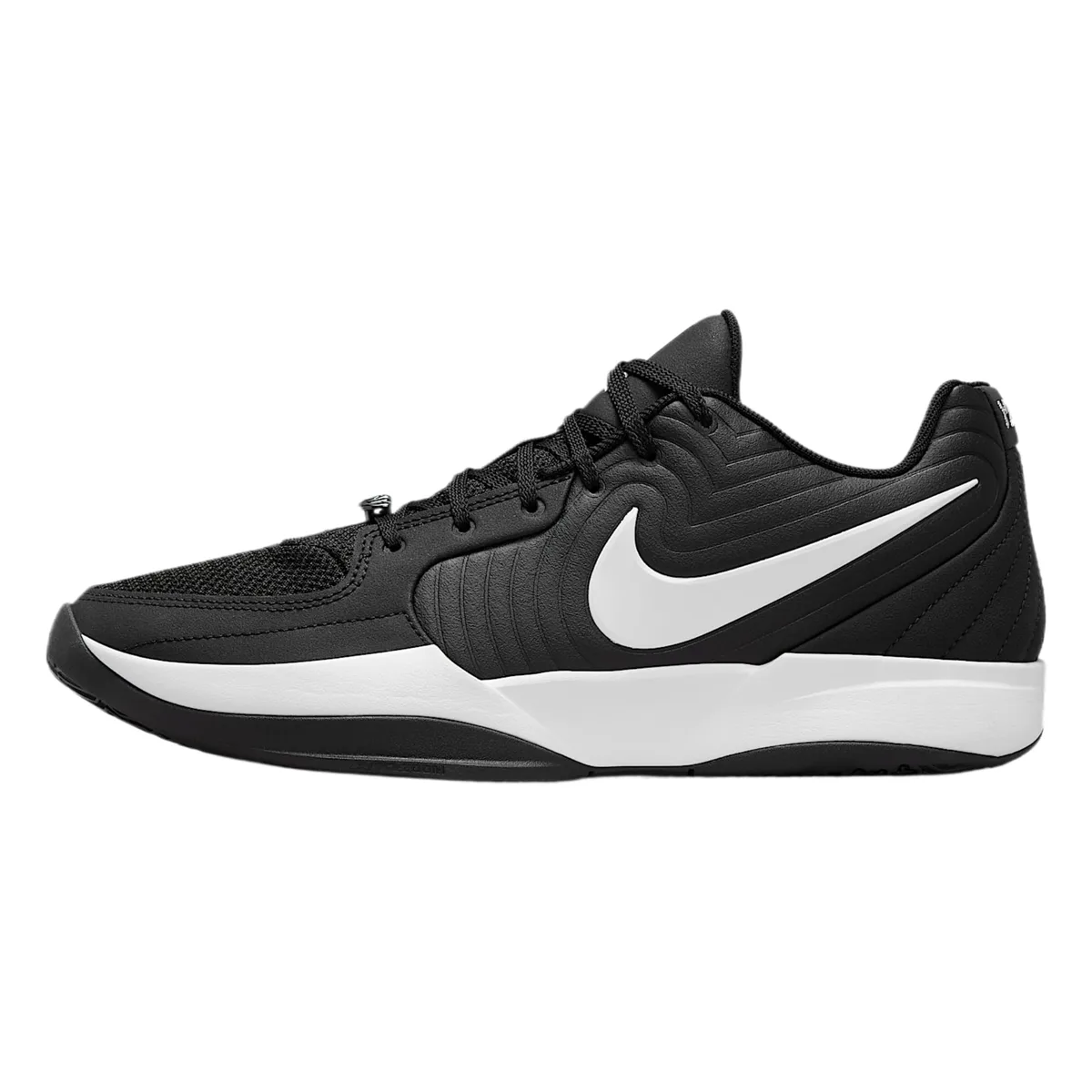
Image source: Web (Bing) / manuals.plus (Web image (fair-use with source credit))
Key Design Differences: Cushioning, Support, and Sole
When you look at these shoes up close, the design differences become very apparent. Each element serves a specific purpose related to the demands of the sport.
Cushioning for the Long Haul vs. Explosive Power
The type and amount of cushioning in athletic footwear significantly impact comfort and performance. Running shoes focus on absorbing repetitive impact, while basketball shoes offer a firmer feel for responsiveness.
- Running Shoes: Feature generous cushioning, particularly in the heel and forefoot. This is crucial for dissipating the shock that travels up your legs with every stride. Over many miles, this cushioning helps reduce fatigue and the risk of stress fractures. Manufacturer specifications often highlight specific foam densities and air or gel inserts designed for maximal impact absorption. For example, some advanced running shoe midsoles can compress and rebound millions of times.
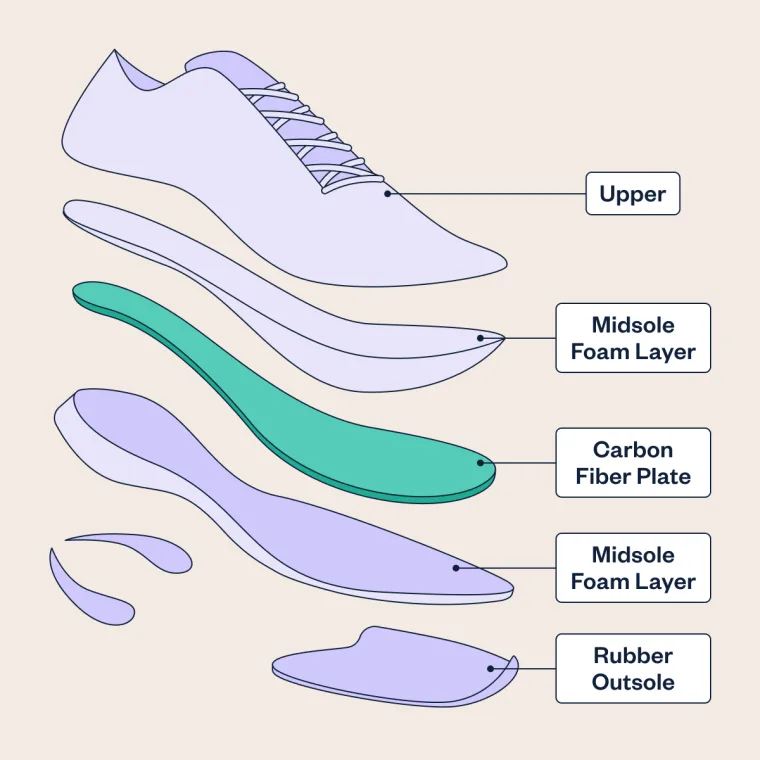
Image source: Web (Bing) / nbcnews.com (Web image (fair-use with source credit))
- Basketball Shoes: Have cushioning that’s often firmer and more responsive. While shock absorption is still a factor for jumps, the primary goal is to provide a stable platform that doesn’t compress too much during quick movements. This responsiveness translates into better energy return for jumps and a more grounded feel for cuts. You won't find the same plush, sink-in feel as in many running shoes.
Ankle Support: Linear Motion vs. Lateral Cuts
Ankle stability is paramount in sports, but the way it's achieved differs drastically between running and basketball.
- Running Shoes: Are almost exclusively low-cut. This design allows for the natural flexion and extension of the ankle joint required for an efficient running gait. High-top designs would hinder this natural motion and aren't necessary for the linear forces experienced in running.
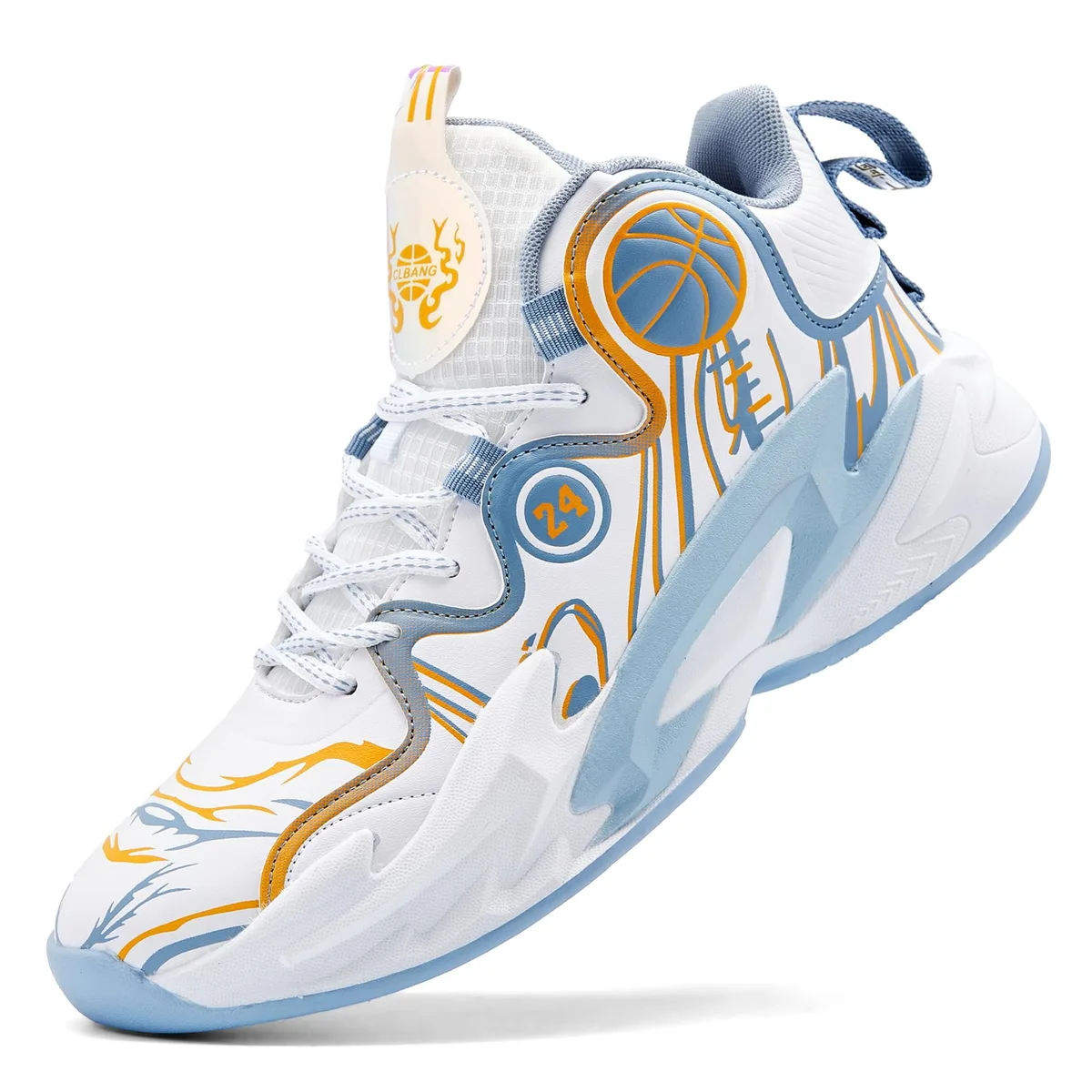
Image source: Web (Bing) / walmart.com (Web image (fair-use with source credit))
- Basketball Shoes: Frequently come in mid-top or high-top designs. This extended upper provides crucial support around the ankle, helping to prevent sprains during sudden stops, pivots, and lateral movements. The collar wraps snugly to offer a secure fit that limits excessive ankle rolling. This is a critical feature for court sports, where ankle injuries are common.
Outsole Traction: Where You'll Be Playing
The bottom of the shoe, the outsole, is engineered for specific surfaces and movements, dictating grip and flexibility.
Running Shoes: The outsole is designed for consistent traction on surfaces like asphalt, concrete, or packed trails. They typically feature flatter, more flexible patterns that allow the foot to roll smoothly from heel to toe. Some trail running shoes might have deeper lugs for grip on uneven terrain, but the overall pattern remains focused on forward momentum.
Basketball Shoes: Boast aggressive, multi-directional tread patterns. Their primary job is to provide maximum grip on polished indoor court surfaces, preventing slippage during explosive actions. Think of the patterned rubber as an anchor, allowing you to change direction instantly without losing your footing. These outsoles are often less flexible than those on running shoes, contributing to their overall stability.
Can You Really Not Wear One for the Other?
You might be tempted to save a buck or simplify your gear by using one pair for everything. However, our research, alongside manufacturer guidelines, strongly advises against this. The specialized designs are there for good reasons, primarily to protect you.
Why Running Shoes Don't Cut It for Basketball
If you’ve ever tried playing basketball in running shoes, you’ve likely noticed they feel wrong. That’s because they lack the fundamental features needed for court play. The soft, yielding cushioning isn't designed for the demands of jumping and landing repeatedly, potentially leading to impact-related discomfort.
More critically, the limited ankle support leaves you highly vulnerable to ankle sprains during lateral movements and sharp cuts. Furthermore, the outsole’s traction pattern isn’t optimized for hardwood, increasing the risk of slips and falls. Wearing them for basketball is like trying to build a house with just a hammer, you're missing essential tools and increasing the chance of structural failure.
Why Basketball Shoes Struggle for Running
Conversely, wearing basketball shoes for running is equally problematic, though perhaps less immediately obvious. Their inherent stiffness and often heavier build make them inefficient for the natural, rhythmic motion of running. The ample ankle support, which is a plus on the court, can restrict the natural range of motion your ankle needs for a comfortable and efficient stride.
This can lead to altered gait mechanics and potential discomfort or even injury over longer distances. While they offer cushioning, it's often tuned for responsiveness rather than the sustained shock absorption required for mileage. Imagine trying to sprint in hiking boots; it's doable for a few steps, but not sustainable or optimal.
Who Needs What: Matching Shoes to Your Activity
Choosing the right footwear is all about aligning the shoe's design with the specific demands of your chosen activity. This isn't just about comfort; it’s about performance, injury prevention, and making the most of your effort.
Best Footwear for Runners
Runners, whether you're hitting the pavement for a 5k or tackling trails for an ultramarathon, need shoes built for repetitive, forward-motion impact. Key features to look for include substantial cushioning to absorb shock, a flexible midsole that allows for a natural heel-to-toe roll, and a breathable upper to keep your feet cool over long distances.
- Cushioning: Prioritize shoes with ample midsole cushioning. The amount needed can vary based on your body weight and the type of running you do. Lighter runners or those doing short, fast runs might prefer less cushioning for better responsiveness, while heavier runners or those tackling marathons often benefit from maximum shock absorption.
- Flexibility: The shoe should bend naturally with your foot. You can test this by holding the heel and toe and gently trying to bend the shoe. It should flex at the ball of the foot, not in the middle of the arch.
- Fit: A proper fit is crucial. Ensure there's about a thumb's width of space between your longest toe and the end of the shoe. The heel should feel secure, and the midfoot should be snug without being tight.
- Drop: This refers to the height difference between the heel and the forefoot. A higher drop (10-12mm) can be beneficial for runners who tend to land heavily on their heels, while a lower drop (0-4mm) suits those with a more midfoot or forefoot strike.
Many running shoe manufacturers, such as ASICS and Brooks, offer detailed guides on selecting the right model based on foot type, gait, and desired cushioning level.
Best Footwear for Basketball Players
Basketball players require shoes that offer a combination of support, stability, and traction for quick, multidirectional movements. The emphasis is on providing a secure base for explosive actions and protecting the ankles from the stresses of the game.
- Ankle Support: High-top or mid-top designs are generally recommended. These collars help stabilize the ankle joint, reducing the risk of sprains during lateral cuts, jumps, and landings. Look for padded collars that offer a snug, comfortable fit.
- Traction: The outsole needs to provide excellent grip on court surfaces. This is achieved through durable rubber compounds and specific tread patterns designed to bite into the floor, allowing for quick stops and sharp changes in direction without slipping.
- Midsole Responsiveness: While cushioning is important for impact, basketball shoes often feature firmer, more responsive midsoles. This provides a stable platform for jumping and quick bursts of speed, offering better energy return than the super-plush cushioning found in many running shoes.
- Durability: Basketball involves a lot of stop-and-go, pivoting, and sometimes contact. The materials used in basketball shoes are typically robust to withstand these stresses and provide long-lasting performance.
Brands like Nike and Adidas are well-known for their basketball shoe lines, often incorporating advanced cushioning technologies and support structures tailored for the sport. You can see specific designs like the Jordan Brand's Air Jordan series or Nike's LeBron line that highlight these features.
Mistakes to Avoid When Choosing Sport-Specific Shoes
Making the wrong choice can lead to discomfort, reduced performance, and, most importantly, injury. Here are some common blunders to steer clear of.
- Using Running Shoes for Court Sports: As we’ve discussed, running shoes lack the lateral support and ankle stability needed for basketball, significantly increasing your risk of sprains. Their softer cushioning may also feel unstable for quick cuts.
- Using Basketball Shoes for Running: The stiffness, weight, and specific ankle support of basketball shoes can hinder a runner's natural gait, leading to inefficiency and potential discomfort over distance. They aren't built for the sustained shock absorption required for mileage.
- Ignoring Fit: Regardless of the sport, a poor fit is a recipe for disaster. Shoes that are too tight can cause blisters and nerve issues, while those too loose allow your foot to slide, leading to instability and potential injuries. Always ensure there's adequate room in the toe box and a secure heel lock.
- Assuming All Shoes Are the Same: It's tempting to think one athletic shoe can do it all, but this is a misconception. Each sport has unique demands, and footwear technology is tailored to meet those specific needs. Generic "cross-trainers" might offer a middle ground for very light activity, but they are not ideal for dedicated running or basketball.
- Prioritizing Style Over Function: While aesthetics matter, the primary function of sport-specific shoes is performance and safety. Don't choose a shoe purely because it looks good; ensure it’s built for the activity you intend to do.
FAQs: Your Burning Questions Answered
Can I wear my running shoes for casual walking?
Yes, you generally can wear running shoes for casual walking. They offer good cushioning and comfort for everyday activities. However, they might not be as durable for constant walking as dedicated walking shoes.
Are basketball shoes good for gym workouts?
Basketball shoes can be suitable for some gym workouts, especially those involving lateral movements or quick changes of direction. However, for activities like weightlifting, where maximum stability is needed, specialized weightlifting shoes or even flat-soled training shoes might be a better choice.
How long should athletic shoes last?
The lifespan of athletic shoes varies depending on the type, usage, and activity. Running shoes typically last between 300 to 500 miles (about 480 to 800 kilometers) of running, or 6 to 12 months for moderate use. Basketball shoes, due to their more robust design and less consistent wear, can last longer, often 1 to 2 years of regular play.
Check for visible wear and tear, such as compressed cushioning or worn-out treads.
Final Recommendation: Stick to the Sport-Specific Shoe
When it comes down to it, the best advice is simple: use the right tool for the job. Running shoes are engineered for the demands of distance running, providing necessary cushioning and flexibility for forward motion. Basketball shoes are built for the explosive, multidirectional movements of the court, offering superior ankle support and traction.
Trying to make one shoe do the work of both increases your risk of injury and compromises your performance. By selecting footwear specifically designed for your activity, you're investing in your comfort, your ability to perform at your best, and your long-term physical well-being.

