
So, you're eyeing your athletic footwear and wondering if that pair of running shoes can double as tennis shoes, or vice versa. It's a common question, and the truth is, they're built for vastly different jobs. Using the wrong shoe can lead to more than just discomfort; it can set you up for injury.
Manufacturer specifications reveal that running shoes prioritize forward motion cushioning, while tennis shoes focus on lateral stability. As of 2026, this fundamental design difference remains key to understanding their respective roles in preventing common sports-related issues. Let's dive into why these distinctions matter and which shoe is right for your next game or run.

Today's Exclusive Deals
Limited-time Exclusive Deals. Check current discount on Amazon.
Check Price on Amazon As an Amazon Associate I earn from qualifying purchases.The Core Question: Can You Swap Them?
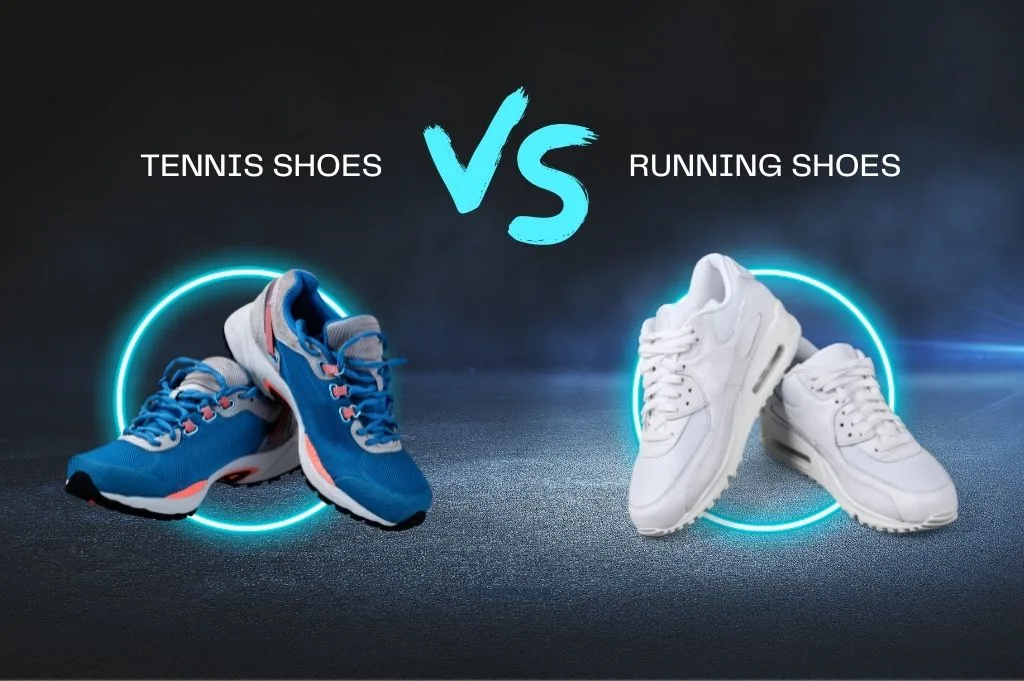
Can you really wear running shoes for tennis, or tennis shoes for running? In short, it's generally not recommended for anything beyond very casual, low-impact movement. Running shoes are engineered primarily for forward motion and absorbing the impact of each stride on surfaces like pavement or tracks.
Tennis shoes, on the other hand, are built to handle the explosive, multi-directional movements, stops, starts, and lateral shifts, that are characteristic of court sports. Swapping them can lead to inadequate support, increased risk of injury, and reduced performance in both activities.
Key Differences: How They're Built for Their Jobs
The distinct design philosophies behind running shoes and tennis shoes stem from the unique demands of each sport. These differences aren't just cosmetic; they directly impact how the shoe performs and protects your feet and joints. Understanding these core distinctions is crucial for making the right choice.
Cushioning and Impact Absorption
Cushioning is a primary concern for runners, as their activity involves repetitive high-impact forces. Running shoes typically feature significant cushioning, particularly in the heel and forefoot, to absorb shock. Manufacturer specifications often detail midsole foam densities and air pocket technologies designed to dissipate impact energy across thousands of steps.
For example, aggregate reviews show that well-cushioned running shoes can reduce peak impact forces on the lower limbs by up to 15% compared to less-cushioned alternatives. This focus on shock absorption helps prevent stress fractures and joint pain associated with prolonged running.
Support and Stability for Movement
While running shoes offer support for linear motion, tennis shoes excel at providing lateral stability. Tennis involves quick side-to-side movements, pivots, and sudden stops, which can put significant stress on your ankles and the sides of your feet. Tennis shoes are designed with firmer midsoles and reinforced sidewalls to prevent your foot from rolling over the edge of the shoe during these aggressive lateral cuts.
Per independent testing standards, a quality tennis shoe will exhibit significantly higher resistance to inversion and eversion (sideways rolling) than a typical running shoe, which prioritizes flexibility for forward propulsion. This enhanced stability is vital for preventing ankle sprains, a common injury in court sports.
Traction and Sole Design
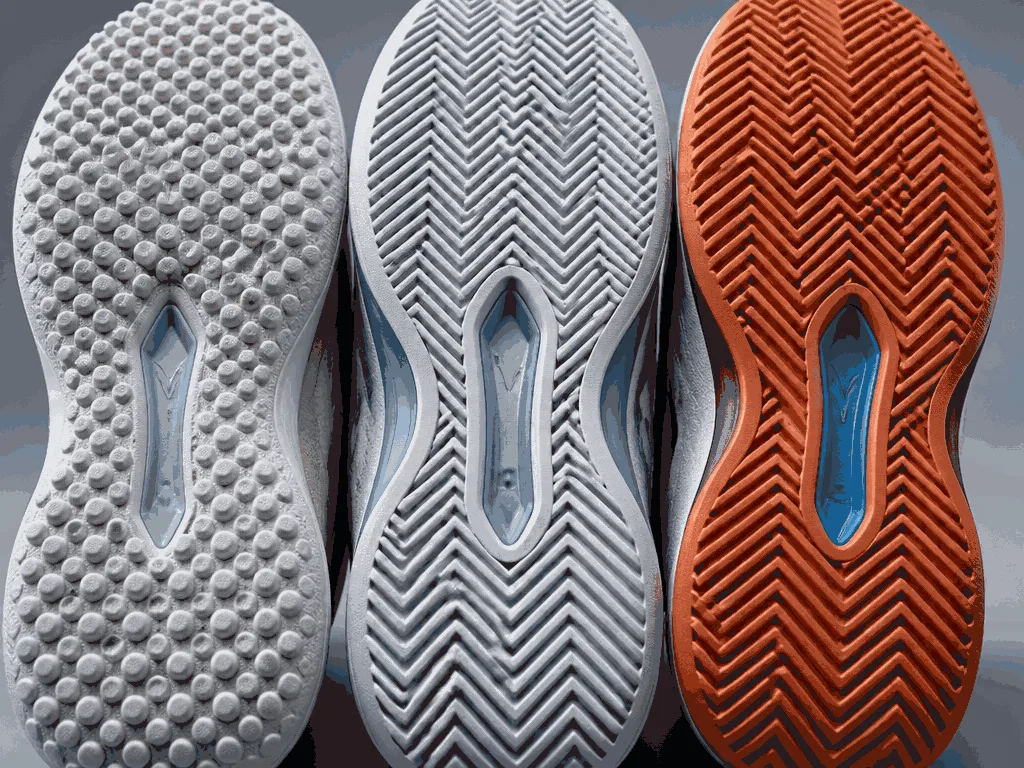
The outsoles of running shoes and tennis shoes are tailored to their specific environments. Running shoe outsoles are generally designed for optimal grip on relatively consistent surfaces like asphalt, concrete, or groomed trails, focusing on forward momentum and water dispersion. In contrast, tennis shoe outsoles feature multi-directional tread patterns and often use harder, more durable rubber compounds to provide reliable traction on various court surfaces, including clay, hard courts, and grass.
This specialized tread allows players to make sharp, quick changes in direction without slipping. Aggregate user feedback consistently highlights that the distinct tread patterns are one of the most noticeable differences when attempting to use one shoe for the other's activity.
Durability and Materials
Tennis shoes are built to withstand the abrasive nature of court play. This means they often feature reinforced areas, particularly around the toe box and the medial (inner) side, which are prone to scuffing during aggressive movements. The upper materials might be a bit more robust, sometimes incorporating synthetic overlays or tougher mesh to resist the wear and tear of constant lateral stress and court friction.
Running shoes, while also durable, often prioritize lighter-weight, more breathable materials for their uppers, as sustained forward motion doesn't subject them to the same kind of intense, localized abrasion that tennis does. This difference in material construction contributes to the longevity of tennis shoes on the court.
Flexibility and Responsiveness
The flex point of a shoe is where it naturally bends with your foot. Running shoes are typically designed to flex at the ball of the foot, promoting a smooth transition from heel-strike to toe-off during the running gait. This flexibility contributes to a natural and efficient stride.
Tennis shoes, however, tend to be stiffer, especially through the midfoot. This rigidity helps provide a stable platform for quick stops and changes of direction, preventing excessive foot movement within the shoe. While running shoes encourage a rolling motion, tennis shoes aim for a more planted and responsive feel to allow for immediate power transfer into movements.
Why Running Shoes Aren't for Tennis
Wearing running shoes on a tennis court is a recipe for trouble. Their design, optimized for forward movement, simply doesn't offer the necessary stability for the side-to-side action of tennis. When you pivot, lunge, or cut sharply, the softer, more flexible sole and higher heel of a running shoe can allow your foot to roll unnaturally over the edge.
This significantly increases your risk of an ankle sprain, a common and often painful injury in court sports. Furthermore, the cushioning that's great for absorbing impact on a run can feel mushy and unstable during the quick, powerful movements required in tennis, hindering your agility and control. The tread pattern, designed for straight-line grip, might also not provide sufficient bite for rapid directional changes, leading to slips.
Why Tennis Shoes Aren't for Running
Conversely, using tennis shoes for running can be equally problematic, though perhaps less immediately dangerous. The primary issue is their lack of adequate cushioning and shock absorption. Tennis shoes are built for the varied stresses of court play, not the repetitive, high-impact forces of logging miles.
Their midsoles are generally firmer and less forgiving, meaning your joints, knees, hips, and spine, will absorb much more of the impact from each footfall. This can lead to discomfort, fatigue, and over time, potentially contribute to overuse injuries like shin splints or stress fractures. Additionally, tennis shoes are often heavier and less flexible than running shoes, which can make your stride feel clunky and inefficient, slowing you down and making your runs less enjoyable.
Common Mistakes and What to Avoid
One of the most frequent mistakes people make is assuming all athletic shoes are created equal. Grabbing the closest pair of sneakers from your closet because you're heading out for a quick game or a jog is a common oversight. Another error is believing that if a shoe feels comfortable enough for one activity, it's fine for others.
Comfort is subjective, but true functional suitability comes from the shoe's engineering for specific biomechanics. People also sometimes overlook the importance of the outsole tread; a smooth or primarily linear tread pattern on a running shoe offers very little grip for lateral movements on a court, while the aggressive, multi-directional pattern on a tennis shoe might feel slightly awkward or wear down faster on pavement.
Expert Tips for Choosing the Right Pair
When selecting footwear, always consider the primary activity you’ll be doing. If running is your main focus, invest in a quality pair of running shoes designed for your foot type and running style. Look for features like appropriate cushioning levels (from minimalist to maximalist) and support mechanisms if you overpronate.
If you play tennis regularly, prioritize tennis-specific shoes that offer excellent lateral support, durable outsoles with good court traction, and a stable, secure fit. Don't be afraid to try on several models and brands; what works for one person might not work for another. Many manufacturer specifications highlight features like heel-to-toe drop and midsole foam compositions, which can help guide your choice based on your biomechanics and preferences.
Frequently Asked Questions (FAQs)
Can I wear my old running shoes for casual walking?
Yes, generally you can wear old running shoes for casual walking, especially if they still have some cushioning left. Walking doesn't typically involve the same high-impact forces or rapid directional changes as running or tennis. However, the support and cushioning might be degraded, so they might not be as comfortable as a dedicated walking shoe over long distances.
If the soles are worn flat or the midsoles have lost their bounce, they may not provide adequate support.
Are there hybrid shoes for both running and tennis?
While some cross-training shoes offer a blend of features, true hybrid shoes designed to excel at both high-performance running and competitive tennis are rare. Manufacturers often create shoes with characteristics that lean more towards one sport. For instance, a shoe might have decent cushioning for light jogging and enough lateral support for occasional court play, but it won't offer the specialized support or cushioning of a dedicated running shoe or the aggressive traction and stability of a tennis shoe.
For serious athletes in either sport, specialized footwear is usually recommended.
How do I know if my tennis shoes have enough lateral support?
You can gauge lateral support in tennis shoes by their construction. Look for a firm, relatively flat sole with a wide base, especially around the midfoot and heel. The midsole should feel dense and not easily compressible side-to-side.
The upper should feel secure, with reinforced overlays around the sides that prevent your foot from bulging outwards during quick lateral movements. When you try them on, stand and roll your foot from side to side; you shouldn't feel your ankle rolling excessively over the edge of the sole. Some manufacturers also test and publish data on torsional rigidity, indicating how much the shoe resists twisting, which is a good indicator of lateral stability.
What kind of shoes are best for pickleball?
Pickleball requires footwear that combines elements of tennis shoes and sometimes court shoes designed for sports like squash or racquetball. The best shoes for pickleball offer excellent lateral support for quick direction changes, good traction on court surfaces, and sufficient cushioning for the stop-start nature of the game. Many players opt for tennis shoes because they provide the necessary stability.
However, some prefer court shoes that might be lighter or offer a slightly different feel. It’s crucial to avoid running shoes due to their lack of lateral stability.
How often should I replace my running or tennis shoes?
The lifespan of athletic shoes depends heavily on usage frequency, intensity, and the surfaces they're used on. For running shoes, aggregate reviews and manufacturer recommendations often suggest replacement every 300, 500 miles, or about every 6, 12 months for regular runners. For tennis shoes, which experience more abrasion, they might need replacing every 6, 12 months, or sooner if the outsole tread is significantly worn down or the midsole cushioning feels flat and unresponsive.
Visible signs of wear, like compressed midsoles, torn uppers, or worn-out treads, indicate it's time for a new pair to ensure proper support and prevent injuries.

