
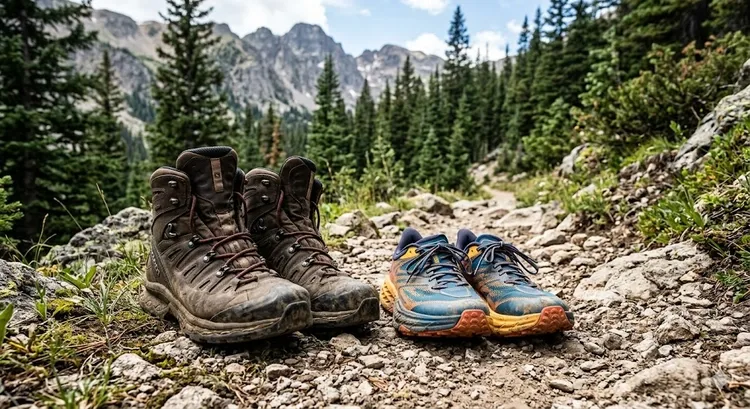
So, you're standing there, wondering about running shoes versus hiking shoes, right? It's a super common question, especially if you're getting into outdoor activities or just want the right gear for your feet. Honestly, while they might look kinda similar at first glance, they're built for totally different jobs.
Using the wrong shoe can really make a difference in how comfortable you are, and sometimes, how safe you are out there.

Today's Exclusive Deals
Limited-time Exclusive Deals. Check current discount on Amazon.
Check Price on Amazon As an Amazon Associate I earn from qualifying purchases.Let's break down what makes each one tick and when you should probably grab one over the other. As of 2026, the variety of specialized footwear continues to expand, but the core distinctions remain vital for performance and injury prevention.
Running Shoes vs Hiking Shoes
These two types of footwear serve distinct purposes. Running shoes are engineered for shock absorption and a smooth stride on firm surfaces, while hiking shoes prioritize stability and protection for varied, uneven terrain. Choosing the right shoe for your activity is key to comfort and preventing injuries.
Running Shoes: Built for Speed and Pavement
Think about runners hitting the road or a track. What's their main concern? Comfort, shock absorption, and a smooth ride.
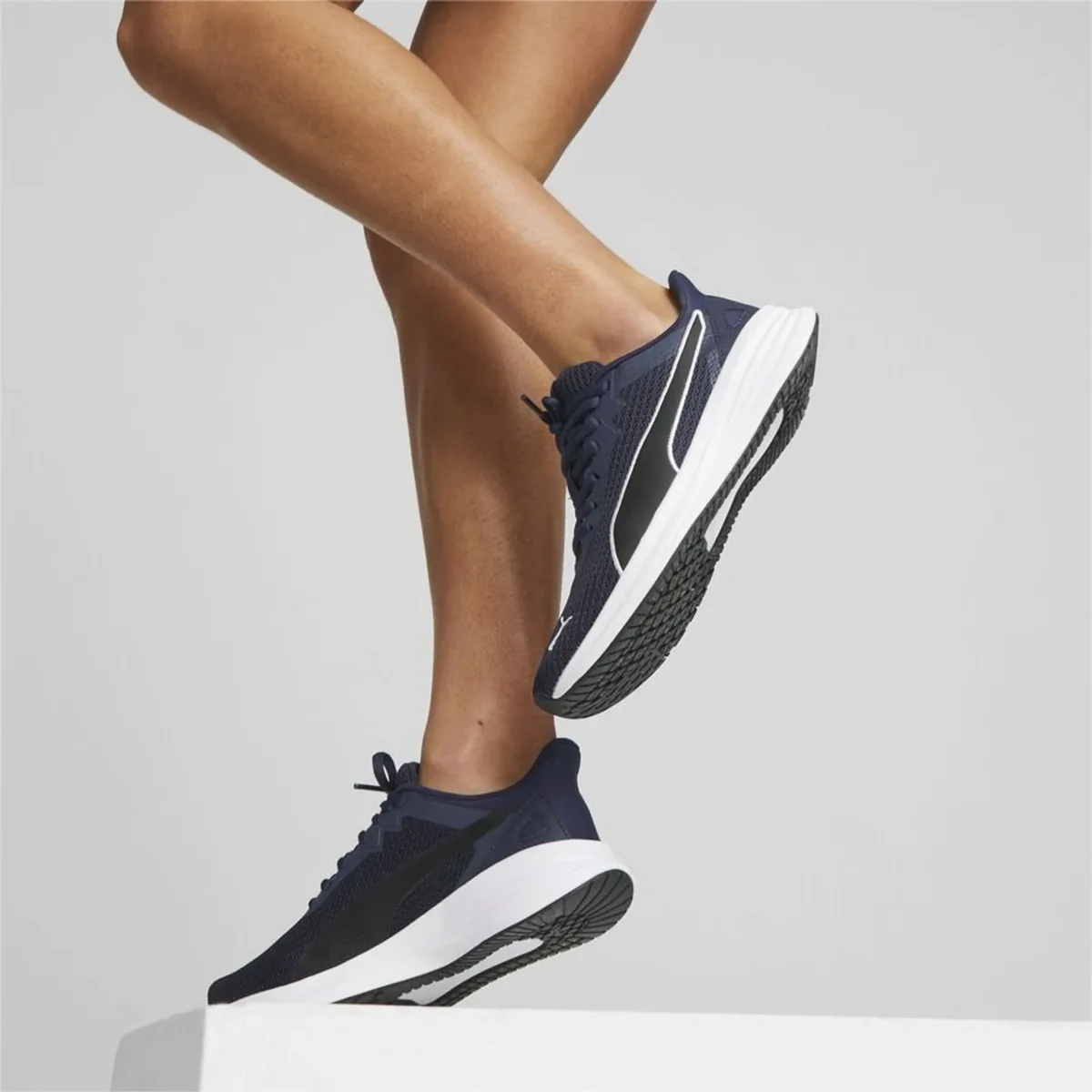
Running shoes are designed with that in mind. They are generally lighter, featuring significant cushioning to absorb impact with every step. This focus on shock absorption helps reduce stress on your joints during repetitive motion.
- Lightweight Design: They're built to be as light as possible so you don't feel weighed down.
- Ample Cushioning: Running shoes have a generous amount of foam in the midsole, particularly in the heel and forefoot, to act as shock absorbers. This helps mitigate the jarring impact that running generates.
- Flexibility: They tend to be more flexible than hiking shoes, allowing your foot to move naturally through the entire running stride, from heel strike to toe-off.
- Breathable Uppers: Most are made with engineered mesh or lightweight synthetic materials to promote airflow and keep your feet cool and dry, especially during longer efforts.
- Tread Patterns: The outsole usually has a flatter, less aggressive tread pattern. This design offers good grip on smooth surfaces like asphalt, concrete, or indoor tracks.
These shoes are also great for general fitness training, offering comfort and support for activities like gym workouts or cross-training. You might find them particularly useful if you're exploring general fitness routines, similar to how some might approach basic bodyweight exercises.
Hiking Shoes: Ready for Rough Terrain
Now, let's talk about hitting the trails. Hikers need something way more robust. They're dealing with rocks, roots, uneven ground, and often, carrying a pack.
Hiking shoes are built for durability and protection.
- Support and Stability: This is paramount. Hiking shoes are designed to keep your ankles stable on unpredictable surfaces, significantly reducing the risk of twists and sprains. They often feature a stiffer sole and more structured upper.
- Durability: They're constructed with tougher materials like leather, ripstop nylon, or reinforced synthetics. This makes them able to withstand constant abrasion from rocks, roots, and general trail debris.
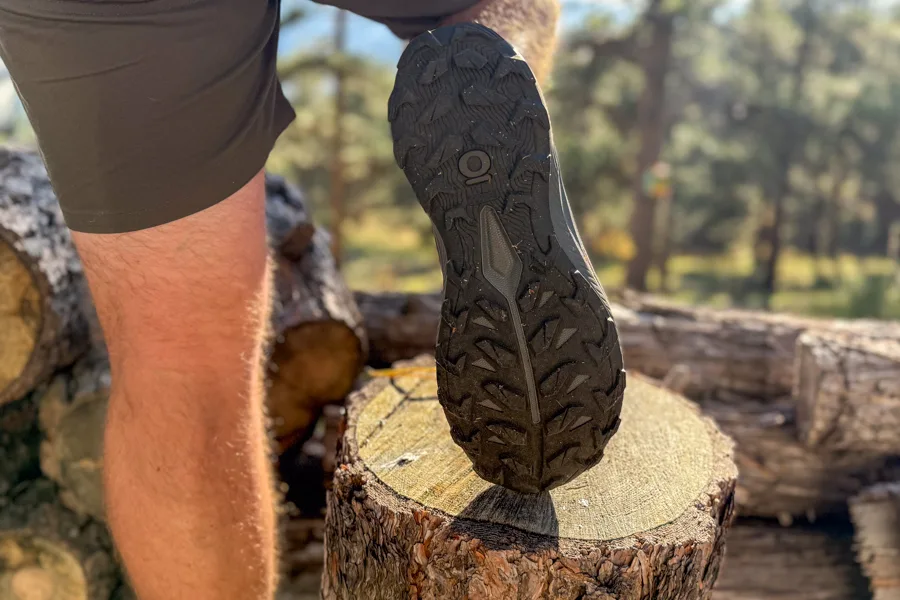
- Superior Traction: The outsoles on hiking shoes have deeper, more aggressive lugs, those chunky bits on the bottom. This design provides serious grip on dirt, mud, gravel, and slippery inclines, helping you maintain your footing.
- Foot Protection: Many hiking shoes include reinforced toe caps and sometimes even a protective rock plate embedded in the sole. These features shield your feet from sharp objects and impacts.
- Water Resistance: Often made with materials that offer some level of water resistance or feature full waterproof membranes. This keeps your feet dry from puddles, streams, or light rain, crucial for longer excursions.
These shoes are essential for anyone looking to explore the backcountry or tackle challenging outdoor environments. For those interested in how different gear impacts outdoor activities, understanding the nuances here is as critical as knowing how often you should deadlift for strength gains.
Key Differences: Running Shoes vs. Hiking Shoes at a Glance
So, how do these two really stack up? It's not just about looks; it's about engineering for different stresses and terrains. If you've ever wondered about the specific build of athletic gear, you might appreciate knowing that standards like those from the American National Standards Institute (ANSI) often inform design principles for durability and safety in footwear, even if not directly applied to consumer running or hiking shoes.
Here's a quick rundown to see the main distinctions side-by-side:
| Feature | Running Shoes | Hiking Shoes |
|---|---|---|
| Primary Goal | Cushioning, shock absorption, smooth stride on firm ground | Stability, protection, and traction on varied, uneven terrain |
| Weight | Generally lighter | Heavier, more robust construction |
| Sole Stiffness | More flexible, allows natural foot motion | Stiffer, provides greater ankle and arch support |
| Cushioning | High emphasis, especially in heel and forefoot | Present, but often balanced with stability and ground feel |
| Upper Material | Breathable mesh, lightweight synthetics | Durable leather, reinforced synthetics, often with water-repellency |
| Outsole Tread | Flatter, less aggressive pattern for smooth surfaces | Deeper, aggressive lugs for maximum grip on soft or uneven ground |
| Ankle Support | Minimal to none, low-cut design | Varies, often provides more lateral stability with a higher cut |
| Protection | Basic impact protection | Enhanced toe protection, puncture resistance, rugged uppers |
| Waterproofing | Generally not a focus, some models are water-resistant | Often a key feature, many models offer full waterproof liners |
Understanding these differences is your first step toward choosing the right shoe for your next adventure.
When to Choose Running Shoes
You should definitely reach for your running shoes if your primary activity involves covering ground quickly on relatively smooth surfaces. Think of these as your go-to for efficiency and impact management when your feet hit pavement, track, or a well-maintained, even trail. They’re designed to propel you forward and absorb the consistent impact of your gait.
- Road Running: This is their native habitat. The cushioning protects your joints from the hard impact of asphalt and concrete mile after mile.
- Trail Running (Smooth Trails): For less technical trails, those that are primarily dirt paths without many rocks, roots, or steep inclines, running shoes can work. However, if the trail becomes more rugged, you might miss the extra support and protection.
- Treadmill Workouts: The controlled environment of a treadmill means you benefit from the consistent cushioning and smooth tread of running shoes.
- Gym Workouts and Cross-Training: Their flexibility and lighter weight make them ideal for various gym activities, including weightlifting (for lighter loads, where stability isn't paramount), circuit training, and general fitness classes. If you’re focusing on fundamental exercises, knowing you have appropriate footwear makes a difference.
- Casual Everyday Wear: When comfort is king and you're just running errands or walking around town, the plush feel of running shoes is a popular choice.
These shoes are all about maximizing comfort and minimizing joint stress during repetitive, high-impact movements. They allow your feet to move naturally through the stride cycle, promoting an efficient gait.
When to Choose Hiking Shoes
If your plans involve stepping off the beaten path and onto unpredictable terrain, hiking shoes are your essential equipment. They're built with a focus on keeping you stable, protected, and sure-footed, no matter how rough the ground gets. Their robust construction is designed to handle the demands of the wild.
- Hiking Moderate to Challenging Trails: This is their main purpose. Whether it's rocky paths, root-filled forest floors, or muddy slopes, the superior traction and support of hiking shoes are invaluable.
- Backpacking Trips: When you're carrying a heavier load, the added ankle support and stability of hiking shoes become even more critical to prevent injuries over long distances.
- Scrambling Over Rocks: The grippy outsoles and protective features help you navigate rocky sections with more confidence and fewer slips.
- Outdoor Activities Requiring Stability: Any activity that involves uneven ground, potential for slips, or the need for solid footing benefits from the design of hiking shoes. This could include activities like geocaching in varied terrain or even certain types of outdoor photography where stable footing is crucial.
Their emphasis on durability means they can withstand the abuse of rough trails, and features like water resistance keep your feet comfortable and dry, even when the weather turns or you encounter stream crossings. If you're considering any activity that involves significant time outdoors on unpaved surfaces, these are the shoes to pack.

