
Picking the right athletic shoe can feel like a minefield, especially when you're faced with options like running shoes versus training shoes. These aren't just different names for the same thing; they're designed with specific movements and impacts in mind. Using the wrong shoe can not only make your workout less effective but also increase your risk of injury.
Our research indicates that athletic footwear specifications can differ significantly between categories. For instance, many running shoes feature a heel-to-toe drop ranging from 4mm to 12mm, optimized for forward motion. Manufacturer specifications for training shoes often show a lower drop, closer to 0-4mm, promoting stability during varied movements.

Today's Exclusive Deals
Limited-time Exclusive Deals. Check current discount on Amazon.
Check Price on Amazon As an Amazon Associate I earn from qualifying purchases.Understanding these differences is crucial before your next gym session or road run.
Running Shoes vs Training Shoes
Choosing between running shoes and training shoes hinges on your primary activity. Running shoes excel at absorbing impact and providing forward propulsion for consistent, linear motion like jogging or sprinting. Training shoes, conversely, offer broader support and stability for multidirectional movements common in gym workouts, cross-training, and weightlifting.
Why This Footwear Choice Matters for Your Performance and Safety
It’s more than just comfort; it’s about biomechanics and injury prevention. Running shoes are engineered to handle the repetitive, high-impact nature of running, where your foot strikes the ground thousands of times per mile. They typically boast generous cushioning, especially in the heel, to absorb shock and a flexible sole to allow for a natural stride.
Using them for lateral movements can lead to instability. Training shoes, on the other hand, are built for versatility. They provide a stable platform for lifting weights, jumping, and quick changes of direction, often featuring flatter soles and more robust side support.
Wearing running shoes for these activities can make you feel wobbly or even lead to ankle rolls, as they lack the necessary lateral containment.
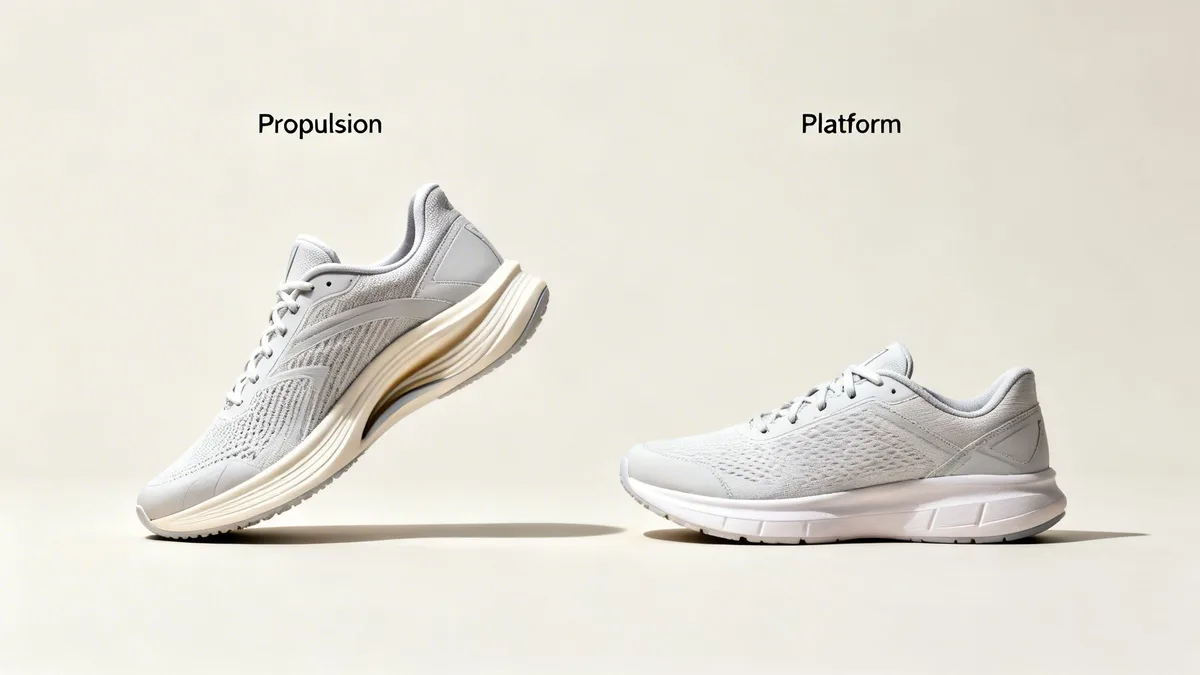
Image source: Bing (Web (fair-use with source credit))
Running Shoes: Built for the Road (and Trail)
Running shoes are specialists, honed for the specific demands of running. Their primary job is to cushion your feet from the constant pounding of pavement or trail and to facilitate a smooth, forward rolling motion. Research from institutions like the American College of Sports Medicine highlights how proper cushioning in running footwear can significantly reduce impact forces transmitted through the legs and spine.
This specialized design means they usually have a softer midsole compound, often made from EVA or proprietary foams, and a distinct heel-to-toe drop to encourage efficient gait mechanics.
What Makes a Running Shoe Tick?
The core components of a running shoe are all geared towards one goal: making your miles more comfortable and less impactful. You'll notice a significant amount of cushioning, particularly in the heel and forefoot, designed to compress and absorb shock. The midsole is where most of this magic happens, often using materials like ethylene-vinyl acetate (EVA) or polyurethane (PU), which offer varying degrees of softness and responsiveness.
- Cushioning: This is the star player. It’s about shock absorption and comfort over long distances.
- Flexibility: Running shoes are typically very flexible, especially in the forefoot, to allow your foot to bend naturally through the stride.
- Upper: Usually made of breathable mesh, the upper prioritizes ventilation to keep your feet cool and dry during extended runs.
- Outsole: Designed for traction on road or trail surfaces, often featuring a durable rubber compound with a pattern that aids forward momentum.
- Heel-to-Toe Drop: This refers to the height difference between the heel and the forefoot. Many running shoes have a drop of 8mm or more, promoting a heel-strike or midfoot landing.
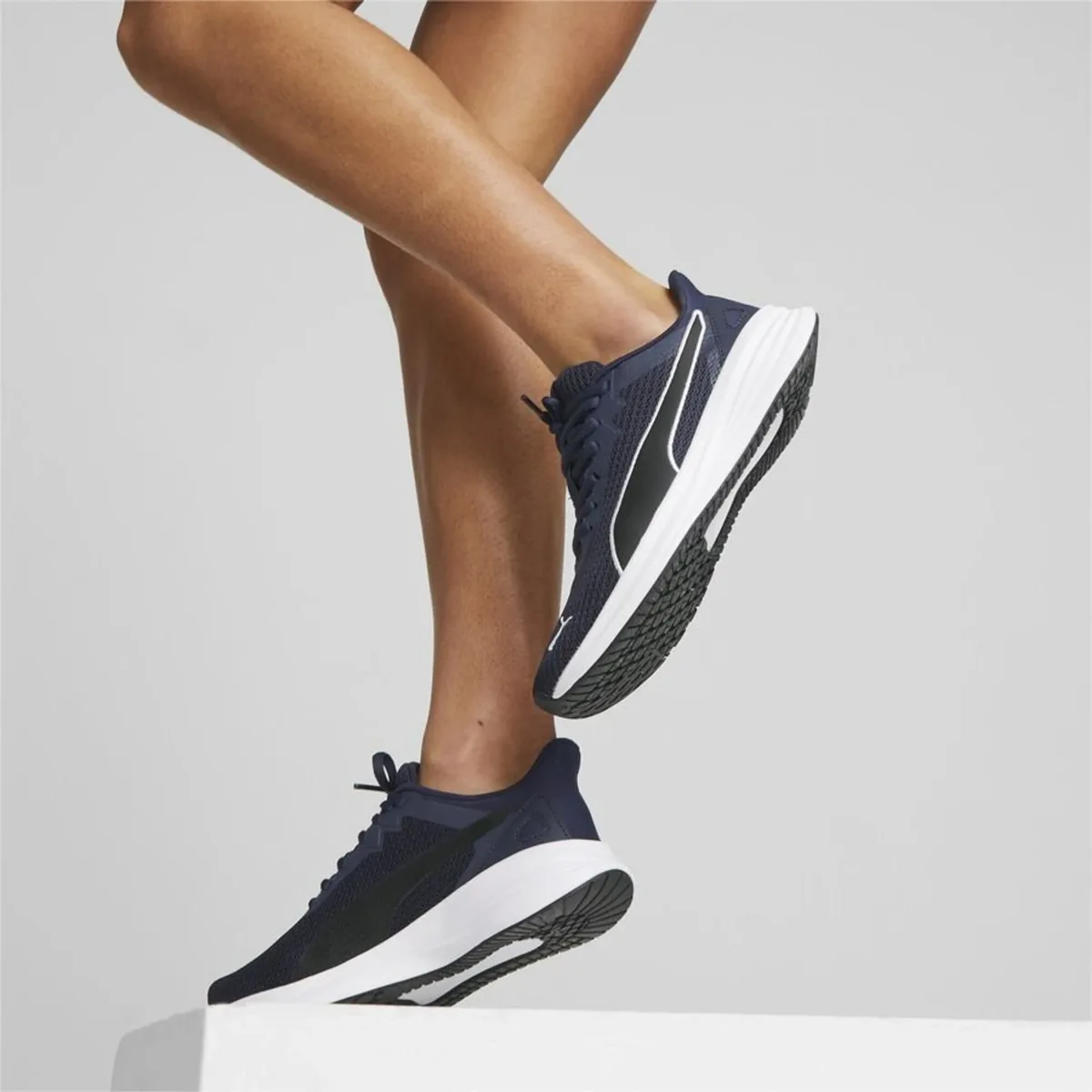
Image source: Web (Bing) / storage.googleapis.com (Web image (fair-use with source credit))
Who Benefits Most from Running Shoes?
Anyone primarily engaged in running activities will benefit from dedicated running shoes. This includes road runners, trail runners, and even sprinters focused on track work. If your workout routine involves more than 50% running, a good pair of running shoes is a worthwhile investment.
For those who are logging significant mileage, typically over 20 miles per week, the specific cushioning and support of running shoes can be crucial for injury prevention and comfort. Runners seeking to improve their speed or endurance will also find that the lightweight and responsive nature of running shoes aids their performance.
Training Shoes: Your All-Around Gym Companion
Training shoes, often called cross-trainers, are the versatile workhorses of the athletic footwear world. They're designed to handle a wide array of movements you might encounter in a gym setting, from lifting weights to agility drills and cardio classes. Unlike the linear focus of running shoes, trainers need to provide stability for side-to-side movements, jumping, and the compressive forces of lifting.
Their design prioritizes a balanced approach to support, cushioning, and ground feel.
The Anatomy of a Training Shoe
What sets a training shoe apart is its focus on overall stability and support for diverse movements. The sole is generally flatter and wider than a running shoe's, providing a more stable base for exercises like squats or lunges. You’ll often find less dramatic cushioning, particularly in the heel, to keep you grounded.
- Stability: Enhanced lateral support helps prevent your foot from rolling outwards or inwards during quick changes of direction.
- Flat Sole: A lower heel-to-toe drop (often 0-4mm) offers a more stable platform for weightlifting and power movements.
- Durability: Training shoes are built to withstand more friction and stress from varied activities, using tougher outsole materials.
- Midsole: Offers a balance of cushioning and firmness, providing support without being too soft for weight-bearing exercises.
- Upper: Often features reinforced areas and sturdier materials to handle lateral stresses and abrasions.
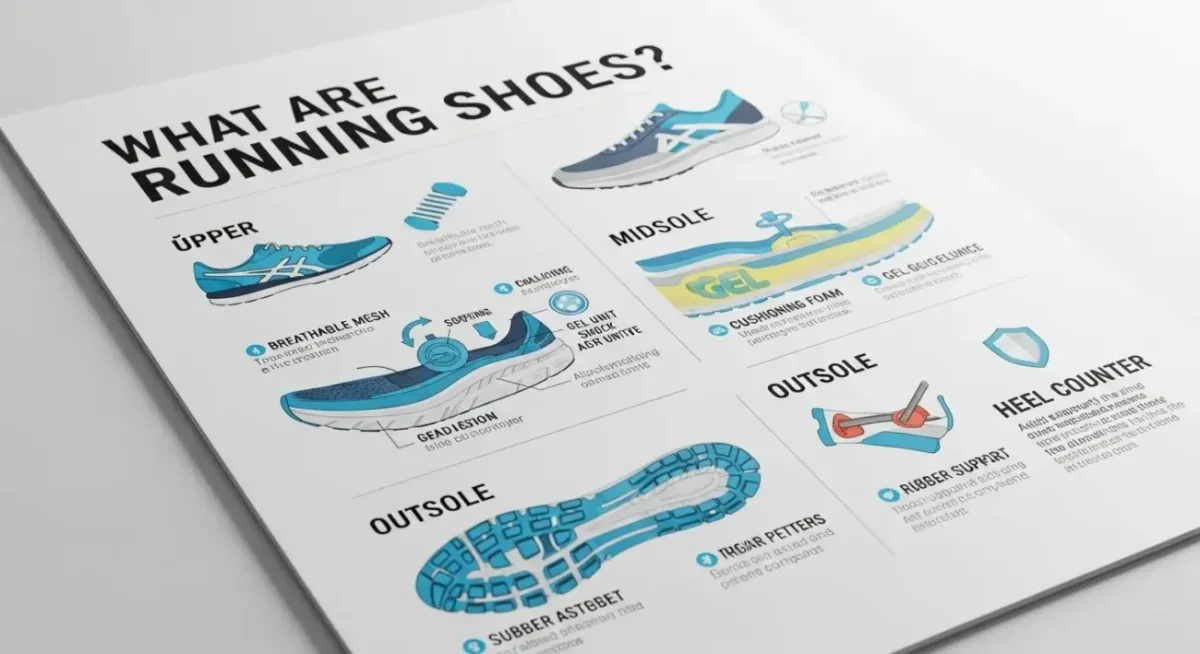
Image source: Web (Bing) / prosportista.com (Web image (fair-use with source credit))
When Are Training Shoes the Smarter Pick?
Training shoes are the ideal choice for individuals who participate in a variety of fitness activities rather than focusing solely on running. If your weekly schedule includes gym workouts, HIIT classes, circuit training, or sports that involve a lot of lateral movement, like tennis or basketball, training shoes will serve you best. They are also excellent for people who do a mix of cardio and strength training.
For those who prioritize stability during weightlifting or performing exercises that require a solid base, a training shoe’s design is particularly beneficial. They offer that crucial balance of support and flexibility for a wide range of athletic endeavors.
Running Shoes vs. Training Shoes: Head-to-Head Breakdown
The choice between running shoes and training shoes comes down to your primary activity. Running shoes are optimized for forward motion, offering plush cushioning and flexibility to absorb the repetitive impact of each stride. Think of them as shock absorbers for your feet during long, linear efforts.
Training shoes, conversely, are designed to be multi-talented. They provide a stable, flatter base with enhanced lateral support, crucial for activities that involve quick stops, starts, jumps, and side-to-side movements. This difference in design means one shoe type is usually much better suited for a specific purpose.
Key Differences in Design and Function
The fundamental divergence between these shoe types lies in their intended purpose. Running shoes prioritize lightweight cushioning and flexibility. Their midsoles are often softer and more forgiving, with a noticeable heel-to-toe drop to facilitate a natural running gait.
Manufacturers like ASICS and Brooks often cite specific foam technologies, such as GEL or DNA LOFT, that are engineered for maximum shock absorption over distance. Training shoes, however, focus on stability and ground-feel. Their outsoles are typically wider and flatter, providing a secure foundation for lifting weights or performing explosive movements.
Materials used in training shoes tend to be more robust, offering greater durability and resistance to the stresses of varied activities.
Matching Shoe Type to Your Activity
To make the right choice, consider what percentage of your fitness routine involves each type of movement. If you spend more than half your workout time running, dedicated running shoes are essential. This includes road running, treadmill sessions, and even moderate trail running where the terrain isn't overly technical.
If your fitness regimen is more varied, involving gym sessions, CrossFit, circuit training, or sports that involve a lot of lateral movement, then training shoes are your best bet. For example, a weightlifter performing squats and deadlifts will find more stability and support in a training shoe than in a cushioned running shoe, which might feel unstable under heavy load. Similarly, a HIIT class participant needs the lateral stability that training shoes offer for burpees and plyometrics.
Common Mistakes When Choosing Athletic Footwear
One of the most frequent errors people make is assuming all athletic shoes are the same. This leads to using running shoes for weightlifting or training shoes for long-distance runs, both of which can cause problems. Wearing running shoes for heavy lifting, for instance, can be risky because their soft midsoles provide less stability, increasing the chance of rolling an ankle or losing balance.
On the flip side, using stiff, less-cushioned training shoes for a marathon would likely lead to excessive impact on your joints and potential foot fatigue, increasing the risk of stress fractures or shin splints.
- Mistake 1: Using running shoes for gym training. They lack the lateral support needed for quick movements and weightlifting.
- Mistake 2: Using training shoes for long-distance running. They often lack sufficient cushioning and can feel stiff and unforgiving over many miles.
- Mistake 3: Prioritizing aesthetics over function. A shoe might look good, but if it's not designed for your activity, it can hinder performance and cause injury.
- Mistake 4: Not considering fit. Even the right type of shoe won't perform well if it's too tight, too loose, or the wrong width for your foot.
Expert Tips for Picking the Perfect Pair
When selecting footwear, always think about your primary activity. If you're a runner, look for shoes with adequate cushioning and flexibility, and consider your foot strike and pronation. For general training, prioritize stability, a lower heel-to-toe drop, and good lateral support.
It’s also wise to consider the specific surfaces you’ll be using them on; trail running shoes, for example, have more aggressive tread for grip on uneven terrain. Many specialty running stores offer gait analysis, a valuable service that uses video to observe your foot mechanics as you run, helping staff recommend the most appropriate shoe for your biomechanics. As of 2026, advancements in materials continue to offer more specialized options.
How do I know if I need running shoes or training shoes?
You need running shoes if your primary activity is running, whether it’s on roads, treadmills, or moderate trails. They are designed to absorb the repetitive impact of forward motion. You need training shoes if your fitness routine involves a mix of activities like gym workouts, weightlifting, HIIT, cross-training, or sports that require quick changes in direction and lateral stability.
Their design supports a broader range of movements than running-specific footwear.
Frequently Asked Questions About Running and Training Shoes
What is the main difference between running shoes and training shoes?
The main difference lies in their design purpose: running shoes are built for linear motion, offering maximum cushioning and flexibility to absorb impact. Training shoes are designed for versatility, providing stability for lateral movements, jumping, and weightlifting with a flatter, more supportive base.
Can I use running shoes for the gym?
While you can technically wear running shoes to the gym, it’s not ideal for many activities. They lack the lateral stability needed for exercises like squats, lunges, or agility drills, potentially leading to instability and increasing the risk of injury.
Are training shoes good for running?
Training shoes are generally not recommended for running, especially for longer distances. They typically offer less cushioning and flexibility compared to running shoes, which can lead to discomfort, fatigue, and a higher risk of impact-related injuries like shin splints or stress fractures.
How often should I replace my athletic shoes?
This depends on usage, but generally, running shoes should be replaced every 300 to 500 miles, or when you notice significant wear on the outsole or a loss of cushioning. Training shoes, being more robust for varied activities, might last longer, but look for signs of wear on the sole, cushioning compression, or loss of structural integrity.

