
Imagine feeling stronger and more confident every time you move. One of the simplest exercises that can lead to this transformation is the squat.
If you have ever wondered how to do a squat step by step, you are in the right place. This guide will walk you through the process, ensuring you perfect your technique and maximize your results. No fancy gym equipment needed—just you, your body, and a little bit of space.

Today's Exclusive Deals
Limited-time Exclusive Deals. Check current discount on Amazon.
Check Price on Amazon As an Amazon Associate I earn from qualifying purchases.By the time you finish reading, you’ll not only know how to squat but also understand why it’s a cornerstone of fitness routines worldwide. Dive in, and let’s get started on building a stronger you.
Benefits Of Squats
Squatsmake your legs strong. They are good for your balance. Squats help you stand tall. They make your musclesgrow. You can jump higher with strong legs. Squats also help your heart. Your bones become strong too. Squats keep your knees healthy. They are good for your back. Doing squats makes you fit. You feel better after squats.
Squats can be done anywhere. They do not need much space. You do not need special tools. Squats can be fun. Doing squats is easy. You can do them at home. You can do them outside. Squats are for everyone. Kids and adults can do squats. Your body will thank you. Try doing squats!
Preparing For Squats
Good shoes help with balance. Look for flat soles. Avoid shoes that slip. Running shoes are not ideal. Choose shoes with a firm grip. Feet should feel grounded.
Find a clear area. No clutter around. Enough room to move. Space should be quiet. Comfortable lighting helps. Keep distractions away. Your focus is important.
Start with light stretches. Stretch legs and arms. Jumping jacks can help. Do knee lifts for a minute. Small lunges warm up legs. Feel your muscles ready.
Basic Squat Form
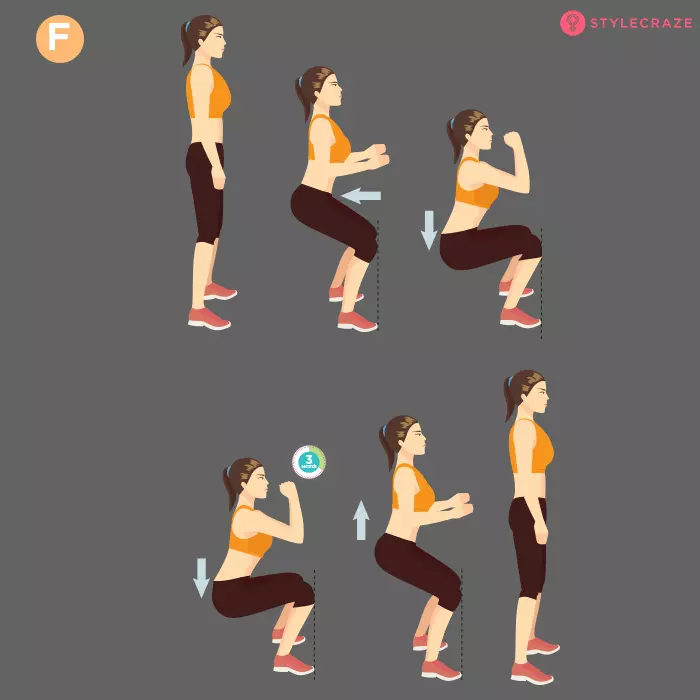
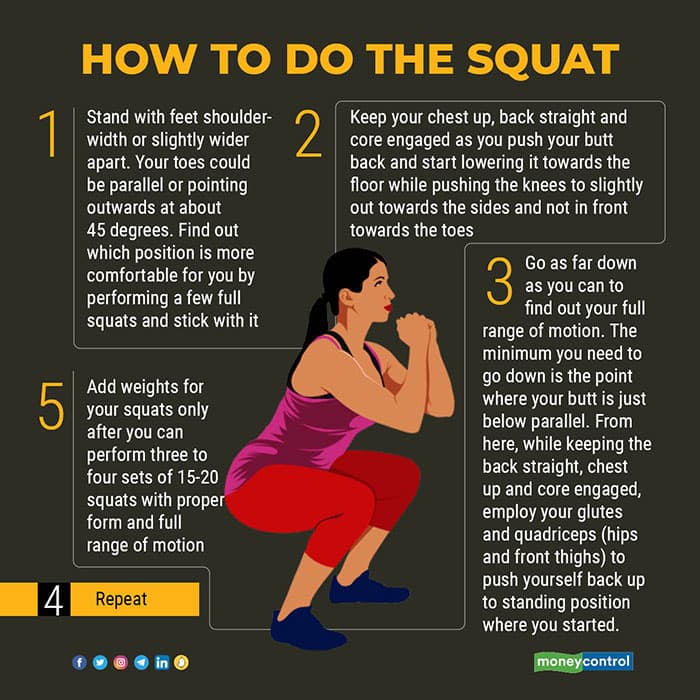
Stand with your feet shoulder-width apart. Toes point slightly outwards. Keep your chest up and look straight ahead. Hands can be in front of you for balance. Ensure your back stays straight.
Bend your knees slowly. Lower your body as if sitting on a chair. Keep your knees aligned with your toes. Avoid letting your knees go past your toes. Engage your core for stability. Maintain a neutral spine throughout.
Go as low as your hips are below your knees. This is the ideal depth. If you can’t go that low, it’s okay. Go as far as comfortable. Push back up through your heels. Return to the starting position.
Executing The Squat
Stand tall with your feet shoulder-width apart. Keep your chest up and your back straight. Begin to bend your knees slowly. Push your hips back as if sitting in a chair. Do not let your knees go past your toes. Lower your body until your thighs are parallel to the ground. Pause briefly at the bottom.
Press through your heels to stand up. Keep your chest lifted as you rise. Engage your core for balance. Straighten your knees and hips to return to start. Maintain a steady pace throughout the movement. Avoid jerking movements to prevent injury.
Breathe in deeply as you lower your body. Exhale forcefully as you rise. This helps maintain strength and control. Steady breathing is key to a successful squat. Practice breathing rhythm to enhance performance.
Common Mistakes
Many people struggle with their knees during squats. Knees caving in is a common mistake. This happens when your knees move inward instead of staying aligned. It can cause stress on your joints. To avoid this, keep your knees over your toes. Focus on pushing them outward. This keeps your form stable and safe.
Another mistake is leaning forward too much. This puts extra pressure on your lower back. It can lead to injuries. Keep your chest up and back straight. Imagine a wall behind you. Try to keep your body straight and tall. This helps distribute weight evenly.
Rising heels can cause imbalance. Your heels should stay flat on the ground. Lifting them can make you unstable. Practice keeping your feet grounded. This helps you maintain control during the squat. Strong footing is key for good squats.
Variations Of Squats
The Goblet Squat uses a dumbbell or kettlebell. Hold the weight close to your chest. Keep your feet shoulder-width apart. Lower your hips like sitting in a chair. Your knees should not go past your toes. Stand back up slowly. This squat helps build leg strength. It also improves balance.
The Sumo Squat requires a wide stance. Point your toes outward. Lower your body until your thighs are parallel to the ground. Keep your back straight. This squat targets the inner thigh muscles. It also strengthens the glutes.
Jump Squats add a burst of energy. Start in a regular squat position. Push up with your legs and jump. Land softly back into a squat. This exercise boosts your heart rate. It also builds explosive strength.
Safety Tips
Listen to your body while doing squats. Pain is a warning sign. Stop if you feel pain. Discomfort is different from pain. Learn the difference. Rest if something feels wrong. Trust your instincts.
A spotter helps keep you safe. They watch your form. They can help if you struggle. Choose someone you trust. Make sure they know how to help. Good support is very important.
Avoid squats if you are injured. Don’t squat if your doctor says no. Listen to professional advice. Rest is important for recovery. Squats are not for everyone. Know your limits.

Incorporating Squats Into Workouts
Start with 10 squats per set. Do three sets at first. Increase the number gradually. Squats are not just for legs. They help your core too. Consistency is key for improvement. Track your progress each week.
Mix squats with lunges. Add push-ups for upper body strength. Try jumping jacks for cardio. Combining exercises keeps workouts fun. It also helps different muscles grow. Always start with warm-ups. It’s important for safety.
Use a notebook. Write down the number of squats each day. Note how you feel after workouts. This helps you see improvements. Set small goals to reach big ones. Celebrate each achievement. Keep going, never give up.
Frequently Asked Questions
What Are The Steps To Do A Squat?
To do a squat, start by standing with feet shoulder-width apart. Lower your body by bending knees and hips. Keep your back straight and chest up. Go down until thighs are parallel to the floor. Return to the starting position by pushing through your heels.
Repeat for desired reps.
How Can I Improve Squat Form?
Improving squat form requires attention to posture and technique. Focus on keeping your back straight and chest lifted. Engage your core muscles. Ensure knees track over toes. Practice with a mirror to correct alignment. Incorporate flexibility exercises to enhance range of motion.
Regular practice will help refine your squat form.
Is Squatting Beneficial For Beginners?
Yes, squatting is beneficial for beginners. It strengthens lower body muscles, including glutes and thighs. Squats enhance core stability and improve balance. They also aid in functional movement, making daily activities easier. Start with bodyweight squats before progressing to weights.
Always prioritize proper form to avoid injuries.
Can Squats Help With Weight Loss?
Squats can assist with weight loss by increasing muscle mass and boosting metabolism. They burn calories and build strength. Incorporating squats into a workout routine can enhance fat loss. Combine squats with a balanced diet and cardio exercises for effective weight management.
Consistency is key for seeing results.
Conclusion
Squats are a fantastic exercise for building strength. They work multiple muscle groups. Follow each step carefully for best results. Start with a proper stance. Keep your back straight. Bend your knees slowly. Lower your body as if sitting. Push through your heels to stand back up.
Practice regularly to improve form and strength. Consistency leads to better performance and stronger muscles. Remember, good form prevents injuries. Squats can be done anywhere, with or without weights. Add them to your routine for overall fitness. Enjoy the benefits of a strong, healthy body.
Keep squatting!

