
Deciding between Taekwondo and Kickboxing can feel like a big choice when you're looking to get into martial arts or combat sports. Both offer incredible physical and mental benefits, but they carve out different paths for your training journey. Understanding the core differences helps you pick the discipline that best matches your personal goals and preferences.
In our research, we've found that while both involve striking, their techniques, philosophies, and competition styles diverge significantly. For example, Taekwondo is recognized as an Olympic sport, with athletes often demonstrating incredible flexibility and aerial kicks, a testament to its specific training methodologies. This comparison aims to clarify those distinctions so you can make an informed decision about your next training step.

Today's Exclusive Deals
Limited-time Exclusive Deals. Check current discount on Amazon.
Check Price on Amazon As an Amazon Associate I earn from qualifying purchases.Taekwondo vs. Kickboxing
When considering Taekwondo versus Kickboxing, the primary difference lies in their emphasis: Taekwondo excels in dynamic, often high-flying kicking techniques with a strong philosophical foundation, whereas Kickboxing focuses on a combination of powerful punches and kicks for practical striking. Both build fitness and discipline, but the specific skills developed and the overall training experience vary notably.
Why This Comparison Matters for Your Training Goals
Choosing between Taekwondo and Kickboxing isn't just about picking a workout; it's about aligning with a training philosophy that resonates with you. Have you ever felt drawn to the fluid, acrobatic movements you see in martial arts movies, or are you more excited by the direct, powerful exchanges of a boxing ring combined with strong leg work? That initial spark of interest often points you in the right direction.
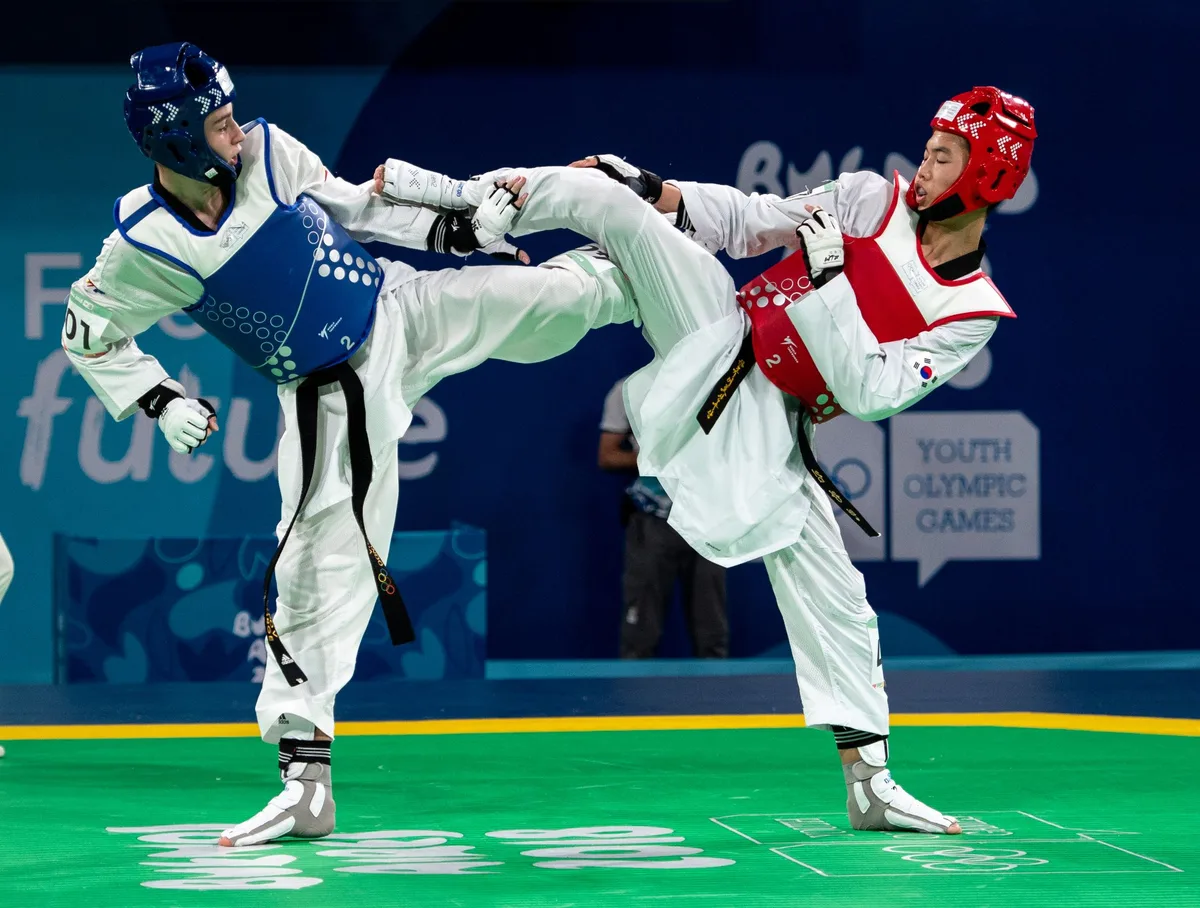
Image source: Web (Bing) / spanish.alibaba.com (Web image (fair-use with source credit))
The training environment, the types of techniques you'll master, and even the mindset cultivated can differ substantially. For instance, Taekwondo training often incorporates complex poomsae (forms) that build memory and coordination, while many kickboxing programs emphasize conditioning and practical striking combinations for sparring. Understanding these nuances helps you avoid that "wrong class" feeling down the line.
This comparison will lay out the specifics so you can see which discipline is your better fit.
Taekwondo: The Art of Precision Kicking
Taekwondo is a Korean martial art that places a strong emphasis on high and fast kicking techniques, demanding flexibility, balance, and precision. It’s known for its spectacular, often aerial, kicks and a deep connection to discipline and self-control.
Taekwondo's Core Techniques and Philosophy
At its heart, Taekwondo is about using your legs as your primary weapons, executing powerful kicks with speed and accuracy. You'll learn everything from basic front kicks and roundhouse kicks to more advanced spinning and jumping techniques. Beyond the physical, Taekwondo instills strong values like respect, integrity, perseverance, and indomitable spirit.
The poomsae, or forms, are sequences of movements that simulate combat against imaginary opponents, helping practitioners develop muscle memory, coordination, and a deeper understanding of martial principles. These forms are a cornerstone of training, building a foundation for sparring and self-defense.
Benefits of Taekwondo Training
Training in Taekwondo offers a robust package of physical and mental rewards. You'll significantly improve your leg strength, flexibility, and overall cardiovascular fitness. Your balance and coordination will sharpen, essential for executing those complex kicks.
Mentally, Taekwondo cultivates discipline, focus, and self-confidence. As aggregate reviews indicate, students often report feeling more self-assured and mentally resilient after consistent training. Furthermore, Taekwondo is an Olympic sport, making it a pathway for those interested in competitive martial arts on a global stage, requiring adherence to specific competitive standards set by bodies like World Taekwondo.
Who is Taekwondo Best For?
Taekwondo is an excellent choice for individuals who are drawn to dynamic, kicking-focused martial arts and appreciate a structured, traditional training environment. If you're looking to improve flexibility, balance, and develop powerful leg techniques, Taekwondo delivers. It's also ideal for those who value discipline, respect, and the meditative aspect of practicing forms.
Children often thrive in Taekwondo due to its emphasis on respect and structured learning. For anyone aspiring to compete in Olympic-style sparring or forms, this discipline is the direct route.
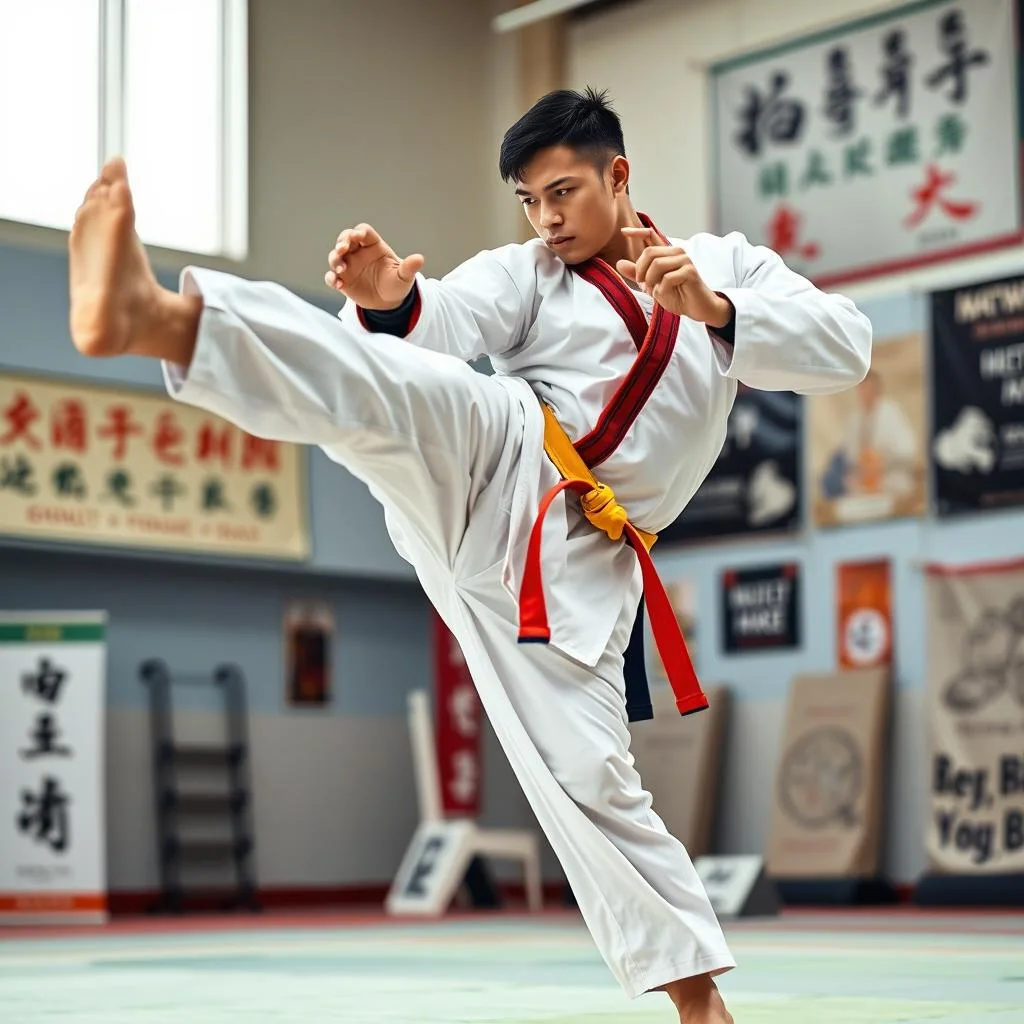
Image source: Web (Bing) / us.idyllic.app (Web image (fair-use with source credit))
Kickboxing: The Power of Punches and Kicks
Kickboxing is a dynamic combat sport that combines punching techniques from boxing with kicking techniques from martial arts like Karate and Muay Thai. It’s known for its fast-paced action, emphasis on practical striking combinations, and rigorous physical conditioning.
Kickboxing's Striking Strategies and Styles
There are several variations of kickboxing, but most involve a combination of punches (jabs, crosses, hooks, uppercuts) and kicks (front kicks, roundhouse kicks, side kicks, axe kicks). Some styles, like Dutch kickboxing, incorporate knees, and Muay Thai-influenced kickboxing may also include elbow strikes and clinch work. The strategy often revolves around effective striking combinations, footwork, and defensive maneuvers like blocking and evading.
Training typically focuses on developing power, speed, and endurance through drilling techniques, pad work, and sparring.
Benefits of Kickboxing Training
Kickboxing provides an intense full-body workout, significantly boosting cardiovascular health, stamina, and strength. It's fantastic for burning calories and improving agility. Through consistent practice, you'll learn practical self-defense skills, enhance your reflexes, and develop a strong sense of body awareness.
Many practitioners find that the demanding nature of kickboxing helps reduce stress and builds mental toughness. Manufacturer specifications for professional-grade training equipment, like speed bags and heavy bags, often highlight the durability and performance benefits that translate to effective training outcomes.

Image source: Bing (Web (fair-use with source credit))
Who is Kickboxing Best For?
Kickboxing is a great fit for individuals seeking a high-energy, athletic combat sport that offers a robust workout and practical self-defense applications. If you enjoy the idea of combining punches and kicks, and you're looking to improve your overall fitness, power, and conditioning, kickboxing is a strong contender. It appeals to those who prefer a more direct, combative approach to striking and who are motivated by the challenge of sparring and competition.
It’s also a popular choice for people wanting to relieve stress through vigorous physical activity.
Taekwondo vs. Kickboxing: A Direct Showdown
When you line up Taekwondo and Kickboxing side-by-side, the distinctions become clearer, helping you pinpoint which style aligns better with your aspirations. While both build fitness and impart valuable combat skills, their execution, focus, and underlying principles set them apart significantly.
Key Differences in Techniques and Training
Taekwondo’s distinctiveness shines through its emphasis on leg techniques. It's not just about kicking, but about executing a wide array of dynamic, often acrobatic, kicks with precision and speed. Think spinning hook kicks, powerful jump kicks, and intricate footwork designed to create openings for these powerful leg strikes.
Training involves mastering forms (poomsae), which are pre-arranged sequences of movements, alongside sparring drills.
Kickboxing, on the other hand, is more about integrating punches and kicks into fluid combinations. It’s a broader category that borrows from various striking arts. Depending on the style, you might see a strong boxing base complemented by diverse kicks, or Muay Thai influences with knees and elbows.
The training often centers on pad work, heavy bag drills, and sparring designed to develop effective striking exchanges and power. This integrated approach makes it a comprehensive striking discipline.
Comparing the Physical and Mental Benefits
Both disciplines offer superb physical conditioning. Taekwondo significantly enhances leg strength, flexibility, and balance due to its intricate kicking repertoire. The discipline and focus required for mastering forms also build strong mental resilience and self-control.
Many practitioners report feeling more confident and composed.
Kickboxing excels in cardiovascular conditioning, explosive power, and overall stamina. The constant movement and striking make it an incredibly effective way to burn calories and build a strong core. Mentally, it sharpens reflexes, strategic thinking under pressure, and can be a powerful outlet for stress relief.
Research from sports science bodies indicates that regular participation in these striking arts can lead to marked improvements in agility and coordination for both disciplines.
What to Expect in Sparring and Competition
Sparring in Taekwondo, particularly Olympic style, is typically point-based and emphasizes control and precision. Competitors aim to score points with clean, controlled strikes, often focusing on kicks to the body and head, with strict rules against excessive force to ensure safety. The goal is to outmaneuver and outscore an opponent rather than deliver damaging blows.
Kickboxing sparring is generally more about striking power and conditioning. Depending on the ruleset (e.g., American, Dutch, K-1), the objective can be to land effective, damaging strikes, often with the goal of a knockout. The pace can be faster and more aggressive, requiring strong defensive skills and the ability to absorb and deliver strikes.
The differences in rule sets and scoring systems mean that the strategic approach to competition can vary greatly between Taekwondo and Kickboxing.
Common Mistakes When Choosing Your Style
Picking a martial art or combat sport is a personal journey, and it's easy to stumble if you're not sure what to look for. One common pitfall is choosing based purely on what looks "cool" or what you see in movies, without considering if the training style and intensity actually fit your personality and physical goals. For example, someone who prefers a more philosophical and disciplined approach might find the direct, aggressive nature of some kickboxing sparring overwhelming.
Another mistake is not trying out a few different schools or styles. A school's atmosphere, the instructor's teaching style, and the camaraderie among students play a huge role in your overall experience and long-term commitment. What works for one person might not work for another; what one instructor emphasizes may be a lower priority for another.
It's also crucial to understand the commitment required for each discipline. Taekwondo's progression often involves dedicated practice of forms and consistent attendance for belt advancement, while kickboxing might focus more on continuous sparring and conditioning.
How to Maximize Your Trial Class
- Arrive early: This gives you time to fill out any necessary paperwork and get acquainted with the facility.
- Wear comfortable athletic clothing: Think t-shirts and athletic shorts or track pants.
- Ask questions: Don't hesitate to ask about class structure, belt progression, or competition opportunities.
- Listen to your body: Push yourself, but don't overdo it, especially if you're new to intense physical activity.
Trying out a few different schools and styles is highly recommended. What one school emphasizes in Taekwondo might differ slightly from another, and the same goes for kickboxing. The right fit is about more than just the name of the art; it's about the community and the coaching that will help you grow.
Your Next Steps: Trial Classes and Training
Once you've weighed the differences, the most effective next step is to experience it firsthand. Most Taekwondo schools and kickboxing gyms offer introductory or trial classes. This is your chance to get a feel for the environment, meet instructors, and try out some basic techniques.
Pay attention to how you feel during and after the class. Did it energize you? Did it feel challenging but achievable?
Consider what aspects of the trial class you enjoyed most. Were you drawn to the precise movements and structured drills, or did you prefer the dynamic striking and conditioning? Ask current students about their experiences and what they find most rewarding about their chosen discipline.
As of 2026, many schools also offer mixed martial arts (MMA) programs, which often incorporate elements of both striking and grappling, but understanding the foundational striking arts like Taekwondo and Kickboxing first can provide a solid base.
Frequently Asked Questions About Taekwondo and Kickboxing
Is Taekwondo or Kickboxing better for self-defense?
Both Taekwondo and Kickboxing offer valuable self-defense skills, but their approaches differ. Taekwondo focuses on distance, using powerful kicks to keep an attacker at bay, while kickboxing emphasizes close-range striking with punches and kicks for practical defense. Your personal preference for distance versus closer engagement can influence which is "better" for you.
How long does it take to get good at Taekwondo or Kickboxing?
"Good" is subjective and depends on your goals. To achieve a basic proficiency in sparring and technique, typically one to two years of consistent training (2-3 times per week) is a reasonable timeframe. Reaching advanced levels, like black belt in Taekwondo or high-level competition in kickboxing, can take many years of dedicated practice.
Can I do Taekwondo and Kickboxing at the same time?
Yes, it's possible to train in both, though it requires significant commitment. Some individuals cross-train to develop a well-rounded striking skillset, for example, using Taekwondo's kicking prowess alongside kickboxing's punching and close-range power. However, ensure your chosen schools' schedules and intensity levels allow for this without overtraining or injury.
Is Taekwondo or Kickboxing more physically demanding?
Both are physically demanding, but in different ways. Taekwondo often requires more flexibility and agility for its high kicks, while kickboxing typically emphasizes explosive power, cardiovascular endurance, and the ability to absorb and deliver repeated strikes. The intensity can vary greatly depending on the specific school and training program.
Which is better for beginners: Taekwondo or Kickboxing?
Both are generally welcoming to beginners, but Taekwondo's structured forms and emphasis on discipline can be very beneficial for those new to martial arts. Kickboxing's direct approach to striking can also be very engaging for newcomers looking for a more athletic, combative workout. The best choice often comes down to personal preference after a trial class.

