
Most inversion tables have weight limits that typically fall between 250 and 350 pounds.
I’ve spent years testing and researching back-care gear, and I’ll walk you through the real facts about the weight limit of most inversion tables. This article explains common weight ranges, how manufacturers test capacity, safety steps if you’re near or over the limit, and how to choose a table that fits your body and needs. Read on for clear, practical guidance based on hands-on experience and industry standards.

Today's Exclusive Deals
Limited-time Exclusive Deals. Check current discount on Amazon.
Check Price on Amazon As an Amazon Associate I earn from qualifying purchases.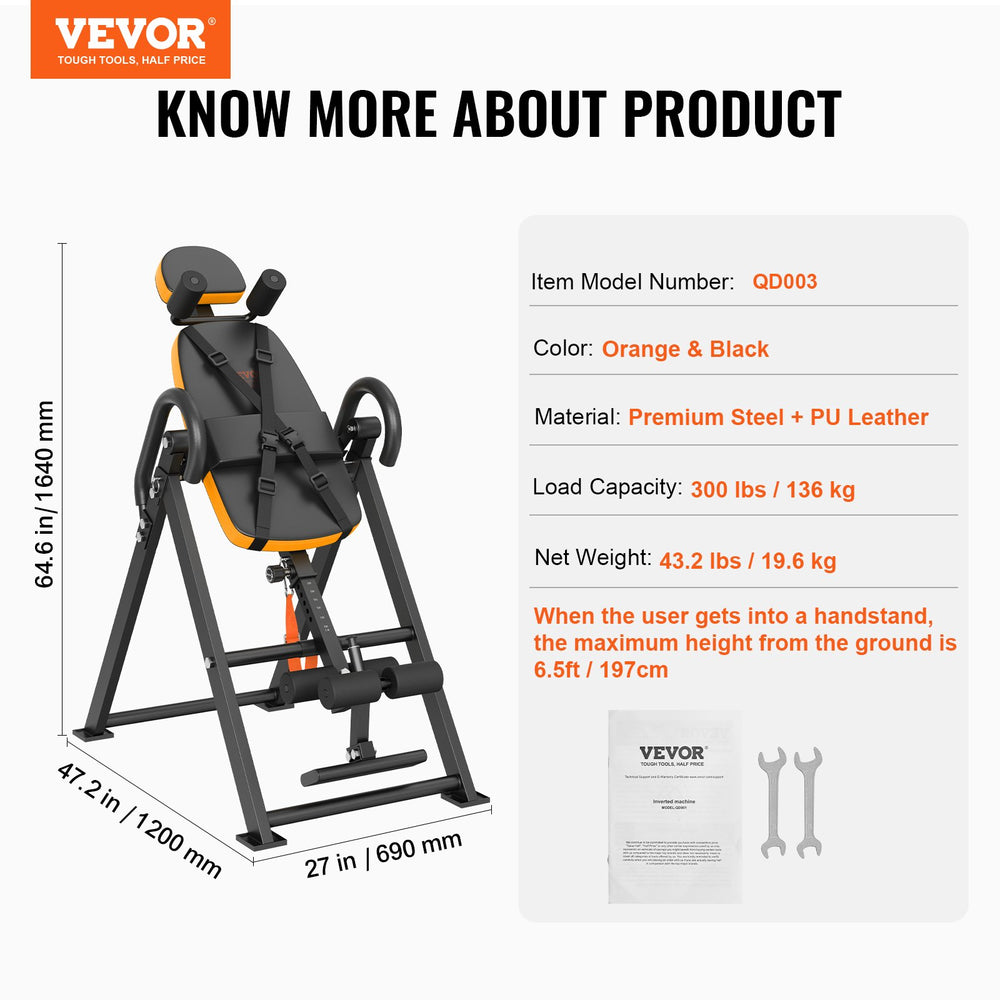
Understanding the weight limit of most inversion tables
The weight limit of most inversion tables is the maximum safe user weight defined by the maker. Manufacturers set that number to protect the frame, pivoting parts, and user safety. Know that the listed weight limit is a hard guideline. Ignoring it raises the risk of equipment failure and injury.
Today's Exclusive Deals
Limited-time Exclusive Deals. Check current discount on Amazon.
Check Price on Amazon As an Amazon Associate I earn from qualifying purchases.Common weight limits by model and materials
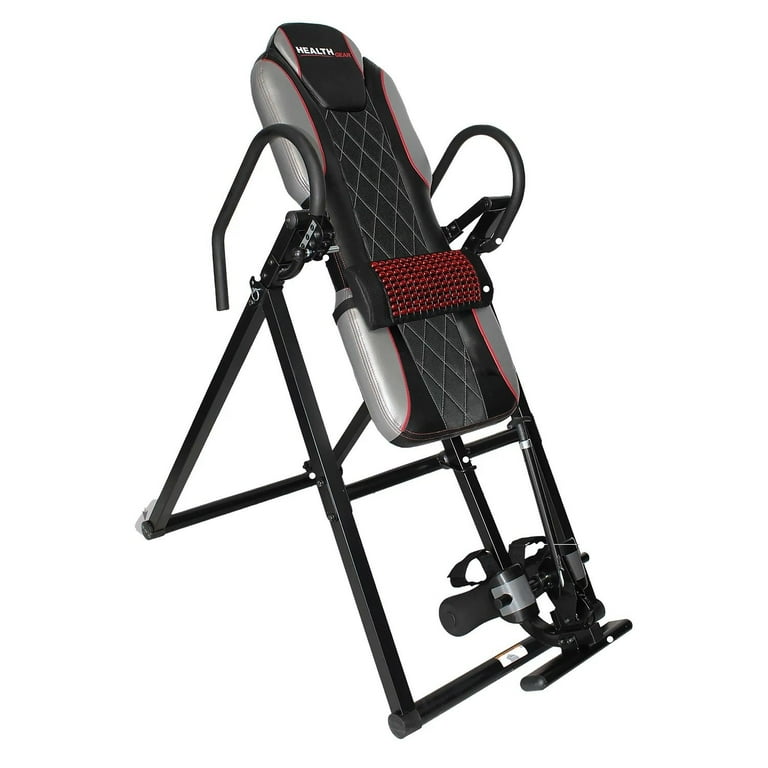
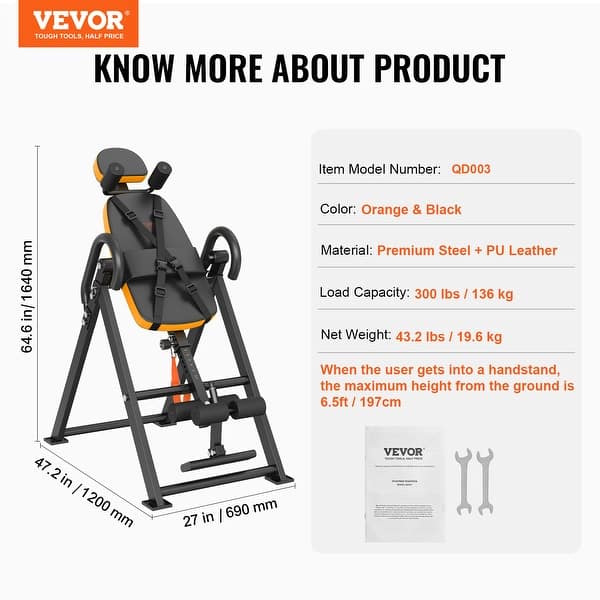
Most consumer inversion tables list a weight limit of 250 to 300 pounds. Many mid-range models rate 300 to 350 pounds. Heavy-duty home models and some commercial units rate 400 to 500 pounds or higher. The weight limit of most inversion tables depends on frame steel thickness, weld quality, and the design of the ankle lock and pivot systems.

How manufacturers test and rate weight limits
Producers use static load tests and repeated-cycle tests to set a weight rating. Static tests apply a steady load greater than user weight to check for bends or breaks. Cycle tests invert and rotate the unit many times to find weak points. These tests aim to ensure the stated weight limit of most inversion tables holds up under real use.
Today's Exclusive Deals
Limited-time Exclusive Deals. Check current discount on Amazon.
Check Price on Amazon As an Amazon Associate I earn from qualifying purchases.Why weight limits vary so much
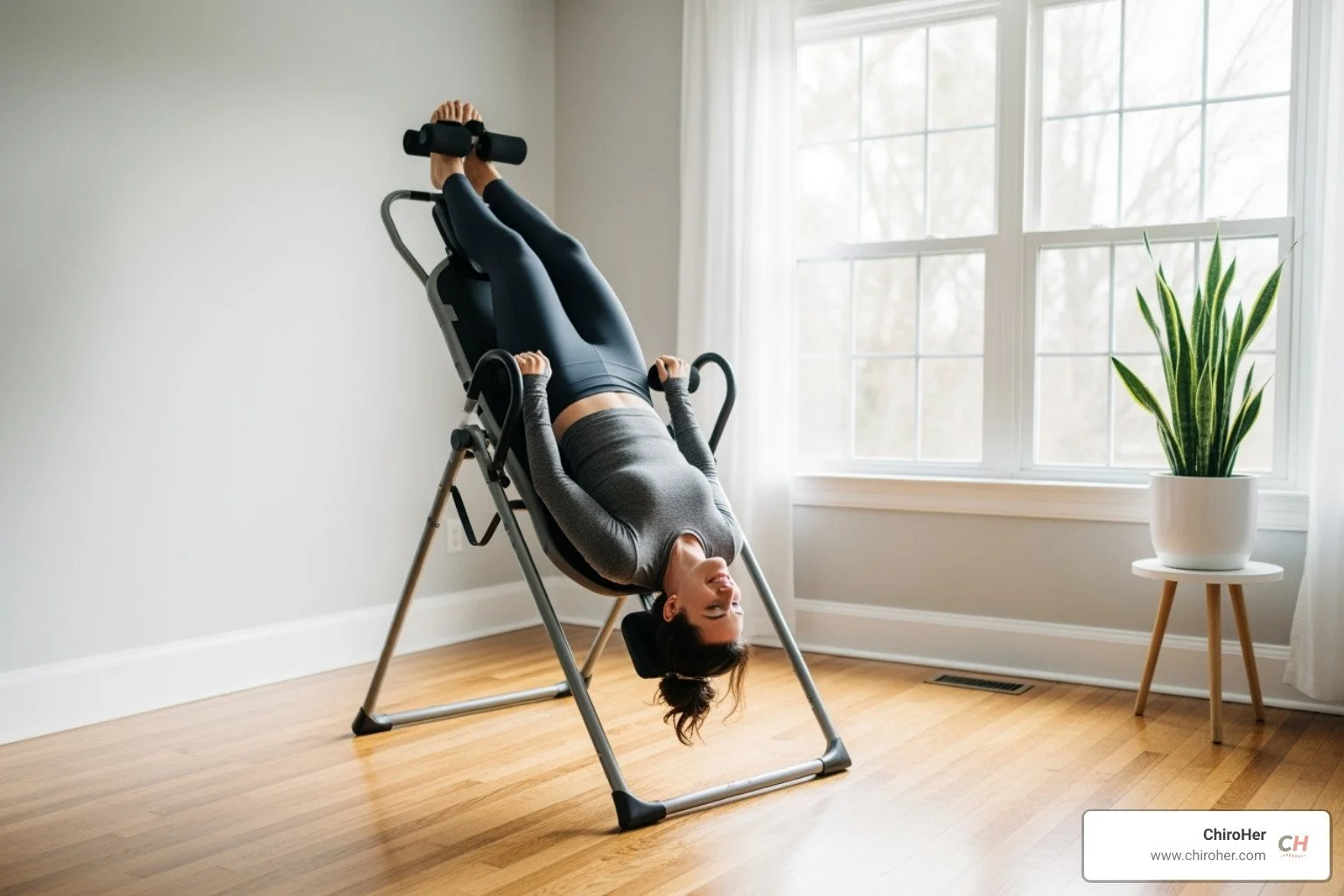
Metal grade, tube diameter, and weld quality change how strong a frame will be. Simple design choices, like single-leg versus A-frame bases, also affect capacity. Brands that invest in thicker tubing and reinforced joints can safely raise the weight limit of most inversion tables. Cost and intended market (light home use vs. clinic use) influence the final spec too.

Safety tips when using inversion tables near the weight limit
Stop and check the manual if your body weight is close to the listed limit. If you are over the weight limit of most inversion tables, do not use that table. Choose a model rated above your weight with extra margin. Inspect the frame and fasteners before each session. If you ever hear unusual creaks, stop and inspect the table.
Alternatives if you exceed typical weight limits
Consider these safe routes when standard inversion tables don’t fit you:
- Choose a heavy-duty inversion table rated 400 pounds or more.
- Look for commercial-grade tables built for clinics and gyms.
- Try traction or therapy devices that support heavier loads.
- Consult a physical therapist for inversion alternatives.
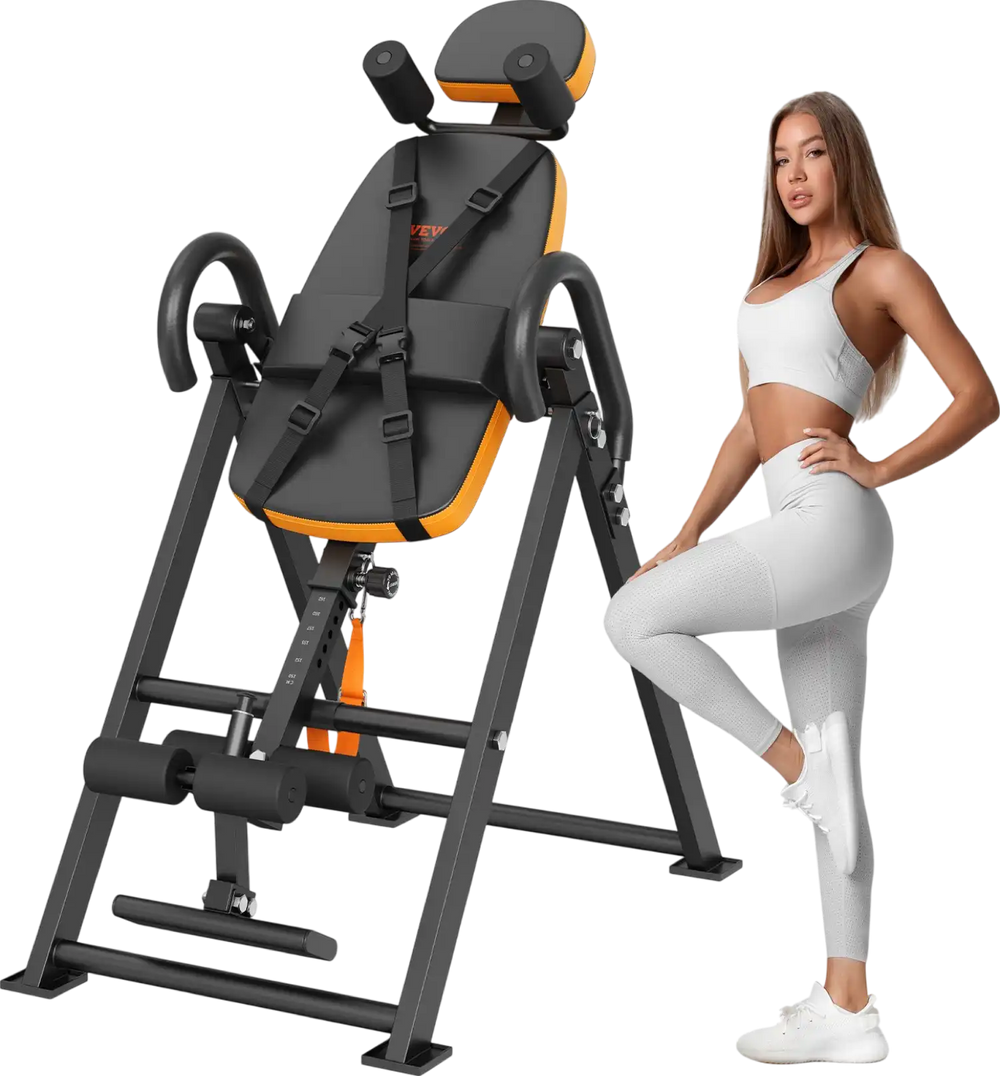
Choosing the right inversion table: a practical checklist
Use this checklist when shopping so the weight limit of most inversion tables works for you:
- Confirm your body weight plus any gear is below the stated limit.
- Prefer models with at least a 50-pound safety margin above your weight.
- Check for a lifetime or long warranty on frame and welds.
- Look for user reviews that mention durability and real-world load performance.
- Test the ankle lock and adjustability to ensure comfortable, secure use.

PAA-style quick questions
What is a safe buffer below the listed weight limit?
Aim for at least a 10 to 20 percent buffer. If the weight limit of most inversion tables is 300 pounds, pick one rated 330–360 pounds for comfort.
Can an inversion table fail even under the weight limit?
It’s rare but possible if the unit is damaged, improperly assembled, or poorly maintained. Regular inspection reduces that risk.
Do taller users need different tables?
Yes. Taller users should check height range and pivot placement as well as the weight limit of most inversion tables to ensure safe inversion.
Frequently Asked Questions of What is the weight limit of most inversion tables
How much weight can a standard inversion table hold?
Standard home inversion tables usually hold 250 to 300 pounds. Some mid-range units increase that to 300 to 350 pounds for added capacity.
Are there inversion tables for people over 400 pounds?
Yes. Heavy-duty and commercial models commonly rate 400 pounds or more. Look for reinforced frames and clinical-grade parts for higher limits.
Is the weight limit the same as the warranty coverage?
Not always. The weight limit is a safety spec. Warranty terms vary and may not cover damage from exceeding the weight rating.
Can I exceed the weight limit for short sessions?
No. Exceeding the weight limit, even briefly, risks structural failure and injury. Always follow the manufacturer’s rating.
How can I verify a table's real strength before buying?
Check independent reviews, user tests, and data on materials and tubing. Confirm the listed weight limit and warranty before purchasing.
Conclusion
Most inversion tables list a weight limit between 250 and 350 pounds, with heavy-duty models rated higher. Know and respect the weight limit of most inversion tables to protect yourself and extend the life of the equipment. If your weight is near or above common limits, choose a stronger model, allow a safety buffer, and consult a professional when needed. Ready to pick the right table? Compare rated capacities, read real-user feedback, and pick a model that gives you both comfort and confidence. Leave a comment with your experience or subscribe for more hands-on gear guides.

