
Inversion tables can help improve posture for some people by reducing spinal compression and easing back pain.
I’ve studied spinal care and tested inversion tables personally, and I’ll walk you through the science, safety, benefits, and limits of using inversion therapy for posture. This article explains how inversion works, what evidence exists, who benefits most, practical steps for safe use, and real-world tips from my experience so you can decide if inversion is right for you. Read on to get clear, trustworthy guidance on whether can inversion tables improve posture and how to use them wisely.

Today's Exclusive Deals
Limited-time Exclusive Deals. Check current discount on Amazon.
Check Price on Amazon As an Amazon Associate I earn from qualifying purchases.
Can inversion tables improve posture
Many people ask: can inversion tables improve posture. The short answer is nuanced. For some people, inversion reduces spinal compression and eases pain, which can help posture over time. For others, posture change is minimal unless paired with exercise, ergonomic adjustments, and habit change.
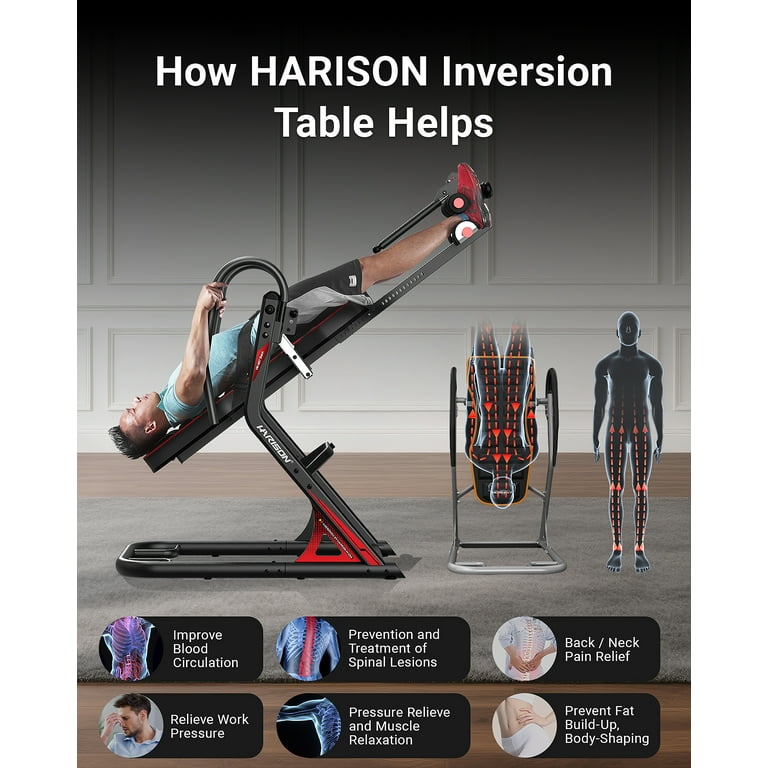
How inversion tables work and why posture may improve
Inversion tables tilt your body so your head is lower than your hips. This creates spinal traction. Traction can briefly reduce pressure between vertebrae and relieve muscle tightness.
Spinal decompression may allow tight back and hip muscles to relax. When muscles relax, shoulders can drop and the spine can return to a more neutral alignment. That relaxed state gives you a better starting point for posture exercises and habit changes.

Research and evidence: what studies show
Clinical trials and reviews focus mostly on pain relief and decompression. Results show modest short-term benefits for lower back pain and reduced disc pressure. Evidence on long-term posture correction is limited and mixed.
Most studies report improved comfort and temporary increases in spinal space. Few high-quality studies prove long-term posture change from inversion tables alone. Combining inversion with strength, stretching, and ergonomic change gives better, lasting results.
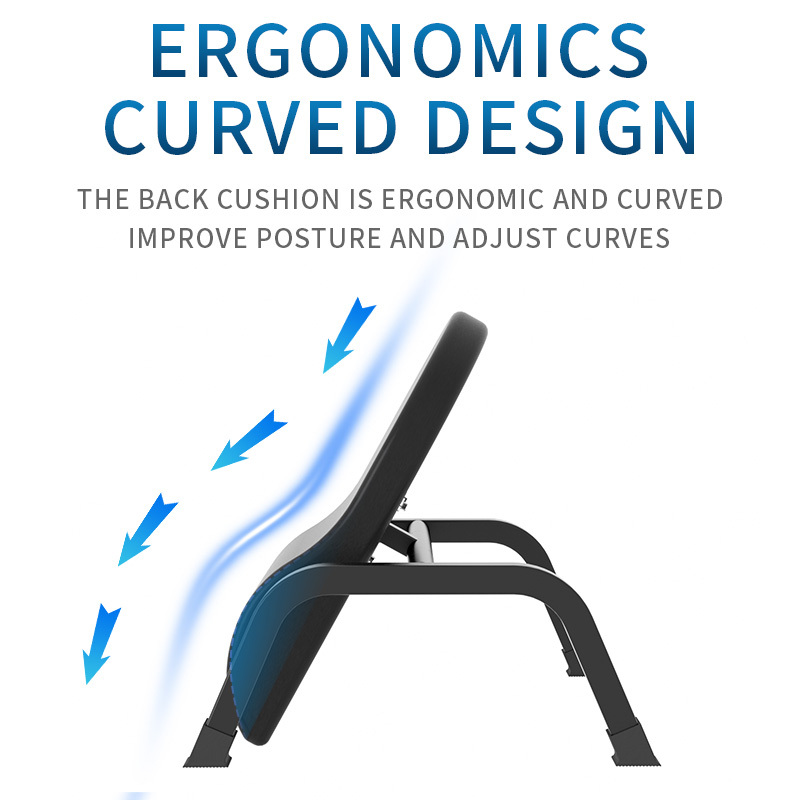
Benefits of inversion tables for posture-related issues
Inversion tables can offer several useful effects that support posture work.
- Reduce spinal compression: Traction can relieve pressure on discs and nerves for a short period.
- Ease muscle tightness: Reduced tension in the back and hip muscles makes it easier to stand tall.
- Improve body awareness: The change in sensation can help you notice alignment habits.
- Complement exercise: When used before stretching or posture training, inversion can make exercises feel easier.
These benefits help posture indirectly by making it easier to perform corrective movements and sit or stand with less pain.

How to use an inversion table safely for posture work
Start slow. Use short sessions and a mild angle. Follow these steps:
- Check your health: Talk to a clinician if you have high blood pressure, glaucoma, heart disease, or pregnancy.
- Adjust the table: Set height and ankle locks so you feel secure and balanced.
- Begin at a low angle: 20–30 degrees is a good start for 1–2 minutes.
- Increase gradually: Add time and angle over sessions if comfortable.
- Pair with exercises: Do gentle stretches or posture drills after inversion to lock in benefits.
Always stop if you feel dizzy, lightheaded, chest pain, or unusual symptoms, and consult a health professional.
Who should consider inversion tables and who should avoid them
Inversion tables are best for people with mechanical lower back pain, mild disc issues, or muscle tightness who want noninvasive relief. They can be useful as a short-term tool to prepare the body for posture exercises.
Avoid inversion tables if you have any of the following:
- Uncontrolled high blood pressure or heart disease
- Glaucoma or eye pressure problems
- Recent stroke or serious circulation issues
- Pregnancy or certain inner-ear problems
Always get personalized advice from a clinician before trying inversion if you have health concerns.

Personal experience and practical tips
I used an inversion table during a multi-week posture program. My lower back felt less compressed after sessions and I could deepen my hip stretches. That made my posture exercises more effective and helped me stand straighter with less fatigue.
Lessons I learned:
- Be patient: gains came slowly and only when I followed a daily routine.
- Combine approaches: inversion plus strengthening and ergonomic change gave the best results.
- Avoid overuse: longer or steeper sessions caused soreness and dizziness.
These first-hand tips can help you use inversion tables safely and effectively for posture goals.
Limitations and alternatives
Inversion tables are not a magic fix for posture. They offer temporary spinal decompression and relief, but lasting posture change depends on strength, habits, and ergonomics. If your posture issue is related to spinal alignment, scoliosis, or structural problems, inversion alone will not correct it.
Alternatives and complements:
- Targeted strength training for core and upper back
- Daily mobility and stretching routines
- Ergonomic workspace adjustments
- Physical therapy or chiropractic care
Use inversion tables as one tool among several. They work best integrated into a broader program.

PAA-style questions
Q: Will inversion tables permanently fix a rounded upper back?
A: No. Inversion can help ease tightness but permanent change requires strengthening the upper back and changing daily posture habits.
Q: How long should I invert to help posture?
A: Start with 1–2 minutes at a mild angle and slowly build to 5–10 minutes if you tolerate it well. Combine sessions with exercises for best results.
Q: Can inversion make posture worse?
A: Rarely, but overuse, incorrect setup, or underlying conditions can cause soreness or dizziness that interferes with posture work. Use caution and follow guidance.
Frequently Asked Questions of Can inversion tables improve posture
What is the best angle for posture improvement on an inversion table?
Begin at 20–30 degrees and maintain that angle for short sessions. Higher angles can increase benefits but also raise the risk of dizziness and should be added slowly.
How often should I use an inversion table for posture?
Start 2–3 times per week for a few minutes, then increase frequency if comfortable. Pair with daily posture exercises for lasting change.
Can inversion tables help with neck and shoulder posture?
They may ease muscle tension in the upper back and shoulders briefly, making posture exercises easier. Long-term neck and shoulder posture changes require strengthening and ergonomic fixes.
Is inversion therapy safe for older adults?
Many older adults tolerate mild inversion well, but medical screening is important. Those with heart disease, high blood pressure, or eye issues should avoid inversion or get clearance first.
Do I need a professional to guide me with an inversion table?
A clinician or physical therapist can help set goals and ensure safe use. Professional guidance is especially helpful if you have a prior injury or chronic condition.
Conclusion
Inversion tables can improve posture indirectly by reducing spinal compression, easing muscle tightness, and making posture exercises more effective. They are a helpful tool for some people but not a standalone cure. Use them cautiously, combine them with strengthening and ergonomic work, and consult a health professional if you have any medical concerns. Try a careful trial with short, gentle sessions and pair inversion with daily posture habits to see if it helps you. If this article helped, explore more posture tips, subscribe for updates, or share your experience in the comments.

