Most people should start with 1–2 minutes and gradually work up to 5–10 minutes per session.
I’ve tested inversion tables, read clinical summaries, and helped clients use them safely. This guide explains exactly how long you should stay on an inversion table, why time matters, and how to tailor sessions to your body, goals, and medical profile. Read on for clear, practical advice you can try today.
Today's Exclusive Deals
Limited-time Exclusive Deals. Check current discount on Amazon.
Check Price on Amazon As an Amazon Associate I earn from qualifying purchases.What is an inversion table and how it works
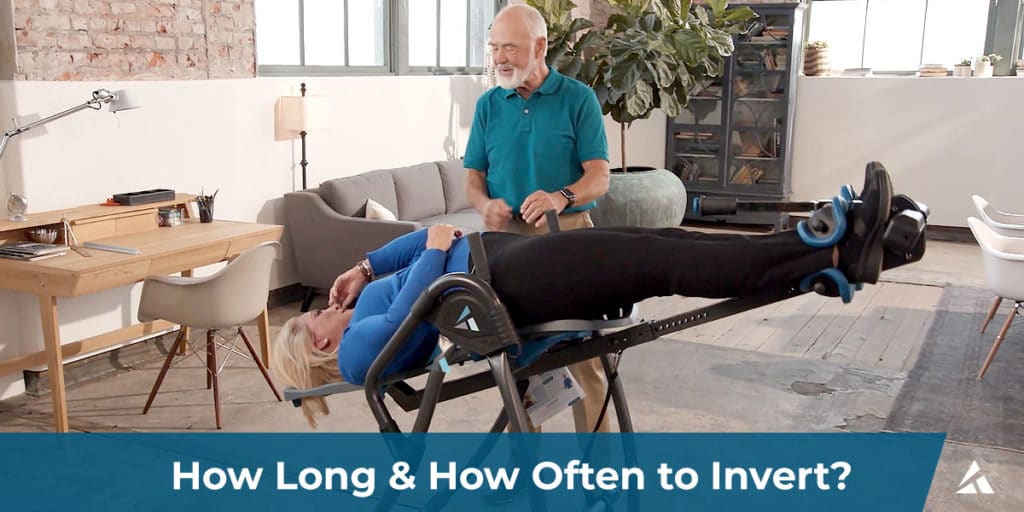
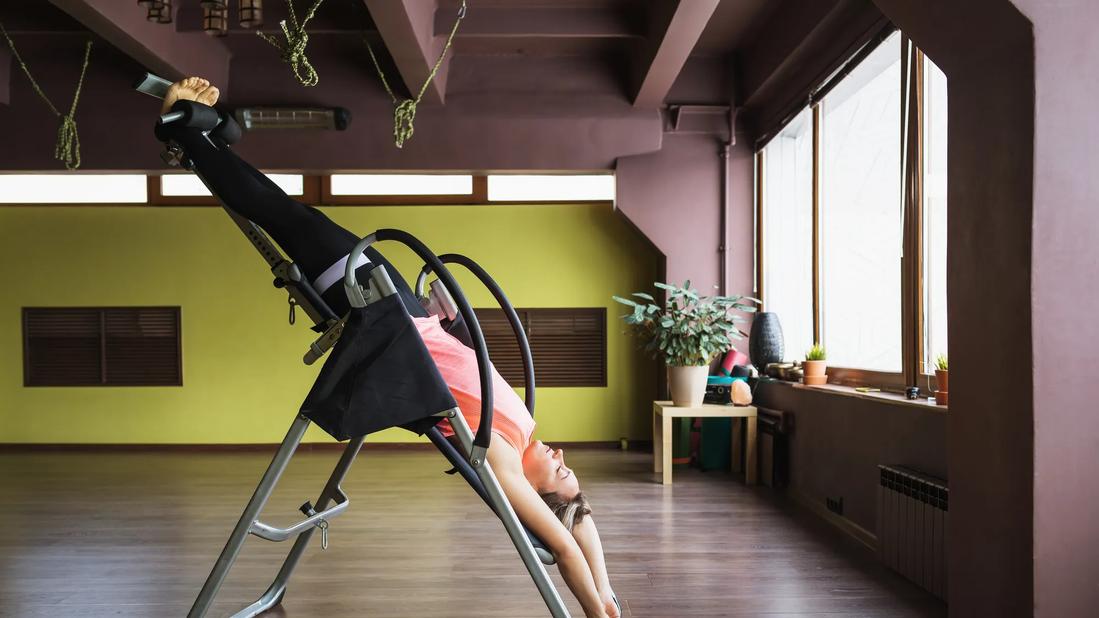
Inversion tables let you tilt upside down or at an angle. They use gravity to stretch your spine and unload pressure on discs and nerves. Many people use them for short-term back pain relief, posture work, and to decompress the spine after long days sitting.
How long should you stay on an inversion table depends on your health, goals, and experience. Beginners need far shorter times than experienced users. I’ll explain the safe ranges and how to increase time without risk.

How long should you stay on an inversion table: general recommendations
Beginners
Start with 1–2 minutes at a mild angle, once or twice a day. This helps your body adapt to inversion stresses without spiking blood pressure or causing dizziness.
Intermediate users
After 1–2 weeks of consistent use, you can increase to 3–5 minutes per session. Many people find meaningful relief and improved flexibility in this range.
Advanced users
Experienced users comfortable with inversion may go 8–10 minutes at a moderate angle. Exceeding 10–15 minutes per session is generally unnecessary and increases risk without clear added benefit.
Frequency and total weekly time
Short sessions repeated daily are often better than one long session. Aim for 5–20 minutes total per day across sessions, or 20–60 minutes per week depending on tolerance. How long should you stay on an inversion table often comes down to steady, short practice rather than long single sessions.

Factors that affect how long you should stay on an inversion table
Age and fitness
Older adults or those with low fitness should use shorter times and gentler angles. Younger, fitter people may tolerate longer sessions safely.
Medical conditions and medications
High blood pressure, heart disease, glaucoma, inner ear problems, or blood-thinning medications change safe limits. If you have medical issues, check with a clinician before inverting.
Experience and comfort
If you feel dizzy, numb, or chest pressure, stop immediately and reduce angle or time. Build time slowly as your body adapts.
Goals and activity timing
For acute back pain relief, short 1–3 minute decompressions often work. For stretching and mobility, 3–8 minutes can be helpful. How long should you stay on an inversion table will shift with your goal: pain relief, stretching, or core work.
Step-by-step safe inversion session protocol
Warm up
Walk or do light movement for 3–5 minutes. Gentle mobility reduces abrupt blood pressure changes.
Set the angle and time
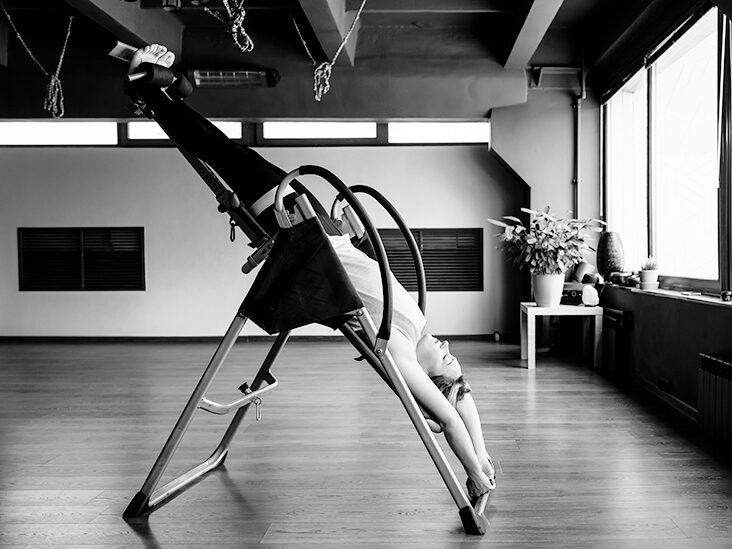
Start at 20–30 degrees for your first sessions. Plan 1–2 minutes initially, then add 30–60 seconds every few sessions. If you’re new, keep the angle and time low.
Get into position
Secure ankles and recline slowly. Breathe steady and avoid holding your breath.
Monitor sensations
Pay attention to headache, nausea, dizziness, or unusual pressure. Stop if symptoms occur.
Cool down
Return upright slowly and stand for a minute before walking. Repeat sessions later in the day if desired.
Progression example
- Week 1: 1–2 minutes at 20–30 degrees, once daily.
- Week 2: 2–4 minutes at 30–40 degrees, once daily.
- Week 3–4: 4–8 minutes at 45–60 degrees, up to twice daily if comfortable.
How long should you stay on an inversion table will depend on gradual progression and careful monitoring.

Common quick questions (PAA-style)
What is the safest starting time for inversion?
Start with 1–2 minutes at a low angle and see how your body responds. Stop or reduce time if you feel dizzy or uncomfortable.
Can inversion worsen some conditions?
Yes. Conditions like uncontrolled hypertension, glaucoma, and certain heart issues can worsen. Talk to a healthcare provider before trying it.
How long until I see relief from back pain?
Some people report relief after a few sessions; others need weeks of short, regular sessions. Results vary by condition and consistency.
Benefits and limitations of inversion therapy
Benefits
- Spinal decompression, which can reduce pressure on discs and nerves.
- Short-term pain relief for some people with lower back pain.
- Improved joint mobility and temporary posture relief.
- Short sessions can be done at home and require minimal time.
Limitations
- Evidence for long-term structural change is limited.
- Relief is often temporary and may need ongoing use.
- Not a replacement for targeted rehab, exercise, or medical care.
How long should you stay on an inversion table is a balance between getting benefits and minimizing risk; short regular sessions usually deliver the best net gain.
Source: clevelandclinic.org
Safety tips, contraindications, and when to stop
Contraindications
- High blood pressure or heart disease
- Glaucoma or retinal issues
- Pregnant people
- Recent stroke or head injuries
Always get medical clearance if you have these conditions.
When to stop immediately
- Chest pain, severe headache, blurred vision, or fainting
- Numbness or sharp nerve pain that increases
If any of these occur, return upright slowly and seek medical advice.
Practical safety tips
- Use a spotter the first few times.
- Keep sessions short at first.
- Avoid sudden movements and hold steady breathing.
These steps help you safely find how long you should stay on an inversion table.
Source: emergeortho.com
Personal experience and practical tips
I started with 90 seconds at 25 degrees after long desk days. That short time cut my lower-back stiffness in half within a week. My mistake was trying longer holds too early; I felt dizzy and had to step back. The lesson: smaller steps win.
Practical tips I follow now
- Keep a short timer so you don’t overdo it.
- Pair inversion with light mobility work after a session.
- Log your angle, time, and symptoms to track progress.
If you’re consistent and cautious, you’ll find the sweet spot for how long you should stay on an inversion table without pain or side effects.
Frequently Asked Questions of How long should you stay on an inversion table
How long should you stay on an inversion table if you have back pain?
Start with 1–2 minutes at a low angle and increase slowly as tolerated. Many people find 3–5 minutes is effective for reducing pain.
Can I invert for 15 minutes straight every day?
Fifteen minutes is generally longer than needed and may increase risk for some people. Keep sessions shorter and spread them across the day for better safety and results.
Is it safe to invert multiple times per day?
Yes, short sessions multiple times per day are often safer and more effective than one long session. Listen to your body and adjust frequency if you feel adverse effects.
Will inversion cure my herniated disc?
Inversion may relieve pressure and reduce symptoms temporarily but it is not a guaranteed cure. Combine inversion with medical advice, rehab, and strengthening to address root causes.
How quickly should I increase inversion time?
Increase time in small steps—30–60 seconds every few sessions—and only if you feel fine. Progress more slowly if you notice dizziness or pressure changes.
Conclusion
Finding the right answer to how long you should stay on an inversion table means starting low, progressing slowly, and listening to your body. Short sessions done regularly often give the best balance of benefit and safety. Try a cautious plan today: begin with 1–2 minutes, log your responses, and increase by small steps toward a comfortable 5–10 minutes if appropriate. If you have medical concerns, get professional clearance first.
Take action now: try a gentle 90-second session at a mild angle, note how you feel, and share your experience or questions below.