
Percussion massage devices are generally safe when used correctly, but risks exist for some people.
I have tested these devices and worked with trainers and therapists who use them. In this article I explain whether Are percussion massage devices safe to use. You will get clear facts, practical tips, and plain rules to use them safely. Read on to learn how they work, who should avoid them, and how to pick and use one with confidence.

Today's Exclusive Deals
Limited-time Exclusive Deals. Check current discount on Amazon.
Check Price on Amazon As an Amazon Associate I earn from qualifying purchases.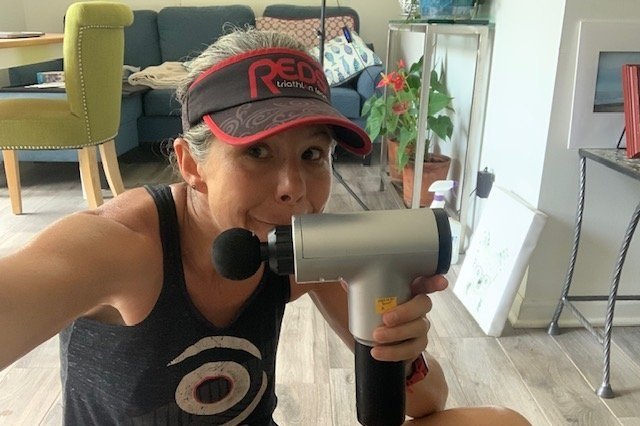
How percussion massage devices work
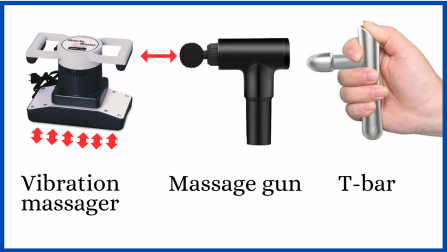
Percussion massage devices deliver short, rapid pulses to soft tissue. The head moves back and forth many times per second. This action helps increase blood flow, reduce muscle tightness, and speed recovery.
Key parts of a device:
Today's Exclusive Deals
Limited-time Exclusive Deals. Check current discount on Amazon.
Check Price on Amazon As an Amazon Associate I earn from qualifying purchases.- Motor: creates the percussive motion.
- Amplitude: depth of each stroke.
- Speed: how many taps per minute.
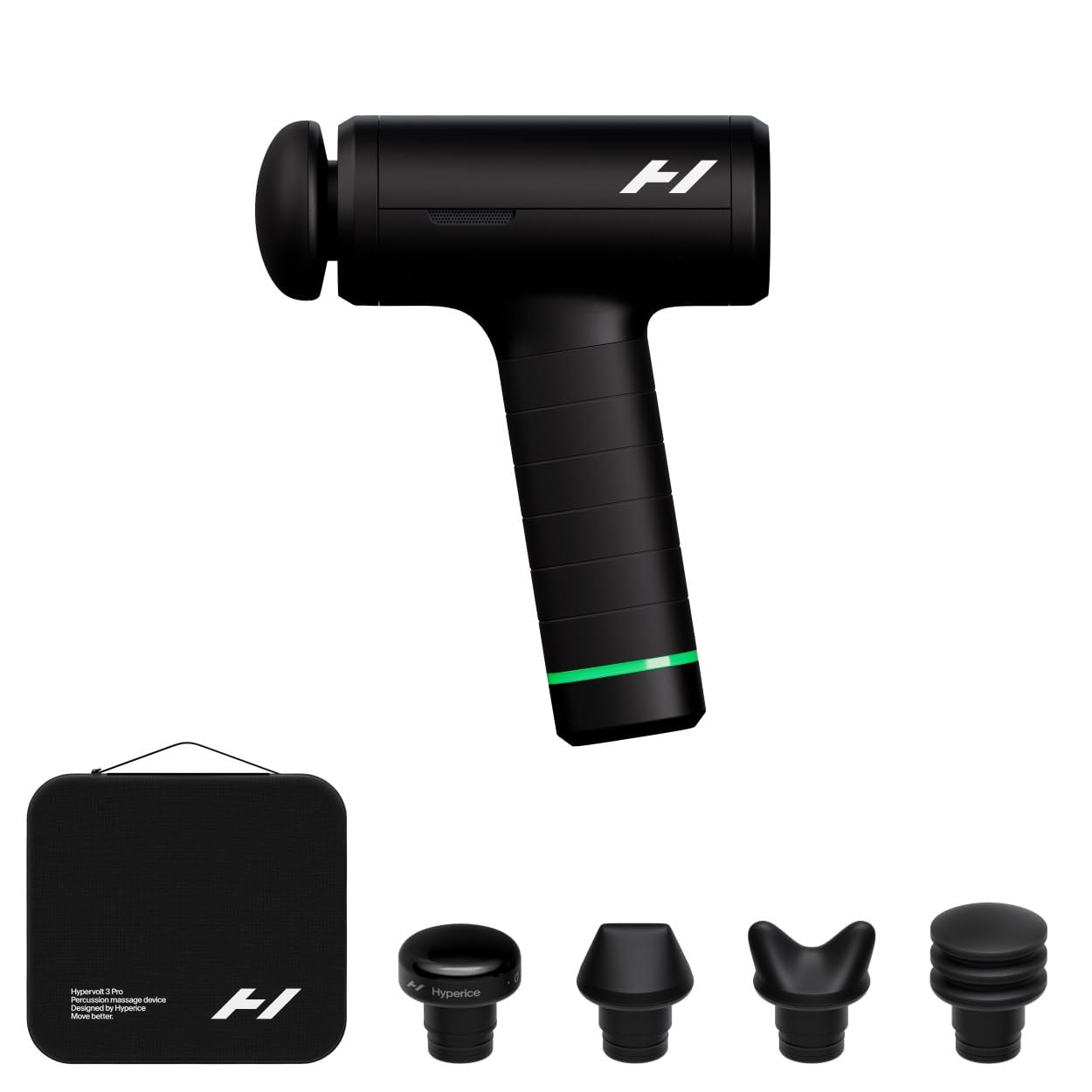
- Attachments: shapes for different body parts.
Are percussion massage devices safe to use depends on how you control speed, pressure, and placement. Low speed and correct head choices make them much safer. Most injuries come from misuse or overuse.

Benefits of percussion massage devices
These tools offer several benefits for many users.
- Faster warm-up: percussion can wake up muscles before a workout.
- Quicker recovery: users report less soreness after intense sessions.
- Pain relief: short-term relief for tight spots and knots.
- Convenience: you can use them at home in minutes.
Clinical studies and therapist reports show improved short-term range of motion and reduced delayed onset muscle soreness. Still, benefits vary by person and condition. Are percussion massage devices safe to use often comes down to matching the benefit to your needs and using the device correctly.
Today's Exclusive Deals
Limited-time Exclusive Deals. Check current discount on Amazon.
Check Price on Amazon As an Amazon Associate I earn from qualifying purchases.
Common safety concerns and risks
Are percussion massage devices safe to use for everyone? No. There are real safety concerns to know.
- Bruising and soreness: heavy pressure or long sessions can bruise tissue.
- Nerve irritation: using a device near nerves can cause numbness or tingling.
- Worsening injuries: using percussion on acute injuries may increase damage.
- Blood vessel risk: those with clotting issues or blood thinners face higher risk.
Use caution near bones, joints, the spine, and sensitive areas like the neck. If you feel sharp pain, stop immediately. When in doubt, consult a clinician before using one.
:max_bytes(150000):strip_icc()/Health-GettyImages-1348229358-5226caa9421b4ed99843dc2c5a7d1543.jpg)
Who should avoid percussion massage devices
Some people should not use these devices or should only use them under guidance.
- Pregnant people: avoid using near the abdomen without medical advice.
- People with recent fractures or serious injuries: risk of further harm.
- Those with blood disorders or on anticoagulants: higher bleeding risk.
- People with nerve disorders or uncontrolled diabetes: risk of damage.
- Children and older adults: may be more prone to harm and should use low settings.
If you have implants, deep vein thrombosis, or open wounds, do not use a percussion device until a doctor clears you. Always get a medical okay if you have chronic health issues.

How to use percussion massage devices safely — step by step
Follow a simple routine to lower risk and improve results.
- Inspect the device: ensure battery and attachments are secure.
- Start low: use the lowest speed and a soft head.
- Short sessions: limit to 30–60 seconds per spot for beginners.
- Move gently: glide the device; do not press hard or hold in one spot.
- Avoid bones and spine: stick to muscle belly and large muscle groups.
- Hydrate and rest: drink water and let tissue recover after use.
If you feel sharp pain, numbness, or prolonged bruising, stop and see a professional. These steps answer the common concern: Are percussion massage devices safe to use when you follow good practice? Yes, usually.
Choosing the right percussion massage device
Pick a device that fits your needs and experience.
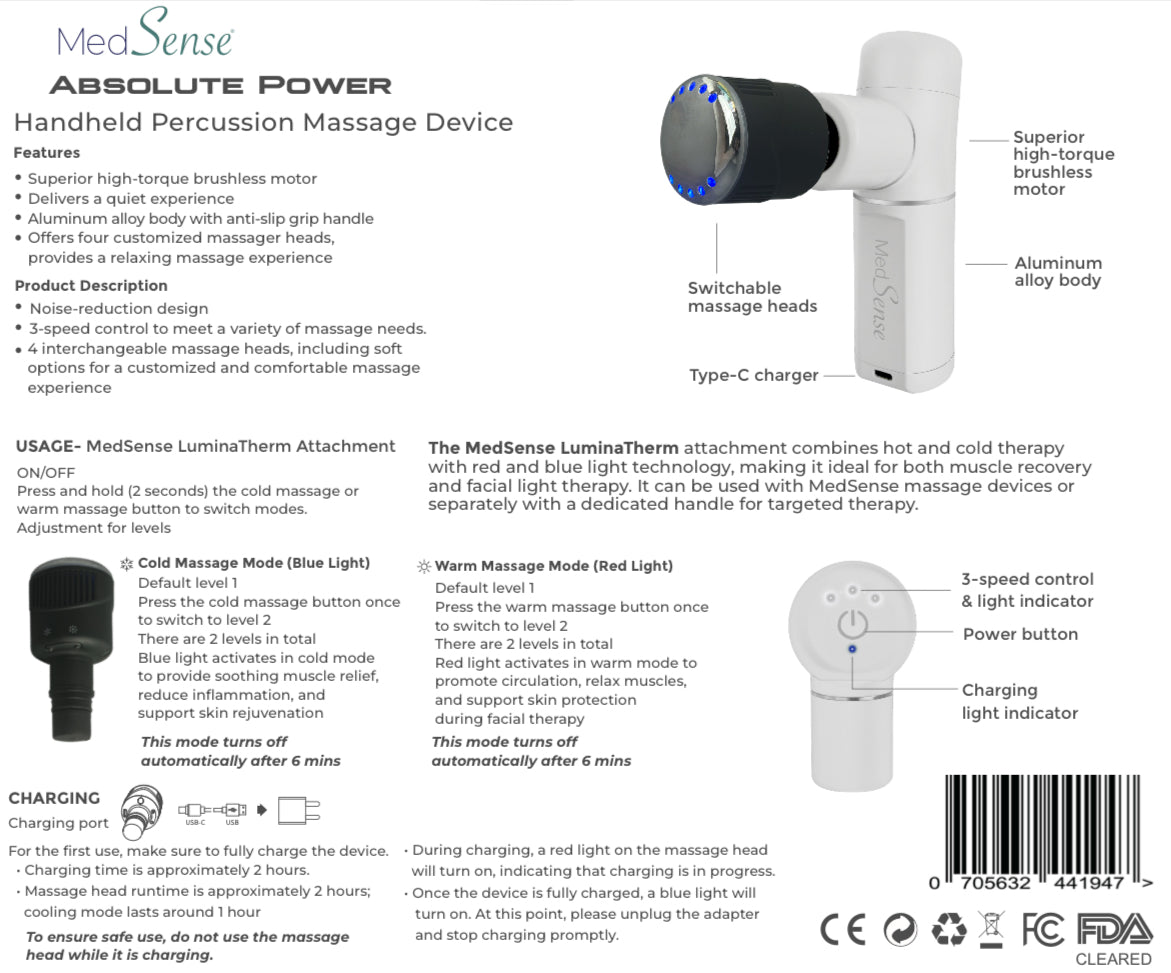
- Device weight: lighter models are easier to handle for daily use.
- Amplitude and speed range: beginners should pick lower amplitude and wide speed range.
- Battery life: long battery life suits frequent users.
- Noise level: quieter motors are better for home use.
- Attachments included: look for soft heads and a range of sizes.
Consider warranty and return policy. Cheaper models can work, but a trusted brand with good reviews and clear specs reduces risk. Reading user feedback can reveal real safety and durability notes.

My experience, lessons, and practical tips
I used percussion devices after long runs and hard lifting days. I tested several heads and speeds. I learned these lessons.
- Start slow and work up: I began with low speed and felt no soreness.
- Avoid the spine and joints: I once pushed too near the shoulder joint and felt irritation for two days.
- Use short bursts: 30 seconds per knot was enough most times.
- Keep a log: note settings that helped or harmed recovery.
If you are unsure, book one session with a licensed therapist who uses these tools. They can show safe placement and pressure. My real-world use shows Are percussion massage devices safe to use when you apply respect, patience, and common sense.
Signs of misuse and when to stop
Know red flags so you avoid harm.
- Increasing pain after use instead of less.
- Numbness or tingling that lasts beyond a few minutes.
- New bruises or swelling at the treated site.
- Dizziness or faintness during or after use.
If any of these occur, stop immediately and consult a healthcare provider. For many users, simple changes fix problems: lower speed, softer head, or shorter sessions.
Maintenance and hygiene
Keeping your device clean and working lowers risk.
- Clean heads after each use with a damp cloth and mild soap.
- Charge with the provided charger to avoid battery issues.
- Replace worn heads to prevent uneven pressure.
- Store in a cool, dry place to protect electronics.
Regular maintenance keeps the device safe and effective. It also avoids hygiene problems if multiple people use the same device.
Frequently Asked Questions of Are percussion massage devices safe to use
Are percussion massage devices safe to use on sore muscles?
Yes. They are generally safe for sore muscles when used on low to medium settings for short sessions. Avoid pressing hard or using them over tender spots more than once or twice a day.
Can percussion devices damage nerves?
If used improperly, yes. Strong pressure or using the device over nerve pathways can cause numbness or tingling, so avoid direct contact with known nerve areas.
How long should I use a percussion device per muscle group?
Limit use to 30–60 seconds per spot for most people, and up to 2 minutes for larger muscles if you respond well. Longer sessions increase the chance of bruising or irritation.
Are percussion machines safe for recovery after workouts?
Yes, many athletes use them for warm-up and recovery because they can reduce soreness and improve range of motion when used correctly. Start with low intensity and adjust based on how you feel.
Do I need medical clearance to use a percussion massage device?
If you have chronic health issues, clotting disorders, recent injuries, implants, or are pregnant, get medical clearance before use. Otherwise, most healthy adults can use them safely with basic precautions.
Conclusion
Percussion massage devices can be safe and effective when you follow simple rules. Use low speed, short sessions, and avoid bones, nerves, and injured areas. If you have health concerns, get medical advice first. My testing and work with pros show that careful use brings real benefits without big risk.
Try one session with caution, keep a log of settings that help, and stop if anything feels wrong. If you found this useful, share your experience below or subscribe for more practical guides and tips.

